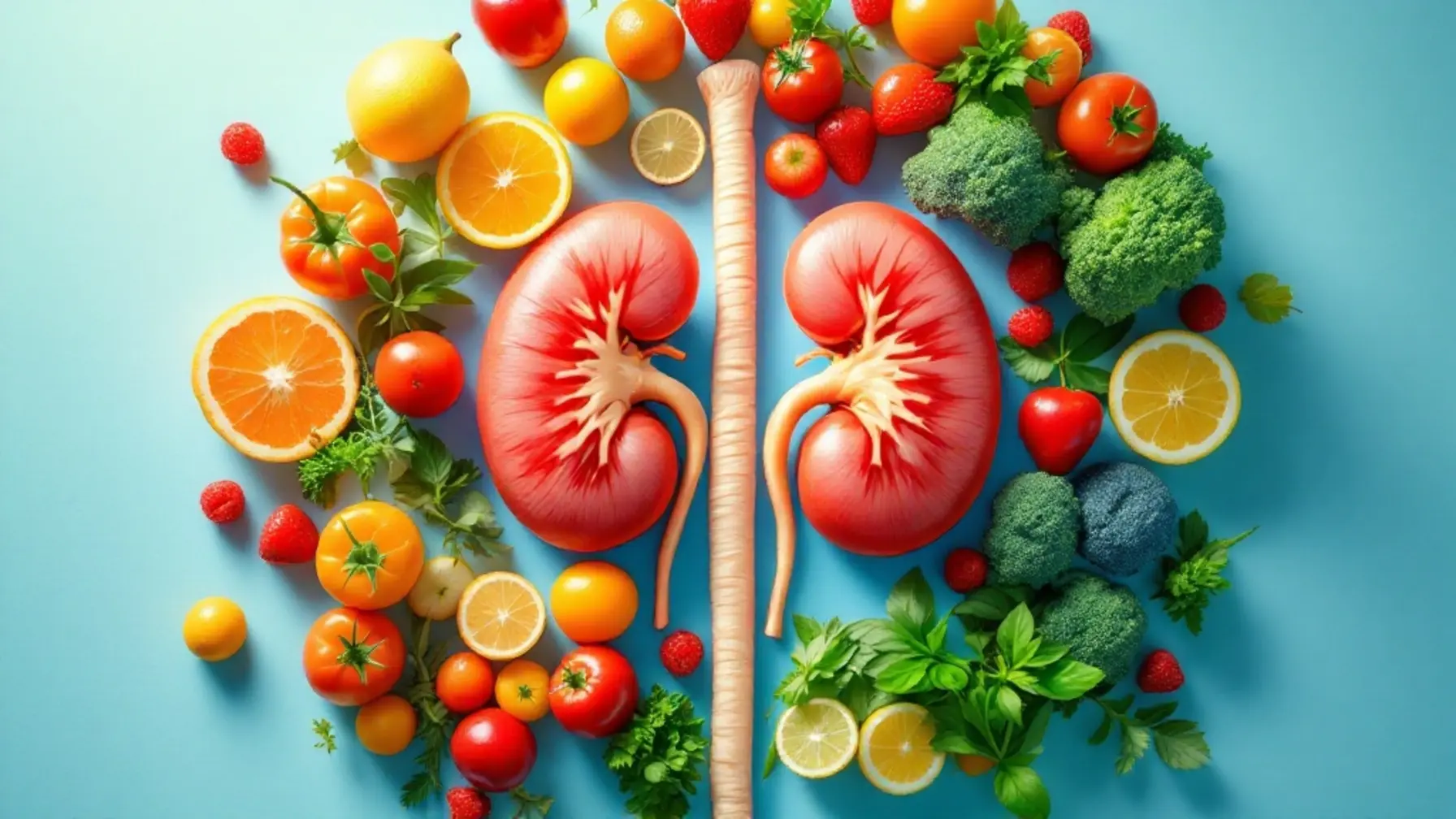
The way your kidneys function is vital for both your health and longevity. As the silent guardians of your body, your kidneys are responsible not just for filtering out waste products, but also for maintaining fluid balance, key electrolyte levels, and healthy blood pressure. A proper diet, optimal hydration, and conscious daily habits can effectively prevent kidney problems and improve your overall well-being.
Table of Contents
- The Role of the Kidneys: Why Are They Important?
- The Most Common Kidney Health Problems
- How Diet Affects Kidney Health
- Why Hydration Matters for Your Kidneys
- Healthy Habits to Support Kidney Function
- When to See a Doctor about Kidney Symptoms
The Role of the Kidneys: Why Are They Important?
The kidneys, small bean-shaped organs located deep within your abdomen, work tirelessly every day to keep your internal environment in balance. Their main job is blood filtration—the kidneys process about 1,500–1,800 liters of blood daily, producing an average of 1.5–2 liters of urine. Filtering happens in the glomeruli, followed by the tubules, where the kidneys “decide” what your body should keep and what to expel. This process removes waste products such as urea, creatinine, uric acid, and toxins from medications, alcohol, and environmental pollutants. At the same time, the kidneys carefully regulate your water levels—if you drink too little, urine becomes more concentrated to minimize fluid loss; if too much, they excrete the surplus. This “smart regulation” also involves sodium, potassium, calcium, magnesium, and phosphorus, essential electrolytes for muscle function—including the heart—nerve signaling, and proper blood clotting. Malfunctioning kidneys would quickly turn your blood into a “toxin cocktail” with abnormal electrolyte levels, which could rapidly become life-threatening. Kidneys also have a crucial role in regulating blood pressure by releasing renin, a key component in the renin–angiotensin–aldosterone system that modulates blood vessel diameter and the amount of retained water and sodium. Overloaded or damaged kidneys can upset this system, often resulting in hypertension that may be resistant to even multiple medications. Moreover, kidneys regulate your body’s pH balance by excreting excess hydrogen ions and reabsorbing bicarbonates, maintaining blood pH within a narrow, safe range. The kidneys work closely with other vital organs—heart, lungs, liver, and endocrine system—forming an internal “safety network” (homeostasis) that preserves balance regardless of external factors like diet, temperature, or activity.
But the role of the kidneys goes beyond filtration and fluid control—they also function as important endocrine organs, producing hormones and signal substances essential for your whole body. They synthesize erythropoietin (EPO), which stimulates marrow to produce red blood cells. Chronic kidney disease often brings anemia, leaving you constantly fatigued, short of breath, and pale due to reduced EPO. Kidneys are also crucial in vitamin D metabolism—here, inactive vitamin D is transformed into calcitriol, the active form, for regulating calcium absorption and bone health. Poor kidney function leads to less active vitamin D, weakening bones and increasing fracture risk and musculoskeletal pain. The kidneys also affect blood volume and heart load—if they retain too much sodium and water, swelling (in the legs, eyelids, ankles), breathlessness, and heart failure may result. Microcirculation impairment can damage blood vessels throughout the body, which explains the sharply increased risk of heart attacks, strokes, and atherosclerosis in chronic kidney disease. Most importantly, kidney disease is often “silent”—you can lose 60–70% of function with little or no symptoms, as remaining nephrons compensate. Problems are often discovered too late, when damage is irreversible. Appreciating how deeply kidneys affect your body—from blood quality and pressure to bone density, immunity, and well-being—is the key to prioritizing daily care before facing serious complications.
The Most Common Kidney Health Problems
Kidneys can be affected by a variety of conditions, which often progress with few or no symptoms. The most common issues include acute and chronic kidney injury, chronic kidney disease, kidney stones, urinary tract infections (including pyelonephritis), glomerulonephritis, and polycystic kidney disease. Acute kidney injury (AKI) is a sudden, often reversible loss of function that may follow severe dehydration, heavy bleeding, sepsis, infection, or drug toxicity. Symptoms include a sharp decline or stoppage of urine output, swelling, high blood pressure, worsening weakness, nausea, and even confusion—requiring immediate medical attention. On the other hand, chronic kidney disease (CKD) develops over months or years, most often due to uncontrolled diabetes, hypertension, obesity, chronic inflammation, autoimmune diseases or regular use of NSAIDs. Gradual nephron and kidney tissue damage can go unnoticed at first—the only clues may be abnormal urine tests (protein or blood) or slightly increased blood creatinine. As filtration declines, you may experience fatigue, drowsiness, poor appetite, dry and itchy skin, swollen ankles and eyelids, hypertension, irregular heartbeat, muscle cramps, and sometimes nausea and vomiting. Advanced CKD leads to end-stage kidney failure, making dialysis or transplantation necessary. Even early CKD—often with few symptoms—raises the risk of heart attack, stroke, and other cardiovascular complications, so early detection is vital.
Kidney stones—”calculi” formed from crystallized substances in urine, such as oxalate, phosphate, uric acid, or cystine—are commonly associated with the kidneys. Their formation is favored by insufficient fluid intake, high-salt and animal-protein-rich diets, certain metabolic disorders and some medications. Stones may be symptomless, but when a stone blocks the ureter, it causes severe, colicky lower back pain radiating to the groin, possibly with nausea, vomiting, blood in urine, and frequent urination—known as renal colic. Small stones can pass naturally, but larger ones may require medication or procedures (such as ultrasound lithotripsy or endoscopic removal). The kidneys are also vulnerable to urinary tract infections, with acute pyelonephritis the most serious. Usually starting as an ascending infection from the bladder, symptoms include high fever with chills, lower back pain and tenderness, burning urination, frequent urgency, and malaise; urine tests show white cells, bacteria, and often blood. Recurrent or untreated infections can scar the kidney, causing permanent functional loss, so urgent diagnosis and antibiotic treatment are essential. Less common but serious are glomerular diseases (IgA nephropathy, membranous nephropathy, FSGS, etc.), often triggered by infections, rheumatic, or autoimmune illnesses, or without clear cause. Symptoms include protein and blood in urine, swelling (especially face and eyelids), hypertension, and sometimes pain—usually requiring a kidney biopsy. Polycystic kidney diseases, particularly autosomal dominant polycystic kidney disease (ADPKD), are inherited—cysts grow over time, compressing healthy tissue, enlarging the kidneys, and leading to hypertension, hematuria, infections, stones, and ultimately, kidney failure. Kidney tumors, including cancer, are more likely with age but often go undetected until late; warning signs include blood in urine, an abdominal mass, unexplained weight loss, persistent low-grade fever, and chronic fatigue. Despite their varied causes, all these problems underscore a simple truth: the earlier they’re identified—most often with simple urine, blood, and ultrasound tests—the greater the chance to slow disease and prevent irreversible kidney damage.

How Diet Affects Kidney Health
Your diet has both immediate and long-term effects on kidney health—since the kidneys must process and remove any excess from what you eat and drink, including nutrients, toxins, and metabolic waste. Too much protein, salt, sugar, saturated fat, or phosphorus puts additional strain on the kidneys and can accelerate diseases like chronic kidney disease or kidney stones. A well-balanced diet does the opposite: easing the kidneys’ workload, regulating blood pressure, supporting healthy blood sugar and cholesterol, and reducing inflammation risk. Hydration is critical—drinking the recommended 1.5–2 liters of fluids a day (unless your doctor says otherwise) aids optimal filtration and helps prevent crystal and stone formation. Water is best, followed by mild herbal teas; sugary beverages, energy drinks, and excessive fruit juices are best limited to avoid excess sugar and acids. Keeping protein intake in check is vital—modern diets, especially those rich in red and processed meats (cold cuts, sausages, fast food), often provide much more than needed. In healthy people, long-term protein excess can overload the kidneys; in those with existing kidney disease, it may worsen decline. Choose more poultry, turkey, fish, eggs, low-fat dairy, and plant proteins (beans, tofu, lentils, chickpeas), and cut back on daily large portions of red meat and processed cold cuts. Also essential is the quality of fat—diets high in saturated and trans fats (fatty meats, pastries, fast food, hydrogenated oils) promote atherosclerosis and hypertension, which severely damage the kidneys. Opt instead for unsaturated fats found in olive and canola oil, avocado, nuts, and oily sea fish (salmon, mackerel, herring)—but in moderation; even “good” fats are calorie dense. Diets loaded with simple sugars (sweets, sweet drinks, white bread) favor obesity and type 2 diabetes—major kidney threats, as high blood sugar damages small blood vessels in the nephrons, accelerating diabetic nephropathy. Replace them with whole grains (wholemeal bread, buckwheat, brown rice, oats) and whole fruits, which help stabilize blood sugar and provide the fiber needed for weight management. How food is prepared matters: steaming, stewing without deep-frying, baking in foil or parchment use less fat and limit harmful substances (like AGEs, advanced glycation end products), which foster oxidative stress and inflammation, burdening your kidneys. By contrast, grilling over open flames, deep-frying, or burning food can form compounds damaging not just kidneys, but your whole body.
One of the best-documented dietary risks for healthy kidneys is excess salt (sodium) intake—not just from the salt shaker, but mainly from processed foods like ready-made sauces, instant soups, bouillon cubes, chips, salty snacks, cold cuts, cheese spreads, and bread. High sodium makes you retain water, raise blood pressure, and can damage fragile kidney structures and their filtering function, causing swelling. Reducing salt—generally to about 5g a day for healthy people (about one flat teaspoon total from all sources)—is one of the simplest ways to protect your kidneys, and also guards against hypertension and heart disease. Replace extra salt with herbs, spices, garlic, onion, lemon juice, or balsamic vinegar for flavor without sodium. Phosphorus is another issue—naturally present in foods like meats, dairy, and whole grains, it’s usually not a concern with normal kidney function. However, phosphate additives, common in processed foods (cold cuts, colas, cheese spreads, instant products), are rapidly absorbed and can accumulate in those with kidney problems, causing mineral imbalances (including bone demineralization and vascular calcification). A kidney-friendly diet should be as unprocessed as possible, based on fresh vegetables, fruits, whole grains, lean proteins, and healthy fats. The abundance of vegetables and fruits delivers potassium, magnesium, antioxidants, and fiber helping regulate blood pressure, protect blood vessel linings, reduce inflammation and oxidative stress, and indirectly safeguard your kidneys—although individual restrictions may be needed for advanced kidney disease. Whole grains stabilize glucose and support a healthy weight, vital as obesity and insulin resistance speed up kidney decline. Beverage choices are essential too—too much coffee and strong tea can worsen dehydration if they replace water, while chronic alcohol overuse is harmful to the liver and increases blood pressure and electrolyte imbalances, putting strain on the kidneys. Good habits include reading food labels (for salt, phosphate, sugar, protein content), gradually cutting back on ultra-processed foods in favor of home-cooked meals, filling half your plate with vegetables, choosing whole grains and sensible portions of protein, and staying moderately hydrated throughout the day. Such consistent choices let your kidneys—though quiet and out of sight—work more efficiently and stay healthier longer, even as your body naturally ages.
Why Hydration Matters for Your Kidneys
Your kidneys depend directly on adequate hydration—their main function is filtering your blood and excreting extra water and waste as urine. Throughout the day, your blood passes repeatedly through the glomeruli for filtration—how much urine you produce, and what it contains, depends largely on your fluid intake. When you drink too little, kidneys concentrate urine to the maximum—it becomes darker and more saturated with salts and waste, boosting stone risk. Chronic dehydration may cause micro-damage, reduce blood supply to kidney tissue, and increase the risk of chronic kidney diseases. By contrast, good hydration leads to lighter urine and higher urinary flow, “flushing out” microcrystals, bacteria, and waste, reducing risk of stones, urinary tract infections, and inflammation. Water also thins the blood; with too little, blood becomes “thicker,” making kidney filtration harder and stressing your heart. To maintain fluid-electrolyte balance, kidneys adjust hormone levels (vasopressin, renin, aldosterone), directly impacting blood pressure. Chronic, low-level dehydration is common among people who drink little water and lots of coffee, strong tea, or energy drinks; it disrupts homeostasis, keeps kidneys “on reserve,” and forces them to constantly compensate. Good hydration also ensures the right levels of sodium, potassium, calcium, phosphorus, and magnesium—vital for muscle, heart, nerve, and blood clotting stability. Too little water raises risk of heart rhythm issues, muscle cramps, or weakness; in people with kidney disease, even mild dehydration may accelerate decline. In everyday life, a quick way to check hydration is urine color—it should be straw yellow; darker or amber suggests you’re not drinking enough (except after some meds or supplements).
The common advice of 1.5–2 liters daily suits healthy adults in moderate climates, but actual needs rise with hot weather, exercise, body mass, pregnancy, breastfeeding, or specific health issues. Your kidneys are very sensitive to changes in blood volume—losing just 2% of your body weight in water (through sweating, exercise, heat, etc.) can reduce your filtration rate. Protection is about not only “how much” but also “what” and “how” you drink. Water—still or lightly sparkling, no sugar, artificial colorings, or preservatives—is best. Sweetened drinks (juices, energy drinks, sweet bottled teas) contain a lot of sugar, raising risk of insulin resistance, obesity, and type 2 diabetes (a leading cause of kidney failure). These drinks also boost urinary calcium, increasing potential for stones. Excess caffeinated beverages (coffee, energy drinks, cola) act as mild diuretics and can lead to dehydration if not matched with enough water. Alcohol, especially in higher doses, disturbs water-electrolyte balance, increases urination, and promotes dehydration and kidney damage. To help your kidneys, sip fluids steadily throughout the day, rather than drinking large amounts at once; “flooding” your body with excess water quickly is risky, especially if you have kidney or heart failure, as it may lead to overhydration, swelling, and increased blood pressure. Some clinical situations require strict fluid limits (advanced kidney disease, dialysis, heart failure)—if you have chronic illness, always discuss safe fluid intake with your nephrologist or doctor. For most healthy people, it’s practical to carry a water bottle, drink small amounts regularly, up fluid intake on hot days or with exercise, and notice signals like thirst, dry mouth, headache, fatigue, or dark urine—signs your kidneys need more hydration to keep serving as your quiet protectors.
Healthy Habits to Support Kidney Function
The habits you build daily are key to keeping your kidneys working efficiently for years to come. Conscious, regular care pays off—not just when symptoms appear. Movement is essential; regular, moderate physical activity—brisk walking, swimming, cycling, fitness classes—supports a healthy weight, lowers blood pressure, and helps control blood sugar, all major factors in kidney disease risk. Aim for at least 150 minutes of moderate exercise per week, spread over multiple days, and break up long periods of sitting with stretches or short walks. Crucial habits also include monitoring blood pressure and blood sugar. Hypertension and diabetes are the top causes of kidney damage, so check your pressure at home and have regular lab tests (fasting glucose, HbA1c) to catch issues early. If you already have hypertension or diabetes, taking medications as prescribed, eating right, and staying active directly protect your kidneys. Avoiding tobacco is essential: Nicotine and cigarette smoke toxins damage blood vessels—especially the kidney’s tiny glomerular vessels—accelerating function loss. Quitting smoking lowers the risk of kidney disease progression and cardiovascular complications. Protect your kidneys from toxins and drugs—especially long-term or habitual use of NSAID painkillers (ibuprofen, ketoprofen). Overuse, especially if you’re dehydrated, older, or have heart problems, may cause acute kidney injury or worsen existing disease. Before taking painkillers “by habit,” consider non-drug pain relief or talk to your doctor. Caution is also needed with supplements and “detoxes”: too much protein, diuretic herbs, or high-phosphorus/potassium supplements can strain your kidneys. Always check with a healthcare specialist if you regularly use any supplements—especially if you have hypertension, diabetes, heart disease, or a family history of kidney problems.
Kidney prevention also includes daily “little” habits that add up to major benefits over time. Don’t hold urine for too long—this promotes urinary stasis and infections that may travel to the kidneys. Practice good personal hygiene, proper wiping (front to back for women), and avoid aggressive cleaning products or excessive douching, which can disturb your natural bacterial flora and raise infection risk. Always empty your bladder fully, especially after sex—an easy way to lower infection risk. Another pillar of kidney care is managing stress and sleep quality. Chronic stress, poor sleep, and hormonal imbalance can raise blood pressure, promote insulin resistance, and disrupt metabolism, overburdening your kidneys. Blend relaxation routines (breathing exercises, yoga, meditation, walks in nature) into your day, keep a consistent sleep schedule, minimize screens before bed, and create a dark, cool sleep space with restorative breaks during the day—all supporting cardiovascular and kidney health. High-risk groups—those overweight, hypertensive, diabetic, with autoimmune disorders, family history, or over 60—should make regular screenings a must. Once a year, have a urine test, blood creatinine (eGFR), blood pressure, and cholesterol profile—treat it as a routine “technical checkup” for early detection and timely intervention. Be transparent about all medications and supplements used, never changing doses or combining drugs on your own. Day-to-day, how you organize your life matters: plan meals and water breaks, choose stairs over elevators, take short walks, prepare healthy snacks over salty processed foods. These “small” choices provide kidney protection and keep them serving as your body’s key internal guardians for as long as possible.
When to See a Doctor about Kidney Symptoms
Because kidney disease can progress “silently,” it’s vital to recognize even subtle warning signs and not delay seeing a doctor. Changes in urine—amount or frequency—are always a red flag. If you start passing much less urine, need to get up at night several times, feel sudden, intense urgency or have trouble starting urination, your kidneys and urinary tract need checking. Alarming changes in color or smell—dark, tea-colored, red or pink hue, visible blood, unusually strong odor, or cloudy appearance—may indicate infection, stones, or more serious damage. Pain or burning when urinating, a sense of incomplete emptying, dribbling, or incontinence should always be checked, as they may stem from infection or kidney disease. Characteristic warning signs include lower back pain—especially if one-sided, radiating to the groin or abdomen—typical for renal colic. Severe, sudden pain paired with nausea, vomiting, or restlessness requires urgent care. Dull, chronic pain or fullness in the back may indicate polycystic kidneys, chronic inflammation, or kidney swelling and also needs a specialist visit. Recurrent urinary tract infections—bladder irritation, lower abdominal pain, urgency, fever, chills, and malaise—may mean the infection has reached your kidneys (pyelonephritis), threatening lasting damage. In these cases, fast treatment is critical. Extra vigilance is needed for people at risk—those with diabetes, hypertension, obesity, autoimmune diseases (like lupus), previous kidney stones, congenital urinary tract defects, or a family history of chronic kidney disease and polycystic kidneys. For these groups, even mild symptoms warrant prompt consultation, and routine check-ups and urine/blood tests are especially important.
Kidney problems often also present with general symptoms easily mistaken for fatigue or poor form. Persistent tiredness, reduced physical capacity, daytime drowsiness, concentration problems, headaches, or feeling of “brain fog” may all signal kidney-associated anemia and metabolic buildup. See a doctor if you lose appetite, lose weight (or, conversely, rapidly gain), especially accompanied by leg, ankle, hand, or periorbital swelling (notably in the morning). Such swelling shows water/sodium retention—hallmarks of kidney failure. Sudden hypertension or losing control over previously well-managed blood pressure should spur a kidney check, since kidney-filtering and the renin–angiotensin–aldosterone system are key to blood pressure stability. Symptoms like unexplained itching, dry skin, bruising, metallic taste in the mouth, bad breath, nausea, vomiting, muscle cramps, or tingling may reflect kidney-driven electrolyte abnormalities. Any episode of high fever, chills, severe lower back pain, sharp falls in urine (or total absence), clear blood in urine, sudden swelling of the face or limbs, sharp BP spikes, breathlessness, or chest pain needs urgent medical help—and sometimes even emergency services. They may point to acute kidney injury, serious infection, or life-threatening heart complications. Even “mild” or non-specific symptoms deserve discussion with your family doctor, who will order basic screening tests (urinalysis, creatinine, eGFR, electrolytes, BP check) and, if needed, refer you to a nephrologist. Routine checkups matter, especially after age 40 or with chronic illnesses—they let you catch early kidney damage before major symptoms start, giving you a real chance to slow or stop progression.
Summary
Kidneys play a vital role in maintaining overall health. Regular kidney monitoring, a proper diet, good hydration, and healthy habits are crucial to keeping kidneys functioning. Avoiding harmful substances and staying active can dramatically impact kidney health. Early detection and timely intervention are the best tools for preventing serious complications—never ignore symptoms, and see a specialist if needed.