
The Low FODMAP Diet is a groundbreaking approach aimed at individuals with irritable bowel syndrome (IBS). By restricting certain fermentable carbohydrates, this diet helps minimize bloating, abdominal pain, and other unpleasant IBS symptoms. Following a Low FODMAP diet enables real improvement in daily functioning and quality of life.
Table of Contents
- What Characterizes the Low FODMAP Diet?
- Which Foods Can You Eat on the Low FODMAP Diet?
- The Three Stages of the Low FODMAP Diet
- Benefits for People with Irritable Bowel Syndrome
- Challenges and Limitations of the Low FODMAP Diet
- Expert Suggestions and Tips Regarding the Low FODMAP Diet
What Characterizes the Low FODMAP Diet?
The Low FODMAP diet is a specific, scientifically developed nutritional model whose main goal is to limit the intake of short-chain fermentable carbohydrates, which trigger or worsen irritable bowel syndrome (IBS) symptoms. The acronym FODMAP stands for Fermentable Oligo-, Di-, Mono-saccharides And Polyols. In practice, these mainly include: fructans (e.g., in wheat, garlic, onions), galactans (e.g., in legumes), lactose (in dairy products), excess fructose (in some fruits and sweeteners), and polyols such as sorbitol, mannitol, xylitol, and maltitol (often found in sugar-free chewing gums, “fit” sweets, and certain stone fruits). The characteristic of this diet isn’t the complete elimination of carbohydrates, but rather the precise control over their types and amounts, based on knowledge of how they affect the gut in people with IBS. Unlike many popular elimination diets, Low FODMAP has a strictly defined structure, is based on clinical research, and was developed by scientists from Monash University in Australia, which gives it high scientific credibility. Its core is the understanding of two mechanisms: firstly, some FODMAPs are poorly absorbed in the small intestine and “draw” water into the intestinal lumen, potentially leading to diarrhea; secondly, in the large intestine, they become food for bacteria, which ferments them, producing gases. In most healthy individuals, this process is almost asymptomatic, but for people with IBS—characterized by visceral hypersensitivity and often impaired gut motility—excessive fermentation and increased intestinal pressure can cause abdominal pain, bloating, a feeling of “ballooning” in the abdomen, gurgling, as well as alternating diarrhea and constipation.
The key feature of the Low FODMAP diet is its staged process: it’s not a “forever” diet, but a temporary diagnostic-therapeutic protocol comprising an elimination phase, gradual reintroduction, and a long-term personalization stage. This allows not only for calming the bowels but also for identifying individual symptom “triggers” and establishing what level of different FODMAPs is tolerated by a particular person. Another important aspect is that the Low FODMAP diet is highly quantitative—whether a food is “high” or “low” in FODMAPs often depends on portion size, not just the type of product: for example, a small amount of lactose-free milk or half a ripe banana may be acceptable, whereas larger amounts or other forms of the same product may trigger symptoms.
In practice, this means meals need to be carefully planned, labels need to be read, and knowledge of high and low FODMAP food lists is required—lists which are regularly updated based on the latest food composition analyses. This diet is not aimed at weight reduction but at improving intestinal comfort and quality of life, though more organized eating may indirectly support healthy body weight.
The Low FODMAP diet is also highly individualized and generally requires cooperation with a qualified clinical dietitian, particularly for long-term use. The first phase, usually lasting 2–6 weeks, involves significant restriction of all major FODMAP sources—such as regular wheat and rye flour, lactose-rich dairy, many fruits (e.g., apples, pears, mango), certain vegetables (onion, garlic, cauliflower), legumes, and polyol-type sweeteners. However, the focus isn’t on fasting or a monotonous menu—the diet is based on naturally low-FODMAP products like rice, oats, millet, select fruits (kiwi, grapes, strawberries), vegetables (carrot, cucumber, eggplant, zucchini, lettuces), eggs, fish, meat, tofu, hard cheeses, and low-lactose fermented dairy. After symptom relief, there’s a phase of gradual testing of individual FODMAP groups in controlled, small amounts—e.g., one day testing wheat fructans, another lactose, and so on. This “experimental” stage involves observing reactions, keeping a symptom diary, and, with the help of a specialist, establishing an individual tolerance profile. The final personalization phase sees the return to as varied a diet as possible, limiting only those products and portions that clearly worsen symptoms.
The Low FODMAP diet thus requires knowledge, planning, and patience, but is also flexible—it can be adapted to various eating styles (e.g., vegetarian), flavor preferences, and culinary traditions, all while maintaining adequate intake of fiber, B vitamins, calcium, iron, and other nutrients. This diet particularly emphasizes reading labels and avoiding “hidden” FODMAPs in processed foods (e.g., glucose-fructose syrup, inulin, juice concentrates, artificial sweeteners), as well as sensible product combinations in one meal to avoid exceeding your personal “tolerance threshold.” All this makes the Low FODMAP not just a simple “allowed / forbidden” list but a complex therapeutic tool allowing you to understand your own gut and regain greater control in IBS daily life.
Which Foods Can You Eat on the Low FODMAP Diet?
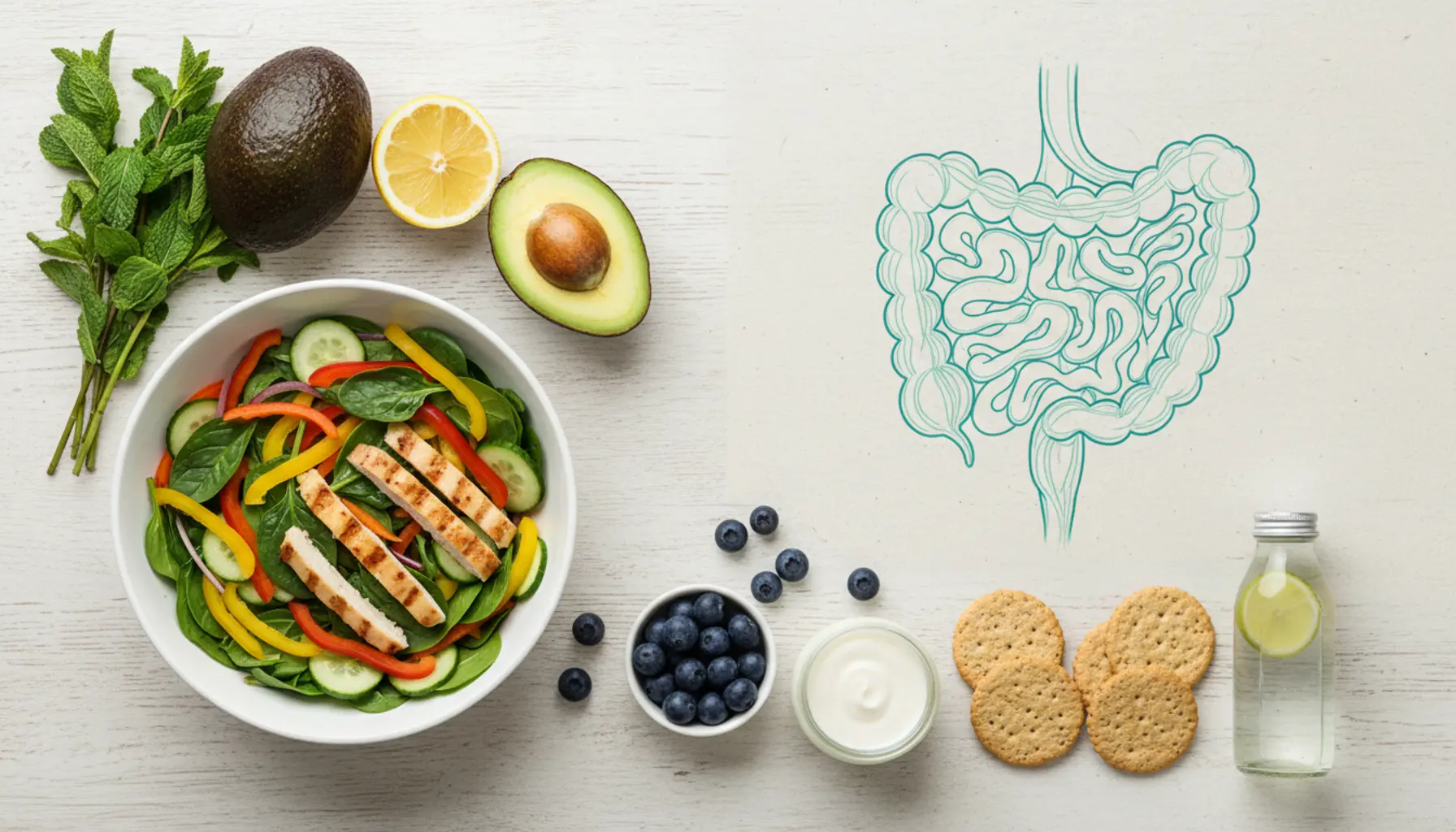
The Low FODMAP diet isn’t about drastically limiting food but about making wise food choices and controlling portions. You can eat many types of vegetables, fruits, grains, proteins, and fats, as long as they are the appropriate types and amounts. Among vegetables, the staples can include carrots, cucumber, peppers, tomatoes, lettuce, spinach, eggplant, zucchini, pumpkin, sprouts, radish, regular potatoes and sweet potatoes (in limited portions), and green beans. Portion size is key—a small amount of broccoli or cauliflower may be tolerated, but larger amounts could bring on symptoms. During elimination, avoid all forms of onion and garlic, but substitutions like chives (green parts), leek leaves, garlic oil (without garlic pieces), or dried herbs and spices without onion or garlic are permitted. For fruits, you can eat strawberries, blueberries, grapes, oranges, mandarins, kiwi, grapefruit, pineapple, banana (preferably at a medium, not overly ripe stage), cantaloupe, papaya, or passion fruit—again, all in controlled portions, about 80–100g per serving. Dried fruits like raisins, dates, dried plums, as well as apples, pears, mango, watermelon, or cherries are high-FODMAP and usually excluded in elimination, but can be tested individually later.
Grain products allowed in the Low FODMAP diet include oats (usually well-tolerated in smaller portions), white and brown rice, millet, quinoa, corn and cornmeal products, as well as gluten-free bread free from apple concentrate, honey, glucose-fructose syrup, or inulin. Many on this diet also use rice noodles, corn noodles, or gluten-free mixes. Always read labels and pick minimally processed products, without added fructans, agave syrup, polyols (sorbitol, mannitol, xylitol), or “chicory fiber” (inulin).
Protein intake is not limited—in fact, protein is typically safe. Fresh and frozen meats (poultry, pork, beef, veal), fish, seafood, eggs, natural tofu, and tempeh can confidently be included, as long as marinades and coatings don’t include high-FODMAP ingredients. Processed meats require attention—many contain onion, garlic, polyol sweeteners, pea protein, vegetable concentrates, or plant fiber, all of which may increase FODMAP content. Regarding dairy, lactose-free products are usually well-tolerated: lactose-free milk, yogurts, and kefirs, hard aged cheeses (cheddar, gouda, parmesan), and small amounts of butter and cream. Many plant-based drinks, like rice, oat (in specific portions), or almond milk (without inulin or high-fructose syrups), may also be suitable, whereas full-soy milk or large amounts of coconut milk may be problematic. Healthy fats such as olive oil, canola oil, flaxseed oil (cold), coconut oil, and clarified butter are helpful in meal planning. Fats themselves contain no FODMAPs, but too much may speed intestinal transit and worsen diarrhea for some, so moderation is advised. As for nuts and seeds: moderate portions of walnuts, pecans, hazelnuts, macadamia, peanuts, almonds (small amounts), chia seeds, flaxseed, pumpkin, and sunflower seeds are usually fine; cashews, pistachios, and large amounts of almonds are high-FODMAP.
Seasoning foods in Low FODMAP doesn’t mean flavorless cooking—on the contrary, use lots of fresh and dried herbs (basil, oregano, thyme, rosemary, coriander, dill, parsley, mint), spices (ginger, turmeric, cinnamon, cumin), pepper, sweet and hot paprika, and citrus juices, wine or balsamic vinegar (small amounts). A handy trick is to make garlic- or onion-infused oil by removing the vegetable pieces before use—the taste remains while FODMAPs do not significantly transfer to the oil. For drinks, water (still or sparkling), black, green, and herbal teas (e.g., mint, chamomile, rooibos), real coffee (in moderation, best after meals), and ginger infusions are allowed. Watch out for fruit juices, drinks sweetened with glucose-fructose syrup, those with polyols, and large amounts of alcohol. With knowledge of low-FODMAP foods and portion control, you can create wholesome breakfasts, lunches, dinners, and snacks—from lactose-free milk oatmeal with blueberries, through grilled chicken salads with quinoa, to baked fish with roasted vegetables and rice—without giving up a varied, tasty diet.
The Three Stages of the Low FODMAP Diet
The Low FODMAP diet is structured as a process in three distinct stages: elimination, reintroduction, and personalization. Each has a different purpose and, together, they form a consistent tool for identifying individual food intolerances, especially for those with IBS and other functional gut disorders.
The first, elimination stage, lasts 2–6 weeks and is most restrictive. During this time, all major FODMAP sources (those containing lactose, excess fructose, fructans, galactans, and polyols) are maximally limited, which in practice means excluding onion, garlic, rye and wheat bread, certain dairy, some fruits (apples, pears, mango), vegetables (cauliflower, artichokes), and many processed foods with glucose-fructose syrups or polyol sweeteners (e.g., sorbitol E420, mannitol E421). At the same time, the menu is based on safe, low-FODMAP products: rice, quinoa, lactose-free dairy, most meats and fish, selected vegetables (carrot, tomato, cucumber, zucchini), low-FODMAP fruits (strawberries, grapes, oranges), and appropriate fats. It’s crucial to read labels carefully, since even seemingly “healthy” products may contain hidden FODMAPs such as inulin, fruit concentrates, or sweeteners. The goal of elimination is not to stay on such a restrictive diet permanently, but to quickly calm symptoms—bloating, abdominal pain, diarrhea, constipation, or excessive gas—so that responses to individual carbohydrate groups can be reliably assessed in subsequent steps. Careful symptom monitoring, food journaling, and not unnecessarily extending this phase is important, as excessive restriction can negatively impact gut microbiome diversity and overall nutrient balance.
The second stage—reintroduction—is a “controlled experiment” conducted with a dietitian. Once symptoms are substantially relieved, individual FODMAP groups are gradually tested in strictly determined foods and portions. For example, wheat fructans can be tested using measured amounts of wheat bread, lactose with milk or yogurt, and polyols with a portion of avocado or plums (depending on guidelines). Each FODMAP group is tested separately, usually over a few days, with portion sizes gradually increased: from small to medium to large, while the rest of the diet remains strictly low-FODMAP. Such a protocol establishes an individual “tolerance threshold”—for some, it might be a small slice of wheat bread per day with no symptom flare, while others may react to even a tiny amount. Importantly, allow breaks between tests to avoid overlapping effects and incorrect conclusions. This stage requires patience, precision, and careful symptom monitoring (e.g., using pain scales, bowel movement frequency, degree of bloating), but it provides invaluable data—showing which groups and quantities are actually troublesome. The last, third stage—personalization—involves integrating this information into a flexible, long-term, and as normal-varied a diet as possible. This means gradually expanding the menu with well-tolerated products and purposefully limiting only those categories and portions clearly causing symptoms. For many, this stage includes returning to some FODMAP-containing products—certain fruits, wheat products, or moderate amounts of lactose dairy—so long as individual tolerance isn’t exceeded. The aim isn’t “perfectly clean” eating but a balance between as much food diversity as possible (important for the gut microbiome and fiber supply) and symptom control. Personalization also takes lifestyle, flavor preferences, other conditions (celiac, lactose intolerance, food allergies), and situations like travel or eating out into account—a dietitian can help develop “emergency” strategies, indicate safe restaurant choices, and teach how to flexibly manage FODMAP intake depending on your schedule or important occasions. Thus, the Low FODMAP diet ceases to be seen as an inconvenient restriction but rather a personalized eating style that supports gut comfort while maintaining culinary satisfaction and proper nutrition.
Benefits for People with Irritable Bowel Syndrome
The Low FODMAP diet was developed specifically for people suffering from IBS, so its main benefit is the real, noticeable reduction of bothersome digestive symptoms. Studies show that as many as 70–80% of IBS patients experience improvement within a few weeks on this type of nutrition. In practice, this means less bloating, less gurgling, less tension and pain in the abdomen, and fewer episodes of diarrhea, constipation, or mixed disturbances. By reducing fermentable carbohydrates, the amount of gas produced by gut bacteria decreases, thus lowering internal gut pressure, which directly reduces pain and discomfort. For many who have tried numerous self-directed diets with little effect, Low FODMAP is often the first tool that brings noticeable relief and lets them finally control symptoms.
Furthermore, unlike trendy, highly restrictive diets, the Low FODMAP approach does not permanently eliminate entire food groups but instead gradually expands the menu in subsequent stages, minimizing nutritional deficiency risks and supporting long-term gut health. An important benefit is a more predictable digestive function: by observing bodily reactions during reintroduction, people learn to identify their personal triggers and plan meals to reduce the risk of sudden flare-ups—e.g., before a work meeting, trip, or family event. This helps reduce fear of eating, which for many with IBS is as burdensome as the physical symptoms themselves, and decreases the need for emergency antispasmodic or antidiarrheal medication, which is significant for safety and long-term comfort.
The advantages go beyond symptom relief and encompass overall quality-of-life improvements. People with IBS often report social limitations—skipping restaurant outings, social events, travel, or even work, due to unpredictable gastrointestinal reactions. By organizing their diet and learning their tolerances, they can “demystify” eating away from home: with a list of safe foods and proven dishes, it’s easier to make conscious choices in restaurants, when traveling, or at celebrations. This directly increases social freedom, agency, and control over health. Additionally, a more stable gut and milder symptoms can improve daily energy, sleep quality, and mood—pain, bloating, and frequent diarrhea worsen psychological well-being and increase stress. The Low FODMAP diet, supervised by a nutritionist, helps rebuild trust in one’s own body: the patient gradually sees that appropriately balanced meals become part of therapy, not a threat. Importantly, personalizing the diet in the third phase allows for individual taste preferences, lifestyle (e.g., shift work, physical activity), or chosen dietary models (vegetarian, flexitarian), making the diet feasible long-term. The restriction of FODMAPs in the first phase can indirectly promote more conscious product choices—patients start reading labels, eliminating excessive processed foods and artificial additives, which improves overall diet quality. Alongside nutrition education, this gives long-term potential for metabolic health improvement, healthy weight maintenance, and gut microbiome balance. While not a universal cure for all digestive issues, the Low FODMAP diet is a well-documented tool which, in the hands of an aware patient and experienced specialist, can significantly reduce the burden of IBS—restoring more comfort to everyday life from morning routines to work time and evening relaxation.
Challenges and Limitations of the Low FODMAP Diet
Despite being highly effective for IBS relief, the Low FODMAP diet comes with several practical, health, and psychological challenges worth knowing before you begin. Above all, it’s a complex diet requiring good knowledge of food lists and portions—you can’t just split foods into “can / can’t” since tolerance often depends on quantity. This detail level can initially overwhelm, as you must read labels, identify hidden FODMAP sources (e.g., inulin, glucose-fructose syrup, fruit concentrates, polyol sweeteners), and plan meals in advance. Its complicated restrictions can make spontaneous eating out difficult—Low FODMAP labelling is rare in restaurants, while onion, garlic, wheat, or fruit concentrates are “obvious” ingredients in many sauces and dishes. This requires assertiveness and being able to ask staff questions, or sometimes accepting that your menu options are quite limited. Another difficulty is the availability and cost of specialist products—gluten-free breads and pastas, lactose-free milk, Low FODMAP bars, and special broths are often costlier and not always easily found outside large cities. The diet may create extra financial and logistical burdens, requiring shopping in multiple stores or online. There’s also the risk of staying on the elimination stage too long—this restrictiveness shouldn’t be permanent. Extended eliminations without reintroduction can impoverish the gut microbiome—some FODMAPs (fructans, galactans) are natural prebiotics that feed “good” bacteria. Long-term, improperly managed restrictions may ironically worsen gut health even if short-term symptom relief is found. This makes dietitian support vital—self-directed, chaotic implementation (e.g., “eliminating everything that ever caused discomfort”) encourages a monotonous, potentially deficient diet.
Another set of challenges are possible nutritional deficiencies and imbalances if the diet is poorly structured. By cutting out whole food groups, many subconsciously limit fiber, certain B vitamins, calcium, iron, or antioxidants—especially if whole grains, dairy, and some vegetables and fruits disappear from the menu. For those with pre-existing deficiencies (iron, vitamin D, calcium) or increased needs (pregnant women, athletes, elderly), a poorly managed Low FODMAP diet can worsen the problem without appropriate substitutions or supplementation. Also, focusing on “safe” products risks excessive reliance on “gluten-free” or “lactose-free” processed products, which may be lower in fiber and micronutrients but higher in sugar, salt, and fat. Finally, a significant but often underestimated limitation is the psychological and social impact of the diet. Strictly controlling everything you eat can heighten food anxiety, increase attention to gastrointestinal symptoms, and foster disordered eating behaviors—especially in perfectionists or those with an eating disorder history. Going out, family meetings, business trips, or vacations require extra planning—prepping your own meals, carrying “emergency” snacks, or checking restaurant menus in advance. This can cause feelings of isolation or being “troublesome,” particularly if those around you don’t understand that the diet is therapeutic, not faddish. Sometimes, people interpret success with Low FODMAP as proof that “all carbs are bad,” leading to unnecessary demonization and restrictions. It’s also important to remember that Low FODMAP isn’t the gold standard for every case of abdominal pain—it’s highly effective, but not 100%, and symptoms may have other causes (e.g., celiac disease, IBD, non-FODMAP intolerances, gynecological issues). Replacing medical diagnostics with “internet” diets or prolonged elimination without consulting a physician is ill-advised. All these factors mean Low FODMAP requires a conscious, well-planned approach based on sound education, professional support, and readiness to flexibly adjust the menu as you get to know your body’s reaction—with the ultimate goal being as varied and well-tolerated a diet as possible.
Expert Suggestions and Tips Regarding the Low FODMAP Diet
Specialists agree that the Low FODMAP diet should be introduced thoughtfully, based on sound medical diagnosis and cooperation with a clinical dietitian, rather than as a trendy nutritional choice. Before starting elimination, confirm an IBS diagnosis and rule out inflammatory bowel disease, celiac, lactose intolerance, or pancreatic issues—self-initiated restrictive diets may mask symptoms of more serious conditions. Experts recommend establishing a clear plan for all three stages (elimination, reintroduction, personalization) with a tentative timeline and measurable goals: reducing abdominal pain, minimizing bloating, improving stool consistency, for example. Keeping a detailed food-symptom diary is highly useful: record times, ingredients, portion sizes, and symptom severity on a 0–10 scale 1–3 hours after meals and at the end of the day. This helps assess efficacy and later reintroduction, and more clearly identifies trigger foods. Dietitians advise against extending the elimination phase beyond 6 weeks—overly long, restrictive eating can impoverish the gut microbiome and generate unnecessary food stress. Clinically, elimination is usually done for 2–4 weeks, then, if symptoms noticeably improve, FODMAP groups are gradually tested. During elimination, it’s key not only to remove problematic foods, but to substitute them properly—the aim isn’t a “diet of three ingredients,” but a balanced menu restricting fermentable sugars. Experts counsel designing meals around adequate protein (meat, fish, tofu, eggs), healthy fats (olive oil, canola oil, Low FODMAP nuts), and complex carbohydrates from safe lists (rice, quinoa, millet, appropriate gluten-free bread). Special attention should go to fiber—even while eliminating some high-FODMAP sources, include low-FODMAP vegetables (carrots, eggplant, cucumber, tomato, zucchini), fruits (strawberries, grapes, oranges, kiwi), and chia or flaxseed in tolerated amounts to support motility and microbiome health. Experts also note that IBS often involves overlapping sensitivities—like fat, caffeine, alcohol, or large-volume meals. So, alongside FODMAP restriction, also observe reactions to portion size and eating speed, coffee, carbonated drinks, and alcohol. Dividing daily food into 3–4 main, moderate meals and 1–2 light snacks, eaten slowly and calmly, is advised. Another fundamental tip is scrutinizing labels—many are surprised that glucose-fructose syrup, fruit juice concentrates, honey, fructooligosaccharides (FOS), inulin, sorbitol, mannitol, xylitol, or isomalt are common, often “hidden” FODMAP sources in processed foods. Professionals recommend habitual label scanning and learning problematic ingredient names, using up-to-date apps and databases (like the Monash University app), and consulting a dietitian for interpreting labels and choosing suitable substitutes.
From the expert perspective, proper planning of reintroduction is also crucial and often overlooked or done chaotically, which prevents accurate assessment of tolerance. It is advised to test one FODMAP group at a time (fructans, lactose, polyols), picking a representative product such as a wheat roll, classic vs. lactose-free yogurt, or a serving of apple or pear. Testing should last 3 days: small portion on day one, medium on day two, large on day three, provided earlier ones brought no strong symptoms. During this time, avoid introducing other new products and maintain a generally low-FODMAP diet to ensure accurate attribution of any symptoms. Dietitians note that a small reaction to a large serving doesn’t always mean absolute intolerance—it more often signals that the individual threshold lies at low or medium portion sizes. This way, small amounts can be included into the diet during personalization rather than eliminating them entirely. Experts in psychodietetics and gastroenterology also emphasize the importance of working on your relationship with food and stress reduction. IBS is a gut-brain axis disorder, so combining the Low FODMAP diet with relaxation, breathing techniques, light physical activity (walking, yoga, swimming), and work with a psychologist or therapist (especially in cases with anxiety or depression) is very helpful. Clinical practice shows that those who treat the diet as a flexible tool—not a rigid rule book—do better long-term, have less eating anxiety and a more varied diet. Experts also recommend logistical prep: plan meals for a few days, make a shopping list based on trusted products, cook larger portions, and keep “safe” snacks (macadamia nuts, low FODMAP fruits, lactose-free yogurt, rice cakes) handy. This facilitates adherence at work, on trips, or during social events, and reduces the temptation to grab random, potentially high-FODMAP items. For dining out, check menus ahead, pick simple dishes (grilled meat or fish with potatoes and salad without sauce), and ask for meals prepared without onion, garlic, cream-based sauces, or BBQ-style dressings. Dietitians suggest developing a few neutral responses to others’ questions, to reduce social awkwardness over “different” food. Above all, regularly review your menu—the Low FODMAP diet isn’t meant to be permanent elimination of everything but a starting point for as liberal but well-tolerated a diet as possible. Every few months, with your dietitian, consider retesting previously poorly tolerated foods—as tolerance thresholds may improve with better gut health, reduced stress, and ingrained healthy habits.
Conclusion
The Low FODMAP diet is a key approach in managing irritable bowel syndrome symptoms. By eliminating fermentable carbohydrates, individuals with IBS can experience significant improvement in quality of life. The process comprises three stages focused on identifying and excluding irritating products, making the diet effective and personalized. Though the Low FODMAP diet comes with certain limitations, it also offers many opportunities to discover new, gut-friendly ingredients and meals. Consulting with a dietitian is important to avoid possible deficiencies. Choosing a Low FODMAP diet can bring relief and improved quality of life for those with IBS.