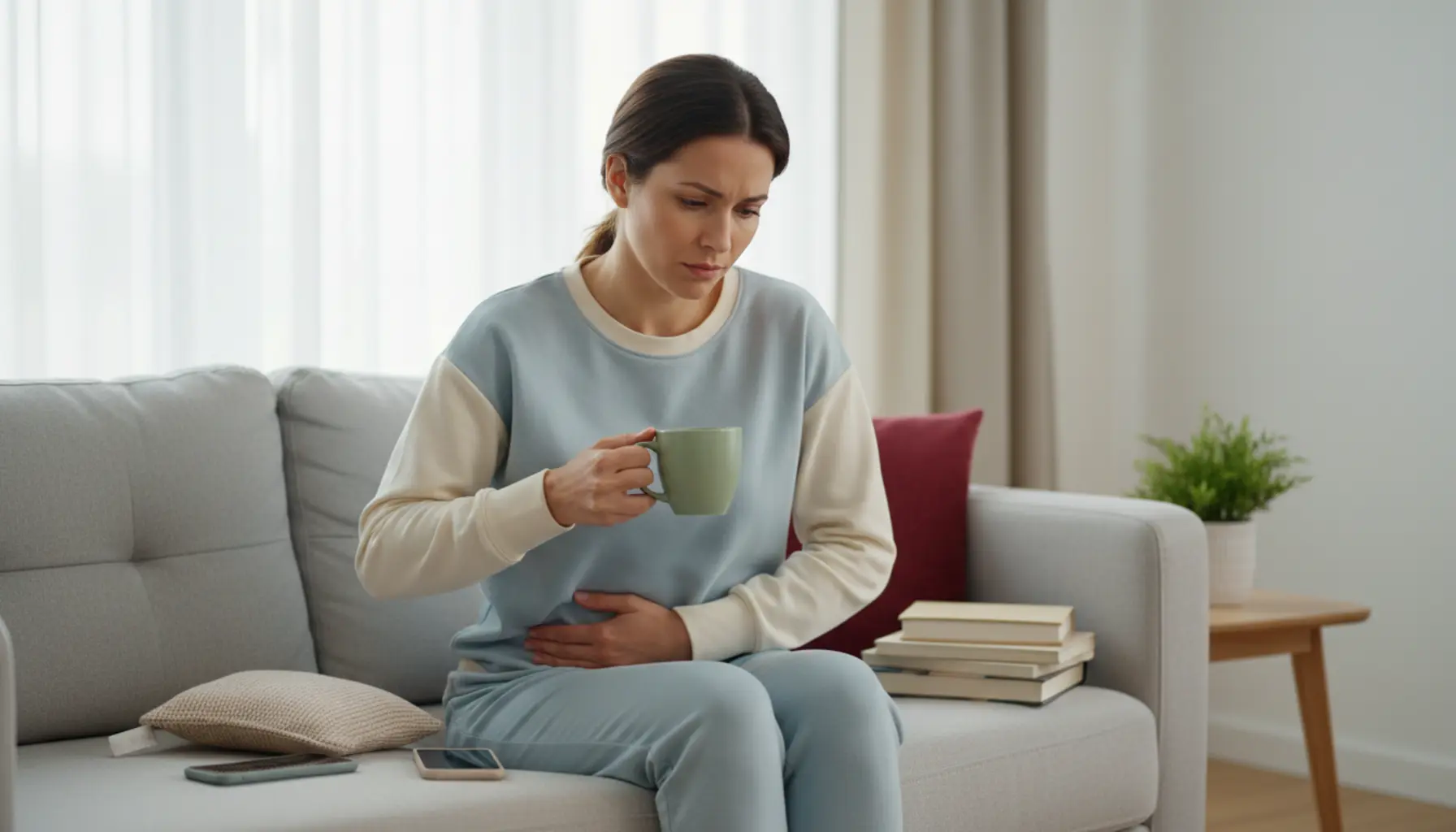
Endometriosis is a chronic disease that significantly affects the daily life and health of women. Awareness of the symptoms and effective treatment of endometriosis allows for minimizing pain and improving mental comfort. It is also crucial to use professional medical support and an interdisciplinary approach to therapy.
Table of Contents
- What is Endometriosis?
- Symptoms of Endometriosis — What to Look Out For?
- Diagnosis of Endometriosis: Where to Seek Help?
- Effective Methods of Treating Endometriosis
- Daily Life with Endometriosis: How to Manage?
- Support and Benefits of Professional Help
What is Endometriosis?
Endometriosis is a chronic, estrogen-dependent disease in which tissue similar to the endometrium—the mucous membrane that naturally lines the uterus—begins to grow outside its cavity. These endometrial lesions most often appear in the small pelvis: on the ovaries, fallopian tubes, outer surface of the uterus, ligaments supporting the uterus, peritoneum, and also on the bladder or intestines. In rarer cases, the lesions are found in more distant locations, such as the diaphragm, post-surgical scars, and—very rarely—in the lungs. Regardless of location, the key fact is that this tissue responds to the hormonal changes of the menstrual cycle similarly to the endometrium: it grows, sheds, and bleeds. However, the blood and tissue fragments have no way to freely leave the body, leading to chronic inflammation, irritation of surrounding tissues, the formation of adhesions and cysts often filled with thick, brown contents (so-called “chocolate cysts” in the ovaries). Endometriosis is not simply “painful periods” but a complex, systemic disease that can affect not only the reproductive system but also the digestive, urinary, immune systems, and mental health.
This disease affects an estimated 5 to 10% of menstruating individuals of reproductive age, though many specialists believe the real prevalence is higher due to numerous undiagnosed or mistakenly attributed cases as “normal” menstrual issues. Endometriosis most often manifests between ages 20 and 40, but symptoms can start as early as adolescence and may even persist after menopause, especially if hormone replacement therapy is used. Importantly, it is a benign disease in oncological terms (it is not cancer), but it can have a very severe, debilitating clinical course. The mechanisms of endometriosis are not yet fully understood, but scientists have identified several theories. One of the most cited is the theory of retrograde menstruation, which suggests that during menstruation, some blood with endometrial cells flows back through the fallopian tubes into the abdominal cavity, where the tissue implants and begins to grow. However, this does not explain all cases of the disease. Therefore, genetic factors (higher risk if the disease occurs in the mother or sisters), immune disorders (the body does not effectively remove displaced endometrial cells), metaplasia of peritoneal cells (transformation of cells into endometrial tissue under hormonal influence), as well as a complex interplay of environmental factors, lifestyle, and exposure to xenoestrogens are also considered. A characteristic feature of endometriosis is not so much the mere presence of lesions as their hormonal activity and ability to induce chronic pain, inflammation, and tissue scarring. The adhesions formed by chronic inflammation act like “glue,” binding pelvic organs together, restricting their movement and natural function, which can lead to pain during intercourse, defecation, or urination. Endometriosis is also often associated with infertility— it is estimated that up to 30–50% of women who have difficulty conceiving may have endometriosis, which disrupts ovulation, fallopian tube function, or the quality of the pelvic environment, hindering fertilization and embryo implantation. Although the disease is chronic and there is currently no method that guarantees its complete cure, its activity and symptoms can be effectively reduced and controlled with proper treatment, lifestyle changes, psychological and physiotherapeutic support. Understanding that endometriosis is a real, medically justified disease, not an “exaggeration” or “low pain tolerance,” is the first key step to receiving an accurate diagnosis and effective support.
Symptoms of Endometriosis — What to Look Out For?
Symptoms of endometriosis can be very diverse, which is one reason why the disease is often ignored for years or mistaken for other conditions such as irritable bowel syndrome, idiopathic painful periods, or recurring gynecological infections. The most typical warning sign is chronic pelvic pain, which often worsens around menstruation but, in more advanced stages, may persist throughout the cycle. This pain may be described as stabbing, pulling, burning, or distending; it may radiate to the lower back, groin, thighs, or rectal area. Many people notice that their periods become progressively more painful (progressive dysmenorrhea)—so if you experience increasing pain each year and standard painkillers stop working, it’s a significant signal to consult a doctor. Another characteristic symptom is pain during intercourse (dyspareunia), especially with deep penetration. It can be sharp, stabbing, or dull and may last long after intercourse; many people are embarrassed to mention it, thinking “it’s just the way it is,” which delays diagnosis. Other common complaints include painful bowel movements or passing gas, especially during menstruation, the feeling of an urge to defecate without effect, and sometimes the presence of blood or mucus in the stool if endometrial lesions involve the bowels. Similarly, if the urinary tract is involved—there may be pain during urination, increased frequency, or hematuria during menstruation when endometrial sites are located in the bladder or urethra. Also pay attention to irregular vaginal bleeding, very heavy periods with large clots, inter-ovulatory spotting, or premenstrual spotting; while not specific to endometriosis, combined with other symptoms, these may indicate the correct cause. Gastrointestinal symptoms such as bloating, a “balloon” feeling, alternating constipation and diarrhea, fullness after a small meal, or abdominal pain after eating often send sufferers to gastroenterologists first. However, if you observe a clear worsening of these symptoms in the second half of the cycle or during menstruation, be sure to also report this to your gynecologist.
Endometriosis is not just about pain symptoms but also subtle signs associated with chronic inflammation and hormonal imbalance, which are easily missed. Chronic fatigue, disproportionate to daily demands, frequent feelings of “exhaustion” even after a full night’s sleep, lower stress tolerance, concentration difficulties (“brain fog“), or mood swings can accompany the disease for years. Many people develop anxiety and depressive symptoms—not only in response to pain and functional limitations but also due to persistent inflammation and hormonal imbalance. One significant signal is difficulty getting pregnant or recurrent miscarriages. Endometriosis may cause adhesions and damage anatomical structures in the pelvis, making conception harder, but this is not a rule—a portion of people with advanced disease have no pain symptoms and only discover endometriosis during infertility evaluation. Conversely, prominent pain does not always equal severe disease on imaging—therefore, the subjective experience of pain should never be ignored. Particularly noteworthy is how symptoms impact daily functioning: do you have to take sick leave from work or school due to periods, do you forgo physical activities, social meetings, or intercourse out of fear of pain, do you plan your life “around your cycle”? If the answer is “yes,” that’s a clear sign your symptoms go beyond what can be considered “physiological” menstrual pain. In teenagers, alarming signals include very painful periods from the first cycles, frequent fainting, vomiting, diarrhea during bleeding, or inability to function normally at school or in sports. Remember that the clinical presentation of endometriosis is very individual—in one person, pain may be dominant, in another, gut symptoms, for another, fertility difficulties, and sometimes the disease may be almost asymptomatic. The key is to observe your own body, keep cycle notes (e.g., with an app or calendar), and pay attention to the recurrence and intensity of symptoms at different cycle stages, as this cyclical pattern often provides a key diagnostic clue.
Diagnosis of Endometriosis: Where to Seek Help?
Although awareness of endometriosis is growing, the road to diagnosis is still often long and frustrating—many people hear for years that this is “normal,” “periods are supposed to hurt,” or that symptoms are “in your head.” Yet, the first and most important step is to take your symptoms seriously and consciously seek out a specialist knowledgeable about endometriosis. In practice, diagnostics usually begin with a gynecologist—ideally one experienced in working with patients suffering from chronic pelvic pain. It is worth preparing before the visit: write down symptoms (type of pain, location, severity, triggers and relief factors), length and intensity of cycle, fertility information, previous procedures, and medications. Keeping a symptom journal for 2–3 cycles can greatly help the doctor make an initial diagnosis. During the visit, the doctor will conduct a detailed interview and gynecological examination and very often a transvaginal ultrasound (for those who have had intercourse; for younger people—a transabdominal or transrectal ultrasound). This examination helps detect, among others, endometrial cysts on the ovaries (endometrioid cysts), larger lesions, and adhesions. However, it is key to remember that a normal ultrasound does not exclude endometriosis—especially deeply infiltrating endometriosis (DIE) or small peritoneal foci. Therefore, it’s essential that the examination is performed by someone experienced in endometriosis imaging, preferably at a center specializing in the disease. Sometimes, the doctor may order additional tests, such as a pelvic MRI (especially if intestinal, bladder, or rectovaginal septum involvement is suspected), blood tests (e.g., CA-125 marker, which may be elevated but is not specific), urine tests, or stool tests if there are urinary or gastrointestinal symptoms. The ultimate “gold standard” in diagnosing endometriosis remains diagnostic-therapeutic laparoscopy, during which a gynecological surgeon can view pelvic organs directly and take tissue biopsies or immediately remove visible lesions. The decision for laparoscopy should be well-considered—it is a surgical procedure done under general anesthesia, so it is primarily considered when symptoms are significant, conservative treatment fails, or there are diagnostic uncertainties.
In practice, you can seek help through both public and private healthcare. The first contact is often a family physician or general practitioner, who—if the symptoms are taken seriously—should issue a referral to a gynecologist or pain treatment clinic. At this stage, it is important to clearly communicate that the pain is severe, chronic, and interferes with daily life (e.g., work, study, physical activity). Next, look for a gynecologist with a known interest or specialty in endometriosis—this information can be found in clinic doctors’ descriptions, in support groups for people with endometriosis, foundations, patients’ associations, or on disease-dedicated portals. More and more cities have specialized endometriosis centers or at least gynecological clinics more focused on diagnosing and treating the disease; in such places gynecologists work together with surgeons, gastroenterologists, urologists, anesthetists (pain specialists), urogynecological physiotherapists, and psychologists. This is especially important when symptoms affect not just gynecology but also the intestines, bladder, spine, or mental health. Second opinions are important—if you feel your symptoms are being dismissed, it’s worth consulting another doctor, preferably at a different center. Wanting to make sure that the proposed treatment is truly optimal is not “demanding.” In cases of severe pain, acute symptoms (e.g., sudden, very severe abdominal pain, vomiting, problems urinating or passing stool, gastrointestinal bleeding), or suspected cyst rupture—visit the emergency gynecology unit or ER. Also, seek informal support—patient groups, forums, foundations—but treat these as supplements, not replacements, for professional medical care. Well-moderated patient organizations often keep lists of recommended specialists, publish current guidelines, and explain which tests are available under the health system and which are private. Being proactive and informed—asking questions, requesting explanations, collecting medical documents, writing down recommendations—helps shorten the time to proper diagnosis and better prepares you for subsequent treatment decisions.

Effective Methods of Treating Endometriosis
Treatment of endometriosis is always individualized and should consider severity of symptoms, lesion location, age, plans for motherhood, and overall health. The goal of therapy is not simply to “remove the lesions,” but primarily to control pain, halt disease progression, improve quality of life, and—for those who desire—support fertility. In practice, several major strategies are used: pharmacological treatment (hormonal and analgesic), surgical treatment, a “watchful waiting” approach for mild symptoms, and broadly understood supportive treatment. Well-conducted therapy usually combines various methods to achieve the greatest improvement with the fewest side effects. It is crucial to understand that endometriosis is chronic—the aim is not always “cure” in the sense of total removal of the disease, but long-term control of its activity. The basis of modern treatment is hormonal therapy, which aims to reduce the impact of estrogen on endometrial lesions. Options include combined oral contraceptives (usually continuous, without bleeding breaks to minimize hormonal fluctuations and pain), progestogens in tablets, injections, or intrauterine hormonal devices, and, in special cases, GnRH analogues, which induce a state similar to menopause. The effectiveness of these methods in relieving pain and reducing disease activity is well documented, although they may have side effects, such as mood swings, intermenstrual spotting, decreased libido, or “pseudomenopause” symptoms with stronger treatments. Therefore, drug and dosage selection should always be in dialogue with your doctor, considering your preferences and lifestyle. For some patients, especially those very sensitive to hormones, it is necessary to test several preparations before finding the optimum. Regardless of causal treatment, pain management is extremely important for daily functioning—nonsteroidal anti-inflammatory drugs (NSAIDs), paracetamol, and in selected severe cases, stronger drugs, sometimes antidepressants or anticonvulsants modulating pain transmission are used. It’s worth having a realistic pain management plan with your doctor: what medications to use as needed, what for preventing expected symptom flares, in what dose and for how long to avoid both undertreating pain and medication overuse. Effective pain control is not a “luxury,” but vital for secondary prevention—chronic pain can lead to changes in the nervous system, increasing sensitivity to stimuli and worsening outcomes.
The second pillar of therapy is surgery, most often performed laparoscopically, to remove (excise) or destroy endometrial lesions, release adhesions, and treat endometrial (“chocolate”) cysts, restoring pelvic anatomy as closely as possible to normal. Surgery can significantly reduce pain and improve fertility chances, especially in moderate and advanced endometriosis, but is not risk-free and offers no “once and for all” guarantees. Therefore, current guidelines emphasize that surgery should be well planned (ideally in specialized endometriosis centers) and usually combined with ongoing hormonal treatment to reduce recurrence risk. Particular caution applies to ovarian cysts—overly aggressive procedures can lower ovarian reserve, which matters for those planning pregnancy. Contemporary recommendations favor the most conservative surgical techniques and cooperation with infertility specialists to choose the best timing for surgery or assisted reproduction procedures (IUI, IVF). In selected situations, with very severe disease and no desire for pregnancy, more radical procedures such as removing the uterus and ovaries may be considered, but this is a last resort only after all less invasive options. Alongside core medical methods, supportive therapy and lifestyle modification play an increasing role; while they do not replace hormonal therapy or surgery, they can markedly improve quality of life. Urogynecological physiotherapy and work on pelvic floor muscle tension help reduce pain during intercourse, menstruation, or bowel movements, as well as compensatory tensions in the spine and hips. Relaxation techniques, cognitive-behavioral therapy, mindfulness, or working with a psychologist experienced in chronic pain support help cope with pain anxiety, feelings of injustice, and burnout. Some report improvements after introducing a personalized anti-inflammatory diet, working on gut microbiome, regulating sleep, and moderate physical activity—it’s important, however, to approach these methods critically, avoid trendy restrictive diets without professional supervision, and not abandon medical treatment independently. Increasingly, interdisciplinary care models, where gynecologist, gastroenterologist, physiotherapist, psychologist, and, if needed, pain management specialist collaborate, provide more comprehensive rather than piecemeal support. Knowing that endometriosis treatment is a process that can be modified over time depending on symptoms, life plans, or medication tolerance allows for more control and realistic, not idealistic, therapy expectations.
Daily Life with Endometriosis: How to Manage?
Life with endometriosis rarely means just “taking painkillers.” This is a disease that permeates every aspect of everyday life: work, family life, intimate relationships, physical activity, and even the way you plan your day. In practice, this means learning to manage energy, pain, and symptom unpredictability—instead of “pretending everything is normal.” Introducing conscious planning of the week can be helpful: identifying the cycle days when the strongest pain or fatigue usually appears, and scheduling less important tasks for that period. Treat this not as giving in to the disease but as part of a life strategy—just as an athlete plans training around competitions, someone with endometriosis plans tasks around their health state. Healthy, regular meals and good hydration can reduce energy fluctuations and affect pain levels; it’s not about restrictive diets, but about avoiding extremes (e.g., long breaks between meals, excess refined sugar, highly processed food). Some people find relief by limiting alcohol, caffeine, very fatty foods, and foods that increase bloating (e.g., certain legumes or carbonated drinks), which may aggravate gastrointestinal symptoms. Observe how your body reacts to specific products, keeping a simple food and symptom diary—this allows you to identify individual reactions and avoid unnecessary restrictions. An important element of disease management is also sleep hygiene: regular sleep and wake times, reducing screen time before bed, calming techniques (e.g., short meditation, diaphragmatic breathing) help the body regenerate and cope better with both pain and chronic fatigue.
Physical activity with endometriosis often requires rethinking previous habits: it’s not about athletic achievement, but being an ally against pain and tension. Instead of sudden, intense workouts, it’s better to move gently and regularly—walking, yoga, pilates, swimming, or stretching. Exercises that strengthen the deep and pelvic floor muscles (under the supervision of a urogynecological physiotherapist) can reduce pain, improve posture, relieve tension, and facilitate everyday activities such as sitting at a desk or carrying groceries. It’s important to listen to your body’s signals and adapt your activity plan depending on your cycle—in days of severe pain, gentler movement; in better days, slightly more intense exercise. Similarly, at work or school, making small ergonomic adjustments can help: frequent, short breaks to move, the possibility of hybrid work, adjusting your chair and desk, and, on days of severe pain, taking sick leave or working remotely when possible. Open, appropriate communication is crucial: with your employer, teachers, partner, and loved ones. Naming the disease, explaining its chronic nature and impact on everyday life, reduces the risk of misunderstandings (being accused of “laziness” or “excuses”) and increases your sense of security. In intimate relationships, endometriosis can mean painful intercourse, decreased libido, fear of pain, or feelings of guilt—so it’s essential to speak about your limits and seek forms of closeness that do not worsen symptoms. Support from a sexologist or therapist may be helpful to help couples develop a fulfilling and safe intimacy model. Take care of your mental health as well: chronic diseases cause emotional exhaustion, low mood, anxiety about the future and fertility, so individual therapy, support groups, and education for your partner and family can be helpful. Stress reduction techniques—mindfulness, muscle relaxation, breathwork, keeping a mood journal—do not “cure” the disease itself but can reduce perceived pain and improve quality of life. Learning to manage daily life with endometriosis is a process that involves giving yourself permission to rest, ask for help, be flexible in planning, and adjust expectations, so that functioning is as satisfactory as possible despite the limitations imposed by the disease.
Support and Benefits of Professional Help
Professional help for endometriosis is much more than just prescribing painkillers or hormones—it’s a comprehensive system of medical, psychological, and social support that can significantly ease daily challenges for patients. The gynecologist plays a key role, ideally experienced in managing endometriosis and chronic pelvic pain, who can not only make the diagnosis but also plan a long-term treatment strategy considering age, symptom severity, comorbidities, and pregnancy plans. Such a specialist can select pharmacotherapy, plan possible surgery, and refer to other experts—such as a urogynecological physiotherapist, dietitian, psychologist, sexologist, or pain management specialist. Thanks to this, care stops being fragmented and becomes a coherent process with clear goals: reducing pain, improving quality of life, supporting fertility, and limiting disease progression. For many, contact with a specialist is also the first moment they hear that their pain is real and justified, which can itself bring great relief after years of having their symptoms dismissed by others. Professional help also means access to modern diagnostic methods—high-quality ultrasounds, MRI, and, if necessary, laparoscopies performed at centers experienced in endometriosis surgery. This reduces the risk of diagnostic errors, unnecessary procedures, or insufficient removal of lesions, translating into a lower risk of recurrence and complications. The attending physician can also modify treatment on an ongoing basis in response to changing symptoms, instead of applying generic approaches which do not consider individual needs.
Professional support, however, goes beyond the gynecologist’s office. A urogynecological physiotherapist helps work on chronic pelvic floor and soft tissue tension, which often perpetuates pain and causes additional symptoms such as painful intercourse, urinary urgency, or constipation. An individual plan involving manual therapy, relaxation and breathing exercises, and healthy habits (e.g., during toileting, lifting, or physical activity) can noticeably reduce pain intensity and improve daily comfort. A clinical dietitian familiar with inflammatory and hormonal disorders can help develop nutritional strategies that support inflammation reduction, energy stabilization, weight management, and alleviate bowel symptoms. Including appropriate fiber, healthy fats, anti-inflammatory foods (such as vegetables, fruit, whole grains, sea fish), while reducing excess sugar, alcohol, or highly processed foods, becomes for many the foundation of long-term relief. Equally important is psychological support—a psychologist or therapist helps with anxiety, low mood, frustration, a sense of injustice, or loss of agency, all commonly associated with chronic illness. Therapy may involve learning relaxation techniques, working with beliefs about the body and disease, strengthening self-esteem, working on partner relationships and communication with others. Participation in therapy groups or professionally moderated support groups, where experiences can be shared with others with endometriosis in a safe, empathetic environment, is also advantageous. Finally, professional help includes access to legal and social information: a doctor or social worker can suggest how to apply for sick leave, benefits, disability status, or workplace accommodations to better fit health limitations. Organizing these formalities reduces feelings of chaos and helplessness, enabling focus on treatment. The sum of all these forms of support is a greater sense of security, better control over the disease, and real improvement in quality of life—even if endometriosis remains a chronic condition, you can learn to function in a way as friendly as possible for both body and mind.
Summary
Endometriosis is a chronic disease affecting many women around the world. The key to managing it effectively is early recognition of symptoms and proper diagnosis, which allows for the implementation of an appropriate treatment plan. Thanks to pharmacotherapy and, if necessary, surgical procedures, symptoms can be relieved, and quality of life improved. It is also important to prepare for everyday challenges and use the support of specialists, which can significantly impact the comfort of life for patients struggling with this disease. Professional advice and modern treatment methods are the hallmark of comprehensive care for women with endometriosis.