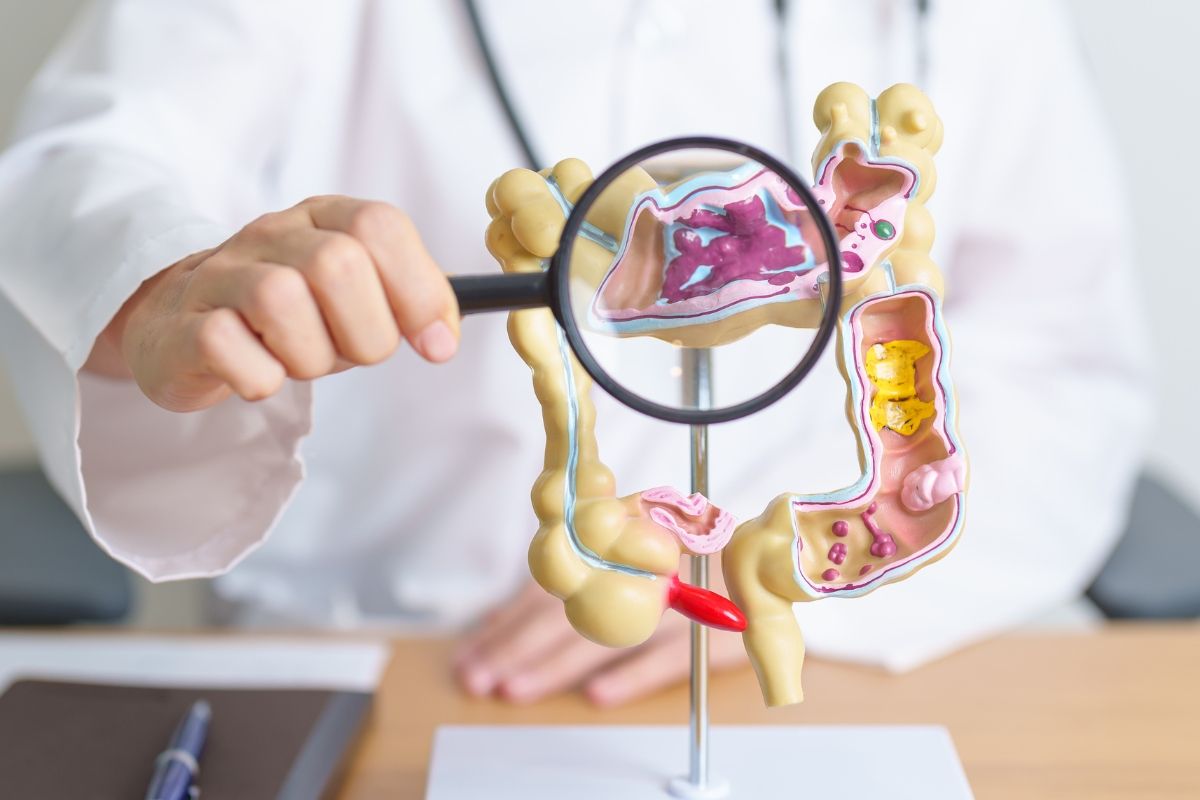
Discover the symptoms, causes, and treatment methods for IBS. Learn how diet and lifestyle help alleviate the symptoms of irritable bowel syndrome.
Table of Contents
- What is Irritable Bowel Syndrome (IBS)?
- Most Common Symptoms of IBS – How to Recognize Them?
- Causes of Irritable Bowel Syndrome
- IBS Diagnosis – The Key to Proper Treatment
- IBS Treatment: Pharmacological and Non-Pharmacological Methods
- Diet and Lifestyle for Alleviating IBS Symptoms
What is Irritable Bowel Syndrome (IBS)?
Irritable Bowel Syndrome (IBS) is a chronic functional disorder of the digestive tract, primarily affecting the large intestine. IBS is one of the most common functional diseases of the digestive system, estimated to affect 10 to even 20% of the adult population worldwide, especially younger individuals and women. Although IBS does not cause lasting damage to internal organs and does not increase the risk of developing serious gastrointestinal diseases, such as cancers or inflammatory bowel disease, it significantly affects the patient’s quality of life by causing bothersome symptoms and limiting daily activity. The key feature of IBS is the long-term occurrence of recurring gastrointestinal symptoms such as abdominal pain, bloating, irregular bowel habits (diarrhea, constipation, or alternating between the two), and sometimes chronic abdominal discomfort or a feeling of incomplete evacuation. All of these symptoms develop without any identifiable organic or biochemical cause, distinguishable via standard diagnostic tests – setting IBS apart from other gastrointestinal diseases, such as ulcerative colitis or Crohn’s disease.
The pathogenesis of irritable bowel syndrome is significantly influenced by functional disturbances of the intestines, neuro-muscular hyperreactivity, dysfunctions in the gut–brain axis, and psychological factors, such as stress, depression, or chronic emotional strain. Studies have shown that IBS patients have visceral hypersensitivity, meaning excessive nervous system response to gut stimuli, which may intensify the perception of pain and discomfort even with minor changes in gastrointestinal function. Disruptions in the gut microbiota, food intolerances, past gastrointestinal infections, and abnormal smooth muscle contractions are additional factors that can contribute to the development and exacerbation of IBS. Irritable bowel syndrome has a diverse clinical picture, so diagnosis is mainly based on the so-called Rome criteria, which consider the duration and nature of symptoms while excluding other organic causes. There are several IBS subtypes: constipation-predominant (IBS-C), diarrhea-predominant (IBS-D), mixed (IBS-M), and unclassified (IBS-U), which are important for selecting appropriate management and therapy. IBS is diagnosed mainly based on a thorough medical interview, observation of characteristic symptoms, and, if necessary, tests to rule out other conditions such as celiac disease, food intolerances, infections, or inflammatory states of the intestines. IBS is a chronic, wavering disease – symptoms may worsen or remit depending on lifestyle, diet, stress level, or other individual factors. Despite extensive research, no single, specific cause of IBS has been identified, and as such, therapeutic strategies focus on individualized dietary adjustments, pharmacotherapy, psychological support, and lifestyle modifications.
Most Common Symptoms of IBS – How to Recognize Them?
Irritable bowel syndrome (IBS) is characterized by a set of chronic gastrointestinal symptoms of varying intensity that may change over time. The most frequently reported symptom is abdominal pain, most often in the lower abdomen. This pain is often cramp-like, intensifies after meals, and usually subsides or lessens after defecation. For some patients, the pain can be persistent, lasting several hours, while for others, it appears suddenly and disappears just as quickly. Basic symptoms also include a change in bowel habits – both diarrhea (loose, watery stools, often sudden and with an urgent need to use the toilet) and constipation (hard stools, feeling of incomplete evacuation, difficulty passing stools). Typically, IBS is also characterized by frequent changes in stool consistency and appearance over a short period. Many patients experience alternating episodes of constipation and diarrhea. Additional accompanying issues are bloating, a sensation of excessive fullness and abdominal distention, and gas, all of which can seriously impact daily comfort.
In addition to the intestinal symptoms listed, IBS also causes a number of extra-intestinal complaints that may be mistakenly interpreted as symptoms of other diseases. Patients may experience fatigue, general physical weakness, and sometimes even headaches or sleep disturbances. Notably, these symptoms intensify with stress, anxiety, or strong emotions, which distinguishes IBS from many other gastrointestinal diseases. Another feature of IBS is the absence of “alarm” symptoms such as rectal bleeding, weight loss, anemia, or fever – their presence indicates the need for urgent diagnosis of other conditions. Diagnosis of IBS is thus based mainly on a detailed medical history, evaluating the frequency and nature of abdominal pain, and the type of bowel disturbances. Using the Rome IV criteria, a doctor confirms the diagnosis if symptoms persist for at least 3 months and are present at least one day per week. Careful self-observation and documentation (e.g., keeping a symptom diary) help accurately identify irritable bowel syndrome and differentiate it from other digestive system pathologies.
Causes of Irritable Bowel Syndrome
The causes of irritable bowel syndrome (IBS) remain not fully understood, resulting from its complex and multifactorial pathogenesis. Contemporary research shows that IBS is the result of interactions between biological, psychological, and environmental factors, which together lead to dysfunction in the gut-brain axis. Genetic factors play a key role – family predisposition and certain gene variants may increase the susceptibility to this condition, although no single gene responsible has been identified. Disturbances in gastrointestinal motility are also significant – people with IBS exhibit excessive reactivity and contractility of the intestines to stimuli, resulting in abnormal movement of food content, and subsequently, abdominal pain, bloating, and irregular bowel movements. At the same time, IBS patients present visceral hypersensitivity, i.e., a lowered threshold for perceiving pain stimuli and abnormal nervous system reactions to natural gastrointestinal processes. This may include disturbances in the processing of nervous signals both within the digestive tract and centrally in the brain, related to pain and emotion processing.
Psychological and environmental influences are significant factors in the development of IBS. In many patients, symptoms worsen during periods of increased stress, anxiety, or depression, indicating a strong connection between psychological disorders and the gut-brain axis. Stress can alter digestive system functions both directly through stress hormones and indirectly by disrupting gut microbiota, motility, and neurotransmitter secretion. Moreover, gastrointestinal infections and antibiotic therapies often trigger some IBS cases, especially when post-infection so-called post-infectious IBS develops; changes in the gut microbiota composition and diversity may keep symptoms going for months. Sensitivity to certain dietary components, such as fermentable oligosaccharides, disaccharides, monosaccharides, and polyols (commonly known as FODMAPs), can also exacerbate symptoms. Importantly, a risk factor includes an improper diet, rich in highly processed foods, low in fiber, and high in fats or preservatives – all of which promote functional disturbances of the gut. Other causes include chronic intestinal inflammation, hormonal abnormalities (especially in women during menstruation), prior abdominal injuries or surgeries, and social and cultural factors that affect the perception and response to disease symptoms. All these elements make diagnosing IBS difficult and require a holistic approach accounting for both biological and psychosocial factors.

IBS Diagnosis – The Key to Proper Treatment
Effective diagnosis of irritable bowel syndrome (IBS) is vital for choosing the right treatment and improving the patient’s quality of life. Because IBS symptoms are non-specific and overlap with other gastrointestinal conditions, the diagnostic process requires particular attention and a comprehensive approach. The main diagnostic tool is the Rome IV criteria, indicating the presence of abdominal pain occurring on average at least one day per week for the last three months, combined with other symptoms such as change in bowel frequency or stool consistency. Additionally, physicians must exclude “alarm” symptoms such as weight loss, gastrointestinal bleeding, anemia, low-grade fever, or signs of inflammation in lab tests, which could suggest more serious conditions like inflammatory bowel diseases, cancers, or celiac disease. A thorough medical interview and analysis of the patient’s disease history, focusing on symptom changes, worsening factors, and co-existing mental disorders, are critical. In clinical practice, diagnosis of IBS does not usually require specialized laboratory tests if there are no worrying symptoms, although basic blood tests, morphology, CRP level assessments, or celiac disease serological testing are often performed to rule out other causes. In patients over 50 years old or with risk factors, ultrasound (USG) is recommended, particularly if unexpected intestinal complaints arise.
Both the physician’s subjective assessment and patient engagement in monitoring symptoms play an important role in the diagnostic process. Keeping a food diary and documenting complaints, circumstances of their appearance, or reactions to certain foods allows easier identification of likely triggers and classification of the IBS subtype (constipation-, diarrhea-, or mixed-dominant), guiding further treatment strategy. Increasing importance is also placed on assessing psychosocial factors such as stress, anxiety, or depression, since these can significantly intensify the course of the disease. Modern guidelines emphasize the doctor–patient relationship and health education to enhance treatment effectiveness and minimize unnecessary interventions. IBS diagnosis is not just about excluding other organic diseases, but also precisely identifying individual patient needs, enabling personalized therapy. In some cases, especially with risk factors or unclear test results, the doctor may choose additional imaging, such as abdominal ultrasound, sigmoidoscopy, or tests for food intolerances. The latest research shows that increasing priority is given to avoiding excessive diagnostics and therapies that will not benefit the patient, focusing instead on improving the comfort and quality of life for people dealing with IBS.
IBS Treatment: Pharmacological and Non-Pharmacological Methods
Treating irritable bowel syndrome (IBS) requires an individualized, multi-faceted approach, including both pharmacological and non-pharmacological methods. Therapy should be tailored to the dominant symptoms and IBS subtype, making close cooperation between patient, gastroenterologist, and, where needed, a psychologist or dietitian crucial. Pharmacological treatment focuses on alleviating the most bothersome symptoms, such as abdominal pain, diarrhea, or constipation. For diarrhea-predominant IBS (IBS-D), anti-diarrheal medications such as loperamide are used to help control bowel movements and reduce diarrhea frequency. When constipation dominates (IBS-C), laxatives, most often those containing soluble fiber or sometimes macrogol, are used. Antispasmodics (such as drotaverine, mebeverine) are used to relieve cramps and abdominal pain, while in cases of increased visceral sensitivity or severe pain, short-term neuromodulating antidepressants (especially tricyclics or selective serotonin reuptake inhibitors) are considered. Pharmacological therapy is selected individually, considering efficacy, safety, and co-existing conditions. Increasing attention is paid to modern preparations such as drugs modulating the intestinal flora or rifaximin (an antibiotic that works almost exclusively within the intestines), which can be successfully used in some patients with bloating and diarrhea symptoms. Probiotics are also an important supplement to therapy, supporting bowel function and reducing low-grade inflammation when the strain and dose are matched appropriately.
Alongside pharmacotherapy, it is vital to introduce non-pharmacological treatment methods, which often lead to significant improvement in IBS symptoms and quality of life. The most important is introducing an individually tailored diet, with a focus on eliminating foods that worsen symptoms; increasing evidence supports the effectiveness of the low FODMAP diet – involving limitation of fermentable oligosaccharides, disaccharides, monosaccharides, and polyols. People with IBS should also monitor fiber intake (preferring soluble fiber) and avoid excessive alcohol, caffeine, and highly processed foods. Working with a dietitian allows for safe meal planning and prevention of nutritional deficits. Apart from nutrition, techniques for coping with stress and psychological support are crucial: cognitive-behavioral therapy, relaxation therapy, mindfulness training, or biofeedback provide tangible benefits, especially in those whose symptoms are aggravated by stress and mental tension. Regular physical activity, suited to the patient’s capability, supports proper peristalsis and enhances general well-being. Some patients benefit from self-help groups, where sharing experiences and coping strategies is possible. Innovative methods, such as hypnotherapy or integrative medicine interventions, can serve as valuable additions for patients with chronic, persistent symptoms. This comprehensive, multidimensional approach – combining pharmacotherapy, dietary interventions, psychological support, and lifestyle modification – is currently the most effective strategy for treating irritable bowel syndrome, significantly improving daily comfort and well-being.
Diet and Lifestyle for Alleviating IBS Symptoms
Diet and lifestyle play a crucial role in alleviating symptoms of irritable bowel syndrome, as these are factors that the patient can actually control daily. One of the best-studied and most frequently recommended dietary models is the low-FODMAP diet. FODMAPs are fermentable oligosaccharides, disaccharides, monosaccharides, and polyols, which can cause bloating, gas, and abdominal pain in people with IBS. The low-FODMAP diet involves restricting these ingredients for usually 4-6 weeks, then gradually reintroducing them under a dietitian’s supervision to identify individual tolerances. Foods high in FODMAPs include wheat, onions, garlic, apples, milk, and legumes. However, it’s important that self-guided eliminations do not impoverish the diet – a specialist’s support helps avoid nutritional deficiencies. Besides FODMAP control, regular meals and avoiding sudden, large, fatty dishes are crucial. Fiber intake should be individualized – for constipation-predominant IBS, soluble fiber sources (e.g., flaxseed, oats) are beneficial, while with predominant diarrhea, fiber should often be reduced. Fizzy drinks, alcohol, caffeine, and spicy spices can aggravate symptoms, so limiting their intake or monitoring the body’s reaction after consumption is advisable. There is also growing discussion about the benefits of supplementing the diet with probiotics, which beneficially modulate gut microbiota, though the choice of strains for IBS should be consulted with a doctor or dietitian.
Besides diet, lifestyle modifications are invaluable in symptom relief. One of the most important factors is effective stress management, since strong stress and emotional tension significantly impact the intestinal nervous system and can aggravate IBS symptoms. Regular exercise, such as brisk walking, yoga, swimming, or cycling, improves intestinal peristalsis, reduces psychological symptoms, and supports overall health. Adequate sleep is also essential — sleep disturbances worsen gut symptoms, so consistent bedtime and avoiding blue light exposure before sleep are recommended. Many patients benefit from relaxation techniques such as meditation, breathing exercises, or autogenic training. It’s also key to keep a symptom diary, recording meals and stressful situations – enabling better recognition of individual triggers and modification of daily habits. Collaboration with a dietitian, psychologist, or support group helps develop effective IBS management strategies. In conclusion, the effectiveness of relieving IBS symptoms largely depends on knowledge, observation, and systematically implemented small changes in diet and lifestyle, all of which enhance daily comfort.
Summary
Irritable bowel syndrome (IBS) is a chronic disease of the digestive tract that manifests as, among others, abdominal pain, bloating, diarrhea, or constipation. It is crucial to recognize typical symptoms and identify potential causes to improve patients’ quality of life. Proper diagnosis enables effective forms of treatment – from pharmacotherapy, dietary modifications, to changes in lifestyle. A balanced diet and regular physical activity significantly support alleviating the unpleasant symptoms of IBS. Thanks to a comprehensive approach, symptoms can be effectively managed and daily well-being improved.