Learn everything about lung cancer: discover its causes, symptoms, diagnostic methods, treatment, and patient support. A practical online guide.
Table of Contents
- What is lung cancer? Basic information and types
- Most common causes of lung cancer and risk factors
- Lung cancer symptoms – what to look out for?
- Lung cancer diagnostics – modern detection methods
- Lung cancer treatment – available therapies and prognosis
- Nutritional and psychological support for patients with lung cancer
What is lung cancer? Basic information and types
Lung cancer is a malignant tumour that develops in lung tissues and is one of the most commonly diagnosed cancers both in Poland and worldwide. It is characterised by uncontrolled growth of bronchial epithelial cells, alveolar cells, or their surroundings, leading to the formation of a cancerous tumour. This disease can develop for a long time without clear symptoms, which unfortunately contributes to late diagnosis and lowers the chances of effective treatment. Lung cancer is mainly associated with exposure to tobacco smoke – it is estimated that over 80% of cases are directly related to cigarette smoking. However, other factors such as exposure to radon, asbestos, air pollution, chronic lung diseases, or genetic predispositions can also play a significant role in the development of this cancer.
There are several main types of lung cancer, which differ significantly in clinical course, prognosis, and treatment options. The most important classification is based on the microscopic structure of cancer cells and divides lung cancer into two main groups: small cell lung cancer (SCLC) and non-small cell lung cancer (NSCLC). SCLC accounts for about 15–20% of cases and is characterised by rapid growth and a high tendency to early metastasis, usually requiring aggressive chemo- and radiotherapy. NSCLC, which makes up 80–85% of diagnosed cases, is further sub-divided into adenocarcinoma (the most common type, especially in non-smokers), squamous cell carcinoma (common among smokers), and large cell carcinoma. Each of these forms differs in location within the lung, prognosis, and treatment sensitivity. Knowing the cancer type is crucial for selecting the right therapy and assessing the chances of cure or slowing disease progression, which is why detailed histopathological classification is performed during diagnosis. While modern therapies enable increasingly effective treatment even for advanced forms of lung cancer, it remains a disease with high mortality, highlighting the need for prevention and early detection.
Most common causes of lung cancer and risk factors
The most important and by far the most common risk factor for developing lung cancer is tobacco smoking. It is estimated that about 85–90% of lung cancer cases are directly linked to long-term smoking of cigarettes, cigars, or pipes. Every inhalation of tobacco smoke introduces hundreds of carcinogenic substances into the body, damaging the DNA of respiratory epithelial cells, leading to mutations and uncontrolled division of cancer cells. It is important to note that the risk increases proportionally with the number of cigarettes smoked and the duration of the addiction. People who smoke from an early age are at higher risk than those who started as adults, and even after quitting, former smokers retain a higher risk level than those who have never smoked. However, non-smokers are also at risk, especially those regularly exposed to secondhand smoke, which also significantly increases the likelihood of lung cancer.
Besides tobacco, environmental and occupational factors are frequently cited among the causes of lung cancer. Inhalation of radioactive radon gas, which can accumulate in poorly ventilated buildings, is a major risk factor, especially in areas with naturally high radon levels. Exposure to asbestos – once used in construction and industry – also significantly increases lung cancer risk, particularly in people who also smoke, as both factors act synergistically. Environmental factors also include air pollution, in urban settings (smog, suspended particulates PM2.5 and PM10) and workplaces (exposure to chemicals, soot, e.g. in the metallurgical or transport industries). Genetic predisposition cannot be ignored either – people with a family history of lung cancer are more at risk, even if they have never smoked. Other contributing factors include existing chronic lung diseases such as chronic obstructive pulmonary disease (COPD), pulmonary fibrosis, or a history of previous oncology treatment within the chest area. In recent years, increasing attention has been paid to the interaction between environmental and genetic factors and the role of lifestyle – insufficient physical activity, a diet low in fruits and vegetables, and recurrent respiratory tract infections can all indirectly increase susceptibility to carcinogens. All these factors should be considered both for individual prevention and when planning broader public health measures to reduce lung cancer incidence.
Lung cancer symptoms – what to look out for?
Lung cancer symptoms are often overlooked in the early stages, which significantly impedes timely diagnosis and reduces the chance of effective treatment. Most complaints appear when the tumour has grown larger or spreads to neighbouring tissues, so being aware of potential symptoms – even seemingly non-specific ones – is vital. The most common symptoms include a persistent cough, change in the nature of a chronic cough (especially in smokers), shortness of breath or wheezing, which can resemble respiratory infections but do not subside despite antibiotics or cough medicines. If you have a persistent cough, increasing hoarseness, or notice blood in your sputum (hemoptysis), you should consult a doctor as soon as possible – this is a warning sign for lung cancer, especially if accompanied by rapid fatigue, unexplained chest or shoulder pain (mainly during deep breathing or coughing). These may result from the tumour infiltrating nearby structures such as the pleura, bronchi, or nerves, leading to shortness of breath, recurring lung inflammations (recurring pneumonia and bronchitis), and atelectasis – collapse of a section of the lung due to bronchial obstruction by the tumour.
Apart from respiratory symptoms, lung cancer can manifest with systemic or atypical symptoms that can be misleading for both patients and doctors. These include chronic fatigue, weakness, loss of appetite, and as a result, unintended weight loss often exceeding 10 percent within a few months, which should raise diagnostic alertness. Patients may sometimes report bone pain (especially if metastases have spread to the bones), as well as headaches or neurological symptoms if the central nervous system is involved. Some types of lung cancer may also cause paraneoplastic syndromes, that is, symptoms resulting from cancer cell secretion of specific substances, leading to disorders such as calcium metabolism disturbances, hormonal changes (Cushing’s syndrome, SIADH), or skin changes. It’s important to remember that the course and dynamics of lung cancer symptoms can vary greatly and depend on both the tumour’s location and the individual body’s reaction. In older individuals, chronic smokers, or those with other respiratory illnesses, early lung cancer symptoms can easily be mistaken for COPD or viral/bacterial infections. It is crucial not to underestimate recurring or prolonged symptoms, no matter how harmless they may seem, and not to delay medical consultation. Proper interpretation of symptoms, especially in high-risk individuals, can save lives through early diagnosis and treatment.
Lung cancer diagnostics – modern detection methods
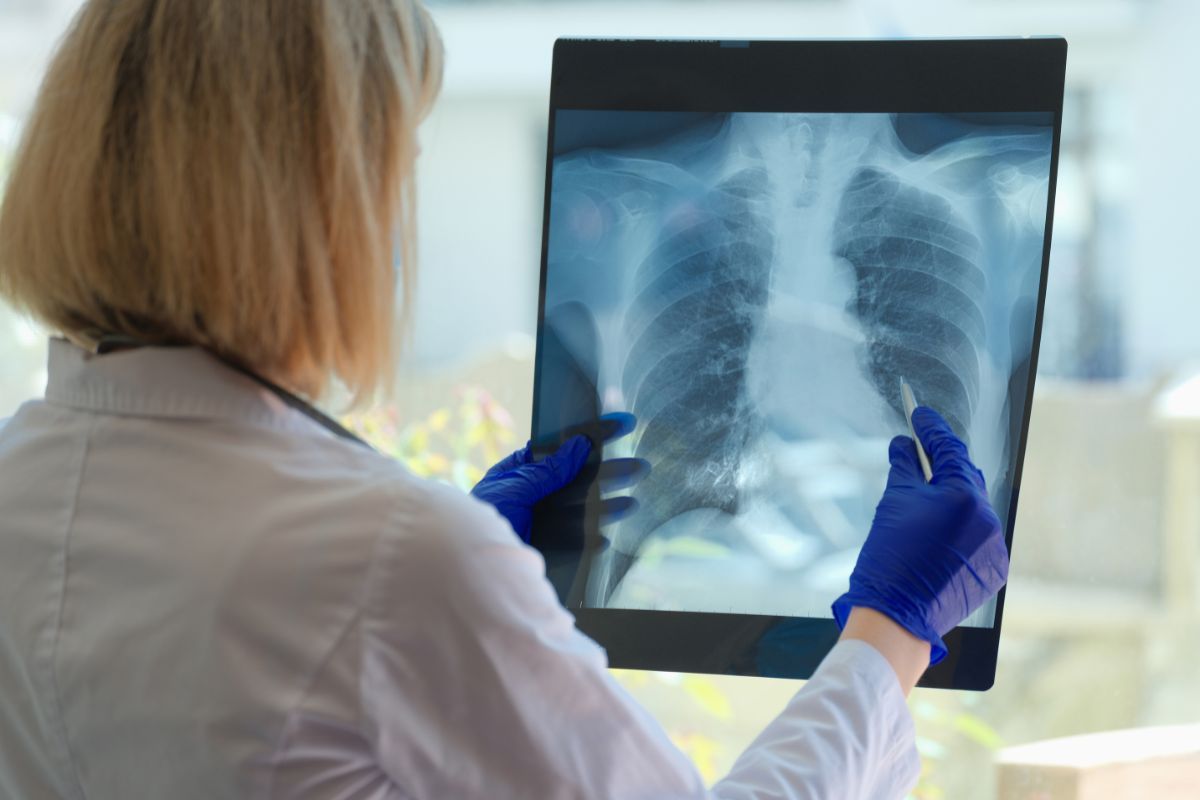
Lung cancer diagnostics is a complex, multi-stage process that enables detection of the disease, assessment of its advancement, and selection of the most effective treatment methods. Early diagnosis is crucial, as it greatly increases the chance of sustained cancer remission or prolonged survival. The diagnostic process usually starts with an interview and basic imaging tests, particularly for patients at risk or showing suggestive symptoms. The most common screening tool is low-dose computed tomography (LDCT) of the chest, which has much higher sensitivity than a standard chest X-ray and enables the detection of even very small cancerous changes. LDCT screening is especially recommended for people over 50 with a significant history of smoking. If abnormalities are found, diagnostics continue with more precise, advanced tests like standard computed tomography (CT), magnetic resonance imaging (MRI) for assessing possible brain spread, or positron emission tomography (PET-CT), which pinpoints cancer foci throughout the body and assesses cancer stage. The next step is obtaining tissue samples, essential for confirming diagnosis and determining the type of lung cancer. The most commonly used method is bronchoscopy – an endoscopic examination of the airways during which tissue is collected for histopathological testing. For peripheral lesions, fine-needle biopsy under ultrasound (ultrasound) or CT guidance can be used. Besides traditional biopsies, modern techniques such as liquid biopsy, based on analysing tumour DNA circulating in the blood, are playing an increasingly important role for non-invasive genetic testing and targeted therapy selection.
The development of molecular medicine and advanced diagnostic technologies has radically changed the prospects and possibilities for treating lung cancer. Modern laboratories offer a wide spectrum of genetic, immunohistochemical, and molecular tests, enabling the identification of mutations in genes such as EGFR, ALK, ROS1, or PD-L1. The results of these tests are crucial when qualifying for innovative targeted therapies and immunotherapies that extend and improve quality of life. Increasingly, advanced imaging methods such as magnetic resonance spectroscopy or analysis of biomarkers in exhaled air are used, which could in the future enable even earlier detection of lung cancer. Interdisciplinary team cooperation – between pulmonologists, oncologists, radiologists, pathologists, and geneticists – is essential in modern diagnostics. This allows comprehensive assessment of the patient’s condition and optimal treatment path tailored to the disease’s specific features. Furthermore, clinical decision support systems based on artificial intelligence, which analyse clinical and imaging data and recommend likely diagnoses and next steps to doctors, are increasingly being implemented. These innovations are steadily improving lung cancer detection rates and the effectiveness of therapies tailored to the individual tumor profile. It should be emphasized that availability and the choice of diagnostic methods depend largely on the disease stage, tumour location, and general patient health, and decisions about their use are always made after thorough analysis by the treating physicians team.
Lung cancer treatment – available therapies and prognosis
Lung cancer treatment is one of the most complex therapeutic processes in contemporary oncology and is strictly dependent on the tumour’s histopathological type, stage (clinical stage), presence of metastases, the general health of the patient, and any existing comorbidities. There are two main therapeutic approaches in clinical practice: radical treatment, aiming for a full cure (especially in early stages), and palliative treatment, aimed at prolonging life, improving its quality, and relieving symptoms in advanced cases. For non-small cell lung cancer (NSCLC), which accounts for about 85% of all cases, surgery is the cornerstone of treatment in stages I and II – lung or lobe resection preceded by detailed operability assessment. If surgery is not possible due to advanced cancer or contraindications, radiotherapy or systemic treatment is required. In stage III, combined treatment is often used: concurrent chemoradiotherapy and increasingly targeted therapies and immunotherapies. Small cell lung cancer (SCLC), due to its aggressive nature and rapid spread, requires different strategies – systemic treatments predominate, such as chemotherapy (most commonly platinum-based regimens with etoposide) and radiotherapy. Immunotherapy, which activates the patient’s own immune system to fight cancer cells, has become a revolutionary solution for advanced NSCLC, particularly in patients with specific mutations (e.g. PD-L1 on tumour cells). Targeted therapies are also becoming increasingly important – specialist drugs that block altered proteins or signaling pathways in cancer cells, especially when molecular analysis of the tumor shows specific gene mutations (like EGFR, ALK, ROS1, BRAF). They allow for individualized treatment, often providing good results with less toxicity than standard chemotherapy.
The choice of treatment method depends on many factors, but advances in medicine have been systematically increasing survival rates and disease control, particularly for patients diagnosed at an early stage. Despite this, prognosis depends on how advanced the cancer is when diagnosed and the patient’s general health. For about 20–25% of patients eligible for radical surgery, 5-year survival may reach 50–60%. Unfortunately, most cases (over 70%) are detected at late stages when the tumour is already locally advanced or has spread distantly, which dramatically worsens the prognosis – 5-year survival in such situations drops to a few percent or low teens. Although systemic treatments like chemotherapy, immunotherapy, and targeted therapies extend life and relieve symptoms, they rarely lead to complete remission in advanced cases. Supportive care – symptom management for dyspnoea, pain, nutritional issues, depression, and palliative care – is also crucial. For some patients, programs monitoring genetic mutations and tailoring therapy to the molecular profile of the tumor (personalised oncology) are increasingly used. It’s also worth noting that active clinical research is regularly providing new therapeutic opportunities, gradually improving prognosis even for those with disseminated disease. Ultimately, individualized medical management and interdisciplinary cooperation between specialists are key for maximizing treatment effectiveness and improving quality of life for lung cancer patients.
Nutritional and psychological support for patients with lung cancer
Receiving a lung cancer diagnosis is a major shock for most people, and treatment of the condition, regardless of the therapy employed, is associated with numerous physical and psychological challenges. Appropriate nutritional and psychological support becomes an integral part of comprehensive patient care. During oncology treatment, the body is subjected to considerable strain – chemotherapy, radiotherapy, or surgery can result in side effects such as nausea, loss of appetite, taste disturbances, diarrhoea, or constipation. Fatigue, cachexia (cancer-related wasting), or rapid weight loss affect up to half of lung cancer patients, significantly worsening prognosis, lowering therapy tolerance, and decreasing quality of life. Proper intervention by an oncology dietitian is necessary from the moment the disease is diagnosed – the specialist assesses nutritional status, muscle mass, and develops an individualised eating plan considering health status, accompanying symptoms, and patient preferences. The diet should be high-energy, rich in valuable protein (fish, eggs, poultry, dairy), healthy fats (vegetable oils, avocado, nuts), and vegetables and fruits for essential vitamins and minerals. In situations with severe symptoms, medical nutrition may be considered – oral nutritional supplements, or in extreme cases, enteral or parenteral nutrition under medical supervision. It is also important to tailor meals to individual needs, such as providing smaller, more frequent servings, and serving food in liquid or semi-liquid form and avoiding foods that irritate the digestive tract.
In addition to physical aspects, psychological support is of tremendous importance and plays a key role in coping with the disease, improving quality of life, and maintaining motivation for treatment. Lung cancer is often associated with anxiety, depression, feelings of guilt especially among smokers, decreased self-esteem, and loneliness. Contact with a psycho-oncologist, clinical psychologist, or therapist helps not just in coping with difficult emotions, but also in constructive conversation about fears, hopes, and expectations. Regular psychological support can counteract depression, anxiety disorders, or mental crises, reduce stress related to therapy, and improve cooperation between patient and the medical team. An individual approach to patient needs is crucial, as is facilitating participation in group therapy for patients with similar experiences and involving loved ones in the psychotherapy process. Emotional support from family, friends, or support groups gives a sense of belonging and understanding, strengthens mental resilience, and helps cope with everyday challenges both during intensive treatment and in rehabilitation or long-term disease control. As part of palliative care, particular emphasis is placed on minimizing physical and mental suffering, preparing the patient and their family for each stage, and ensuring a sense of security. Holistic support also includes patient and family education, teaching stress-coping strategies, relaxation techniques, and guidance on patient rights and social/formal aspects related to treatment. Integrating nutritional and psychological support at every stage of lung cancer treatment increases the effectiveness of therapy, improves patient wellbeing, and boosts their resilience in facing the disease.
Summary
Lung cancer is a serious disease whose effective treatment depends on early diagnosis and appropriate therapy. In this article, we have covered the most important aspects of causes and risk factors, symptoms, diagnostic course, and modern methods of lung cancer treatment. We have also pointed out the significance of proper nutritional and psychological support, which can help patients improve their quality of life during treatment. Responding quickly to the first symptoms and making use of available medical resources increases your chances of successful recovery. Remember – prevention and regular check-ups are crucial in the fight against lung cancer.