
How to support thyroid health with proper supplementation, and when is pharmacotherapy necessary? Check the influence of key micronutrients: iodine, selenium, and zinc, as well as natural dietary strategies in the prevention and treatment of thyroid disorders.
Table of Contents
- The Role of Iodine in Thyroid Health
- Why Supplement Selenium
- Zinc and Its Importance for the Thyroid
- Natural Support for the Thyroid
- Supplementation in Hypothyroidism
- Caution: When Supplements Are Not Enough
The Role of Iodine in Thyroid Health
Iodine is a crucial micronutrient for the proper functioning of the thyroid gland, as it is the fundamental “building block” of thyroid hormones – thyroxine (T4) and triiodothyronine (T3). Each molecule of T4 contains four atoms of iodine, and T3 contains three. Therefore, even minor but chronic deficiencies of this element quickly affect thyroid function and the whole body. Thyroid hormones regulate the metabolic rate, energy management, body temperature, heart function, brain, muscles, influence fertility, and support neurodevelopment in the fetus and young children. In practice, chronic iodine deficiency may lead to thyroid enlargement (goiter), hypothyroidism, concentration problems, chronic fatigue, weight issues, and—among women—increased risk of pregnancy complications. On a population scale, iodine deficiency is one of the most common preventable causes of intellectual disability in children, which is why the World Health Organization recommends the universal iodization of table salt as a simple and effective way to prevent deficits. In Poland, table salt is routinely iodized, which has significantly reduced the incidence of severe deficiencies. However, some people—especially those who avoid salt for health reasons, follow vegan diets, or live far from the sea—may still experience mild to moderate iodine deficits. Natural dietary sources of iodine are primarily marine fish (cod, pollock, salmon), seafood, dairy products, eggs, and the aforementioned iodized salt. Some also use seaweed (e.g., kelp), but their iodine content is very high and unstable, which poses the risk of both deficiency and excess. For thyroid health, balance is crucial: both lack and chronic excess of iodine can disrupt gland function, accelerate the onset of latent autoimmune diseases (e.g., Hashimoto’s or Graves’ disease), or aggravate existing problems. The mechanism is complex – a sudden increase in iodine intake can initially inhibit hormone production (the so-called Wolff–Chaikoff effect), and in immunologically predisposed people, alter the structure of thyroglobulin and promote its recognition as a “foreign” protein by the immune system, increasing the production of anti-thyroid antibodies.
The decision to introduce an iodine supplement should always consider current dietary intake, health status, laboratory results (including TSH, fT4, fT3, anti-TPO and anti-TG antibodies, thyroid ultrasound), and any ongoing pharmacological treatment, so it is worth discussing with a doctor or clinical dietitian. In people with normal thyroid function and a balanced diet, regular consumption of natural iodine sources and moderate use of iodized salt is usually sufficient, particularly as cardiology guidelines recommend limiting sodium. In contrast, the need for iodine increases in women who are planning pregnancy, are pregnant, or breastfeeding (guidelines often up to 200–250 µg daily). In their case, doctors often recommend special prenatal preparations with a precisely defined dose of iodine; however, one should not combine multiple sources simultaneously (e.g., an extra iodine supplement along with multivitamin pregnancy formulas), as the total amount may exceed the safe level. For those diagnosed with Hashimoto’s disease or other autoimmune thyroid diseases, excessive iodine supplementation—especially at high doses, reaching several hundred micrograms per day or more—may increase inflammation and accelerate thyroid tissue destruction. Therefore, in this group, it is often advised to avoid extra doses unless a clear deficiency has been found. It is essential to pay attention to the iodine content in ready-made “thyroid” preparations and multi-ingredient supplements—sometimes, a person in treatment for an autoimmune disease unknowingly takes several iodine-containing products at once. Safe, approximate daily iodine intake for adults, according to most recommendations, is about 150 µg, and the upper safe limit for a healthy person is about 600–1100 µg per day (depending on the source and country), while in thyroid diseases the individual tolerance threshold may be much lower. Symptoms of excessive iodine intake may include sudden weight fluctuations, palpitations, anxiety, irritability, excessive sweating, feeling hot, diarrhea, and neck pain or discomfort; long-term excess may be associated with hyperthyroidism or, conversely, transient hypothyroidism. Therefore, iodine supplementation should always be deliberate, preferably preceded by an analysis of lifestyle (frequency of fish, dairy, iodized salt, seaweed consumption), medications (e.g., amiodarone, which is high in iodine), and any contraindications. A responsible approach—neither avoiding it blindly nor taking high doses without medical indication—is one of the most important ways to support thyroid health through diet and supplementation.
Why Supplement Selenium
Selenium is a trace element that plays a crucial role in proper thyroid function, and its importance is often underestimated compared to iodine. It is essential for the activity of enzymes called deiodinases, which convert inactive thyroxine (T4) into active triiodothyronine (T3)—the form of thyroid hormone most influential in metabolism, energy, thermoregulation, and mood. Without a sufficient amount of selenium, this conversion can be impaired, leading to symptoms that mimic hypothyroidism even when T4 levels remain normal in laboratory results. Additionally, selenium is a component of glutathione peroxidases—powerful antioxidant enzymes that neutralize free radicals formed in the thyroid during hormone production. The gland is particularly sensitive to oxidative stress because it naturally works in “high metabolic pressure” conditions; lack of proper antioxidant protection can exacerbate local inflammation, accelerate cellular damage, and promote the development of autoimmune diseases. Studies indicate that selenium deficiency is more common with Hashimoto’s and Graves’ disease, and for some patients, supplementation may reduce the inflammatory activity of the autoimmune process. Selenium also affects the body’s immune status overall, regulating lymphocyte function, cytokine production, and the balance between pro- and anti-inflammatory responses—all of which are significant in autoimmune thyroid disorders.
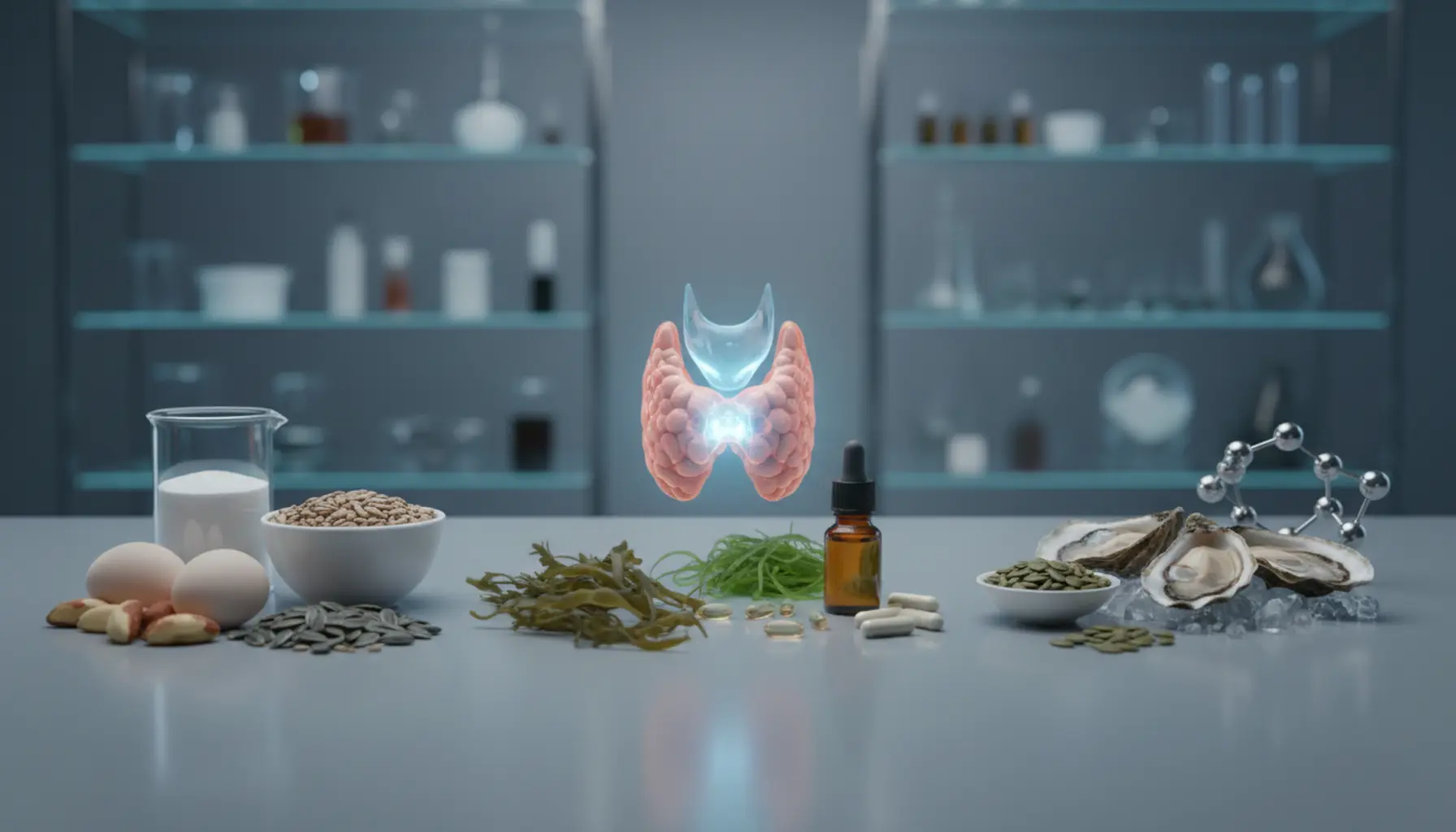
It is worth considering selenium supplementation because its content in food is highly variable and mainly depends on the selenium content in the soil where plants grow or where feed is sourced for animals. In many parts of Europe, including much of Poland, soils are not rich in selenium, resulting in lower selenium content in plant and animal products. In theory, good sources include fish, eggs, meat, offal, and Brazil nuts, but in practice, consumption of these products is irregular; on plant-based, weight-loss, or reduced-meat and fish diets, deficiency risk is even higher. For this reason, supplementation with moderate doses (usually 50–200 µg daily, most often as highly absorbable selenomethionine or selenium-enriched yeast) is frequently recommended for people with diagnosed thyroid conditions or those at risk, such as pregnant and postpartum women. Among those planning a pregnancy or in the first trimester, adequate selenium may reduce the risk of postpartum thyroiditis and limit the rise in anti-thyroid antibodies, which is especially important for Hashimoto’s patients. At the same time, selenium has a narrow “safety window”—both deficiency and excess can be harmful. Chronic intakes above about 400 µg per day may lead to selenosis, manifesting as brittle hair and nails, metallic taste, gastrointestinal disturbances, or dermatological problems. Therefore, supplementation should not be started blindly; it is advisable to test (e.g., serum selenium, thyroid hormones, anti-TPO, and anti-TG antibodies) and consult a doctor or clinical dietitian, who will evaluate the necessity, dose, and duration of supplementation. Selenium also shows potential benefits in the context of conventional therapy—in some patients with Graves’ disease, it may support therapy with antithyroid drugs, improving well-being and reducing hyperthyroid symptoms. In subclinical hypothyroidism, it can help stabilize thyroid parameters before pharmacological treatment becomes necessary. All of this makes properly selected selenium supplementation, under specialist supervision and combined with a well-balanced diet, an important element of prevention and therapy support for thyroid dysfunction.
Zinc and Its Importance for the Thyroid
Zinc is one of the essential micronutrients that quietly, yet very effectively, support the proper functioning of the thyroid. It acts as a cofactor for many enzymes involved in the synthesis and conversion of thyroid hormones and also affects the regulation of the hypothalamic–pituitary–thyroid axis (HPT). Without enough zinc, the conversion of thyroxine (T4) into active triiodothyronine (T3) may be impaired, resulting in lower metabolism, chronic fatigue, concentration problems, mood fluctuations, and increased susceptibility to weight gain. Importantly, zinc deficiency can simultaneously exacerbate hypothyroid symptoms and be a consequence of them – slowed metabolism and impaired nutrient absorption caused by abnormal thyroid hormone levels promote further deficiencies, creating a vicious cycle. Zinc is also involved in regulating the expression of genes responsible for producing receptors for thyroid hormones in target tissues, meaning that it influences not only hormone levels in the blood but also how efficiently they are used by the body. From an immunological perspective, zinc is essential for the proper function of T and B lymphocytes, controls cytokine production, and helps maintain the balance between immune response and tolerance. In autoimmune thyroid diseases, such as Hashimoto’s or Graves’ disease, adequate zinc status may limit excessive immune system activation and mitigate the inflammatory process, though zinc itself is not a causal treatment. Practically, people with hypothyroidism often exhibit symptoms that overlap with zinc deficiency: hair loss, brittle nails, dry skin, increased susceptibility to infections, diminished taste and smell, or impaired wound healing. In such cases, consider serum zinc testing in diagnosis, while recognizing that it does not always accurately reflect intracellular status—clinical assessment and dietary analysis are equally essential. Groups at particular risk for zinc deficiency include those on vegan or severely restricted animal product diets, patients with gastrointestinal issues (e.g., celiac disease, Crohn’s disease), those with insulin resistance and obesity, pregnant women, and individuals under chronic stress, which increases the consumption of many micronutrients, including zinc. From a nutritional standpoint, the best sources of zinc are red meat, organ meats, eggs, seafood (especially oysters), aged cheeses, whole grain cereals, pumpkin seeds, sesame, nuts, and legumes. On a plant-based diet, zinc bioavailability is lower due to phytic acid, which limits its absorption, so those avoiding meat more often require thoughtful supplementation or the use of culinary techniques to boost availability (soaking, sprouting, fermenting).
Zinc supplementation for thyroid health should be carefully planned based on overall health, test results, diet, and the simultaneous use of other preparations, especially iron, calcium, or thyroid hormones. Typical doses in supplements usually range from 10 to 25 mg of elemental zinc daily and are generally sufficient to correct mild to moderate deficiencies; higher doses (up to 40 mg) may be medically recommended short-term for diagnosed deficiencies. Long-term intake above 40 mg daily is not safe without medical indication – it may reduce copper levels, cause lipid metabolism disorders, gastrointestinal issues, and weaken immunity. Regarding the thyroid, it is especially important that an excess of one micronutrient (e.g., zinc) can disrupt the balance of other related elements, such as copper or iron, which also influence hormonal balance. Pay attention to the chemical form of zinc – well-absorbed forms include citrate, picolinate, gluconate, and amino acid chelates, while zinc oxide generally has poorer bioavailability. For best tolerance, supplements should be taken after meals to reduce nausea risk, and not combined simultaneously with iron, calcium, or a high-protein shake, as these can limit absorption. Patients with hypothyroidism taking levothyroxine should leave at least 4 hours between the hormone tablet and zinc supplement, as with other minerals that reduce medication bioavailability. For autoimmune thyroid conditions, zinc is often combined with selenium and vitamin D for comprehensive immune support—this combination can be synergistic if doses are individually tailored. Observational studies show that correcting a zinc deficiency may improve lipid profiles, increase metabolic rate, and in some cases mildly reduce TSH values, though it does not replace pharmacological treatment in overt hypothyroidism. In women planning pregnancy and during pregnancy, zinc, along with iodine and selenium, is important for both proper fetal development and stable maternal thyroid function; in these situations, always coordinate supplementation with your doctor to avoid both deficiencies and potential excess. Those with chronic diseases on multiple medications should consult an endocrinologist or clinical dietitian before starting zinc, who can assess the real need, select the appropriate dose and form, and schedule intake so as not to interfere with the absorption of thyroid and other essential drugs.
Natural Support for the Thyroid
Natural thyroid support is based primarily on a well-balanced diet, a lifestyle conducive to hormonal balance, and caring for the immune system and gut. The thyroid is extremely sensitive to nutrient deficiencies, chronic stress, inflammation, and even sleep disturbances, so prevention cannot be limited to supplements alone. Regular intake of high-quality protein (marine fish, eggs, lean meat, legumes) is key because the amino acid tyrosine is a building block for thyroid hormones. In practice, extremely low-protein, one-sided, or highly processed diets may hinder T3 and T4 production even if iodine intake is sufficient. Sources of healthy fats are equally crucial—especially omega-3 fatty acids present in fatty marine fish (salmon, mackerel, herring), flaxseed, chia seeds, and walnuts—as they have anti-inflammatory properties and may indirectly reduce inflammation associated with autoimmune thyroid disease. A diet rich in vegetables, especially colorful ones (bell pepper, carrots, beets, pumpkin) and berries (blueberries, raspberries, blackberries), provides antioxidants (vitamins C, E, polyphenols) that protect thyroid tissue from oxidative stress, which is exacerbated by infections, environmental toxins, or smoking. Vitamin D, iron, B-vitamins, and magnesium also play vital roles in thyroid health—all of which participate in hormone production, nerve transmission, and immune regulation. People with Hashimoto’s often have vitamin D and iron deficiencies, intensifying fatigue and low mood; for them, natural support includes more sun exposure (with safety precautions), eating fatty fish, eggs, green leafy vegetables, beets, and—if necessary—targeted supplementation after laboratory tests. Increasing attention is paid to the gut-brain axis: disturbed gut microbiota and leaky gut may increase the risk of autoimmune responses, so a diet supporting healthy flora (fermented dairy, pickles, fiber-rich vegetables like root crops, oats, psyllium) and occasional probiotics can indirectly benefit thyroid function. It’s also worth moderating so-called goitrogens—compounds in raw cabbage, cauliflower, broccoli, Brussels sprouts, and soy, which in very high quantities may hinder iodine incorporation into thyroid hormones, especially when iodine deficiency already exists. This doesn’t mean giving up these valuable vegetables, but rather cooking them (which greatly reduces goitrogen content) and keeping the diet varied. Another often overlooked pillar of natural support is limiting highly processed products, excess sugar, and trans fats, which contribute to inflammation, insulin resistance, and weight gain—problems commonly coexisting with hypothyroidism and insulin resistance.
Key to thyroid health are lifestyle habits affecting the hypothalamic–pituitary–thyroid axis and immune balance. Chronic stress leads to consistently elevated cortisol levels, which can disturb thyroid hormone secretion and T4 to T3 conversion, and intensify autoimmune reactions, e.g., in Hashimoto’s. Natural support includes regular stress reduction techniques like mindfulness, breathing exercises, yoga, tai chi, outdoor walks, or other forms of relaxing activity suited to personal preference. Sleep matters: too short or irregular sleep lowers thyroid hormone sensitivity in tissues and disrupts appetite regulation, promoting weight gain. Aim for 7–9 hours of sleep, maintain good sleep hygiene (limit evening blue light, keep consistent sleep schedules, air out the bedroom), as simple yet effective strategies for hormonal balance. Regular, moderate physical activity is another prevention pillar—increasing insulin sensitivity, boosting metabolic rate, muscle mass, and mood, which matters when hypothyroidism is accompanied by low energy or depression. Combine aerobic exercise (walking, Nordic walking, cycling, swimming) with gentle resistance training, tailored to how you feel and any ongoing medical therapy, to avoid overloading the body—especially if hypothyroidism is poorly controlled. Also important is conscious management of exposure to endocrine disruptors found in some plastics, pesticides, cosmetics, and cleaning products. Minimizing exposure—using glass containers instead of plastic, choosing simple-ingredient cosmetics, washing fruit and vegetables, filtering water—are small steps that reduce the accumulation of toxins that may indirectly affect the thyroid. For many people, supporting the thyroid naturally also means introducing a moderate, regular meal schedule, stabilizing glucose levels, and reducing energy fluctuations, often mistaken for thyroid symptoms themselves. For some patients with autoimmune diseases, temporary removal of gluten or dairy may be beneficial if sensitivity is suspected—such decisions should always be made with a dietitian or doctor to avoid deficiencies. In practice, comprehensive natural thyroid support means daily care for a nourishing diet, healthy sleep, stress management, moderate activity, and a reduction in exposure to pro-inflammatory factors—providing the body the conditions needed for correct production and action of thyroid hormones.
Supplementation in Hypothyroidism
Hypothyroidism is a condition where the gland produces too few thyroid hormones, which leads to, among others, slowed metabolism, weight gain, feeling cold, chronic fatigue, dry skin, or concentration problems. The primary treatment is usually pharmacotherapy (most often levothyroxine – synthetic T4), but properly selected supplementation may support medication, relieve symptoms, and improve well-being, provided it is managed consciously and under specialist supervision. The key principle is not to treat supplements as a replacement for thyroid drugs—in people with overt hypothyroidism confirmed by tests (high TSH, low FT4), supplements alone are usually insufficient to normalize hormone balance. In hypothyroidism—especially autoimmune (Hashimoto’s)—deficiencies of several micronutrients often occur together. Besides iodine, selenium, and zinc, these include: vitamin D, iron, vitamin B12, omega-3 fatty acids, and magnesium. Vitamin D, which is commonly deficient in Poland, modulates the immune system and may affect autoimmune disease course—supplementation is typically indicated with 25(OH)D values below 30 ng/ml, at doses tailored to test results (for adults, often 1000–4000 IU daily, though sometimes different doses are prescribed by the doctor). Iron is essential for thyroid peroxidase enzyme activity and hormone production; iron deficiency, especially in women with heavy menstruation, can exacerbate hypothyroid symptoms and hinder hormonal balance. It’s important to check ferritin, not just a full blood count, as low ferritin with “normal” hemoglobin may already indicate depleted stores. Iron supplements require caution—excess can fuel oxidative stress, and supplements should be taken at least four hours apart from levothyroxine to avoid absorption interference.
Vitamin B12 and folic acid (B9) are important for proper nervous system function and methylation. Deficiency may intensify fatigue, brain fog, and low mood, common with hypothyroidism. Vegans, people with celiac disease, SIBO, or other gut diseases have especially high risk of B12 deficiency, so measure B12 and possibly homocysteine, choosing supplementation (e.g., methylcobalamin, cyanocobalamin) with a specialist. Omega-3s (EPA and DHA) from marine fish or supplements (fish oil, algae oil for vegans) have anti-inflammatory effects, especially useful in autoimmune hypothyroidism; typical doses are 500–1000 mg EPA+DHA daily, with higher doses sometimes used for severe inflammation under a doctor’s advice. Magnesium supports the nervous system, reduces tension, and improves sleep quality, which are often disturbed in hypothyroidism, and also participates in hundreds of energy metabolism reactions. Supplementation (e.g., citrate, lactate, magnesium diglycinate) may be beneficial for muscle cramps, anxiety, sleep issues, but should be adapted to kidney function and overall health. Gut support is another key element—probiotics and prebiotics don’t act directly on the thyroid, but improving microbiota composition may regulate immunity, nutrient absorption, and overall well-being. It’s often recommended to periodically supplement with diverse strains of Lactobacillus and Bifidobacterium, and increase fiber and fermented foods (pickles), with individual tolerance in mind. Pay attention to interactions—levothyroxine should be taken on an empty stomach, with water, and supplements like iron, calcium, magnesium, some fiber products, or proton pump inhibitors can reduce absorption, so at least four hours is advised between them. Proper supplementation in hypothyroidism means: doing tests (TSH, FT4, FT3, anti-TPO, anti-TG, vitamin D, ferritin, B12, sometimes homocysteine and CRP), identifying real deficiencies, and then introducing specific products in a thoughtful manner, adjusting doses during follow-ups. This personalized, data-driven approach is far more effective than taking random “thyroid complexes” without diagnostics.
Caution: When Supplements Are Not Enough
Dietary supplements may be a valuable aid for the thyroid, but there are many situations where pharmacy or online products alone are completely insufficient and sometimes even dangerous. This is especially true for people already diagnosed with thyroid diseases (e.g., Hashimoto’s, Graves’ disease, thyroid nodules, goiter, hypothyroidism, or hyperthyroidism), as well as pregnant or breastfeeding women and patients with other chronic conditions. If, despite “prophylactic” supplementation, you have persistent symptoms such as constant fatigue, weight gain despite unaltered diet, hair loss, feeling cold, slowing down, menstrual irregularities, infertility, palpitations, anxiety, or excessive sweating—this is a clear signal that laboratory diagnostics are needed, rather than increasing doses of iodine, selenium, or “thyroid complex” products. The key is understanding that thyroid hormones are medications regulated very precisely by the body, and when the gland stops functioning normally, what is often needed is not “extra nutrients,” but the right pharmacotherapy based on TSH, FT4, FT3 test results, and, in case of suspected autoimmune disease, anti-TPO, anti-TG, and TRAb antibodies. Even the best-balanced diet and supplementation cannot “substitute” for thyroid hormone when the glandular tissue is already destroyed (e.g., advanced Hashimoto’s) or overstimulated by autoantibodies, as in Graves’ disease. In such cases, levothyroxine, antithyroid drugs, and sometimes radioactive iodine or surgery are necessary—the decision always lies with an endocrinologist, not with the patient experimenting with supplements. It must also be stressed that some substances in high doses may worsen thyroid disease. For example, excess iodine may trigger or worsen autoimmune thyroiditis in genetically predisposed people, while patients with nodular goiter may develop hyperthyroidism. Likewise, taking large doses of selenium “on your own” may lead to selenosis (headache, metallic taste, hair loss, gastrointestinal upset), and chronic overuse of high-dose zinc disturbs copper and iron management, which in turn affects thyroid and blood function. Herbal blends advertised for “accelerating metabolism,” often containing stimulants, may be extremely dangerous for those with hyperthyroidism or heart arrhythmia, causing severe complications. Therefore, every supplement should be treated as a biologically active agent requiring sensible use and specialist assessment—not as a harmless vitamin.
The limitations of supplements are especially clear in several clinical scenarios requiring pharmacological treatment and regular medical supervision. The first is overt hypothyroidism, confirmed by high TSH and low FT4—in this situation, micronutrient supplementation can only support the body, but cannot restore normal hormone levels; failing or delaying levothyroxine treatment risks permanently slowed metabolism, lipid profile worsening, increased cardiovascular disease risk, fertility problems, and, in extreme cases, even myxedema coma. The second is hyperthyroidism, which is manifested by, among others, weight loss despite increased appetite, hand tremor, palpitations, heat intolerance, diarrhea, or excessive nervousness—here, taking iodine or stimulation herbs on your own may trigger a dangerous flare-up and what is needed are drugs to block thyroid hormone synthesis, beta-blockers for the heart, and sometimes hospitalization. The third important scenario is pregnancy and planning pregnancy: while moderate, appropriate supplementation of iodine or selenium can be preventive, confirmed hypothyroidism or hyperthyroidism during this time must be treated as per endocrinology guidelines, as abnormal hormone levels increase the risk of miscarriage, premature birth, maternal complications, and nervous system defects in the baby. Another signal that supplements are not enough is concerning imaging results, e.g., detection of nodules on thyroid ultrasound—then, the priority is further diagnostics (malignancy risk assessment, fine-needle biopsy, possible surgery), not choosing a mineral cocktail. Finally, in case of severe, persistent general symptoms—such as significant weight loss, very rapid heartbeat, eye bulging, pronounced neck swelling, extreme fatigue, or severely low mood—do not waste time on tried-and-failed online supplements but urgently see a family doctor or endocrinologist, or in a life-threatening situation, even go to the emergency room. Only after stabilizing hormone balance pharmacologically does it make sense to add thoughtful supplementation—based on test results, with doses tailored to the patient, and considering possible drug interactions (e.g., timing levothyroxine separately from iron, calcium, or magnesium). This approach, with supplements as an adjunct to therapy—not as a substitute—is the safest and most beneficial for long-term thyroid and whole-body health.
Summary
Supplementation is one way to support thyroid health. Iodine, selenium, and zinc play a key role in its function. Iodine is essential for thyroid hormone production, selenium protects against oxidative damage, and zinc supports hormone conversion. Even if commonly recommended, it remains important to remember that in more serious disorders, pharmacotherapy may become necessary. Therefore, before starting supplementation, consult a doctor to develop an individualized thyroid health support strategy.