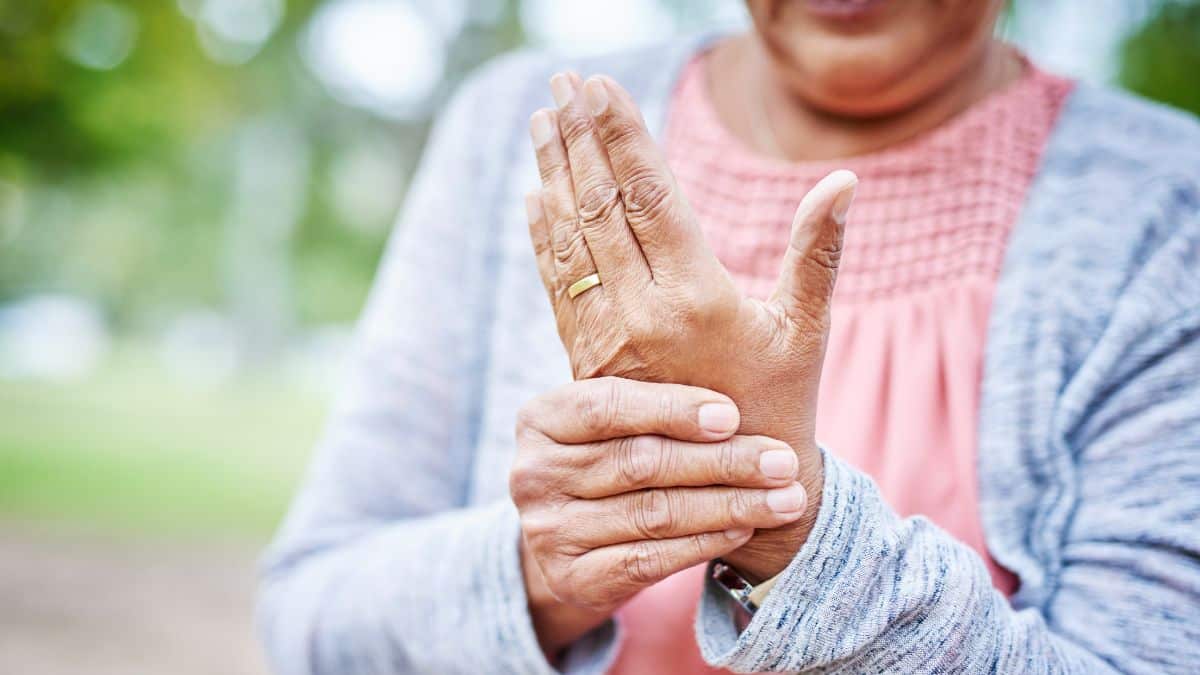
Find out why osteoporosis, the silent thief of bones, remains so dangerous. Discover the symptoms, diagnostic methods, and the best preventative strategies to keep your bones healthy.
Table of Contents
- What is osteoporosis and why is it called the ‘silent thief of bones’?
- Most common symptoms of osteoporosis – what to look for?
- Diagnosis of osteoporosis – key tests and indicators
- Who is at risk? Factors predisposing to osteoporosis
- Prevention and treatment of osteoporosis – effective strategies
- Healthy bones for longer – diet, lifestyle, and supplementation
What is osteoporosis and why is it called the ‘silent thief of bones’?
Osteoporosis is a chronic, progressive disease of the skeletal system, characterized by a gradual loss of bone mass and disruption of the bone microarchitecture, which leads to increased fragility and susceptibility to fractures. Human bone is dynamic tissue, continually undergoing remodeling and resorption; maintaining balance between these processes is crucial for optimal bone mineral density. In osteoporosis, this balance is disturbed—resorption (breakdown) outpaces remodeling, causing the bones to become increasingly thinner, weaker, and more porous. This disease primarily affects women after menopause, but it can also strike men or younger people due to other risk factors, such as certain medications, chronic illnesses, or inappropriate lifestyle choices. Osteoporosis usually develops slowly and insidiously, often presenting no clear symptoms for many years, which is why it is known as the “silent thief of bones.” Changes in bone density and structure occur without pain or typical warning signs, and frequently, the first symptom is a fracture resulting from minor trauma, such as a simple fall from standing height.
The term “silent thief of bones” is no accident—the insidiousness of this disease lies in its capacity to progress unnoticed for years, as the body gives no alarming signals of ongoing bone loss. Patients typically do not feel pain, leg weakness, or other disturbing symptoms until the first serious fracture occurs, most often of the wrist, vertebrae, femoral neck, or ribs. It’s important to know that osteoporotic fractures are not just about acute pain or the need for recovery—they may be the beginning of serious health complications, leading to loss of independence or even contributing to premature death. Fractures of the vertebrae and femoral neck are particularly dangerous, as they can result in chronic pain, worsening posture, limited mobility, and an increased risk of further fractures. Osteoporosis and its complications are major causes of disability among seniors. Risk factors for osteoporosis include advancing age, sex hormone deficiency, insufficient calcium and vitamin D intake, sedentary lifestyle, smoking, excessive alcohol use, and chronic diseases such as rheumatoid arthritis or diabetes. However, with modern diagnostics, health education, and preventive strategies, osteoporotic changes can be detected early and their progression or risk of serious fractures effectively minimized. Although often ignored in its early stages, osteoporosis demands awareness, vigilance, and proactive countermeasures to avoid dramatic consequences for health and quality of life.
Most common symptoms of osteoporosis – what to look for?
Osteoporosis is called the “silent thief of bones” for good reason—it remains almost asymptomatic for many years, so those affected are often unaware of the changes happening in their bodies. The most common and alarming symptom of osteoporosis is a bone fracture that occurs from minor trauma or falls—often in situations that would present no threat to healthy bones. These are known as low-energy or osteoporotic fractures and most often affect the vertebrae, femoral neck, and the radius bone just above the wrist, but may also involve the ribs and other bones. Fractures can even occur during daily activities, such as lifting a heavy object, coughing, or even during trunk twisting. For many, a fracture is the first and only symptom of developing osteoporosis, which is why it is often detected only after serious complications arise. Bone mass depletion is gradual and often irreversible, making early recognition of the subtle body signals crucial.
Other, less obvious symptoms may also point to developing osteoporosis. One is a gradual loss of height—this is usually the result of compression fractures in the vertebrae, which can occur painlessly or with mild and often ignored back discomfort. The sufferer may be unaware of the exact time of fracture, but over time, notices they are “shrinking”—experts say loss of more than 4 cm in height should prompt further diagnostic investigation. This height loss is often accompanied by worsening thoracic kyphosis or so-called “dowager’s hump,” caused by deformation of vertebral bodies. A characteristic rounded posture, stooping, and the head and shoulders jutting forward signify advanced disease, affecting not only appearance but mobility and breathing. Chronic back pain, especially in the thoracic and lumbar areas, worsening with movement or prolonged stillness, can also suggest osteoporotic fractures. This pain is usually described as mild, dull, and persistent, although in some it may be severe and almost immobilizing. Additionally, osteoporosis patients may notice difficulties with movement, gradually worsening mobility and balance, chronic fatigue, and increased susceptibility to further injuries. The disease may also manifest as general weakness, unexplained weight loss, brittle nails, deteriorating dental health, or sometimes subtle tenderness or pain in other skeletal areas. Any of these signs, even if seemingly benign, should prompt a medical visit and proper diagnostics, especially in the elderly, postmenopausal women, or those with other risk factors. Remember, early detection of osteoporosis greatly reduces the risk of dangerous fractures and helps preserve function for many years.
Diagnosis of osteoporosis – key tests and indicators
Diagnosis is crucial in the fight against osteoporosis, enabling not just early detection but also the implementation of effective prevention and treatment. One of the most important diagnostic tools is bone densitometry (DXA, dual-energy X-ray absorptiometry), which provides an accurate measurement of bone mineral density (BMD). This painless, non-invasive, and quick test most often analyzes bone density in the hip and lumbar spine, the areas at greatest risk of osteoporotic fractures. Results are expressed as a T-score, comparing the patient’s bone density to that of a healthy, young adult of the same sex. A T-score above -1 is considered normal; between -1 and -2.5 is termed osteopenia (reduced bone mass, but not yet osteoporosis); below -2.5 confirms osteoporosis. In addition to densitometry, laboratory tests play an important role, assessing calcium, phosphorus, vitamin D, sex hormone levels (e.g., estrogen, testosterone), and bone turnover markers like alkaline phosphatase or osteocalcin. Analysis of these indicators helps identify deficiencies or metabolic disturbances that could contribute to disease development and points to potential secondary causes, such as parathyroid dysfunction, kidney failure, or hormonal imbalances. Assessing risk factors such as age, sex, body mass, prior fractures, chronic illnesses, certain medications (e.g., glucocorticoids), smoking, and alcohol consumption is another integral part of comprehensive diagnostics, helping guide further testing and preventive steps.
Complementing densitometry are other imaging techniques a doctor may order to more fully assess bone structure and quality. These include X-rays, especially when previous osteoporotic fractures are suspected—often asymptomatic and revealed only during diagnostics. Low-dose CT or MRI allow for more detailed evaluation of bone microarchitecture. Quantitative ultrasound (QUS) of the heel is also increasingly used for rapid risk assessment, though it does not fully replace DXA. Comprehensive diagnostics also use risk-assessment tools such as the FRAX® calculator, which estimates the probability of fractures within the next 10 years, based on clinical data and, if available, densitometry results. In clinical practice, comprehensive osteoporosis diagnosis requires an individual approach considering all the information at hand—test results and detailed clinical history. Proper testing enables not only an accurate diagnosis, but also the implementation of effective treatment and optimal preventive measures, which is particularly important in preventing dangerous and painful fractures caused by this disease.

Who is at risk? Factors predisposing to osteoporosis
Osteoporosis can affect anyone, but there are well-defined risk groups where the likelihood of developing the disease is significantly higher. The main predisposing factor is age—loss of bone mass is natural and accelerates especially after the age of 50. Women are particularly vulnerable, especially after menopause, due to a dramatic drop in estrogen, which plays a key role in protecting bones against excessive resorption. Men over 65 also often experience progressive bone mass loss, though the process is slower for them. Genetics also play an important role—those with first-degree relatives who have suffered osteoporosis or fractures from minimal trauma are at particular risk. Lifestyle factors also impact bone health. Long-term physical inactivity contributes to reduced bone mineral density, while regular, moderate exercise helps maintain bone structure. Diets low in calcium and vitamin D, excessive alcohol intake, and smoking also clearly increase osteoporosis risk. Alcohol inhibits calcium absorption and suppresses bone-building cell activity, while nicotine impairs regenerative processes and further reduces estrogen levels.
People with certain chronic illnesses or taking specific medications are also at elevated risk. Endocrine disorders such as sex hormone deficiency, hyperthyroidism or adrenal gland disorders, or type 1 diabetes increase the danger. Osteoporosis is frequently seen with digestive diseases resulting in nutrient malabsorption, e.g., celiac disease, Crohn’s disease, or chronic pancreatitis. Long-term use of glucocorticoids, antiepileptics, or some immunosuppressants substantially weakens bone tissue. It’s also worth noting that unhealthy body weight—either significant underweight (BMI below 18.5) or obesity—adversely affects bone metabolism: too little fat tissue means a deficit in protective hormones, while excess weight can promote inflammation that accelerates bone loss. Furthermore, menstrual irregularities, premature menopause, and long-term immobilization (due to injury or neurological diseases) are associated with reduced bone mineral density. Osteoporosis risk also rises for those with low testosterone (in men) or estradiol (in women), or impaired absorption of fat-soluble vitamins and essential proteins. Identifying these risk factors is crucial not only for early detection and treatment but also for tailoring preventive measures to individual needs, greatly increasing the chance of maintaining strong and healthy bones throughout life.
Prevention and treatment of osteoporosis – effective strategies
Osteoporosis prevention is based on a comprehensive approach aimed at preserving as much bone mineral density as possible throughout life. The key element is a balanced diet rich in calcium and vitamin D—these are essential for building and maintaining strong bone structure. The recommended daily calcium intake (for adults about 1000–1200 mg) can be provided by consuming dairy, eggs, fish, leafy vegetables, and nuts. Vitamin D, which can be synthesized in the skin under sunlight, often requires supplementation, especially in autumn and winter or among seniors with limited sun exposure. Physical activity is equally important. Resistance and aerobic exercise, such as brisk walking, Nordic walking, yoga, or strength training, not only support overall fitness but also stimulate bone remodeling, slowing down bone mass loss. Maintaining a healthy weight, avoiding extremes of body mass, quitting smoking, and limiting alcohol consumption are fundamental strategies that effectively reduce the risk of osteoporosis and its complications. Fall prevention, especially important in the elderly, includes removing home hazards, improving indoor lighting, wearing proper footwear, and regular vision and balance check-ups.
Treatment of osteoporosis aims not only to halt disease progression and reduce fracture risk, but also to improve patients’ quality of life. The most common approach is pharmacotherapy, which may include bisphosphonates (alendronate, risedronate, zoledronic acid), denosumab, selective estrogen receptor modulators (SERMs), calcitonin, or parathyroid hormone preparations, depending on the patient’s profile and disease stage. Medication choice should always follow assessment of possible side effects and comorbidities. Alongside medications, continuation of preventative measures is critical—mainly maintaining optimum calcium and vitamin D levels, regular exercise, and monitoring bone mineral density by densitometry. Hormone replacement therapy may be considered for postmenopausal women, although this must be a careful, case-by-case decision due to side effect risks. Supportive medicines for bone mineralization and lifestyle modifications are also key. Health education plays a special role here—patients need to be aware of their health status, the risk factors, and the consequences of untreated osteoporosis. Working with a multidisciplinary team (doctor, dietitian, physiotherapist, and sometimes psychologist) enables a comprehensive approach, addressing both medical and psychological aspects. Attention is also being placed on innovative therapies, such as biologicals and new forms of supplementation, which may find wider use in the future. Treatment and prevention efficacy thus depend on individual strategy, systematic monitoring, and high patient motivation in following medical recommendations.
Healthy bones for longer – diet, lifestyle, and supplementation
Maintaining strong and healthy bones for life requires a well-balanced diet, appropriate physical activity, and conscious supplementation if needed. Calcium and vitamin D play a crucial part in daily nutrition—they are fundamental for bone mineralization and osteoporosis prevention. Dairy products remain the best sources of calcium: milk, plain yogurt, kefir, and cheeses (especially hard/yellow cheeses). Vegans or those with lactose intolerance should turn to leafy greens (kale, broccoli), nuts, almonds, sesame seeds, or calcium-fortified plant drinks. The appropriate balance of phosphorus and magnesium—found in legumes, whole grains, seeds, and nuts—is also important. Even the most varied diet, however, cannot guarantee good calcium status without adequate vitamin D, which is essential for intestinal absorption. Sunlight-driven skin synthesis is the main source, but in our region, particularly during autumn and winter, supplementation is virtually essential. Deficiency is also seen in older adults, people who are overweight, or those who work mainly indoors. Diet should also include fatty sea fish (salmon, mackerel, sardines), egg yolks, and vitamin D–fortified products, but usually this is not enough for optimal plasma levels.
Lifestyle is another crucial pillar in osteoporosis prevention and bone health. Regular physical activity, especially resistance exercise (weightlifting, bodyweight training, fitness) or activities like Nordic walking, brisk walking, running, or dancing, not only improve bone mineralization and stimulate bone formation, but also boost coordination and reduce fall risk in the elderly. Maintaining a healthy body weight is vital—both underweight and obesity can weaken bone structure. Negative influences on the skeleton include: smoking (which limits calcium absorption and disturbs hormonal balance), alcohol (which weakens bone mineralization and negatively affects the liver, indirectly impairing calcium and vitamin D balance), excess salt, too much phosphorus (in some soft drinks), as well as diets low in protein or too high in simple sugars. Supplementation or pharmacological prevention should always be considered individually and under a doctor’s supervision—most important is to tailor calcium, vitamin D, and possibly magnesium doses to age, weight, comorbidities, or medications. Those at increased risk for osteoporosis (postmenopausal women, older adults, persons with chronic illness, malabsorption, or poor diets) should regularly monitor bone health and adjust supplementation and eating habits according to the latest guidelines. A holistic approach to bone health is not limited to nutrition and exercise, but also includes regular rest, sufficient sleep, stress reduction, and daily safety routines at home aimed at minimizing fall and injury risk. Following these guidelines can significantly slow bone mass loss, improve quality of life, and preserve physical function for years to come.
Summary
Osteoporosis develops asymptomatically for many years, making regular prevention, proper diagnosis, and rapid response to early signs all the more important. With symptom awareness, knowledge of risk factors, and regular check-ups, you can effectively look after your bone health. Remember, a healthy diet rich in calcium and vitamin D, physical activity, and appropriate supplementation are the cornerstones of osteoporosis prevention, especially in those at higher risk. Take care of your bones today to enjoy good health and avoid dangerous fractures in the future.