

Learn how to interpret a urinalysis, which parameters are most important, and what individual deviations, colors, and symptoms indicate.
Table of Contents
- What is a urinalysis and when should you have it done?
- Urinalysis reference ranges – table and basic parameters
- Interpretation of results: what do deviations mean?
- Color, clarity, and odor of urine – what do they say about your health?
- Presence of protein, leukocytes, and other elements – possible causes of changes
- How to prepare for a urinalysis and when to see a doctor?
What is a urinalysis and when should you have it done?
Urinalysis, also known as urine analysis, is one of the fundamental and most commonly performed laboratory tests in medical diagnostics. It involves the collection and evaluation of a urine sample, which is then subject to a detailed physicochemical and microscopic analysis. The procedure is simple, non-invasive, and relatively fast, while also providing a broad spectrum of information on kidney function, urinary tract health, and the general state of the body. The test evaluates, among other parameters: color, clarity, specific gravity, pH, and the presence of protein, glucose, ketone bodies, leukocytes, erythrocytes, or bacteria. Any deviations in these values can be valuable clues for the doctor, helping to identify conditions not only directly related to the urinary tract, but also symptoms of systemic diseases such as diabetes, hypertension, or viral and bacterial infections. Laboratories also have the capability to perform more specialized analyses, such as urine culture, which allows for the isolation and identification of the specific pathogen responsible for urinary tract infection.
Urinalysis is recommended both as part of preventive healthcare and in situations when the patient experiences alarming symptoms such as pain or burning during urination, increased frequency, changes in color or odor, blood in the urine, unexplained fever, lower back pain, swelling, or sudden weight loss. It is often performed before planned surgeries, during routine periodic checkups, in pregnant women, and in people with chronic illnesses such as diabetes, hypertension, or kidney diseases. Regular urine screening enables early detection of abnormalities which may initially be asymptomatic, but indicate developing disease processes. Urinalysis is also a key part of monitoring treatment effectiveness for certain conditions and controlling adverse effects of drug therapy. It’s important to note that a single abnormal result does not necessarily mean illness—sometimes it may be due to a laboratory error, improper sample collection, or temporary physiological changes. This is why interpretation should always be done closely with the clinical picture and doctor’s recommendations. It’s also important to remember the availability, simplicity, and low cost of this test make it one of the most important elements in disease prevention and diagnostics, enabling the prevention of advanced kidney or urinary tract disease and detection of metabolic disorders at a very early stage.
Urinalysis reference ranges – table and basic parameters
Urinalysis encompasses a range of parameters assessed in the urine sample, which are crucial in diagnosing various conditions. Interpretation usually begins with assessing physical characteristics of urine: color (normally straw yellow), clarity (clear or slightly opalescent), and odor (subtle, non-distinct). Values outside the norm, such as dark yellow, brown, or red, may indicate dehydration, the presence of blood, bilirubin, or muscle breakdown products. Urine pH is also important, and in healthy individuals ranges from 4.6–8.0, depending on diet and metabolic state (for example, a meat-rich diet acidifies urine, while a plant-based diet alkalizes it). Increased urine pH can be linked to bacterial infections, and decreased pH with metabolic acidosis. Another crucial parameter is specific gravity (relative density), normally 1.005–1.025 g/ml. Increased density may result from dehydration or the presence of protein, glucose, or high-molecular substances; a decreased value may reflect kidney disease leading to impaired urine concentration.
The chemical part of urinalysis routinely checks for protein (reference: none or trace, up to 150 mg/24h), glucose (should be absent), bilirubin, ketone bodies, nitrites, and urobilinogen. The presence of protein, called proteinuria, can be a sign of kidney disease, hypertension, diabetes, or other systemic conditions. The appearance of glucose, that is, glucosuria, is most often a sign of diabetes or impaired renal tubular function. Note that a positive result for ketone bodies can indicate fasting, diabetes, ketogenic diet, or metabolic disorders. In healthy people, all of these parameters should be negative or trace. Microscopic examination of urine sediment allows detection of formed elements such as erythrocytes (up to 3 per field), leukocytes (up to 5), squamous epithelial cells, casts (single, non-pathological types), and bacteria (minimal or none in healthy persons). An erythrocyte count above normal—hematuria—can be symptomatic of infection, stones, trauma, or tumors; while leukocyturia often co-occurs with urinary infections and inflammation. Abnormalities like a significant increase in bacteria, presence of pathological casts, or large numbers of epithelial cells require extended diagnostics. Bilirubin, urobilinogen, and ketone bodies should be negative, and any deviation calls for interpretation regarding liver injury, cholestasis, hemolysis, or metabolic disturbances. The table below presents the key reference values for urinalysis:
<!–
| Parameter | Reference value | Significance of deviations |
|---|---|---|
| Color | Straw yellow | Too light/dark, red, brown – disease, drugs, diet |
| Clarity | Clear | Cloudy – infections, salts, leukocytes |
| pH | 4.6–8.0 | Acidic – acidosis; alkaline – infections |
| Specific Gravity | 1.005–1.025 g/ml | Low – renal failure; high – proteinuria, glucosuria |
| Protein | Absent/trace | Presence – kidney, functional proteinuria |
| Glucose | Absent | Presence – diabetes, kidney diseases |
| Bilirubin | Absent | Presence – liver damage, jaundice |
| Ketone bodies | Absent | Presence – fasting, diabetes |
| Erythrocytes | 0–3 per hpf | Presence – hematuria |
| Leukocytes | 0–5 per hpf | Presence – pyuria, infection |
| Bacteria | Absent/trace | Significant presence – infection |
–>
Interpretation of results: what do deviations mean?
Interpreting urinalysis results requires knowledge about physiological norms and the possible causes of deviations. It is key to approach the analysis holistically, evaluating any parameter changes in the context of clinical symptoms and patient history. First, attention is paid to physical properties such as color, clarity, and odor. Change in color—from straw through dark yellow up to brown or red—may result from medications, certain foods, but may also indicate serious conditions (like hematuria, jaundice, liver damage, or liver disease). Cloudy urine, common in urinary tract infections, is typically due to excess leukocytes, bacteria, or crystalline sediment. The presence of a distinctive, unpleasant odor may suggest bacterial infection (e.g., ammonia smell with Escherichia coli infection) or diabetes (acetone smell). The pH of urine—outside the 4.5–8.0 range—may reflect both pathological states and dietary changes. Acidic urine is seen with high protein intake, diabetes, dehydration, or fever; while alkaline pH arises with bacterial infections, vomiting, or certain kidney diseases.
Another important parameter is specific gravity, reflecting the kidney’s ability to concentrate or dilute urine. Values too low (below 1.010 g/ml) may indicate tubular injury or overhydration; elevated values (above 1.025 g/ml) may occur with dehydration, diabetes, or fluid loss. The presence of protein (proteinuria) is rare in healthy individuals—even small amounts can indicate kidney disease, inflammation, hypertension, or urinary tract infections—though it may transiently follow intense exercise. Glucose in urine (glucosuria) is a serious sign—normally absent; its presence is a main symptom of diabetes, but may also result from stress, renal tubular dysfunction, or certain drugs. Bilirubin and urobilinogen may signal liver damage or bile duct obstruction; ketones appear in diabetes, fasting, or prolonged strenuous activity. Nitrites are typical in bacterial infections, and elevated leukocytes and erythrocytes in urine sediment indicate infection or mucosal injury. Observation of casts, crystals, or bacteria in microscopic analysis often confirms kidney disease, urinary stones, or metabolic disorders. Note that single, incidental deviations—especially without symptoms—do not always indicate a serious condition; they might arise from pre-analytical errors (like sample contamination, improper storage), or transient physiological states due to diet, physical activity, or infections. However, repeated or significant abnormalities should be consulted with a doctor, as they can be the first sign of serious diseases such as chronic kidney disease, glomerulonephritis, diabetes, urinary tract tuberculosis, or cancers.
Color, clarity, and odor of urine – what do they say about your health?
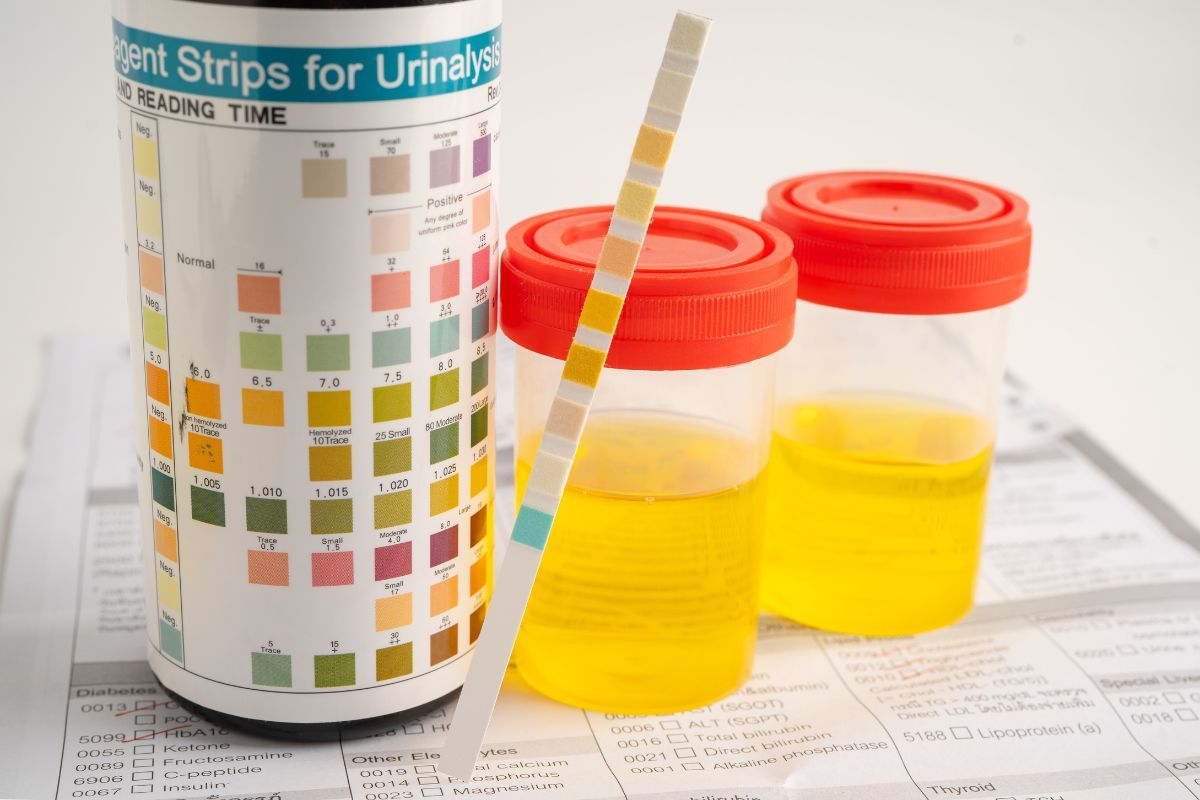
The color, clarity, and odor of urine are physical features that, at first glance, can provide valuable clues for both doctor and patient about the state of the body. Healthy urine is usually straw yellow, transparent, and has a faint, characteristic odor. Intensity of color mainly depends on hydration: the more concentrated the urine, the darker yellow it is, whereas very light or almost colorless urine appears after drinking lots of fluids. Change to a dark, almost brown color can signal dehydration but also the presence of bilirubin, suggesting liver or bile duct disease such as jaundice. Red or pink urine is often worrisome—may be due to blood (hematuria), which needs further diagnosis, but may also result from food dyes (beets, rhubarb) or medications such as rifampicin. Greenish or bluish shades are sometimes associated with bacterial infections, rarely with metabolic disorders or certain drugs. Cloudy, milky-white urine raises suspicion for large numbers of leukocytes, pus (pyuria), or calcium phosphate crystals—thus infection or metabolic disturbances must be ruled out. Deep orange urine may appear with vitamin B supplements, dehydration, or in liver and biliary disorders. Green or purple urine is very rare and usually results from unusual infections or specific medication interactions.
Clarity of urine provides diagnostic information as well. Normal urine is clear, but even a small physiologic precipitate can form after a sample sits at room temperature for a while and is not a sign of disease. Pronounced turbidity is most often the result of leukocytes, bacteria, epithelial cells, pus, or crystals—indicative of urinary tract infection (UTI), kidney stones, or metabolic disturbances. Sometimes, cloudy urine can occur after a heavy meal, especially rich in proteins or fats, causing small amounts of crystals or fats to appear. Froth on the surface, particularly if persistent and whitish, may suggest proteinuria—a symptom of kidney diseases such as nephrotic syndrome. The odor of urine, though often marginalized, can also be diagnostically important. Standard odor is slightly ammoniacal from the breakdown of urea. Infections with Escherichia coli can produce an intense, unpleasant, putrid smell. A sweet, fruity scent is typical for the presence of ketone bodies, particularly in diabetics with significant hyperglycemia (i.e. poorly controlled type 1 diabetes), fasting, or prolonged exertion. A musty or maple syrup scent can indicate rare metabolic diseases such as phenylketonuria or maple syrup urine disease. Finally, a sharp or pungent odor may result from certain foods (asparagus, garlic, coffee) or drugs such as antibiotics. Analysis of these three physical features—color, clarity, and odor—lets the doctor immediately assess if more in-depth diagnostics are needed and to direct further investigation toward kidney, liver, urinary tract, or metabolic disorders.
Presence of protein, leukocytes, and other elements – possible causes of changes
The presence of abnormal components in urine, such as protein (proteinuria), leukocytes (leukocyturia), erythrocytes, or other cellular elements is one of the most important warning signs indicating disorders of the urinary tract or other organs. Under physiological conditions, urine contains virtually no protein—total protein should not exceed 150 mg per day; higher values may signal glomerular filtration damage, increased membrane permeability, or pathological inflammation. The most common cause of proteinuria is chronic kidney disease, including glomerulonephritis, diabetic nephropathy, and states associated with arterial hypertension. In some cases, proteinuria may also occur temporarily, such as after intense exercise, cold exposure, or fever—it usually subsides after a few days without lasting effects. Recognizable proteinuria requires further diagnostics and should be interpreted in combination with other blood tests and clinical assessment. Another important component identified in urine tests is leukocytes; their presence (generally over 5–10 per high-power field in microscopy) most often signals inflammation or infection of the urinary tract. These infections can involve either the lower (cystitis) or upper tract (pyelonephritis), and manifest with pain, frequent urination, burning, or pus in urine. Remember, leukocyturia sometimes results from neighboring organ infections (e.g., female genital tract), physical activity, menstruation, or sample collection errors, so results should always be considered in broader clinical context. Detailed detection of protein and leukocytes is essential in differential diagnosis for nephropathies, bacterial infections, and therapy monitoring, especially in chronically ill patients and pregnant women, who are at particular risk of complications.
Besides protein and leukocytes, routine urine analysis also checks for other components outside the norm that may indicate specific metabolic disorders and urinary tract diseases. Detection of erythrocytes (red blood cells), known as hematuria, can point to serious conditions—from benign causes such as kidney stones (where crystals damage tract walls), through bacterial/viral infections, up to bladder or kidney cancer. Also vital is nitrites, which indicate activity of nitrate-reducing bacteria—mainly Gram-negative—and are nearly pathognomonic for urinary tract infection. Raised glucose (glucosuria) should stir concern, especially in suspected or decompensated diabetes, as it shows a breached renal threshold and impaired glucose reabsorption. Other important markers are ketone bodies, present in catabolic states, fasting, type 1 diabetes, but also after heavy physical exertion or in people on high-fat diets. The presence of bilirubin and urobilinogen can be markers of liver or bile duct dysfunction, serving as early indicators of hemolytic or obstructive jaundice. Changes in urine sediment, such as the emergence of hyaline or granular casts, indicate ongoing degenerative or inflammatory processes in nephrons—important for recognizing nephrotic syndrome or acute renal failure. Each parameter requires individualized interpretation together with the clinical picture and additional lab tests to allow precise health assessment and appropriate therapeutic planning.
How to prepare for a urinalysis and when to see a doctor?
Proper preparation for a urinalysis is critical to obtaining accurate, reliable results that reflect the patient’s true state of health. The basic recommendation is to collect the so-called “midstream” urine sample, preferably the first morning urine after overnight rest, as it is most concentrated and has fewer contaminants. Before collection, thoroughly wash the urethral area with soap and water (avoid disinfectants or substances that could interfere with results), dry with a disposable towel, and avoid any contact between the sample and skin or toilet paper. Use a sterile container from a pharmacy—household containers may contaminate the sample and lead to laboratory errors. Do not collect urine during menstruation, vaginal bleeding, or abundant discharge, as this may falsify results due to blood or secretions. It is also recommended to abstain from sexual activity the day prior to the test, to avoid contamination by semen or intimate fluids. Avoid strenuous exercise before the test and do not drink excess fluids, as this can dilute urine and lower concentrations of substances assessed. Inform your doctor and the lab if you’re taking medications (e.g., antibiotics, diuretics, supplements), as some can alter urine color and composition or cause the presence of abnormal biomarkers (even B vitamins or beets can change urine color). For children and infants, special collection bags are used—extra care is needed for these age groups. Promptly deliver the sample to the lab, ideally within 2 hours, as prolonged storage encourages bacterial growth and chemical changes in the urine. Collect the sample immediately before the test—urine stored too long (even refrigerated) may give false readings, especially if not properly secured.
Symptoms that should prompt a urinalysis and urgent consultation with a doctor can be general or specific to the urinary tract. The most common warning signs include urine color changes to dark red, brown, pink, or very cloudy; foaming on the surface, intense or abnormal odor, presence of blood (microscopic or visible), persistent urge to urinate, and burning or pain during urination. Other alarming symptoms are frequent urination, sudden urge, lower back pain, swelling (especially around eyes or extremities), unexplained high blood pressure, or the presence of froth—which indicates protein. Kidney or urinary tract issues often present as general symptoms: fever, weakness, malaise, loss of appetite, nausea, or unintentional weight loss. In pregnant women, any urinalysis abnormality should be carefully evaluated, as even small deviations can pose risks for mother and child. Patients with chronic illnesses (e.g., diabetes, hypertension, autoimmune diseases) should periodically check their urine even without symptoms, to catch issues early. Do not ignore single deviations, especially if they accompany other symptoms or your health worsens. Extra caution is needed in people with recent infections, urinary operations, kidney stones, or those on nephrotoxic medications. Remember, a rapid doctor’s consultation can hasten treatment and prevent serious complications—do not delay seeing a physician if you notice troubling changes in your urine or general health.
Summary
General urinalysis is one of the simplest yet most important diagnostic tools. While many results fall within well-defined norms, concerning deviations—such as cloudiness, presence of protein, leukocytes, or changes in color—can indicate infection, dehydration, or even more serious health problems. Pay attention to physical parameters and prepare properly for the test to obtain reliable results. In case of abnormal results or symptoms, always consult a doctor promptly to begin treatment and take care of your health.