

Home remedies for a cold help alleviate the first symptoms of infection and support recovery without the use of medication. Discover proven grandma’s methods, natural syrups, infusions, immune-boosting principles, and learn when it’s necessary to consult a doctor.
Discover effective home and grandma’s remedies for a cold! Recipes, infusions, natural treatments, and advice on how to quickly recover without medication.
Table of Contents
- How to recognize the first symptoms of a cold?
- The most popular grandma’s remedies for a cold
- Onion syrup, garlic, and natural mixtures – recipes and effects
- Infusions, teas, and hot drinks – what to drink for a cold?
- How to boost immunity with home remedies?
- When home treatment isn’t enough – tips on when to see a doctor
How to recognize the first symptoms of a cold?
The first symptoms of a cold are often very subtle and easy to ignore, especially when living an intense lifestyle and “not having time to be sick”. However, the body usually sends clear warning signals before the infection fully develops – and it’s at this stage that home and grandma’s remedies work most effectively. Many people notice as the first symptom a characteristic “scratchy” or mild throat pain, a feeling of dryness or burning when swallowing, especially in the morning after waking up or in the evening after a day of talking. This is often accompanied by a slight feeling of “malaise,” as if the flu is coming: there’s a drop in energy, fatigue, sleepiness during the day, less motivation to act, or problems with concentration. Another typical signal is the first nasal symptoms – mild tickling in the nose, frequent sneezing, watery runny nose which may gradually thicken, and the feeling of a stuffy nose, particularly when lying down. In the initial phase of a cold, body temperature often remains normal or is only slightly elevated (e.g., 37.1–37.5°C), which can be misleading and cause many adults to dismiss the problem, considering it “just tiredness.” In reality, the body is already fighting the virus, mobilizing the immune system – thus, other more general symptoms appear, such as mild muscle and joint pain, a feeling of a “heavy head,” increased sensitivity to cold, or sudden hot and cold flashes. In some people, one of the first symptoms is discomfort around the sinuses – a mild pressure in the forehead, at the root of the nose, or under the eyes, intensifying when bending; a headache with a dull, diffuse character may also occur. Pay attention as well to breathing – the appearance of a dry cough that “stings” the throat and makes falling asleep difficult is a typical sign of an impending cold, even if a runny nose is not yet present. In children, the first symptoms may look slightly different: more often there are irritability, unexplained tearfulness, lack of appetite, skin warmer than usual despite normal thermometer readings, as well as seeking hugs and closeness – a natural signal that the body needs rest and support. Older people and those with chronic conditions (e.g., diabetes, heart disease, autoimmune diseases) may experience milder but longer-lasting symptoms, and in them, a cold often starts with fatigue, unexplained drop in form, and poorer mental well-being. According to grandma’s observations, it’s also worth noting what can’t be measured with a thermometer: sudden craving for something warm to drink, cold hands and feet despite normal indoor temperature, desire to go to bed earlier, or a “strange” taste in the mouth and bad breath appearing with upper respiratory infections. Initial symptoms also include subtle changes in the mucosa: feeling of dryness in the nose, burning eyes, mild tearing in the wind, and increased sensitivity to cigarette smoke, dust, or sudden temperature changes – someone who normally tolerates cold well suddenly reacts more strongly to going outside or air-conditioning. The key is to learn to listen to your body: if several of these minor symptoms appear simultaneously – mild sore throat, sneezing, malaise, chill, and need for sleep – it’s very likely that an infection is starting, rather than just ordinary fatigue after a hard day.
Recognizing the first symptoms of a cold also involves distinguishing them from those of other conditions such as flu, allergies, or COVID-19, as it determines which home methods will be most appropriate. The cold typically develops gradually – from “scratchy” throat and mild runny nose, through increasing fatigue and stuffy nose, to stronger but generally mild general symptoms. Flu, on the other hand, begins abruptly: within a few hours, you may develop a high fever, severe muscle and headache, chills, and sudden, overwhelming weakness – this is not a typical cold and in such cases, apart from home soothing methods, it’s worth consulting a doctor. Allergies more often cause a clear, watery runny nose, sneezing fits (several times in a row), itching of the nose, eyes, and palate, and are usually not accompanied by malaise or muscle pain; also, allergy symptoms are often tied to a specific trigger – plant pollen, contact with animals, or being in a dusty room. With COVID-19, the course may be very different, but typical is weakness combined with a headache, cough, low-grade fever or fever, shortness of breath, and sometimes loss of smell and taste – if such symptoms appear, especially after contact with a sick person, it’s advisable to test and follow current medical recommendations. For grandma’s methods to be effective, the timing of your reaction is very important: many traditional treatments (hot infusions of linden, raspberries, elderberry, honey, garlic, onion, herbal and saline inhalations) work best when the infection is just “sprouting,” that is at the first sore throat, several sneezes, mild runny nose, and first drop in energy, before the virus fully takes over the mucosa. In practice, this means if you feel unusually tired in the evening, have chills, a dry cough has appeared, and your nose is starting to get blocked, you should reach for home remedies and allow yourself to rest instead of waiting for symptoms to worsen in the morning. At home, you can also conduct your own “grandma’s diagnostics” – regularly measure your temperature, observe the color and consistency of your runny nose, check if the sore throat worsens when swallowing, and note whether symptoms subside after warming up (e.g., after a hot foot bath, linden infusion, and going to bed). If, after a day of such home care, the symptoms noticeably ease, you can assume you’re dealing with a typical, mild cold that your body is effectively fighting with natural support. However, if symptoms worsen quickly despite home methods, a high fever develops, severe headache, shortness of breath, chest pain, purulent nasal discharge, or breathing difficulties occur, treat this as an alarm signal and contact a doctor immediately – home remedies are then supportive only, not the mainstay of treatment.
The most popular grandma’s remedies for a cold
Home, “grandma’s” remedies for a cold have been a first line of defense for generations before reaching for pharmacy medications. Their strength lies in their simplicity, easy accessibility of ingredients, and holistic approach – not only relieving symptoms but also supporting immunity, warming the body, and speeding up regeneration. One of the most classic solutions is warm tea with honey and lemon. Honey soothes the irritated throat, creates a protective layer on the mucosa, and also has antibacterial properties. Lemon provides vitamin C and a light acidity that refreshes, stimulates the salivary glands, and makes it easier to drink more fluids. Remember not to add honey to boiling water, but to cooled tea (around 40°C) to preserve its valuable properties. A popular addition is ginger – fresh root sliced or grated, poured with hot water, has a warming effect, stimulates circulation, and helps with chills and a feeling of being cold. To such an infusion, you can add an orange slice, cloves, or a pinch of cinnamon, creating a natural “elixir” for winter infections. Another beverage used by generations is milk with honey and garlic – though many find the taste challenging, it’s a mixture combining the soothing properties of warm milk with the antibacterial effects of honey and garlic. Garlic, called natural antibiotic, contains allicin – a compound supporting the body’s fight against microbes. Grandmothers often advised chopping a clove of garlic and adding it to warm (not hot) milk with a tablespoon of honey, or putting it in a sandwich, eating it with honey or yogurt – but most importantly, consuming it regularly, especially at the start of an infection. Among herbal infusions, linden and raspberry reign supreme. Linden flower infusion is sweaty-inducing, helping to “sweat out” fever and speeding up the removal of toxins. Tea made with dried raspberries or raspberry syrup added to warm water also promotes sweating, warms the body, and often alleviates muscle pains associated with colds. Chamomile is also recommended for daily drinking during illness – it’s gentle, anti-inflammatory, soothes mucosal irritation, and helps with “scratchy” throat. The traditional chicken broth can’t be forgotten, revered in many families as the “magic soup” for a cold. Hot, homemade broth made from bones and vegetables hydrates, provides electrolytes and easily digestible protein, warms from the inside, and is often the only food the patient craves. The steam rising from the dish also moisturizes the nasal mucosa, making breathing easier, and the warm stock helps reduce malaise and weakness. Many families also use natural syrups: from onion, garlic, pine shoots, or marshmallow. Onion syrup, made by sprinkling onion slices with sugar or honey, works as an expectorant, soothes cough and sore throat – especially in children (if they tolerate the taste). Syrup from pine shoots or honeydew honey is a classic choice for wet cough and lingering mucus.
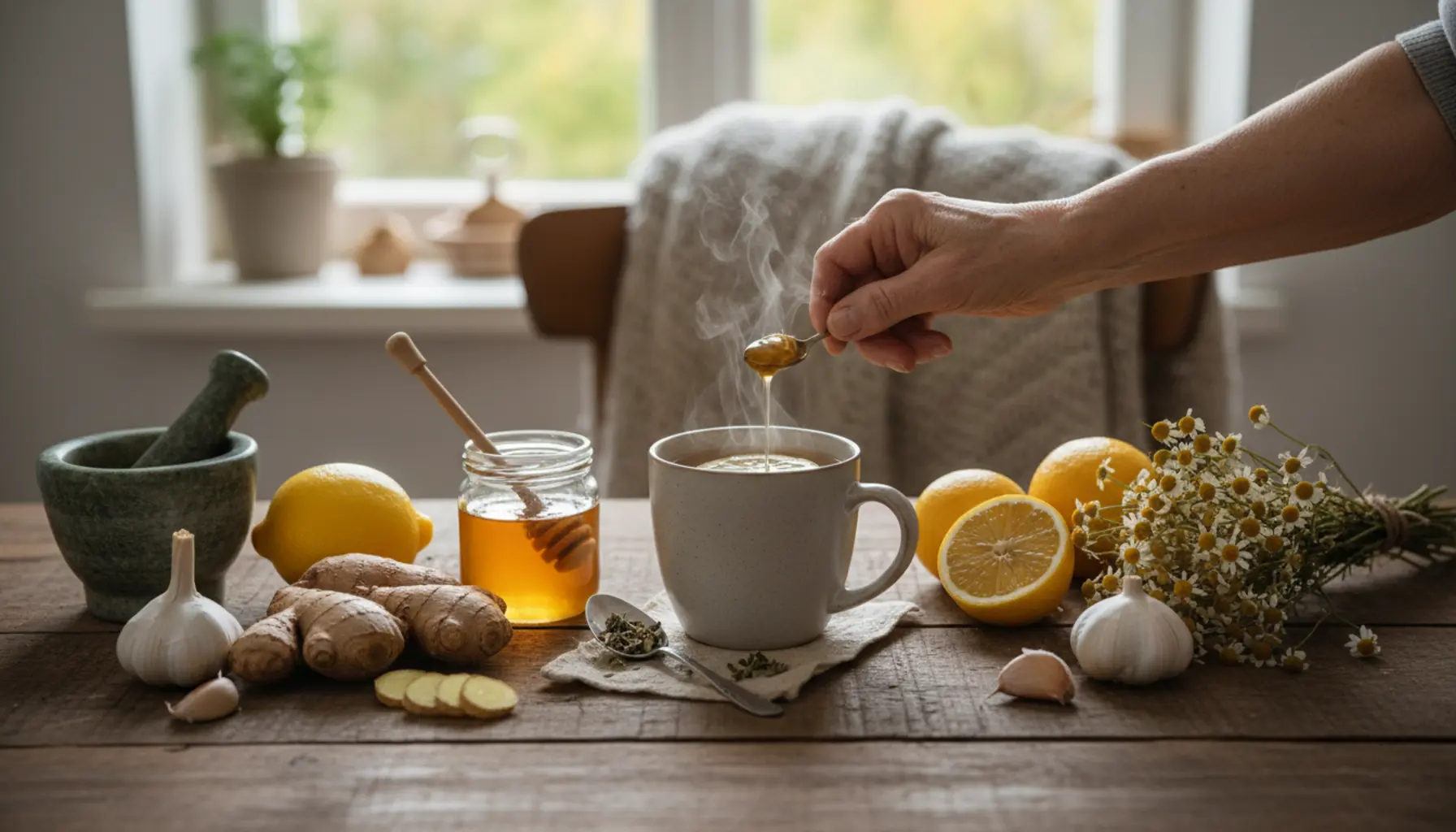
Grandma’s remedies for a cold are not just about what we drink and eat, but also include compresses, inhalations, and warming procedures. Inhalations with saline, salt water, or chamomile infusions have long been used for runny nose and nasal congestion. The steam moisturizes the mucous membranes, thins mucus, and makes its removal easier, helping unblock sinuses and reduce headache caused by their pressure. Caution is needed – inhaling steam should be done at a safe distance, especially in children. “Steam baths” with a few drops of eucalyptus, pine, or mint oil are also popular, further unblocking the nose, but can cause irritation in those with allergies or asthma, so start with small amounts. For sore throat and cough, gargles are commonly used – e.g., with salt water, sage, or chamomile infusions. Sage is anti-inflammatory and astringent, perfect for a red, sore throat and plaque on the tonsils. Grandmothers often recommended a “warming ointment” made at home – e.g., with pine, camphor, or mint oil, rubbed on the chest, back, and feet before bed, followed by putting on warm socks. Such rituals improve circulation, warm the body, ease expectoration, and relieve nighttime cough. A frequently repeated tip is to use compresses – e.g., warm compresses on the sinuses (from a towel or hot water bottle wrapped in cloth), which relieve pain and allow mucus to drain, or cold compresses on the forehead with higher fever to gently reduce it without immediately resorting to antipyretic drugs. An essential part of traditional methods is also rest and “sweating out” the illness in bed – grandma’s advice to stay home, lie under a warm blanket, drink plenty of warm fluids, and avoid drafts has firm foundations: the body can then redirect its energy to fighting the infection, not daily tasks. Grandma’s remedies often combine prevention with treatment – regular “honey cures” (e.g., one teaspoon of honey a day), drinking infusions from rosehips or nettle, fermented foods rich in probiotics, and warming spices (ginger, turmeric, cinnamon, cloves) are meant to strengthen everyday immunity, so that when the cold virus does strike, the body is better prepared. Remember, however, that while many of these methods have a proven soothing or supporting effect, they do not replace medical consultation in alarm situations – high fever, shortness of breath, severe pain, or persistent symptoms. Combining folk wisdom with up-to-date medical knowledge lets you safely and consciously use grandma’s remedies to their full potential.
Onion syrup, garlic, and natural mixtures – recipes and effects
Onion syrup is an absolute classic among home remedies for a cold, which most of us remember from childhood. Its popularity is not accidental – onion contains sulfur compounds (including allicin, which forms from similar precursors as in garlic) that are antibacterial and antiviral, as well as flavonoids like quercetin, which support the immune system and have anti-inflammatory effects. The basic recipe is very simple: two medium onions chopped into cubes or feathers, sprinkle with 3–4 tablespoons of sugar or honey, gently mash, and leave in a warm place for several hours (preferably overnight) until they release juice. The resulting syrup is strained through a sieve or cheesecloth and kept in the fridge for several days. The adult dose is usually 1 tablespoon every 2–3 hours during the day, for children – 1 teaspoon every few hours (for children over one year old if using honey; for younger, use only sugar due to the risk of infant botulism). Despite its natural origin, it’s still a “medicine” – for people with sensitive stomachs, it’s better to take the syrup after a meal, so as not to aggravate digestive discomfort. A milder, less intense-tasting version can be made by adding slices of lemon and a few tablespoons of lukewarm, boiled water – this dilutes the syrup and provides vitamin C. There is also a “night-time” variant, where 1–2 crushed garlic cloves are added to the classic onion syrup – this mixture is stronger but has a distinct, sharper taste and smell, so it’s best used in the evening when you don’t plan to leave home.
Garlic, often called the “natural antibiotic,” occupies a special place in grandma’s recipes for a cold. Its power lies in allicin, a compound that forms after crushing or chopping a fresh clove – so garlic is best sliced or crushed, allowed to rest for a few minutes, then added to dishes or home mixtures. One of the most popular recipes is garlic honey: chop or crush several cloves of garlic (e.g., 5–7), pour in liquid honey (about half a glass), and leave overnight. This syrup can be taken as 1 teaspoon 2–3 times a day, preferably not on a completely empty stomach. Mixing garlic with honey and lemon creates a complete immunity-boosting blend – juice from half a lemon or thin slices added to the jar improve the taste, provide vitamin C, and offer a mildly refreshing effect. Another grandma’s hit is milk with honey and garlic: heat up a glass of milk (don’t boil), add 1–2 crushed cloves of garlic and a spoonful of honey, and drink before bedtime. This drink gently warms, helps with calming down, and supports fighting infection, although not everyone will like its specific taste – it can be softened with a pinch of cinnamon or ginger. Natural strengthening mixtures also include the so-called “immunity blend” of lemon, honey, and ginger, often enriched with garlic: thinly slice lemon (preferably organic skin, scalded with boiling water), add fresh grated ginger and 2–3 garlic cloves, cover with honey, and leave in the fridge for several days. One tablespoon of this mixture dissolved in warm (not hot) water creates a drink that warms, soothes sore throat, and supports respiratory cleansing. Be aware of contraindications: garlic and onion can irritate the gastric mucosa, reduce blood clotting (important for those on anticoagulants), and worsen reflux; honey should not be given to children under 12 months or to people allergic to bee products. All these grandma’s treatments can effectively relieve cough, runny nose and sore throat, thin mucus and aid expectoration, but should be treated as support for the body, not a full replacement for doctor’s recommended treatment, especially when symptoms are severe, prolonged, or accompanied by high fever.
Infusions, teas, and hot drinks – what to drink for a cold?
Hot drinks are the foundation of home treatment for a cold – they hydrate, warm, support immunity, and help alleviate many troublesome symptoms. When you have a cold, sore throat, or chills, the body loses water faster (through fever, sweat, more frequent mouth breathing), so sipping infusions regularly is almost as important as rest. Even the temperature of the drink matters: warm fluids moisturize the throat mucosa, thin persistent mucus, and ease expectoration, thus reducing cough and feeling “congested” in the bronchi. Avoid boiling drinks – too hot can further irritate the throat, which is already dry and sensitive. The ideal temperature is one that is clearly warm but not scalding. The classic drink for a cold is tea with honey and lemon – honey should be added only after the drink cools a bit, since high temperatures weaken its valuable enzymes and active compounds. Lemon should also be added at the end, to preserve more vitamin C and natural aroma, which helps open the nose and freshens breath. Both black and green teas (in moderation, due to caffeine) work well, as their polyphenols and mild stimulating effect support the body in fighting infection while improving well-being. For those with sensitive stomachs, herbal or fruit teas are preferable as they’re caffeine-free and gentler. Linden infusions are highly valued during a cold – they induce sweating, gently reduce fever, help “sweat out” the illness and provide relief from malaise. Linden infusion can be drunk alone or with honey and lemon, especially in the evening before bed when the body is fighting the infection most effectively. Raspberry tea is equally popular – both leaves and fruits are sweat-inducing, warming, and palatable even for children. Combining linden and raspberry in one cup is called “a home hot water bottle in a mug” – warming from the inside, decreasing chills, and improving comfort in the fever. For cough and an irritated throat, use infusions of marshmallow, flaxseed, or thyme – these form a delicate, mucilaginous protective layer on the mucous membranes, relieving scratchiness, hoarseness, and dry cough. Thyme also acts as an expectorant and has antibacterial properties, so it’s often included in syrups and teas for cough. At home, you can prepare an infusion by pouring hot water over a teaspoon of dried thyme and steeping under cover for about 10 minutes, then sipping slowly. Mint is also indispensable in many homes – it soothes nausea, heaviness after meals, and slightly relaxes the digestive tract, which is helpful when a cold is accompanied by loss of appetite and digestive problems. However, caution is needed for those suffering from reflux, as mint can worsen heartburn.
During a cold, you should also include drinks with ginger, known for its warming, anti-inflammatory, and immune-supporting properties. Fresh ginger can be sliced or grated, pour over with hot (not boiling) water, set aside for a few minutes, then add honey, lemon, and optionally a pinch of cinnamon or turmeric. Such an infusion improves circulation, warms hands and feet, reduces the feeling of being cold “inside,” and helps the body fight viruses. However, it’s not recommended in large amounts for those with sensitive stomachs, gallstones, or during pregnancy – in these cases, stick to milder infusions. For those not fond of sharp ginger flavor, mild chamomile tea is a good option – it is calming, mildly anti-inflammatory, aids digestion, and helps you fall asleep, which is crucial for recovery during illness. Another “grandma’s” drink is milk with honey, sometimes with added garlic or butter. Warm milk alone can soothe an irritated throat, but for some people dairy increases the feeling of mucus “build-up” and may raise mucus production – if you notice this effect, it’s better to limit dairy during infection. A safer alternative will be a plant-based drink (e.g., oat milk) with honey, turmeric, and a pinch of pepper to enhance curcumin’s effect. Regardless of the type of beverage, the key is quantity – during a cold, drink at least 1.5–2 liters of fluids per day, including water, herbal infusions, light teas, and broths. Spread this amount in small portions sipped regularly every several–dozen minutes, rather than drinking large cups at once. Avoid highly sweetened, carbonated drinks, and large amounts of coffee and alcohol – they dehydrate, irritate mucous membranes, and may worsen symptoms. Good supplements to herbs are warm, clear broths and chicken soup – they provide not just hydration, but also electrolytes, minerals, and a little protein so your body has “fuel” to fight the infection, even with reduced appetite. Drinking herbs also requires awareness of contraindications – some varieties can interact with medications (e.g., St. John’s Wort), affect blood pressure or liver function. So, in chronic illnesses, pregnancy, breastfeeding, or when taking drugs chronically, it’s best to consult a doctor or pharmacist about herb choices, and in case of unusual symptoms (rash, increased abdominal pain, breathing difficulties), stop using them immediately. Natural infusions and hot drinks support the body, but they do not replace professional diagnosis and treatment if symptoms are very severe or persist longer than a few days.
How to boost immunity with home remedies?
Boosting immunity with home methods is above all consistent care for daily habits, not one-off “miracle treatments” applied only when a cold strikes. The immune system works best when it has the basics covered: proper diet, sleep, exercise, low chronic stress, and a hygienic living environment. In the kitchen, it’s best to focus on natural, minimally processed foods rich in vitamin C (peppers, parsley, sauerkraut, black currant), zinc (pumpkin seeds, nuts, eggs), and antioxidants (intensely colored vegetables and fruits). Daily inclusion of garlic, onion, ginger, turmeric, and fresh herbs (e.g., thyme, oregano, rosemary) brings in compounds with anti-inflammatory and immune-supportive effects – without needing supplements. A traditional, simple way is to start the day with a glass of warm water with a slice of lemon or some honey (added after cooling slightly), which helps hydrate the body after the night and gently stimulates metabolism. Fermented foods – pickles, kefir, buttermilk, yogurt – play an important role, supplying beneficial bacteria that support the gut microbiota, and the gut is one of the key “immune headquarters.” Ensure that the main meals include a protein source (fish, eggs, legumes, lean meat), vital for building immune cells. At the same time, cut down sugar, sweet drinks, and highly processed foods – excess worsens inflammation and weakens the body’s natural protective barrier, making you more susceptible to infections. Grandma’s approach to immunity also assumes seasonality – in autumn and winter, we opt for warming cream soups, broths, stews with root vegetables, garlic, and herbs, while in spring and summer, we focus on fresh vegetables and fruits, light salads, and cold herbal infusions, helping the body adjust to changing conditions.
At home, building immunity also means a healthy lifestyle: regular, calm sleep, moderate physical activity, and conscious stress management. Practically, this means regular bedtimes, airing the bedroom, less screen time an hour before bed, and an evening calming ritual – for some, it’s a warm bath with Epsom salt and a few drops of lavender oil, for others, light reading or a few minutes of simple relaxation. Lack of sleep and chronic stress drastically reduce immunity, as the body focuses on survival, not defense. Moderate exercise – daily brisk walks, cycling, simple home workouts, stretching, or yoga – improves circulation, oxygenates tissues, and supports lymphatic drainage, which removes toxins and “used” cells. Grandma’s tips often include hardening the body: alternating hot and cold showers, walks in cooler weather (always well dressed), and walking barefoot on grass or swimming in the sea in the summer. Such routines, introduced gradually and with care, can improve blood vessel response to temperature changes and reduce the tendency to frequent colds. Home immune-boosting also involves caring for the home microclimate – regular airing, keeping moderate temperature, air humidification in heating season (e.g., water containers on radiators or humidifiers), plus frequent hand washing and avoiding tobacco smoke, which irritates the airways. Simple but effective rituals include evening sipping of warm herbal infusions (linden, rosehip, nettle, cistus – as long as there are no health contraindications), short herbal inhalations or with salt, and using natural essential oils (e.g., eucalyptus, pine) in a diffuser, taking care not to use directly on skin and cautiously around children, pregnant women, or allergy sufferers. Practiced regularly, these habits not only reduce the risk of infection but make the body recover faster and experience milder symptoms when a cold does occur.
When home treatment isn’t enough – tips on when to see a doctor
Home and grandma’s remedies for a cold do indeed bring great relief in most mild infections: they soothe sore throat, reduce low-grade fever, and support immunity. However, let’s be clear – not every illness can be “waited out” with a cup of tea and honey. Sometimes delaying a specialist visit worsens health, and what seems like a minor cold can lead to serious complications, such as pneumonia, sinusitis, or ear infection. The first worrying signal is persisting high fever – if the temperature exceeds 38.5–39°C and doesn’t decrease despite using antipyretic drugs and home methods (sweaty infusions, rest, hydration), or it returns after dropping briefly, this is a definite reason to contact a doctor. Especially attentive should be older people, those with chronic illnesses, pregnant women, and parents of small children – even a lower fever may require quicker consultation. You should also see a doctor if symptoms are intensifying instead of easing over time. A typical cold usually peaks around day 2–3, after which complaints subside. If after 3–4 days things are still getting worse – increasing weakness, worsening sore throat, severe cough, strong headache, or chest pressure – the body isn’t coping. It is just as important to monitor symptom duration: runny nose or cough lasting over 10–14 days, especially if the nasal discharge or phlegm becomes thick, yellow-green, with bad smell, or there’s pain in the sinuses, jaws, or ears, is concerning. Such symptoms may indicate bacterial infection that cannot be resolved with just onion syrup or thyme infusion.
Pay special attention to alarm symptoms that you must not try to “wait out” at home, even with a supply of home remedies at your fingertips. Red flags include: shortness of breath (feeling like you can’t catch your breath, wheezy breathing, accelerated breathing, difficulty speaking in full sentences), chest pain worsening with breathing or coughing, blue lips or nails, confusion, sudden disorientation, very severe headache with neck stiffness, high fever with rash, severe ear pain, ear discharge, or one-sided severe facial and eye pain. In such cases, immediate medical help is necessary, sometimes even calling an ambulance. Remember that children’s illnesses differ from adults – in young children, any breathing trouble, listlessness, refusal to drink, no wet diapers, apathy, inconsolable crying, or blue around the mouth are situations where home methods are not appropriate. Recurrent “colds” that appear several times during the season, last long and barely resolve before returning, require a check-up – this may signal weakened immunity, sinus problems, allergy, asthma, or other chronic conditions needing wider diagnostics than just changing syrup or herbal tea. Visit a doctor also if using home remedies brings unusual reactions – e.g., severe abdominal pain after drinking milk with garlic, a rash after consuming large amounts of lemon or honey, heart palpitations after herbal blends. Also note that people on chronic medications (e.g., for hypertension, blood clotting, diabetes, thyroid disease), pregnant and breastfeeding women should consult their doctor or pharmacist before intensively using herbs, supplements, or “strong” home mixtures to verify safety. Home methods are a valuable support, but their role is to relieve symptoms and help the body, not substitute for diagnosis, tests, or professional treatment when the infection clearly exceeds that of a mild everyday cold.
Summary
Home and grandma’s remedies for a cold are effective and natural help for the first symptoms of infection. Onion syrup, garlic, raspberry or ginger infusions, sufficient fluids, and warming mixtures quickly alleviate symptoms and support immunity. Regular use of these methods, complemented by a healthy diet and hydration, can not only shorten the illness but also strengthen your body for the future. However, remember: if symptoms worsen or persist, be sure to consult a doctor.