Find out what properties black seed oil has for children. Check dosage, effects on immunity, side effects, safety, and tips for parents.
Table of Contents
- Black seed oil for children – what is it and what are its properties?
- How does black seed oil support children’s immunity?
- Use of black seed oil for allergies and infections
- Safe dosage – how much and from when can you give it to a child?
- Possible side effects and contraindications
- How to choose and give black seed oil? Practical tips for parents
Black seed oil for children – what is it and what are its properties?
Black seed oil, also known as oil from the seeds of Nigella sativa, is a natural product extracted from the seeds of the black cumin plant, originating from the Middle East, Asia, and Southeastern Europe. It has been used in natural medicine for centuries by both adults and children, and its wide range of benefits is making more parents interested in adding it to their children’s diets. The oil has a characteristic, slightly bitter taste and an intense spicy aroma due to its high content of active compounds such as thymoquinone, nigellone, phytosterols, flavonoids, vitamins (A, E, F), minerals (e.g., calcium, zinc, potassium, phosphorus, iron), as well as unsaturated omega-3 and omega-6 fatty acids. All these ingredients determine the health benefits of black seed oil, which are particularly valuable for children – especially in the context of supporting natural immunity, aiding the digestive system, and alleviating allergic reactions or inflammatory skin conditions. Its wealth of nutrients make black seed oil prized for its anti-inflammatory, antiviral, antibacterial, and antifungal effects, as confirmed by numerous scientific studies conducted in recent years on both adults and children.
One of the most valuable properties of black seed oil for children’s health is supporting the immune system, because the substances contained in the oil stimulate lymphocyte production, strengthen the body’s immune response, and help reduce inflammatory processes. Many parents reach for black seed oil especially during autumn and winter seasons, when children are more exposed to viral and bacterial infections, or during springtime allergies – the oil can help relieve symptoms such as hay fever, watery eyes, or other allergic ailments. In addition to immune support, black seed oil also benefits the gastrointestinal tract by regulating bowel function, aiding digestion, easing bloating and stomach aches, and supporting the growth of natural bacterial microflora. The unsaturated fatty acids contribute to the proper development of the brain and nervous system in children, while the vitamins and minerals present are beneficial for skin condition, hair, and general growth and development. It’s also worth mentioning its effects on oxidative stress resistance – thanks to powerful antioxidants, black seed oil helps neutralize free radicals, protecting children’s cells from harmful environmental factors. Thanks to its analgesic and anti-inflammatory properties, it can also help ease symptoms of asthma, coughs, mild throat inflammation, and is useful in the care of sensitive, atopic, or irritation-prone skin. Therefore, black seed oil is increasingly being included as a natural ingredient in home medicine cabinets and child-friendly cosmetic products, though it should of course always be used under adult supervision and ideally after consulting a pediatrician.
How does black seed oil support children’s immunity?
Black seed oil is widely appreciated for its natural immunomodulatory properties, making it a valuable support for the immune system of children from an early age. The key active ingredient is thymoquinone – a compound with strong antioxidant, anti-inflammatory, and antimicrobial properties, which plays a significant role in directly strengthening the young body’s defense mechanisms. Scientific studies suggest that regular use of black seed oil can help stimulate the production of T and B lymphocytes, which are cells responsible for identifying and neutralizing disease pathogens. As a result, a child’s body is more capable of responding to viral, bacterial, and fungal infections, which are especially common in preschool and school age. Moreover, the unsaturated omega-3 and omega-6 fatty acids present in the oil support proper immune cell function by providing the right structure for cell membranes, improving intracellular communication, and reducing chronic inflammation. Also important are the micro- and macroelements – such as zinc, selenium, and magnesium – which are essential for many immune processes, including phagocytosis and antibody synthesis. Black seed oil also has the ability to modulate the immune response, increasing the production of interferon, a factor protecting the body against viral infections, while lowering the risk of excessive immune reactions such as allergies or asthma.
It’s worth noting that black seed oil may not only help the immune system fight infections, but also strengthen children’s overall health by regulating the digestive system, which is largely responsible for the effectiveness of immune mechanisms. Most immune cells are located in the digestive tract, and black seed oil, with its anti-inflammatory and soothing properties, helps maintain a balance of gut microflora. Regular intake supports the growth of “good” bacteria, which naturally limit the proliferation of pathogens and provide the first line of protection against infections. By reducing the risk of inflammation of the gastric and intestinal mucosa, black seed oil indirectly protects the immune system from being overloaded. The right dose, recommended by a doctor or nutritionist, can also support mucus production in the respiratory tract, making it harder for microorganisms to enter – especially important during autumn and winter. Black seed oil is also used preventively in children prone to recurring tonsillitis, colds, or upper respiratory tract infections, helping ease symptoms like cough, runny nose, or sore throat. All these mechanisms mean that using black seed oil in children’s daily diets, after prior consultation with a pediatrician, can be an element of natural prevention to strengthen immunity and protect the youngest from infectious diseases and allergies.
Use of black seed oil for allergies and infections
Black seed oil is being increasingly used for the prevention and supportive treatment of various types of allergies and infections in children, addressing both symptoms and the mechanisms that cause illness. Owing to its high thymoquinone content – a substance with strong anti-inflammatory, antioxidant, and immunomodulating properties – this oil can help regulate immune system hyperreactivity, which is at the root of many allergies. Thymoquinone and other components help inhibit excessive histamine production responsible for symptoms like hay fever, skin itching, or atopic dermatitis. As such, black seed oil may ease airborne allergies, allergic rhinitis, and skin reactions in children. It also shows antihistaminic properties, which means that in some children, regular use (as directed by a specialist) results in decreased frequency and intensity of allergic episodes and improvement in overall comfort. In the context of food allergies, the presence of unsaturated fatty acids and anti-inflammatory microelements supports restoration of the natural mucosal barrier in the intestines, thus easing intolerance symptoms and helping regenerate the digestive tract after contact with allergens.
In case of infections – both upper respiratory tract and organs more susceptible to pathogens – black seed oil acts as a natural agent to support immunity and limit the development of microorganisms. Thymoquinone in the oil exerts an antimicrobial effect against bacteria, viruses, and fungi, thus strengthening the body’s reaction to disease factors. This is particularly significant for children who frequently struggle with viral infections such as colds or flu, as well as chronic runny nose, cough, sore throat, or recurrent tonsillitis. Black seed oil can shorten the duration of infections and support symptom relief by reducing inflammation and stimulating the production of immune cells. Its action includes increasing the activity of macrophages, or cells that engulf and destroy pathogens, and stimulating interferon production, which inhibits viral replication. Benefits of supplementation have also been noted in recurring bacterial infections, for which black seed oil is used for both prevention and as a supplement to therapies conducted by doctors. Additionally, components of the oil help regenerate the mucous membranes of the respiratory tract, stabilize mucus secretion, and relieve irritations, which is especially important for children with chronic infections and bronchial hypersensitivity. However, it should be remembered that while many studies point to positive effects supporting the fight against allergies and infections, black seed oil should always be used as a support, never as a substitute for conventional treatment or medicines prescribed by a specialist. Use should always be started after consulting a pediatrician, taking into account the child’s individual health situation, current treatments, and the potential risk of adverse effects or interactions.
Safe dosage – how much and from when can you give it to a child?
Proper dosing of black seed oil for children is crucial for both effectiveness and safety of its use. Recommendations regarding quantity and the starting age for use vary depending on the child’s age and general health status. Experts recommend introducing black seed oil into children’s diets only after the first year of life. This is due to the immaturity of infants’ digestive systems and the potential risk of developing food allergies. For the youngest children, aged 1 to 3 years, the standard safe dose is usually 1/4 to 1/2 teaspoon (about 1–2.5 ml) per day, best given with a meal to minimize possible stomach irritation and improve absorption of active ingredients. For children over age 3, the dose can be gradually increased up to 1 teaspoon (about 5 ml) per day, but the final daily portion should be individually adjusted considering body weight, tolerance, and particular health needs. For older children, during periods when their immune system needs additional help – e.g., in the autumn-winter season – the dose may be slightly increased, but care should be taken not to exceed the suggested amounts most commonly recommended by oil manufacturers. It is extremely important to use only cold-pressed, fresh black seed oil suitable for consumption, since low-quality products can contain contaminants or lose valuable health benefits. Black seed oil should be stored in a dark bottle in a cool location to maintain the stability of its active ingredients.
Although black seed oil is considered a relatively safe natural supplement, it should always be introduced gradually and after consultation with a pediatrician or nutritionist, especially if the child is taking medications regularly, suffers from chronic illnesses, or has a tendency to allergies. Children allergic to plants of the Ranunculaceae family should be particularly cautious, and if any hypersensitivity reactions occur—such as rash, stomach pain, nausea, or diarrhea—the product should be discontinued and a doctor consulted immediately. Please note that black seed oil does not replace a balanced diet or pharmacological treatment—it should be considered as an addition to everyday nutrition with natural ingredients supporting immunity and general wellbeing. The duration of use should also be arranged individually—when supporting immunity, the oil is often given for 2–3 months, after which a break is recommended to evaluate the effects and avoid burdening the body with monotonous supplementation. Dosing should always be consulted with a doctor, as there are contraindications—due to the presence of certain phytochemicals, excessive amounts or overdose may affect liver function or interact with drugs. Because of taste and aroma, it is advised to mix the oil with natural yogurt, honey (for children over 1), or other foods that the child will accept. Monitoring reactions, patience, and matching the product to the child’s individual preferences are key to effective and safe introduction of black seed oil into the daily diet of the youngest.
Possible side effects and contraindications
Although black seed oil is considered a natural and safe supplement, especially for children, its use may involve some side effects and contraindications to which every parent should pay special attention. Most commonly reported unwanted reactions occur in children with a predisposition to allergies or when the oil is consumed in excessive amounts. Typical side effects include mild gastrointestinal complaints such as stomach pain, nausea, bloating, diarrhea, or constipation. In particularly sensitive children, temporary immune reactions such as skin rash, itching, or hives may appear, especially after the first contact with black seed oil. In rare cases, symptoms typical of food allergies occur: swelling of mucous membranes, skin redness, watery eyes, or breathing difficulties, which always require immediate medical consultation. Such reactions usually occur in children allergic to plants from the Ranunculaceae family (to which black cumin belongs), so before the first use, it is advisable to perform an allergy test, for example by applying a small amount to the skin. Incorrect dosing is an important risk factor for side effects—exceeding the recommended age-appropriate dose may overload the body with bioactive substances and worsen unwanted symptoms, or even have a negative impact on kidney or liver function. Rarely, with prolonged or too intensive use, headaches, sleep disorders, irritability, or changes in appetite may appear, which highlights the need to use the product periodically and for parents to constantly monitor the child’s health.
Black seed oil should not be used in all children without exception. Special care is necessary for infants and children under one year of age—their digestive and immune systems are not mature enough to safely metabolize the active ingredients in the oil. Contraindications also include chronic metabolic or autoimmune diseases, or disorders affecting kidney and liver function, as black cumin, with its immunomodulating and potentially metabolically burdensome properties, can interact negatively with medications or intensify symptoms. Parents of children on constant medication (e.g., antiepileptic, immunosuppressive, antihistaminic, or steroid drugs) should consult a doctor before introducing black seed oil, since there are reports that its active substances may influence the effectiveness or metabolism of pharmaceuticals. Extra caution is also recommended for patients with blood coagulation disorders or post-surgery, as some sources indicate black cumin may affect the circulatory system and increase bleeding. The oil should not be given to children with active inflammatory bowel diseases such as Crohn’s disease, ulcerative colitis, nor during high-fever infections without prior pediatric consultation. Also, pay attention to the oil’s quality and origin – low-quality, contaminated, or improperly stored products may contain harmful substances, increasing the risk of side effects. Use only cold-pressed black seed oil, stored as recommended and sourced from reliable, certified manufacturers. In practice, parents should observe children closely during the first days of use and, if any worrying symptoms occur, discontinue the product, consult a doctor, and carry out necessary diagnostic tests, especially in cases of suspected allergic or intolerance reactions to oil components.
How to choose and give black seed oil? Practical tips for parents
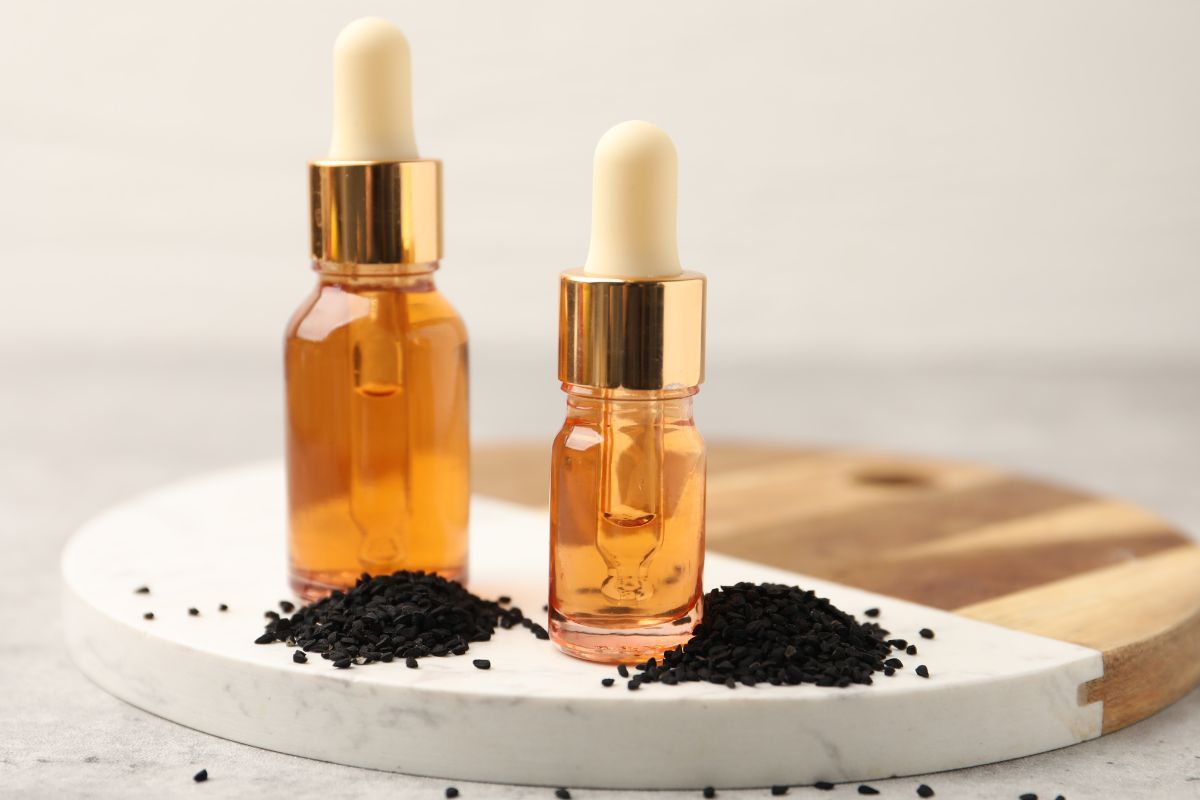
Choosing the right black seed oil and administering it properly to children requires an informed approach to maximize its health benefits and minimize risk of adverse reactions. Above all, parents should pay particular attention to product quality—cold-pressed, unrefined, and unfiltered oil is recommended, as it retains its full spectrum of natural nutrients and its characteristic taste and aroma. Choose products from trusted, specialized producers, preferably with quality certifications confirming purity and organic raw material origin. The oil should be stored in dark glass bottles—light and high temperature can reduce its quality and speed up oxidation. Avoid products in plastic packaging or those that have been improperly stored, and always check the expiration date before buying. The smell is also important—black seed oil has an intense, slightly bitter aroma, indicating product freshness; if it’s too mild or not noticeable, quality may have decreased. Before first use, always read the label, which should specify the method of pressing, country of origin of the seeds, and a lack of additives or preservatives. It’s a good idea to choose smaller bottles so the product is used quickly in daily meals, ensuring freshness throughout the usage period.
Giving black seed oil to children should be adapted to their age, weight, and individual taste preferences, with special emphasis on practical aspects of adding it to their everyday menu. Due to its distinctive taste – sharp, spicy and slightly bitter – many parents wonder how to effectively introduce the oil into a child’s diet without causing resistance or dislike. The simplest way is to add measured doses into favorite foods such as natural yogurt, porridge, oatmeal, smoothies, or homemade vegetable spreads. The oil can also be mixed with a small amount of honey or juice to mask the taste, always making sure foods are not hot since high temperatures would destroy valuable bioactive compounds. Giving the oil in the morning with the first meal is a practice recommended by many nutritionists, as the active ingredients are then quickly absorbed and act throughout the day. When using oil for the first time, start with the smallest recommended dose and observe the child’s response for several days; if there are no adverse effects, gradually increase to the age-appropriate amount. For very young children, an allergy test should be done first – put a drop of oil on the forearm to see if an allergic reaction develops. Daily doses should always be given under adult supervision; do not increase the amount independently without consulting a doctor or dietitian, especially in children with chronic diseases or allergies. It’s also important to periodically control the effects – keep notes on general wellbeing, skin condition, infection frequency, or any adverse effects. If your child is taking medication, always consult a pediatrician before starting supplementation, as black seed oil may affect how some medicines work. Never use expired or unidentified-source products and store the bottle in accordance with the instructions on the label—usually in a refrigerator or cool, shaded place. To minimize resistance to the oil’s taste, try different serving methods and ensure a positive mealtime attitude—joint meal preparation or teaching about nutritional values can encourage children to be regular and open to healthy innovations.
Summary
Black seed oil is a natural immune support that can bring many benefits to children—from alleviating allergy symptoms to strengthening the body during periods of increased illness. However, the key is correct dosing and consulting a doctor before introducing black seed oil to a child’s diet. By choosing high-quality oil and following guidelines, parents can safely harness its health-promoting potential. Always observe your child’s reactions and respond to possible side effects—safety comes first.