Find out if E. coli is friend or foe! Learn about the symptoms of infection, treatment methods, and effective prevention. Learn how to protect yourself.
Table of Contents
- What is Escherichia coli? Characteristics and Role in the Body
- E. coli as a Natural Component of the Gut Microbiome — Benefits and Functions
- Pathogenic E. coli – Risks, Infection Symptoms, and Transmission Routes
- Diagnosis and Treatment of Infections Caused by E. coli
- Prevention of E. coli Infections: Principles of Hygiene and Prevention
- E. coli in Water, Food, and the Environment – How to Protect Yourself Every Day?
What is Escherichia coli? Characteristics and Role in the Body
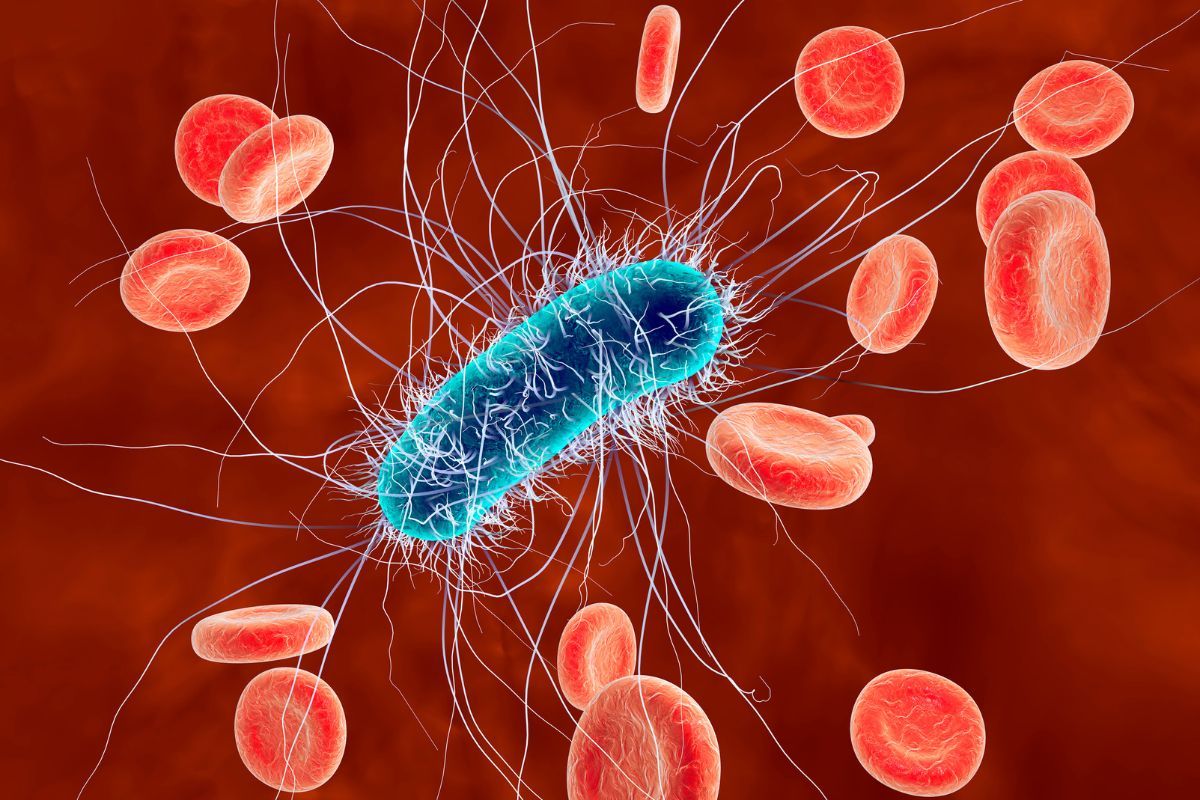
Escherichia coli, often shortened to E. coli, is a Gram-negative bacillus from the Enterobacteriaceae family, being one of the best-studied and most frequently analyzed bacterial species. E. coli naturally occurs in the human digestive tract and in many warm-blooded animals. Its presence in the intestines is not only completely normal but also essential for maintaining health and the proper functioning of the digestive system. Under a microscope, E. coli appears as a short rod-shaped bacterium, measuring 1 to 3 micrometers, moving using flagella. Most E. coli strains are non-pathogenic and function as part of the so-called intestinal microflora; however, some can cause serious infections in humans. Key functions of E. coli include supporting digestion, fermenting food residues, and competing with pathogenic bacteria, which helps maintain microbiological balance in the gut. Additionally, E. coli participates in the production of certain B vitamins, such as vitamin K, which is crucial for blood coagulation processes. Its favorable presence in the gastrointestinal tract contributes to strengthening the gut barrier and stimulating the immune system by triggering immune responses and preventing colonization by more dangerous pathogenic microbes.
E. coli also plays an important role outside the digestive system and is a valuable subject of scientific and medical research. Owing to its ease of cultivation and adaptability to genetic modifications, this bacterium has become a tool in biotechnology – it is used to produce insulin, growth hormones, and vaccines. Under physiological conditions, commensal E. coli strains behave neutrally or favorably towards the host; unfortunately, when they invade other organs, such as the urinary tract, they can cause dangerous infections. The most well-known are the so-called uropathogenic strains (UPEC), responsible for most urinary tract infections, as well as enteropathogenic strains that can lead to diarrhea. The diversity of E. coli strains means they differ in antigenic properties and their ability to cause diseases. In clinical medicine, various pathotypes are recognized, including enterotoxigenic (ETEC), enterohemorrhagic (EHEC), enteroinvasive (EIEC), and others, depending on their mode of action and type of toxins produced. It is important to note that the presence of E. coli outside the gastrointestinal tract – for example, in urine, blood, or on the skin – often indicates an infection requiring appropriate diagnosis and treatment. Nonetheless, in a healthy body, this bacterium remains a vital and highly specialized inhabitant of the intestinal ecosystem, partaking in both metabolic and immunological processes. Understanding the role of E. coli in the body is crucial not only for the prevention and treatment of infections but also for the development of new technologies in medicine, molecular biology, and human nutrition.
E. coli as a Natural Component of the Gut Microbiome — Benefits and Functions
Although Escherichia coli is often associated with pathogens and dangerous infections, it actually plays a key role as a natural part of the human gut microbiome. It is among the first bacterial species to colonize the digestive tract of newborns in the initial days of life, paving the way for a diverse future bacterial flora. E. coli, found mainly in the colon and terminal segments of the small intestine, performs a range of vital biological functions. Above all, it aids digestion by breaking down food remnants inaccessible to human enzymes through fermentation. In this way, it helps generate short-chain fatty acids such as acetic, propionic, and butyric acids, which serve as an energy source for intestinal epithelial cells and exhibit proven anti-inflammatory properties, strengthening the gut barrier. Another crucial benefit of E. coli is its competitiveness towards pathogens: non-pathogenic strains efficiently occupy ecological niches in the gut, limiting the space and access to nutrients for harmful microorganisms such as Salmonella, Shigella, or pathogenic E. coli strains. The bacterium is also actively involved in the production and synthesis of certain B-group vitamins, including vitamin B, such as vitamin B7 (biotin), B9 (folic acid), and vitamin K, all of which are indispensable for proper body function, including hematopoietic and metabolic processes. Additionally, E. coli participates in bile metabolism and in lowering intestinal lumen pH by producing organic acids, creating an unfavorable environment for the development of pathogenic micro-organisms like fungi or disease-causing bacteria.
The immunomodulatory role of Escherichia coli is also significant in developing and stabilizing the immunity of the intestinal mucosa. Colonization of the gut by E. coli at an early age stimulates immune cells to properly recognize antigens, develop tolerance towards the native microbiome, and maintain immunological homeostasis. Indirectly, these bacteria help prevent autoimmune reactions and protect against the development of inflammatory bowel diseases. Their presence enhances the integrity of the gut barrier, effectively blocking toxins and allergens from entering the bloodstream while stimulating mucus production—a critical first line of defense against pathogen penetration. E. coli also contributes to the “education” of local lymphocytes and macrophages, teaching them to distinguish self from non-self and promoting the formation of a mature, stable microbial flora. Recent research also suggests that non-pathogenic E. coli strains may lower the risk of allergies or food intolerances in children and alleviate symptoms of Irritable Bowel Syndrome in adults. E. coli is utilized in probiotic therapy as well, where selected strains provide clinically documented benefits to patients with recurring infections or gut microbiota imbalance disorders. It is worth noting that the proper amount and activity of physiological E. coli is an indicator of gut microbiome health and a marker of gastrointestinal environment balance. According to experts, disturbances in these bacterial counts—either deficiency or excess of abnormal strains—can lead to serious health problems such as diarrhea, chronic inflammation, absorption disorders, or increased susceptibility to infections. Therefore, the presence of E. coli in the gut should not evoke concern; instead, it remains an integral element of the complex microbiological ecosystem that underpins both immunity and the overall health status of the human body.
Pathogenic E. coli – Risks, Infection Symptoms, and Transmission Routes
Although most Escherichia coli strains are harmless and beneficial to human health, there are pathogenic strains that pose a serious risk to public health. Pathogenic E. coli is divided into several groups, the most important being: enterohemorrhagic (EHEC), enteropathogenic (EPEC), enterotoxigenic (ETEC), enteroinvasive (EIEC), and uropathogenic (UPEC). The EHEC strain, particularly serotype O157:H7, is one of the most dangerous, as it can produce Shiga toxin (Stx), which destroys blood vessel cells and may lead to complications such as hemolytic uremic syndrome (HUS)—a rare but very serious, life-threatening condition mainly affecting children and the elderly. Infections with enteropathogenic E. coli (EPEC) most often affect infants and young children, possibly causing chronic diarrhea, dehydration, and growth disturbances as a result. Enterotoxigenic E. coli (ETEC) is the main cause of “traveler’s diarrhea,” especially in those traveling to regions with poor sanitary hygiene. UPEC, that is, uropathogenic strains, account for the majority of urinary tract infections, especially in women, leading to symptoms such as frequent urination, lower abdominal pain, burning sensation, and—when more severe—fever and general deterioration of health. EIEC strains penetrate and damage the intestinal wall, leading to diarrhea, fever, and gastrointestinal bleeding. Pathogenic E. coli strains can cause not only intestinal and urinary tract infections, but also sepsis, neonatal meningitis, or peritonitis, with the clinical course depending on the virulence of the strain, quantity ingested, and the patient’s general immune status.
The transmission routes of pathogenic E. coli strains are varied and very dangerous due to the potential for rapid escalation of infections in closed environments and outbreak situations. The most common transmission route is the consumption of contaminated food, particularly undercooked or raw meat (especially beef), unpasteurized milk, unwashed fruits and vegetables, and dairy products. E. coli bacteria can survive for extended periods on food surfaces, kitchen utensils, or hands, so neglecting basic hygiene during food preparation greatly increases infection risk. Another substantial route is contact with water contaminated by feces, which is especially relevant in natural swimming sites or unchlorinated pools, where bacteria can proliferate and enter the digestive tract through accidental ingestion of water. Fecal-oral transmission is significant, especially in care settings involving small children or the elderly, where frequent contact with potentially contaminated items, surfaces, and caregivers’ hands occurs. Some E. coli strains can also be transmitted during sexual contact, particularly with urinary tract infections, and in healthcare settings as opportunistic infections in immunocompromised persons. Typical symptoms of E. coli infection vary by strain type, infective dose, and patient health but most commonly include diarrhea (sometimes bloody), nausea, abdominal pain, vomiting, fever, and general weakness. In cases of highly toxigenic strains, such as EHEC, neurological symptoms or oliguria may develop, signaling renal complications. On the other hand, urinary tract infections manifest as urgency, burning during urination, cloudy and foul-smelling urine, and lower abdominal discomfort. In infants, small children, and the elderly, symptoms may be less characteristic, with clear dehydration, drowsiness, or confusion. Prompt diagnosis and treatment initiation are crucial, as some E. coli strains, especially antibiotic-resistant ones, may result in life-threatening conditions requiring specialized medical care.
Diagnosis and Treatment of Infections Caused by E. coli
Diagnosing infections caused by Escherichia coli is a pivotal step in effective treatment and in reducing the risk of complications. The first stage involves a detailed medical interview, assessing symptoms, travel history, eating habits, and any potential exposure to contaminated food or water sources. In suspected gastrointestinal or urinary tract E. coli infections, microbiological tests are conducted—stool cultures, urine cultures, and, in severe cases, blood or cerebrospinal fluid cultures. Identifying the presence and quantity of E. coli in these samples not only confirms infection but also enables determination of the specific strain through biochemical and molecular tests such as PCR (polymerase chain reaction). Pathogenic strains are distinguished by detection of distinctive genes responsible for toxin production, such as Shiga toxin (Stx) genes in EHEC. Furthermore, antibiograms assess bacterial susceptibility to various antibiotics, which is absolutely essential in planning therapy due to rising antibiotic resistance. Laboratory results are supported by interpretation of clinical parameters such as complete blood counts, biochemical tests, and markers of inflammation. In diagnosing hospital-acquired infections from resistant strains, rapid automated microbial identification systems and outbreak monitoring, especially in intensive care, neonatology, and among the immunocompromised, are of particular importance. For newborns—where E. coli infection can lead to meningitis or sepsis—immediate diagnosis and treatment initiation greatly increase survival and reduce the risk of neurological sequelae.
Treatment of E. coli infections is tailored to infection locality, patient age, severity, and the presence of complications. For uncomplicated gastrointestinal infections, symptomatic therapy is usually sufficient—adequate hydration, electrolyte supplementation, and a light, easily digestible diet. Antidiarrheal medications are not recommended, as they can trap toxins in the gut and prolong illness. For diarrhea caused by EHEC strains, antibiotic treatment is controversial and generally contraindicated, as it can increase Shiga toxin production and the risk of hemolytic uremic syndrome (HUS). In urinary tract infections (UTIs), particularly complicated or recurrent ones, well-chosen antibiotics based on antibiogram results are fundamental; nitrofurantoin, fosfomycin, or trimethoprim-sulfamethoxazole are most commonly used. More severe cases, such as pyelonephritis, sepsis, or hospital-acquired infections (e.g., after urological surgery), may require broad-spectrum intravenous antibiotics. Resistant strains like ESBL and KPC call for therapy with carbapenems or newer, advanced agents like ceftolozane-tazobactam or ceftazidime-avibactam. Combination therapy is increasingly used, and therapeutic decisions should always involve medical consultation, ideally with an infectious disease or clinical microbiology specialist. Treatment is often more complex in children, pregnant women, and elderly individuals due to complication risk and medication limitations. Severe cases may necessitate hospitalization, monitoring of vital signs, and prevention of dehydration. As antibiotic resistance rises, research into alternatives such as phage therapy, immunomodulators, and probiotics continues, although their efficacy in advanced infections is not yet fully confirmed. Secondary prevention is also key—following treatment, lifestyle changes, improved personal and food hygiene, and, in hospitals, strict cross-infection control procedures are advised. Customization of therapy, rapid diagnostics, and close monitoring of treatment outcomes remain crucial for successfully combating E. coli infections and minimizing the risk of microbe spread and serious complications.
Prevention of E. coli Infections: Principles of Hygiene and Prevention
Preventing infections caused by Escherichia coli requires a comprehensive approach covering personal hygiene, nutrition, protection of the shared environment, and awareness of potential sources of risk. The spread of pathogenic E. coli strains—at home and in public spaces—mainly arises from poor hand hygiene, consumption of improperly prepared foods, or ingesting contaminated water. Systematic and proper handwashing is fundamental—before meal preparation, after using the restroom, changing children’s diapers, contact with animals, and when coming home from public places. Effective handwashing is not only about using soap and running water for at least 30 seconds, but also thoroughly cleaning between fingers and under fingernails. The use of disposable paper towels is advisable, especially in public spaces, kindergartens, and hospitals, to prevent bacterial spread. Educating children is critical, as they are usually more vulnerable—regular reminders about the importance of personal hygiene foster effective habits for pathogen protection.
Proper food and water handling is key in E. coli prevention. Only boiled or filtered water should be consumed, especially in areas with questionable sanitary quality, and making ice or beverages from raw, unverified water should be avoided. Fruits and vegetables should be washed under running water, especially if eaten raw—microbes can adhere to the peel through contact with soil, organic fertilizers, or contaminated water. The safest option is peeling vegetables before eating and avoiding salads of unknown origin in restaurants or markets. Meat, especially ground meats and poultry, must be thoroughly cooked – reaching an internal temperature of at least 70°C safely eliminates pathogens. Raw or undercooked meat, undercooked eggs, and unpasteurized dairy products—all of which may harbor bacteria—should be avoided. When preparing meals, separate boards for raw meats and other foods should be used to prevent cross-contamination. Regular surface disinfection of kitchen counters, appliances, and utensils after contact with raw foods further minimizes risk. Also crucial is fridge cleanliness and proper food storage (in sealed containers, at recommended temperatures), since E. coli can multiply even at low temperatures, especially on moist surfaces. Individual prevention must go hand in hand with collective responsibility—a sound system of sanitary controls in restaurants, hospitals, schools, nursing homes, and strict monitoring of drinking water and sewage quality are fundamental pillars of public safety. Safety rules for swimming pools and water parks should always be adhered to: swim only in supervised places with regular water monitoring, and avoid swallowing water while swimming. When traveling to countries with a high epidemiological risk, implement extra precautions—consume only boiled water and hot food, avoid ice, salads, or dairy of unknown origin. For those at risk (children, the elderly, the immunocompromised), following all these guidelines and promptly responding to the first signs of infection is vital. Conscious prevention also includes responsible antibiotic use—improper use leads to selection of resistant E. coli strains, making future therapy harder and less effective. Supporting a healthy gut microbiome with a balanced, fiber-rich diet including fermented foods and probiotics helps maintain bacterial balance and limits gut colonization by pathogens. Systematic infection prevention relies on small everyday habits that significantly impact the health of the entire population and limit the spread of dangerous Escherichia coli strains.
E. coli in Water, Food, and the Environment – How to Protect Yourself Every Day?
The presence of Escherichia coli (E. coli) in drinking water, food products, and daily environments poses a serious health challenge, especially regarding the growing number of resistant bacterial strains and the globalization of the food market. Meticulous hygiene, routine quality control, and risk awareness at every stage of daily life are crucial to infection prevention. Drinking water may be a major infection source, so particular attention should be paid to its origin and preparation for consumption. At home, and especially when traveling to regions with lower sanitary standards, water should always be boiled, filtered using certified filters, or disinfected with water purification agents. Avoid drinking from unknown sources, including wells, rivers, and reservoirs, as these can be easily contaminated by animal and human waste. Children, the elderly, and pregnant women should be especially cautious since their immune systems are more susceptible to complications. Note that water used for making iced drinks or for washing fruits and vegetables should come from a safe source, and ice or ready drinks may not always meet microbiological safety standards—especially in countries with poor sanitary infrastructure.
Similarly strict precautions should be applied to food handling and consumption—raw, undercooked, or improperly stored food products are important reservoirs of pathogenic E. coli strains. Meat, particularly beef and poultry, should be cooked to the right internal temperature (at least 70°C for several minutes) to effectively destroy bacteria. Eating raw milk, unpasteurized cheeses, and unwashed fruits and vegetables greatly increases infection risk, so all food should be washed under running water, or ideally, briefly soaked with a mild food-grade detergent. In the kitchen, separating raw meat from other food, using dedicated cutting boards, and regular disinfection of counters, equipment, and hands are vital. Cross-contamination—transferring pathogens from raw products to ready-to-eat food—is one of the most common mistakes in food preparation. Always check expiration dates and refrigerate food immediately after buying to limit bacterial growth. At home and in public places, E. coli may persist for long periods on damp, uncleaned surfaces such as faucet handles, toilet seats, and kitchen appliances—regular cleaning of these areas with disinfectants significantly reduces infection risk. Don’t forget: after contact with domestic or wild animals, restroom visits, or playgrounds, hand hygiene is fundamental; always use soap and warm water for at least 20–30 seconds, cleaning between fingers. In public facilities—schools, hospitals, restaurants—this habit should be taught from an early age with education and availability of hygiene products. Maintaining cleanliness and proper sanitary conditions in the environment also matters—waste and feces should be promptly disposed of to prevent contamination of soil, water, and air. Individual and collective responsibility directly translates to reducing pathogenic E. coli in the environment. Investment in modern sewage systems, wastewater treatment, and regular sanitary inspections effectively reduce the risk of epidemics linked to this bacterium and strengthen public health on a societal scale. Thus, protection against E. coli requires daily practical habits, conscious choices, and continual development of hygiene standards both at home and in public spaces.
Summary
Escherichia coli is a bacterium with two faces—on the one hand a natural and beneficial resident of our intestines, on the other a potential pathogen, some of whose strains can cause serious gastrointestinal and urinary tract infections. The key is knowledge of the symptoms, effective treatment, and awareness of the risks associated with water and food. Proper hygiene, safe food handling, and regular health check-ups can significantly lower infection risk. Take prevention seriously and enjoy good health—knowing how to harness the positive sides of E. coli while protecting yourself from its adverse effects.