Learn about the causes, symptoms, and effective treatments for migraine. Discover the best ways to cope with migraine headaches.
Table of Contents
- What is a migraine? Characteristics and types of migraine headaches
- Most common causes of migraine – genetics, hormones, environmental factors
- Symptoms of migraine with and without aura – how to recognize a migraine attack?
- Migraine diagnosis – when to see a specialist?
- Migraine treatment – pharmacological, home, and natural methods
- Prevention and daily strategies for coping with migraine
What is a migraine? Characteristics and types of migraine headaches
Migraine is a chronic and recurrent neurological disorder where the most characteristic symptom is a severe, usually unilateral headache. Although migraine is often perceived solely as a serious headache, it is actually a complex condition involving a broad spectrum of both neurological and systemic symptoms. Migraine headache can significantly affect daily functioning, excluding the patient from work, social, and family activities for even several days. Migraine attacks are most common among people of working age, between 25 and 55 years old, although they can occur as early as in childhood or adolescence. The pain typically has a throbbing or pulsating character, usually localized to one side of the head (although it can be bilateral), and often worsens with physical exertion, bright light, strong smells, or sounds. In addition to headache, migraine also manifests as nausea, vomiting, hypersensitivity to light (photophobia) and sound (phonophobia), as well as visual and concentration disturbances. In some people, it is preceded by the so-called migraine aura, a set of reversible neurological symptoms – most commonly visual, but also sensory, motor, or speech-related – that gradually develop and usually last from a few to several dozen minutes before the onset of acute headache. The mechanism behind migraine is not completely understood, but its causes are thought to lie in neurotransmitter imbalances, especially serotonin, and a hypersensitivity of brain neurons to certain stimuli. Genetic predisposition plays a significant role – migraine often runs in families, and environmental factors and lifestyle can further increase the risk of attacks.
There are several main types of migraine, differing in symptoms, course, and triggers. The most common variant is migraine without aura (typical migraine), where the headache develops without preceding neurological symptoms. It is estimated that this type accounts for 70–80% of all migraine cases. Migraine with aura is characterized by the presence of a so-called aura before the headache – transient neurological disturbances, most often light flashes, zigzags, floaters, temporary loss of sharp vision, and less commonly, numbness or muscle weakness. Far less frequent are other forms, such as ocular (retinal) migraine, which causes temporary vision loss in one eye; hemiplegic migraine, accompanied by reversible hemiparesis (weakness or paralysis of limbs on one side of the body); or chronic migraine, in which headaches occur on 15 or more days per month for at least three months. There is also the concept of basilar migraine (brainstem migraine), where neurological symptoms involve the brainstem and may include balance disturbances, double vision, tinnitus, or speech difficulties. It’s essential to differentiate migraine from other types of headaches such as tension-type headaches or cluster headaches (Horton’s headache), as treatment and prevention strategies differ greatly. Both hormonal factors (such as menstruation, pregnancy, menopause) and external stimuli (weather changes, improper sleep, stress, diet rich in tyramine, alcohol) can trigger or worsen migraine symptoms. Migraine diagnosis is based on a detailed medical interview and observation of recurring symptoms, and in cases suspecting more serious neurological diseases, appropriate imaging or specialist consultations are performed. Understanding the characteristics of migraine and recognizing its types are key to selecting appropriate treatment strategies and effectively managing attacks.
Most common causes of migraine – genetics, hormones, environmental factors
Migraine is a complex neurological disorder whose onset and course depend on several factors, the most important of which are genetic predisposition, hormone influence, and environmental factors. Numerous studies indicate that heredity plays a significant role in the pathogenesis of migraine – people with a family history of migraines are up to four times more likely to develop them than those without such a background. This is confirmed by the discovery of specific gene variants associated with neuronal impulsivity, ion transport disorder, and serotonergic system function, all of which can affect susceptibility to both migraine with and without aura. If one parent suffers from migraines, the risk in their child is around 50%; if both, as high as 75%. Despite the strong genetic effect, not everyone with a positive family history must develop migraines, meaning it requires an interplay of nongenetic environmental factors and individual neurological susceptibility. Hormonal regulation also plays a significant role in triggering migraine attacks. Women are particularly prone, explained by fluctuations in estrogen levels, especially during their menstrual cycle, pregnancy, postpartum, and menopause. Increases or decreases in estrogen can trigger or intensify attacks – about 60–70% of women with migraines report worsening around menstruation. Likewise, hormonal contraceptives, hormone replacement therapy, or other endocrine disorders can also modify attack frequency and intensity. Men can also be affected by hormone-related migraines due to endocrine disorders, though this is less frequent than in women.
The second pillar shaping migraine susceptibility is a range of environmental factors and lifestyle choices, which affect both the frequency and intensity of attacks. The most common include emotional stress, excessive fatigue, sleep deprivation or irregular sleep, as well as sudden lifestyle changes, travel, time zone shifts, or shift work. Nutritional deficiencies, improper diet, skipping meals, dehydration, excessive or sudden withdrawal of caffeine, and consumption of certain foods (e.g. aged cheeses, chocolate, red wine and other alcohol, foods with monosodium glutamate or aspartame) can be equally harmful. External factors such as weather and atmospheric pressure changes, extremely high or low temperatures, strong sunlight, flickering lights, loud noises, and exposure to strong scents (e.g. perfumes, cigarette smoke) are also significant. Intensive physical exertion, poor posture (especially at the computer), and emotional triggers such as chronic stress, mental tension, and depression cannot be ignored, as they lower the nervous system’s excitability threshold. Often, these factors interact and accumulate, leading to unpredictable migraine episodes and symptom severity. Understanding your individual migraine triggers by keeping a headache diary and analyzing daily rhythms and habits allows for better prevention and more rapid response to early symptoms. Even people with strong genetic or hormonal backgrounds can significantly reduce the frequency and severity of migraine through conscious avoidance or limitation of detrimental environmental factors.
Symptoms of migraine with and without aura – how to recognize a migraine attack?
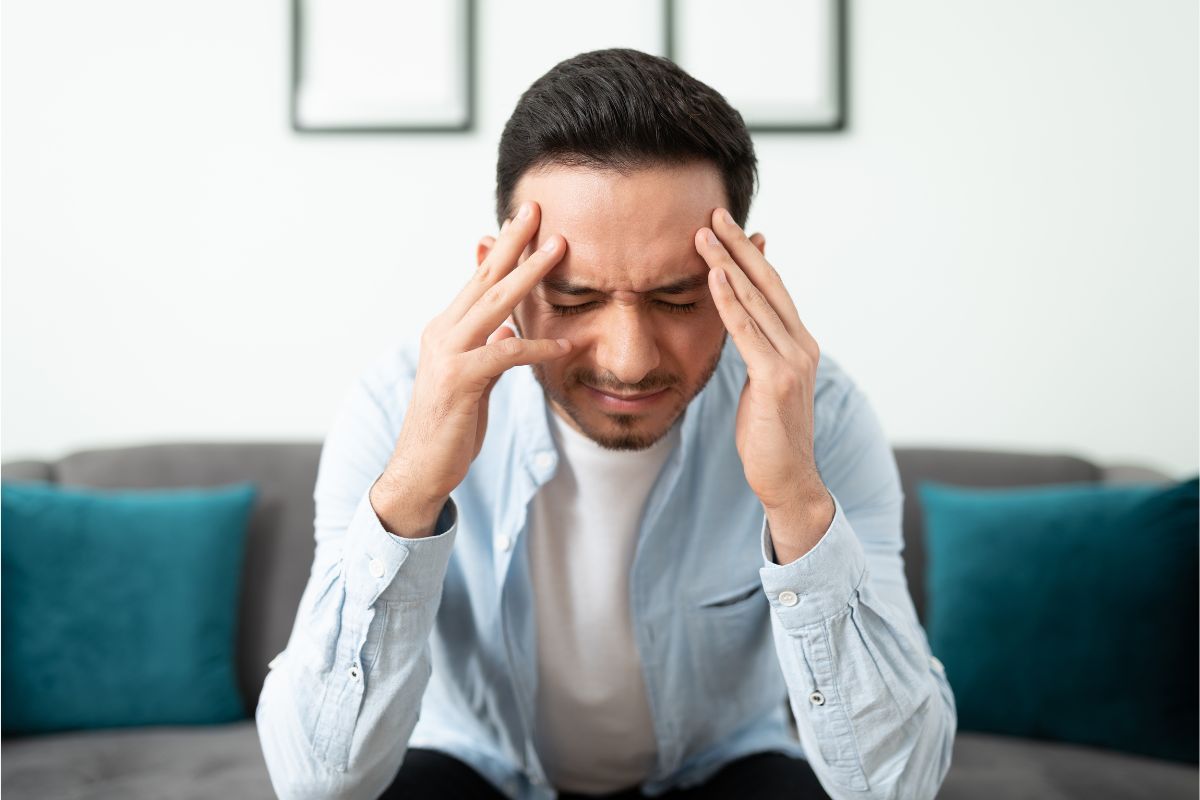
Migraine, though best known for its intense, often unilateral headache, is actually highly diverse in its symptoms and course. A key diagnostic aspect is distinguishing between migraine with aura and without aura, as each involves different prodromal symptoms and attack courses. Migraine without aura is the most common form and is characterized by episodes of moderate to very severe headache lasting from 4 to 72 hours, usually localized to one side of the head, with a typical pulsing or throbbing nature. Headache symptoms are often aggravated by daily activities – even minor exertion like climbing stairs or walking uphill can significantly worsen how a patient feels. Accompanying symptoms often include hypersensitivity to light (photophobia), sound (phonophobia), and sometimes smells, resulting in a need to be isolated in a dark, quiet room. Nausea and vomiting occur in up to 90% of those with migraine, and their intensity often correlates with the pain. A small group of sufferers also experience dizziness, general weakness, irritability, and difficulty concentrating. Subtle prodromal symptoms of the so-called warning phase, which can occur hours or days before the attack, are well documented – these include mood changes (irritability, depression, euphoria), increased appetite, fatigue, sleep troubles, or neck stiffness. In children and adolescents, migraine may present atypically, for example with bilateral pain or dominant gastrointestinal symptoms such as abdominal cramps, nausea, or vomiting without severe headache.
Migraine with aura is characterized by specific, transient neurological symptoms that occur before the headache or during its onset. Aura typically develops over 5–60 minutes and lasts up to an hour, and in some patients, aura symptoms may resolve without headache ever appearing. The most common type of aura is visual disturbance – including flashes of light, zigzag lines, floaters, hemianopia (partial loss of vision), or temporary central vision loss. Other forms include sensory symptoms (tingling, usually one-sided, in the hand, face, or tongue), speech difficulties, or hearing disturbances. Rarer but more serious forms of migraine with aura may involve unilateral limb weakness, dizziness, balance problems, or even altered consciousness. Some sufferers experience transient difficulty in expressing themselves or understanding others during aura, which may be confused with a transient ischemic attack (TIA). When the aura phase ends, migraine pain begins – the pain’s character and associated symptoms are similar to migraine without aura, though there is a greater tendency for additional neurological symptoms such as transient disorientation, impaired coordination, or anxiety. The postdromal phase – after the pain attack, in both migraine with or without aura – is a period when patients may feel exhausted, sometimes with mild headache, increased sleepiness, or irritability, symptoms which may persist from a few hours to a few days after the headache ends. It is important to remember that both forms need to be differentiated from other neurological conditions, and in the event of a first episode, unusual symptoms, or sudden increase in intensity, urgent specialist consultation is needed to rule out other potentially dangerous causes of headache.
Migraine diagnosis – when to see a specialist?
Migraine diagnosis requires a comprehensive approach, often involving cooperation between a primary care doctor and a neurologist. Despite characteristic symptoms, migraine is often mistaken for other types of headache, such as tension-type, cluster headaches, or secondary headaches related to other diseases (e.g., infections, vascular brain disorders, tumors, or meningitis). Therefore, it’s very important not to self-diagnose or treat on your own in case of recurring, severe headaches without professional consultation. Indications for seeking specialist advice are: new, unusual, or severe headaches; changing character of prior symptoms; first occurrence of aura, especially if accompanied by vision, sensory, speech, or movement disorders; and headache associated with fever, neck stiffness, confusion, or seizures. Extra care is required for sudden onset headaches (the so-called ‘thunderclap headache’), which require urgent diagnostics to exclude serious conditions such as subarachnoid hemorrhage. Medical consultation is also required for those with a family history of neurological disorders or if headache significantly impairs quality of life, work, study, or daily activities. Persistent nausea and vomiting outside of headache attacks, gradually increasing intensity or frequency of episodes, and lack of response to over-the-counter treatment are also warning signs.
The diagnostic process starts with a thorough medical interview, the most important tool for diagnosing migraine. The doctor will ask about the pain’s characteristics (location, intensity, duration), attack frequency, triggers, accompanying symptoms (nausea, vomiting, hypersensitivity to light and sound, aura), and how pain affects daily life. Family history, coexisting diseases, and current medications are also very important. Keeping a headache diary can help identify migraine patterns and assess treatment efficacy. In some cases – those with unusual neurological symptoms, long-term or worsening complaints – the doctor may order additional imaging, such as MRI or CT scans, or laboratory tests to rule out other dangerous causes. Differential diagnosis includes checking for complications like chronic migraine or transformation into daily headaches, as well as treatment side effects. Collaboration with other specialists, such as ophthalmologists or ENT doctors, may be necessary, especially if there are vision, hearing, or balance problems. Thanks to modern diagnostic criteria from the International Headache Society (ICHD-3), diagnosing migraine is now simpler and more precise, though still mainly based on detailed interview and clinical observation. Early and accurate diagnosis allows not only for effective pharmacological and preventive treatment but also for patient education on recognizing triggers, pain-coping techniques, and choosing optimal treatment methods, resulting in improved quality of life and reduced frequency of attacks.
Migraine treatment – pharmacological, home, and natural methods
Migraine treatment should be tailored individually to each patient, taking into account attack frequency, severity, accompanying symptoms, personal preferences, and any contraindications. Modern medicine offers a wide range of pharmacological solutions, including both acute and preventive treatment. Acute pharmacological treatment involves taking medicine at the onset of migraine symptoms, aiming to rapidly relieve pain and associated symptoms such as nausea or photophobia. The most commonly used drugs are non-steroidal anti-inflammatory drugs (NSAIDs – e.g., ibuprofen, acetylsalicylic acid, naproxen), which are effective for mild to moderate attacks. For more severe cases, triptans (e.g., sumatriptan, zolmitriptan) are recommended, acting directly on serotonin receptors to reduce migraine symptoms. These should be taken as early as possible in the attack to maximize efficacy. Another class, ergotamines, is less commonly used today due to the risk of side effects. For those suffering from chronic and very severe migraines, antiemetic medications such as metoclopramide or domperidone can help control nausea and vomiting. In exceptionally severe cases, opioid painkillers may be administered, though these are reserved for exceptional situations and only under strict specialist supervision due to the addiction risk.
For frequent migraine attacks (more than 4 per month), or when acute treatment proves ineffective, pharmacological prevention is recommended – long-term use of drugs aiming to reduce attack frequency, intensity, or duration. Prophylactic medications include beta-blockers (e.g., propranolol), antiepileptic drugs (e.g., topiramate, valproic acid), tricyclic antidepressants (e.g., amitriptyline), and calcium channel blockers (e.g., flunarizine). Recent years have brought the development of novel biological therapies, especially monoclonal antibodies against calcitonin gene-related peptide (CGRP), which revolutionize migraine prevention for refractory cases. The choice of prophylactic therapy should always be personalized and consider potential side effects; initiation must be consulted with a neurologist. Alongside medications, home and natural methods are increasingly important in alleviating migraine symptoms, especially while awaiting the effect of drugs or in mild attacks. Key home remedies include resting in a dark, quiet room, applying cold compresses to the forehead or neck, and practicing relaxation techniques, deep breathing, and mindfulness meditation to reduce stress, a known migraine trigger. Regular lifestyle, proper sleep, regular meals, and physical activity appropriate to your abilities are also important. Dietary changes help, such as avoiding common triggers like caffeine, alcohol, processed foods, excess sugar, or monosodium glutamate. Supportive supplements, such as magnesium, B vitamins, coenzyme Q10, or herbal extracts (e.g., feverfew – Tanacetum parthenium) can help reduce attack frequency. However, the effectiveness of supplements and herbs is individual and should be discussed with a doctor, especially when combined with pharmacological treatment. Physiotherapy techniques – massage, acupressure, acupuncture, LED light therapy – can be helpful, especially in coexisting tension-type headache components. Combining pharmacotherapy with natural and home remedies and eliminating environmental triggers is the most comprehensive approach to managing migraine and gaining better control over the disease.
Prevention and daily strategies for coping with migraine
Migraine prevention and implementation of effective daily strategies can significantly reduce the frequency and severity of attacks, improving quality of life. Awareness of your own migraine triggers and regular healthy habits can strengthen resilience against attack-provoking stimuli. One of the most important elements is keeping a migraine diary, where the patient records dates, times, circumstances of pain onset, foods eaten, stress levels, sleep duration, and accompanying symptoms. This makes it easier to identify recurring patterns and personal triggers, such as certain foods, weather changes, dehydration, or bright lights. Proper hydration is crucial – dehydration often provokes or worsens headaches, so daily water intake (typically 1.5–2 liters) is a foundation of prevention. Diet monitoring also involves avoiding foods containing tyramine (e.g., aged cheese, red wine), preservatives, or monosodium glutamate, which many patients report as triggers. Evidence also suggests that regular eating and not skipping main meals helps prevent sudden blood glucose drops, reducing the risk of triggering migraines. Sleep rhythm stability and good sleep hygiene are just as important – try to go to bed and wake up at the same time every day, even on weekends, and minimize exposure to screens and harsh light before sleep to help regenerate the nervous system.
Regular physical activity cannot be overstated – adapted to the patient’s abilities, it can extend headache-free periods and decrease intensity. Recommended are moderate aerobic exercises, such as brisk walking, cycling, or swimming, several times per week. Stress management is also key, as stress remains one of the most common migraine triggers. Proven relaxation techniques include breathing exercises, mindfulness training, meditation, gentle forms of yoga, and tai chi. Some patients benefit from cognitive-behavioral therapy, which helps identify and modify negative thinking patterns and learn how to effectively cope with emotional tension. Creating a migraine-friendly home environment is also helpful – reducing noise, using blackout blinds, blue light filters for screens, and avoiding sudden, strong odors. Mobile apps for tracking lifestyle, eating habits, and physical activity can support adherence and help rapidly identify potential deviations. Supplementation should not be forgotten in prevention – studies show advantages of magnesium, vitamin B2 (riboflavin), and coenzyme Q10, but always only after medical consultation. Some use modern supportive methods, such as biofeedback or cold therapy, which can reduce muscular tension and modulate response to environmental stressors. Education of family and surroundings plays a vital role in prevention, as a supportive work and home environment makes it easier to avoid triggers and quickly respond to the first symptoms of a looming attack. Systematic application of these strategies – always personalized – not only reduces the frequency but also shortens and alleviates migraine attacks, providing better daily control.
Summary
Migraine is one of the most common and troublesome forms of headache, influenced by genetic, hormonal, and environmental factors. Accurate diagnosis and recognition of symptoms – such as throbbing pain, photophobia, or aura – are crucial. Modern migraine treatment includes both pharmacotherapy and home symptom relief methods. Preventing migraines – trigger avoidance, healthy habits, and neurological support – allows for better control of pain attacks and improves quality of life. If you are struggling with persistent headaches, don’t wait – consult a specialist and seek appropriate treatment.