Conjunctivitis – discover symptoms, causes, treatments, and effective home remedies. Learn how to protect your eyes from inflammation.
Table of Contents
- What is Conjunctivitis? Definition and Most Common Types
- Main Symptoms of Conjunctivitis – How to Recognize Them?
- Causes of Conjunctivitis: Allergic, Bacterial, Viral
- Diagnosing Conjunctivitis – When to See an Ophthalmologist?
- How to Effectively Treat Conjunctivitis? Eye Drops, Ointments, and Home Therapies
- Prevention and Home Remedies for Conjunctivitis
What is Conjunctivitis? Definition and Most Common Types
Conjunctivitis, also known as pink eye, is one of the most common ophthalmic conditions in both adults and children. It affects the conjunctiva, which is a thin, transparent mucous membrane covering the inner surface of the eyelid and the front part of the eyeball (except for the cornea). The conjunctiva plays an essential protective role for the eye, keeping it moist and safeguarding it from pathogens, allergens, and external pollutants. When this membrane becomes inflamed, characteristic symptoms such as redness, itching, tearing, or discharge appear. Depending on the cause, conjunctivitis can take different forms, and identifying the specific type is crucial to implement effective treatment and avoid complications. The main types of conjunctivitis differ in etiology, progression, and treatment methods.
The most frequently occurring types of conjunctivitis include bacterial conjunctivitis, caused mainly by bacteria such as Staphylococcus aureus, Streptococcus pneumoniae, or Haemophilus influenzae. This condition is usually characterized by abundant, yellow-green discharge, eyelid sticking (especially after waking), and pronounced redness of the conjunctiva. Viral conjunctivitis, most often caused by adenoviruses, is highly contagious and often accompanies upper respiratory tract infections. Symptoms include watery discharge, moderate redness, and a sensation of “sand under the eyelids.” Another distinct type is allergic conjunctivitis, which is a hypersensitivity reaction to allergens such as plant pollen, dust, or animal dander. It is characterized by intense itching, tearing, redness, and swelling of the eyelids, and it frequently co-occurs with hay fever or other allergy symptoms. There are also specific forms, such as contact conjunctivitis, which results from irritation by chemicals, contact lenses, cosmetics, or medication. Autoimmune conjunctivitis, linked to rheumatic diseases and potentially leading to chronic manifestation and complications, is also diagnosed at times. Rare, though potentially severe, cases are caused by fungi, protozoa, or parasites. Each type differs not only in cause but also in the characteristics of symptoms and risk of complications. Proper diagnosis and understanding of conjunctivitis origins are key to choosing the optimal treatment method and effectively protecting eye health from recurrences and more serious ophthalmic problems.
Main Symptoms of Conjunctivitis – How to Recognize Them?
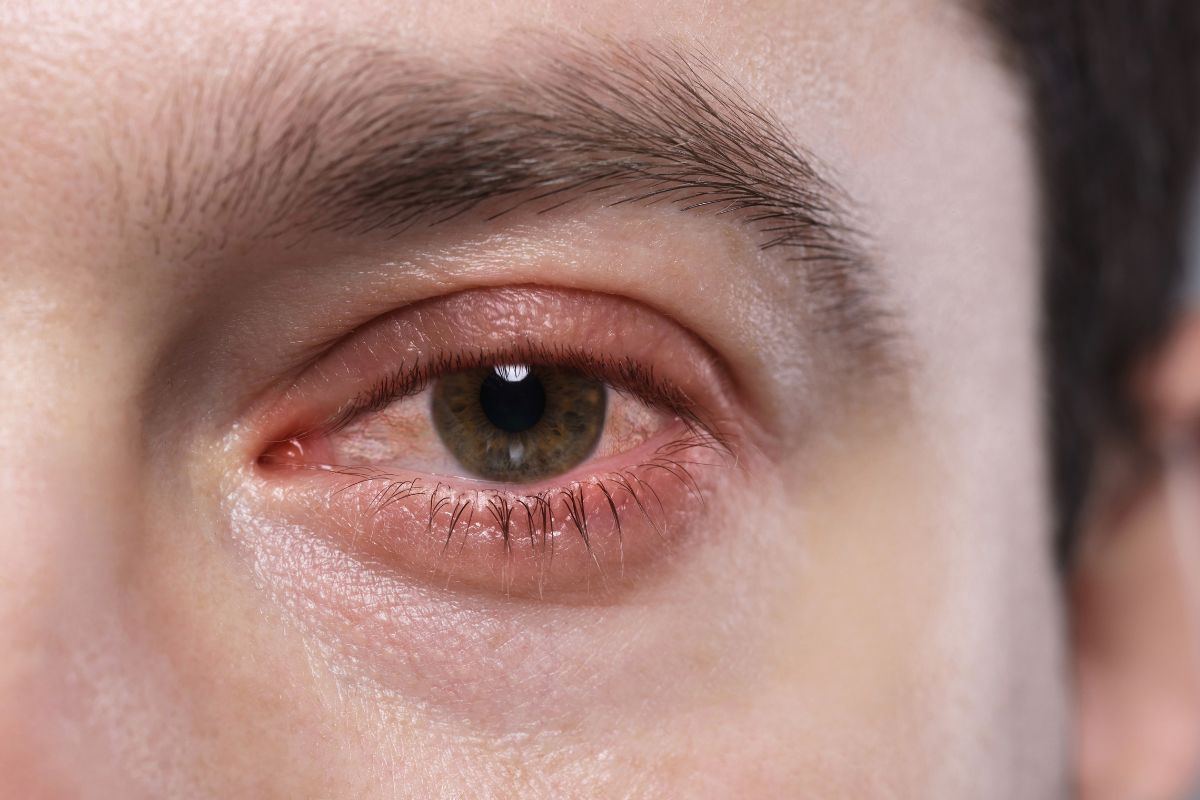
Conjunctivitis presents with a range of characteristic symptoms that help differentiate it from other eye diseases. The most common symptom is evident eye redness, resulting from dilation of small blood vessels within the conjunctiva. This color varies in intensity from mild pinkness to a deep red covering the entire eye area, usually encompassing the whole conjunctiva and even the space under the eyelids. Often, patients experience the sensation of “sand under the eyelids”—an irritating, unpleasant sensation of a foreign body, causing frequent rubbing. Other typical symptoms include excessive tearing, which can blur vision and add to the discomfort. The combination of tears and irritation can cause images to become smeared, significantly affecting daily life. In bacterial—and sometimes viral—conjunctivitis, discharge appears: in bacterial types, it is thick and yellow-green, leading to glued eyelids especially after sleep; in viral conjunctivitis, it is watery and clear. Intense itching, burning, and tearing are dominant features of allergic conjunctivitis, often accompanied by strong eyelid swelling and a heavy feeling in the eyes. Some cases bring about photophobia—patients avoid bright light, as it intensifies discomfort. Swelling of the conjunctiva and eyelids, sometimes extending to skin redness around the eyes, are other typical symptoms, especially in allergic reactions or infections. Conjunctivitis often affects both eyes simultaneously, but can initially involve one eye and later spread to the other, particularly in viral or bacterial cases.
Besides the listed symptoms, increasing sensitivity to external factors such as wind, dust, cigarette smoke, or makeup is a key warning sign. Many patients complain of temporarily blurred vision, which—though usually not permanent—can be bothersome during acute inflammation or when discharge is present. For conjunctivitis caused by mechanical factors (like contact lenses or foreign bodies), pain, burning, and localized irritation dominate. In young children and the elderly, symptoms such as tearing or redness can be more intense, and, rarely, fever and general malaise may develop, especially with viral and bacterial infections. Persistent or recurring conjunctivitis can cause chronic dry eyes, requiring medical consultation and differentiation from other diseases. People with allergies may also experience general symptoms such as sneezing, watery nasal discharge, or itching of the skin around the eyes. Conjunctivitis symptoms are not only bothersome but may also worsen throughout the day or after sleep. Proper recognition enables the swift start of effective treatment and reduces the risk of complications, including the transmission to others in viral and bacterial cases. Careful observation of these signs and their intensity is key for proper diagnosis and avoiding chronic inflammation, which can pose risks to overall vision health.
Causes of Conjunctivitis: Allergic, Bacterial, Viral
Conjunctivitis is among the most common ophthalmic conditions, and its etiology can vary. Depending on the causative factor, three main types of causes are distinguished: allergic, bacterial, and viral. Each form has its own mechanisms of development, and understanding these enables more effective prevention and treatment. Allergic conjunctivitis occurs mainly as an immune hypersensitivity reaction to allergens such as pollen, dust mites, pet dander, molds, or certain cosmetic or cleaning product ingredients. This allergic response triggers histamine release, resulting in blood vessel dilation in the conjunctiva, swelling, itching, and tearing. Symptoms are often seasonal—worse during pollen peaks—and patients with atopy may experience multiple recurrences, especially in spring and summer. Contact conjunctivitis, also allergic, is caused by direct contact with irritating substances such as contact lenses, eye drops, or environmental contaminants (like cigarette smoke or chlorine in pools).
Bacterial conjunctivitis is equally common and results from infection by Gram-positive bacteria (including Staphylococcus aureus, Streptococcus pneumoniae) or Gram-negative bacteria (such as Haemophilus influenzae, Moraxella catarrhalis). Most infections are direct: dirty hands, towels, cosmetics, or objects touching the eyes can be sources. Most at risk are children in daycare, those with poor hygiene, and contact lens users. In infants and newborns, bacteria transferred during natural childbirth (for example, Chlamydia trachomatis, Neisseria gonorrhoeae) may cause infection, necessitating immediate treatment due to high complication risk. Bacterial infections are also more common in autumn and winter when immunity is weaker. Viral conjunctivitis is most frequently caused by adenoviruses, responsible for so-called pharyngoconjunctival fever and epidemic conjunctivitis. Infection occurs through contact with an infected person’s discharge, contaminated surfaces (doorknobs, phones), or sharing personal hygiene accessories or public pools. Viral conjunctivitis may accompany upper respiratory infections or flu-like illnesses and commonly spreads rapidly to both eyes. Besides adenoviruses, other causes include herpes simplex virus (HSV), varicella-zoster virus, and, less commonly, enteroviruses. School-aged children and adults in large groups are most susceptible. Both environmental exposure to microorganisms and allergens, as well as the patient’s immune status—such as weak immunity, fatigue, chronic stress, or concomitant diseases—can significantly increase the risk of conjunctivitis. Therefore, everyday hygiene habits, proper eye care, careful choice of cosmetics and cleaning products, and protecting the eyes from direct exposure to inflammatory triggers are essential for prevention.
Diagnosing Conjunctivitis – When to See an Ophthalmologist?
Proper diagnosis of conjunctivitis is essential to implement effective treatment and prevent complications, especially as symptoms of different types may overlap or mimic other eye diseases. You should especially see an ophthalmologist if you experience intense redness, eye pain, noticeable vision deterioration, or if symptoms persist for more than a few days despite using home remedies. Immediate consultation is also necessary if there is purulent discharge, swollen eyelid areas, fever, or if symptoms occur in children, the elderly, pregnant women, or those with weakened immune systems. Frequently, conjunctivitis is diagnosed based on typical clinical presentation, but the ophthalmologist will conduct a detailed interview about symptom duration, potential triggers, contact with people suffering from viral or bacterial infections, and the circumstances of symptom onset. If allergic conjunctivitis is suspected, the specialist may ask about symptom seasonality, other atopic conditions, and possible exposure to home or environmental allergens. It is also very important to determine if the patient uses contact lenses, as this increases the risk of complications, including corneal inflammation, which requires immediate specialized treatment.
Diagnostic Methods and Supportive Tests in Conjunctivitis Recognition
In the ophthalmologist’s office, a visual assessment and slit-lamp examination are performed, allowing a detailed view of the conjunctiva and cornea, and detection of possible damage or features suggesting more serious conditions, such as corneal ulceration or foreign bodies. In some cases—particularly if symptoms persist or an atypical course is suspected—the ophthalmologist may take a conjunctival swab for bacteriological or virological testing. Such microbiological studies allow for the definite identification of the causative factor and guided treatment, especially important for chronic, recurring, or treatment-resistant cases. For repeated or long-lasting complaints, and when additional systemic symptoms are present, the ophthalmologist may recommend extended diagnostic tests, such as blood tests (for inflammatory markers or autoimmune diseases), allergy testing, or eye/orbit imaging. The diagnosis should also differentiate from dry eye syndrome, immune variants, or other ophthalmic diseases that may mimic conjunctivitis symptoms. Alarm signals requiring immediate ophthalmological consultation include: pain intensifying with eye movement, significant vision deterioration, copious purulent discharge, conjunctival vesicles, or systemic symptoms (such as fever or severe malaise). Differential diagnosis is particularly important in patients with chronic illnesses, immunosuppression, or contact lens users, who are at increased risk of serious complications such as corneal ulcer or endophthalmitis. Therefore, any lengthy, atypical, or severe conjunctivitis should be assessed by a specialist, who will determine the appropriate range of tests and indicate the safest and most effective treatment methods.
How to Effectively Treat Conjunctivitis? Eye Drops, Ointments, and Home Therapies
Treatment of conjunctivitis should be tailored to the causative factor and symptom severity, which is why prior diagnosis is so important. In bacterial conjunctivitis, topical antibiotics in the form of drops or ointments—common substances include chloramphenicol, tobramycin, or neomycin—are most effective and typically used for 5 to 7 days. For bacterial infections, it’s important to systematically apply these as prescribed, as premature cessation can cause relapse or bacterial resistance. Viral conjunctivitis—especially the common forms caused by adenoviruses—usually resolves on its own, and treatment is symptomatic. Artificial tears in the form of moisturizing drops soothe irritation, decrease discomfort, and support natural conjunctival regeneration. For herpes virus (HSV)-induced inflammation, acyclovir ointment is used, but this type should always be treated under an ophthalmologist’s supervision. Allergic conjunctivitis treatment centers on avoiding the allergen and the use of antihistamine eye drops (such as olopatadine, ketotifen, or azelastine). Sometimes, doctors may also prescribe steroid eye drops or ointments, but long-term use must be closely monitored due to possible side effects. Over-the-counter, milder preparations with soothing ingredients like chamomile or eyebright are also available—though these may help, they do not replace professional therapy for persistent or severe symptoms.
Besides pharmacology, many people wonder how to effectively support conjunctivitis treatment at home to reduce symptom duration and minimize complication risk. Home methods such as gentle rinsing of the eyes with sterile saline solution (0.9% NaCl) are widely recommended for all types of conjunctivitis—they remove discharge, decrease irritation, and improve comfort. Use sterile gauze or cotton pads for rinsing and use a separate pad for each eye to prevent cross-infection. Cold compresses (such as a clean, sterile towel soaked in cool water) can also help—soothing swelling, itching, and burning, especially in allergic or viral types. Avoid rubbing your eyes, using contact lenses during inflammation, and maintain high hand and environmental hygiene. Contact lens wearers should refrain from lens use until symptoms resolve and disinfect or replace cases and lenses. During the illness, do not share towels or linens, and change pillowcases daily. Some patients use natural remedies such as chamomile or eyebright infusions for gentle eye compresses, but remember, not every case is suitable for herbs—people with allergies or sensitivities should consult a doctor first. In all cases—both pharmaceutical and home-supported—it’s critical to monitor your symptoms and respond quickly should they worsen or not resolve, as prolonged or severe conjunctivitis requires an ophthalmological checkup and potentially more advanced interventions.
Prevention and Home Remedies for Conjunctivitis
Effective conjunctivitis prevention requires proactive actions to protect against infection and the use of appropriate home methods that can support eye comfort and reduce inflammation risk. The key element is strict hand hygiene—frequent and thorough washing with warm water and soap significantly reduces the chance of transmitting germs to the eye. This is particularly important for children, public transport users, and office workers who touch shared surfaces often. Prevention includes avoiding rubbing eyes, sharing towels, pillowcases, cosmetics, or other items touching the eye area, as these are common vectors for bacteria and viruses. Contact lens wearers should disinfect their lenses and cases properly and follow producers’ guidelines regarding usage periods. Do not wear lenses during eye infections or sleep in them unless specifically intended, to prevent complications. Regularly wash and iron bed linen, pillowcases, and towels as these are in close contact with the face and can harbor microbes. During high airborne pollen concentrations, limit ventilation on dry, windy days; frequently wash the face and eyes; and use air filters or humidifiers to decrease allergens in the air. For allergy sufferers, wearing sunglasses provides mechanical protection of the conjunctiva from irritating wind, dust, and allergens and also helps prevent excessive tearing.
Home remedies for conjunctivitis focus mainly on symptom alleviation, supporting natural regeneration, and preventing infection spread. One basic method is cold compresses, which help minimize swelling, itching, and burning—just apply a clean, cooled compress to closed eyelids for a few minutes, several times a day. Another is saline rinses—washing eyes with pharmacy-bought sterile saline gently cleanses the conjunctiva, soothes irritation, and reduces secondary infection risk. Always use separate wipes for each eye to avoid cross-infection. Herbal teas, mainly chamomile or eyebright infusions, are popular for their soothing and anti-inflammatory properties—ensure these are fully cooled and prepared under clean conditions, as allergic reactions are still possible, especially for the sensitive. Never instill homemade substances such as honey, lemon juice, or milk into the eye—they may worsen inflammation or damage delicate ocular tissues. Those with recurring infections should avoid exposure to cigarette smoke, dust, and other environmental irritants that could trigger relapses. Always thoroughly wash hands and disinfect surfaces after contact with eye discharge—such as doorknobs, faucets, eyewear frames, keyboards, or smartphones touched by the ill person. Limit face touching because even brief contact of dirty hands with the eye area can cause infection. Avoid public pools when symptomatic and only use personal towels and hygiene supplies. A diet rich in vitamins A, C, and E, zinc, and omega-3 fatty acids helps maintain healthy mucous membranes and boosts immunity—particularly important in seasons with higher infection rates. Regular exercise, proper hydration, and attention to sleep hygiene also support general immunity and faster recovery from eye infections. If symptoms persist or worsen despite home interventions, consult an ophthalmologist to avoid complications and permanent vision damage—improper treatment or neglecting symptoms may lead to chronic inflammation or deeper infection.
Summary
Conjunctivitis is a common ophthalmic condition, the symptoms of which—such as redness, itching, or tearing—can significantly disrupt daily functioning. Fast symptom recognition and cause identification (allergic, bacterial, viral) are key for starting effective treatment. Most cases are treated with drops, ointments, and proper hygiene measures, while mild cases may respond to home remedies. Remember prevention and eye hygiene to reduce the risk of recurrence. If symptoms persist, always consult an ophthalmologist.