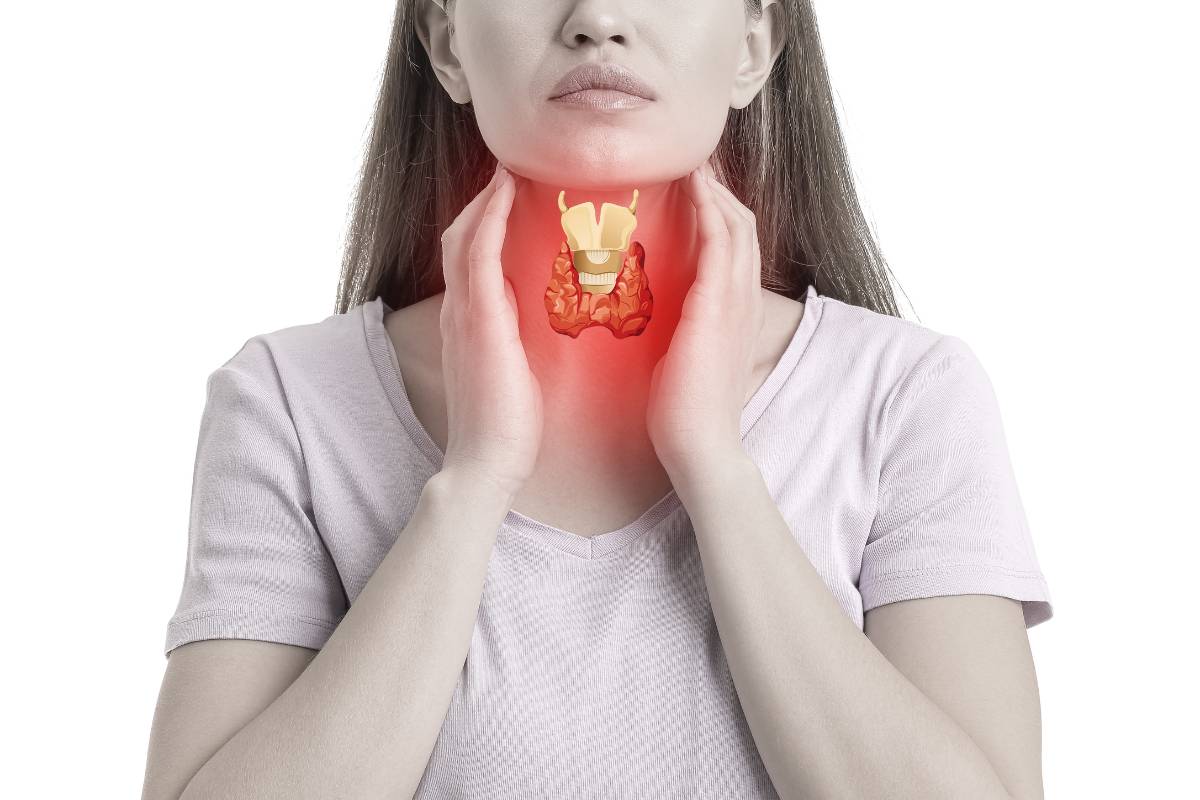
Learn about the symptoms, causes, and effective treatments for thyroid nodules. Find out when nodules are dangerous and what diagnostic process looks like.
Table of Contents
- What are thyroid nodules? Definition and types of changes
- The most important symptoms of thyroid nodules – how to recognize them?
- The most common causes of thyroid nodule development
- Diagnosis of thyroid nodules – recommended tests
- Modern methods for treating thyroid nodules
- Are thyroid nodules dangerous? Prognosis and prevention
What are thyroid nodules? Definition and types of changes
Thyroid nodules are well-defined, palpable, or visible changes within the structure of this gland, which differ from healthy tissue in terms of consistency, size, and structure. The occurrence of thyroid nodules is relatively common – it is estimated that up to 50% of the adult population may have them to varying degrees, with most showing no symptoms and being detected incidentally, for example during a neck ultrasound. Nodules can appear as a result of various processes, such as non-neoplastic growths, neoplastic changes, cysts, or localized inflammations. Most often, we deal with single (solitary) or multiple nodules, and their diameter ranges from a few millimeters to several centimeters. Nodules can be palpable to the patient or physician, but many are too small to be detected without specialized imaging diagnostics. It is also important to distinguish functional (so-called hot) nodules, which produce excess amounts of thyroid hormones, from non-functional (cold) nodules, which show no endocrine activity. From a medical perspective, it is crucial to differentiate benign nodules, which are non-cancerous, from malignant changes – although the vast majority of thyroid nodules (even up to 95%) are benign, every newly diagnosed nodule requires careful evaluation and monitoring for thyroid cancer risk.
Based on clinical and imaging tests, several main types of nodular thyroid changes are distinguished. The first broad category includes benign nodules, such as follicular adenomas, thyroid cysts, colloid proliferation foci, and inflammatory changes – for example those accompanying chronic thyroiditis like Hashimoto’s disease. Follicular adenomas are the most common benign thyroid tumors, resulting from local cell proliferation but lacking tendencies to invade tissues or form metastases. Cysts are fluid-filled, sometimes bloody, lesions that may result from colloid nodule collapse or arise spontaneously. Solid nodules made of glandular tissue are much rarer. The second major group involves potentially malignant nodules and neoplastic changes, such as papillary carcinoma (the most common cancer type), follicular carcinoma, medullary carcinoma, and anaplastic carcinoma, each with different growth dynamics and prognosis. Some malignant nodules arise from pre-existing benign lesions, although their exact origin is not always clear. Ultrasound imaging is helpful in diagnostics, allowing risk trait assessment – for example, the presence of microcalcifications, irregular margins, or hypoechogenicity. Nodules can also be divided into autonomous ones, functioning independently of pituitary hormones (TSH) – these often result in hyperthyroidism and manifest as accelerated metabolism, weight loss, hand tremors, or excessive sweating. Non-functional nodules do not produce hormones and usually do not cause these symptoms. In clinical practice, distinguishing between single and multiple changes is also crucial – if multiple nodules occur, we speak of multinodular goiter, which is especially common among people in regions with low iodine diets. In summary, thyroid nodules form a highly heterogeneous group of changes differing in structure, function, malignancy potential, and appropriate treatment method, requiring each case to be individually evaluated by an endocrinologist for proper diagnostic and therapeutic management.
The most important symptoms of thyroid nodules – how to recognize them?
Thyroid nodules very often develop without symptoms, which means many people learn of their existence incidentally – during routine medical exams, neck ultrasound, or other diagnostic procedures. Typical symptoms usually only appear when the nodule grows larger or affects thyroid gland function, disrupting hormone production. Early recognition of nodules is challenging since both benign and malignant changes may remain clinically silent for a long time. However, when the nodule enlarges, symptoms associated with compression of adjacent neck structures may appear. The most characteristic symptoms include a palpable or visible lump in the lower neck area, neck asymmetry, a sensation of obstruction when swallowing, discomfort or mild pain in the thyroid area, and in more advanced cases – hoarseness, breathing difficulties, or cough unrelated to infections. These complaints intensify especially during swallowing of larger bites or external mechanical pressure, such as wearing tight collars. Attention should be paid to rapid nodule growth – this is a warning sign, especially if accompanied by compression symptoms or enlarged regional lymph nodes. Women and elderly people more often report palpable hard structures or an enlarged neck circumference. Exceptionally, in children and adolescents the presence of a nodule should always raise suspicion, as it carries a higher risk of malignancy.
In addition to typical local symptoms, systemic symptoms may suggest that the nodule is hormonally active. Functional nodules, which independently produce thyroid hormones regardless of the body’s control mechanisms, may induce hyperthyroid symptoms: rapid heartbeat, excessive sweating, hand tremors, unexplained weight loss, nervous hyperactivity, or sleep disturbances. Conversely, if a nodule leads to thyroid insufficiency, symptoms like weakness, feeling cold, weight gain, dry skin, constipation, and drowsiness can occur. Indications for diagnostics also include symptoms such as recurring throat pains unresponsive to therapy, shortness of breath worsening in the lying position, or persistent hoarseness with no clear cause. A concerning situation is a family history of thyroid cancers or autoimmune thyroid diseases – in such cases, even apparently minor or non-specific symptoms merit urgent endocrinological evaluation. Particular attention should be given to changes suddenly occurring in men, people with a history of neck irradiation, and patients with rapidly progressing abnormalities. It’s important to remember that symptom presence does not always mean malignancy – most thyroid nodules are asymptomatic, and when symptoms do appear, in-depth diagnostic processes with neck ultrasound and possible fine-needle biopsy are required to determine change character and initiate proper treatment.
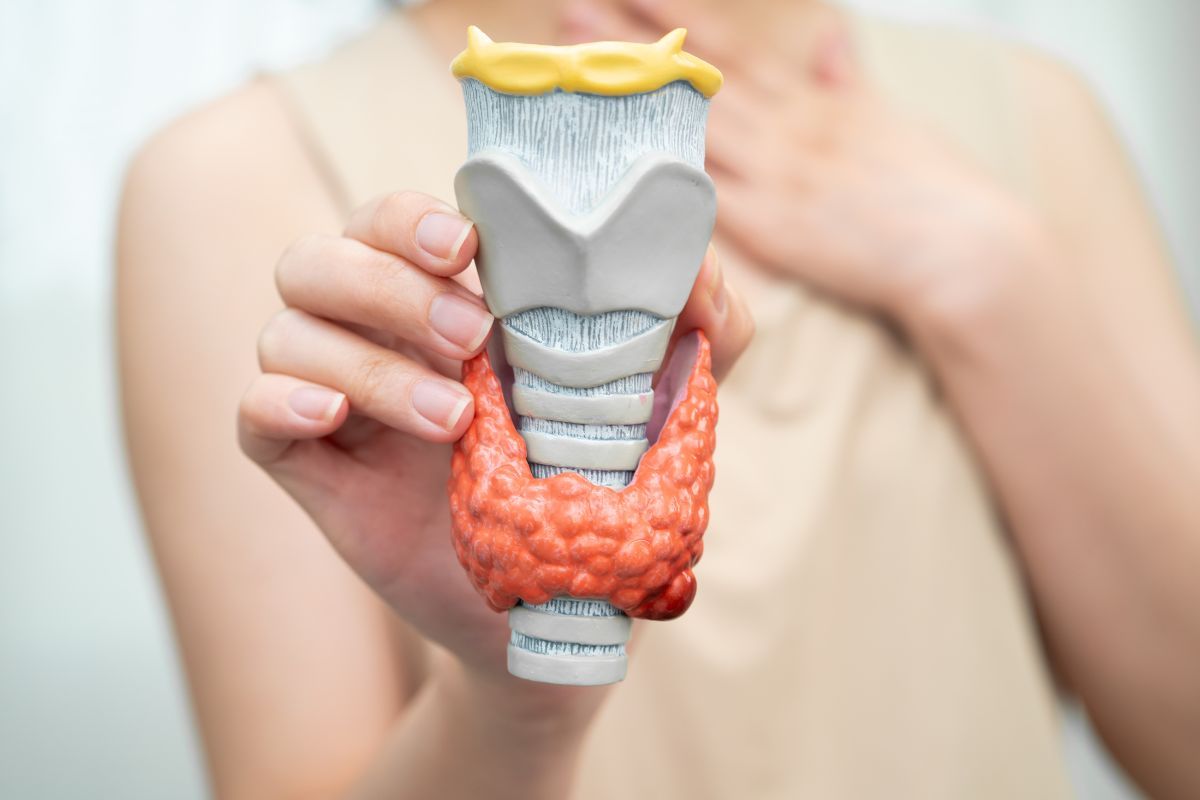
The most common causes of thyroid nodule development
The formation of thyroid nodules is a complex phenomenon involving a wide spectrum of causes, which may be benign or potentially dangerous for health. Most commonly, nodules develop as a result of benign proliferative processes, such as thyroid tissue hypertrophy caused by uneven distribution of glandular cells, leading to so-called nodular overgrowths. A key factor favoring this pathology is iodine deficiency in the diet. Iodine is essential for thyroid hormone synthesis, and its absence causes increased activity of TSH (thyrotropin), resulting in compensatory thyroid cell proliferation and formation of both solitary and multiple nodules. In many regions where iodine supply is limited, greater incidence of so-called multinodular goiters is observed. Besides iodine deficiency, other environmental factors promote nodule formation – exposure to toxins, ionizing radiation (especially in childhood), pollution, and smoking. Importantly, a history of radiotherapy to the neck or chest significantly increases the risk of developing potentially malignant nodular lesions even many years after treatment. Genetic predispositions deserve particular attention – a family history of thyroid tumors, especially papillary or medullary carcinoma, increases risk of cancerous nodules. Benign cystic changes are also common, resulting from local bleeding, necrosis, or degenerative changes in already existing nodules; these are often asymptomatic and discovered only during ultrasound exams.
Hormonal and autoimmune disorders play a significant role in the etiology of thyroid nodules. An example is Hashimoto’s thyroiditis, where chronic inflammation causes tissue damage followed by reactive cell proliferation in areas of focal necrosis. Such chronic autoimmune thyroiditis increases the risk of both nodules and cancers in the gland. Hyperthyroidism, i.e., excess hormone production (e.g. in Graves’ disease), can generate so-called hot, autonomous nodules, which independently synthesize hormones without pituitary control. Other rare causes include inflammatory nodules, e.g. following subacute or bacterial thyroiditis, and any injury leading to local fibrosis and structural remodeling. Malignant changes should not be disregarded – both benign adenomas and malignant thyroid cancers, which most often present as a solitary, hard nodule. In some cases, a nodular mass can be the first manifestation of an underlying malignancy. Additionally, risk of developing nodules is influenced by factors such as gender (more common in women), age (nodule frequency increases with age), hormonal imbalances (including pregnancy or menopause), and coexisting metabolic disorders, all of which may increase susceptibility to nodular thyroid changes. The complexity and diversity of mechanisms leading to nodules requires physicians to adopt a holistic approach to diagnostics and individual assessment of every patient, considering environmental, genetic, and health status factors.
Diagnosis of thyroid nodules – recommended tests
Diagnosis of thyroid nodules is a multi-stage process aimed at identifying the nature of the change, assessing the malignancy risk, and planning appropriate treatment. The initial stage requires taking a thorough medical history, including questions about nodule growth rate, general symptoms, family history of cancer, and previous thyroid diseases. A very important diagnostic tool is a neck palpation exam, where the doctor assesses the nodule’s size, consistency, mobility, and number, and checks whether it causes pain or moves during swallowing. At this stage, only some clinical features can be determined, which is why further steps rely mainly on imaging and laboratory tests.
The basic and most accessible test in the diagnosis of thyroid nodules is ultrasound (USG), which allows precise assessment of the number, size, and morphology of nodules. USG also enables analysis of so-called ultrasound features of malignancy risk, such as irregular borders, microcalcifications, hypoechogenicity, increased vascularization, or enlarged lymph nodes. Based on these data, patients can be referred for further diagnostic workup, where the key role is played by fine-needle aspiration biopsy (FNA). This biopsy involves sampling cells from the nodule under ultrasound guidance for microscopic evaluation. The cytological result classifies the lesion as benign, suspicious, or malignant, enabling further surgical or conservative treatment planning. Additional laboratory tests complement imaging diagnosis, especially the determination of thyroid hormone levels (TSH, FT3, FT4), anti-TPO and anti-TG antibodies, and calcitonin, especially when medullary carcinoma is suspected. In selected cases, thyroid scintigraphy is performed, an isotope examination assessing the metabolic activity of nodules. Scintigraphy distinguishes hot (hormonally active) from cold (inactive) nodules, which is important for differential diagnosis and therapy planning. Less commonly, CT or MRI is conducted, mostly in cases of extensive, unclear changes extending beyond the thyroid. In comprehensive diagnostics, factors such as age, gender, family history, and environmental factors (radiation exposure or smoking) should be considered, as they significantly increase cancer risk. In clinical practice, risk algorithms and USG classification systems, e.g., TIRADS, are increasingly valuable, facilitating standardization of lesion assessment and improving decisions about biopsy or surgery. Diagnosis of thyroid nodules therefore requires close collaboration among endocrinologists, radiologists, and pathologists, with effective diagnostic pathways allowing for rapid diagnosis, risk assessment, and selection of optimal therapy strategies while minimizing unnecessary interventions and improving patient comfort.
Modern methods for treating thyroid nodules
Contemporary diagnosis and treatment of thyroid nodules, in the face of increasing detection rates, is dynamically evolving, offering patients ever more precise and minimally invasive solutions. Choice of treatment depends on many factors, primarily the nodule’s size, type, hormonal activity, malignancy risk, and patient’s overall health. For most people with small, benign, non-functional nodules, a “watchful waiting” approach is used with regular USG monitoring and thyroid hormone levels control. Only if the nodule enlarges, compression symptoms appear, or cancer is suspected is active treatment considered. An important recent development is the spread of minimally invasive methods, limiting the need for conventional surgery. These modern techniques include ablation – particularly radiofrequency ablation (RFA), laser therapy (LITT, laser-induced interstitial thermotherapy), microwave ablation (MWA), and cryoablation. These procedures involve targeted tissue destruction via probes inserted percutaneously under USG guidance, with the patient under local anesthesia. Thermal ablation is especially valued for treating large benign nodules causing compression or significant cosmetic discomfort, with advantages like short recovery, low complication rates, and preservation of normal thyroid function. For patients unfit for surgery, ablation is often recommended. For solitary cystic nodules, ethanol sclerotherapy – injecting alcohol to induce fibrosis and shrinkage – is gaining popularity.
While surgery remains the gold standard for malignant changes, modern endocrinology more often relies on innovative tools so that surgical procedures are restricted to only necessary cases. Classic thyroidectomy (partial or total removal of the thyroid) is usually reserved for cancer suspicion, large symptomatic nodules, or where other methods failed or are contraindicated. The development of minimally invasive techniques, including endoscopic or robotic surgery, results in less tissue trauma, shorter hospital stays, and better cosmetic outcomes. For confirmed cancerous changes, radioactive iodine therapy – selectively destroying residual thyroid cells with iodine-131 – supplements surgery, significantly reducing recurrence and metastasis risks. Targeted therapies and immunotherapies, which act on specific molecular cancer mechanisms, offer new prospects for patients with complex thyroid cancer, allowing for more effective, less burdensome systemic treatment. Pharmacological support is also important — for benign changes, especially in patients with hypo- or hyperthyroidism, hormone therapy (thyroxine) is used to reduce TSH stimulation and improve metabolic outcomes. Increasingly precise molecular diagnosis better characterizes tumors and predicts behaviors, enabling individualized treatment and minimizing unnecessary interventions. Therefore, modern therapy of thyroid nodules requires a broad perspective, merging diagnostic team expertise with access to the latest technologies to ensure optimal therapeutic outcomes and high quality of life both in the short and long term.
Are thyroid nodules dangerous? Prognosis and prevention
Thyroid nodules, though common in adults, often cause concern due to the potential risk of thyroid cancer and endocrine complications. However, most detected changes are benign, with only a low risk of malignancy or serious health threats – studies suggest that only about 5–15% of all thyroid nodules are neoplastic. Especially in women, older adults, and inhabitants of iodine-deficient regions, the presence of nodules doesn’t usually entail severe health consequences. The key element is evaluation of the lesion’s characteristics – benign nodules rarely become malignant, usually don’t affect hormone balance, and their observation and regular control help avoid unnecessary interventions. If nodules with features suggesting potential malignancy are detected (rapid growth, irregular USG borders, calcifications, enlarged lymph nodes), extended diagnostics and, if needed, surgery is required. Prognosis for those with benign nodules is excellent – modern therapies allow rapid intervention even when cancer features are present, and thyroid cancer mortality is among the lowest of all cancers. Still, some nodules – especially hormone-producing ones – can cause cardiac complications, osteoporosis, or metabolic disorders, mainly affecting older patients or those with comorbidities. Individualized management and reliable diagnostics are thus crucial for early detection of alarming changes and selection of the most effective yet least invasive therapy.
Prevention of thyroid nodules is based on several key pillars, which are especially worthwhile for people at increased risk or with genetic predispositions. The first and most important element is maintaining proper dietary iodine levels – foods rich in iodine, such as sea fish, seafood, or iodized salt, should be a permanent part of the menu. A balanced diet rich in vegetables, vitamins, and antioxidants not only supports general immunity but also healthy thyroid function, reducing benign change risk. Limiting environmental toxin exposure, avoiding neck ionizing radiation, and quitting smoking also help minimize nodule-inducing factors. Regular health checks are crucial, especially for people over 40, those with a family cancer history, or with autoimmune thyroid diseases (like Hashimoto’s or Graves’ disease). Self-examination of the neck and periodic USG enable early detection of worrisome changes and rapid intervention. Genetic and molecular diagnostics are gaining significance, especially for people with a positive family history, helping identify individuals particularly prone to malignant thyroid cancers. Modern medicine emphasizes a healthy lifestyle, moderate physical activity, and stress reduction, which indirectly support both immune and endocrine systems. For those with diagnosed nodules, following endocrinologist recommendations, regular monitoring, and close cooperation with specialists translates to quick complication detection and allows for a high quality of life over many years. It’s important not to downplay even seemingly harmless symptoms and to use all available diagnostic and preventive tools to reduce risk of serious health consequences associated with thyroid nodules.
Summary
Thyroid nodules are a common health issue that do not always entail serious complaints but should never be neglected. Attention to characteristic symptoms, such as increased neck circumference, swallowing difficulties, or voice changes, is crucial. Understanding the causes and undergoing appropriate diagnostic tests allows for rapid implementation of effective treatment. Contemporary medicine offers advanced therapies that help effectively manage thyroid nodules and minimize complication risk. Regular check-ups and healthcare monitoring are the foundation of thyroid health.