
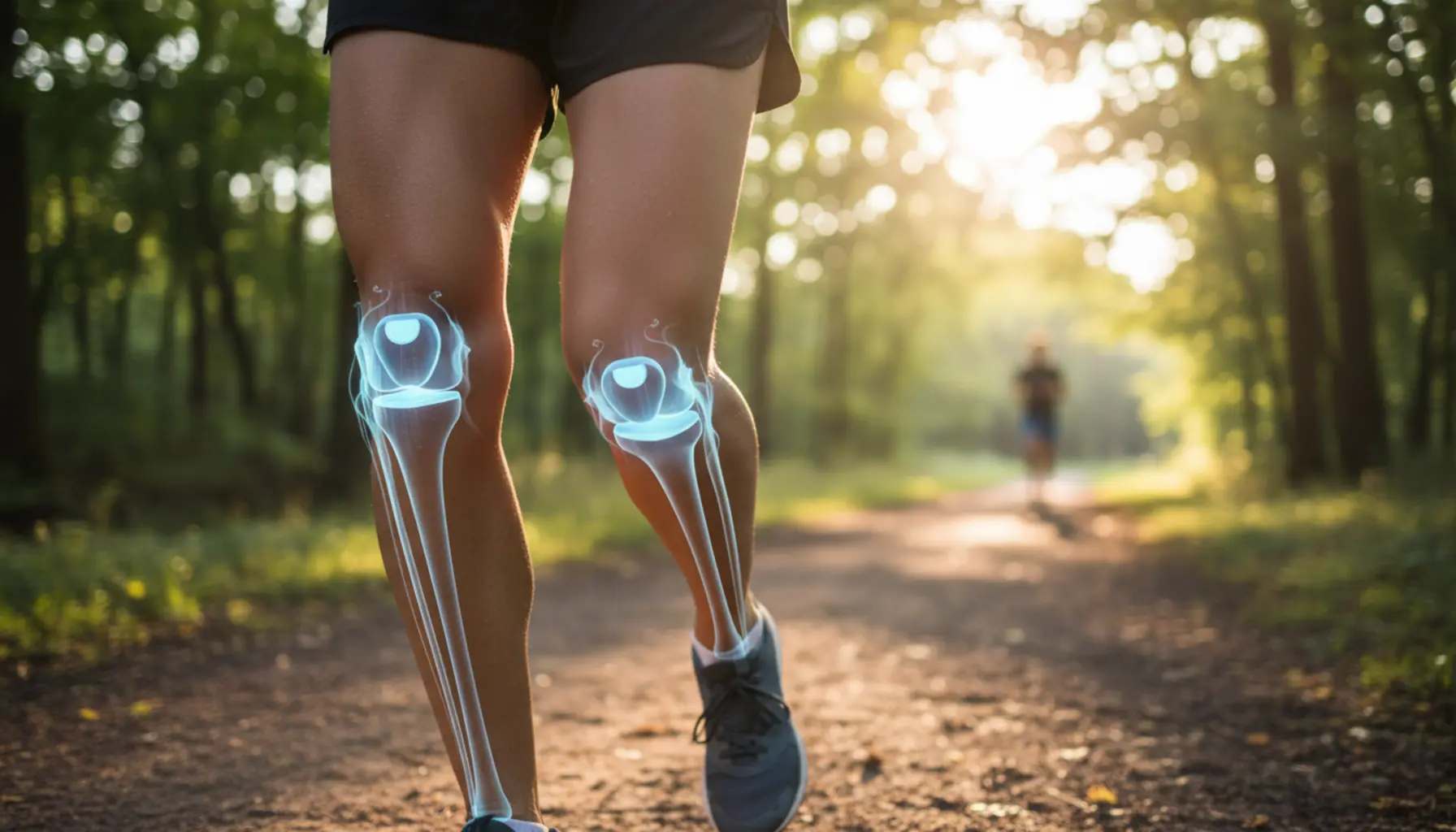
Running and joints is a topic that sparks much controversy and misunderstanding. Common myths effectively discourage people from running, inciting fear of injuries, even though scientific evidence indicates otherwise. Discover the facts that will help make running a safe and health-promoting choice.
Table of Contents
- What Myths Surround Running?
- What Does Scientific Research Say About Running and Joints?
- Healthy Running: How to Avoid Injuries
- Health Benefits of Running
- Best Running Techniques for Joint Protection
- Facts and Myths: Running and Osteoarthritis
What Myths Surround Running?
There are a surprising number of myths surrounding running that can effectively discourage beginners or keep experienced runners in unnecessary fear of injury. The most popular is: “running destroys your knees.” It’s often repeated by those who have never run regularly or whose only running experience was without preparation, in inappropriate shoes, or with excess weight—and then they blame knee pain solely on running. In reality, scientific research increasingly shows the opposite: for the majority of healthy people, moderate, regular running not only doesn’t speed up cartilage wear but can actually improve its nourishment and help maintain normal structure, as movement improves tissue circulation and supports joint metabolism. Nonetheless, the “destroyed knees” myth persists in family conversations, media, and online forums, often without understanding that proper running technique, training volume, body weight, and prior injury history play key roles. Another common simplification is the belief that “running is unhealthy because it overburdens the ankles and hips.” Yes, running is a weight-bearing sport—at every step, the joints absorb multiple times the bodyweight—but this also strengthens bones and ligaments, provided the load increases gradually. When someone suddenly jumps into intense training on hard surfaces in the wrong shoes without preparation, the risk of injury increases; it’s then easy to blame “running itself” instead of a lack of adaptation and typical training mistakes. Another popular myth states that “all runners inevitably face arthritis in old age”—that is, degenerative joint disease. However, plenty of studies comparing long-distance runners to sedentary individuals show no higher incidence of arthritis among recreational runners and, in some analyses, runners even showed a reduced risk of degenerative changes compared to the inactive. There’s also the misconception that every “shooting pain” or click in a joint during movement must mean serious damage and a ban on running—such joint sounds are often physiological, though of course persistent, worsening pain requires medical consultation.
Another frequently repeated stereotype is the notion that “running is bad for the spine,” since shocks at each step supposedly “break down” intervertebral discs. This oversimplifies the fact that our musculoskeletal system—feet, ankles, knees, hips, and torso muscles—acts as a natural shock absorber. With properly chosen intensity, technique, and muscle strength, running can help stabilize the spine and improve blood flow to paraspinal structures. The problem is not the movement itself, but excess or improper loading of an unprepared body. Another myth is that “running on hard surfaces is always harmful,” when in fact, for many people, asphalt surfaces are predictable and stable, and modern running shoes provide effective cushioning. Of course, varying the surface (forest, track, soft paths) can be beneficial, but the key is individual adjustment—not categorical bans. There’s also a theory that “being overweight excludes running, as the joints will fall apart”—yet a sensible activity program combining walking and jogging can be one of the most effective ways to reduce weight and relieve the joints over time. The myth that “only fast, hard runs make sense training-wise” is also widespread, pushing beginners into overly intense efforts and leading to pain and overloads. As a result, it’s not running itself that creates problems, but inadequate intensity and lack of recovery breaks. You may also hear that “if running ever made your joints hurt, you have to give it up forever”—which is one of the most damaging beliefs. Reality is usually more nuanced: the pain may have come from temporary overload, an unresolved injury, weak stabilizing muscles, or poor technique. After proper diagnosis, physiotherapy, and training modifications, many people return to running safely. Among the myths is the belief that “genetics determine everything—if you have weak joints, that’s the end of the road.” Yet genetic predispositions are only one part of the puzzle; the way we care for muscle strength, mobility, diet, recovery, and load dosing plays a huge role. Lastly, some believe that “runners always end up with knee replacements,” ignoring the fact that those qualifying for joint replacement surgery are more often people with longstanding excess weight, little physical activity, uncontrolled diabetes, or hypertension—those who commonly avoided regular movement, including running. All these myths have a common denominator: they oversimplify the complex operating mechanisms of joints and place the blame on activity itself, rather than on how it’s done.
What Does Scientific Research Say About Running and Joints?
Contrary to popular belief, scientific reviews from recent years show that running is by no means a fast track to destroyed joints—and in many cases even supports joint health. Numerous meta-analyses and population studies comparing runners with inactive people indicate that regular runners have a risk of developing osteoarthritis of the knee and hip comparable to or even lower than those leading sedentary lives. Scientists explain this with the so-called protective effect of moderate loading: articular cartilage, instead of “wearing out,” adapts to repeated mechanical stimuli, while blood flow improves around the joint structures, and the muscles and ligaments stabilizing the joints become stronger. MRI studies show that after longer runs, cartilage indeed decreases in volume temporarily, but after a few hours or days, parameters return to normal—indicating a natural adaptation process, not permanent damage. Moreover, long-term observations of marathon runners have demonstrated that most do not experience significantly faster progression of degenerative changes than the general population, provided there are no prior serious injuries and reasonable training planning. The key distinction here is between recreational, systematic running and extreme overloading of the body—studies suggest it’s extreme training, frequent racing without enough recovery, or ignoring pain that increases joint risk, not running itself. Also interesting are studies comparing runners with those practicing sports that minimally strain the joints, like swimming or cycling. It turns out that in many aspects—mineral bone density, knee stabilizing muscle strength, or flexibility of periarticular structures—runners fare better, though this depends on training intensity and volume. It’s also worth noting increasingly numerous longitudinal studies tracking the same group for many years: in such work, runners typically not only do not have worse joints but also report less knee pain and better functional capacity in old age than inactive individuals. This is an important argument against the notion that “the less you use your joints, the longer they’ll last”—the data suggests the opposite: joints that are regularly and appropriately loaded remain healthier in the long run.
This doesn’t mean that all running is automatically safe—studies clearly show that the risk of overloads and injuries rises with poor technique, too rapid increases in training volume, or certain risk factors. Researchers examine, among others, body weight, type of surface, shoes, and running style impacts. For overweight and obese people, running does indeed generate greater forces on the knees, but numerous studies show that, after proper preparation and often combined with other forms of movement, running can effectively reduce bodyweight, and in the long term, relieve joints, which is one of the key preventive factors against osteoarthritis. Surface studies show that differences in joint loading between asphalt, track, or forest trails are smaller than commonly thought—the landing technique, stride length, and cadence are more decisive. Analyses of running shoes show that cushioning alone isn’t the only answer for joint health; overall foot, running style, and surface fit are crucial. There’s also increasing research on so-called senior runners—people who started or continued running after age 50 or 60. For them, regular, moderate running along with strength and general fitness exercises leads to better joint mobility, less pain, and slower progression of degenerative changes than seen in sedentary peers. Notably, studies highlight individual factors: prior injuries, lower limb axis alignment, muscle stability, or tissue elasticity mean that two people can respond very differently to the same amount of running. That’s why scientists increasingly focus less on “does running harm joints?” and more on “for whom, in what amounts and conditions, is running optimal for joint health?” Instead of demonizing running, modern scientific publications recommend a rational approach: gradually building fitness, working on technique, strengthening muscles, and consciously listening to the body’s signals.
Healthy Running: How to Avoid Injuries
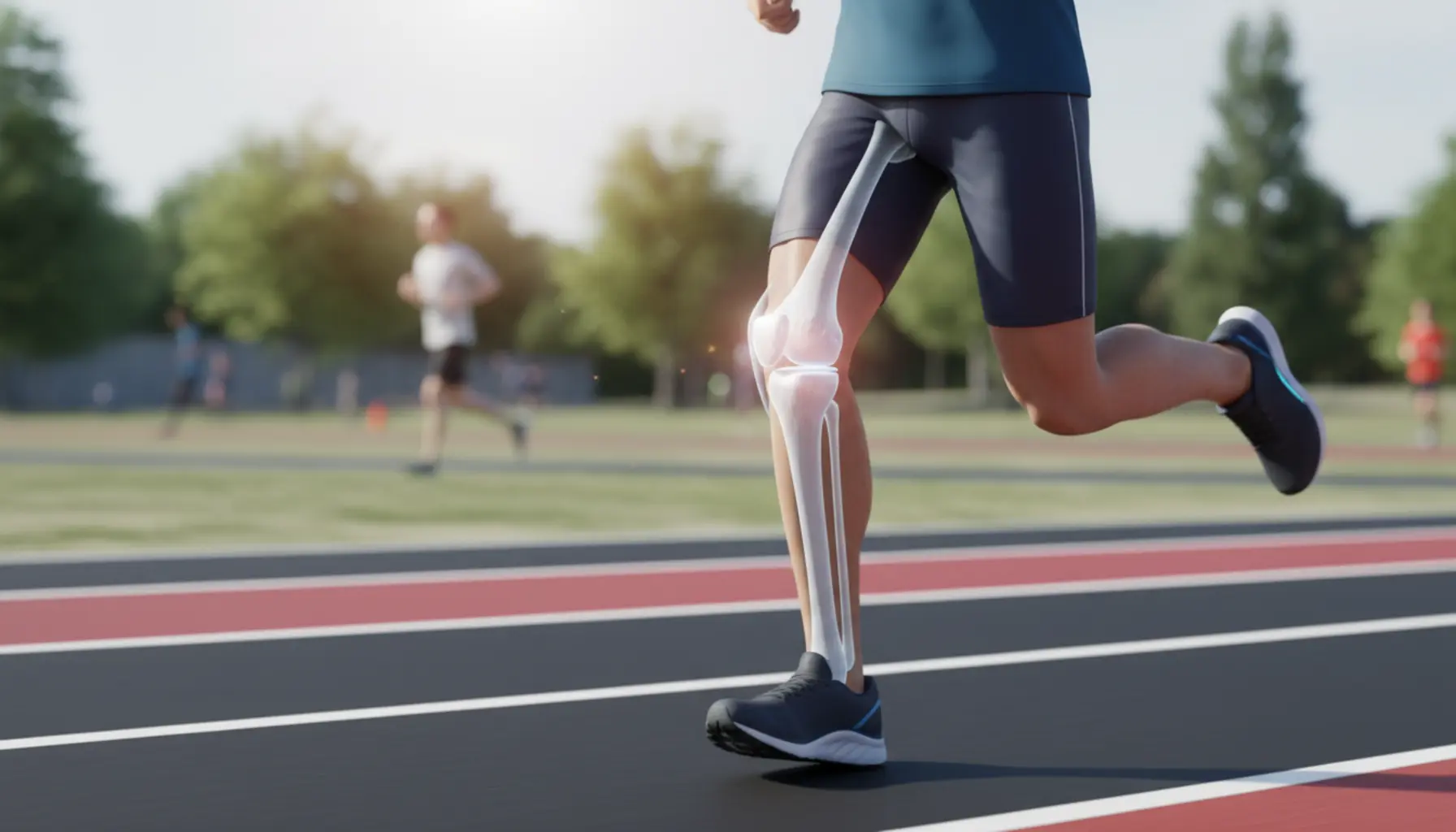
Healthy running starts long before the first step on the path or track—it’s about sensible planning tailored to your current fitness, injury history, and lifestyle. The most common cause of injuries isn’t “the harm of running” but a sudden increase in load: too many kilometers, too fast a pace, too frequent runs with no recovery time. That’s why gradual volume increase is key—it’s often recommended that weekly mileage shouldn’t rise by more than 5–10% per week, and every few weeks, you should plan a “lighter” week, with fewer kilometers and no very intense sessions. For joint health, variety of stimuli is also important—combining easy runs with strength training, mobility exercises, and possibly other activities (cycling, swimming, Nordic walking) to relieve the musculoskeletal system while developing endurance. A key element of prevention is warm-up, which prepares the muscles, tendons, and joints: it should include several minutes of slow jogging or walk-run and dynamic mobility exercises (leg swings, hip circles, torso twists, low-intensity skips). After running, spend a few minutes jogging or lightly stretching, especially the calves, hamstrings, hips, and glutes—not to “stretch” the joints but to reduce muscle tension and speed up recovery. Attention to bodily signals is also crucial for injury prevention: increasing pain in a specific spot that doesn’t go away with warm-up or recurs every session is a warning sign. Rather than ignoring it, reduce load for a few days, shorten training, switch to walk-run or active recovery, and if there’s no improvement, consult a physiotherapist or sports medicine physician before a small problem becomes chronic.
Running technique, shoe choice, and running surface are essential for joint health. Good technique doesn’t mean a perfectly “textbook” style, but a set of principles that help minimize unnecessary overloads: landing closer to your center of mass (not far in front of your body), avoiding excessive overstriding, keeping a slight, natural forward lean from the ankles—rather than bending from the hips. In practice, focusing on faster but shorter steps (cadence) often helps; for many amateurs, raising cadence to about 165–175 steps per minute reduces the impact forces transmitted to the knees and hips. Well-fitted shoes won’t “heal” your joints but can reduce local overloads: more important than trendy technology is fitting size, width, and cushioning level to your bodyweight and running style, and gradually replacing shoes after about 600–800 km (or sooner if the sole is visibly flattened and the foam loses resilience). Avoid abrupt shoe type changes—e.g., from high-cushion to minimalist shoes—without gradual adaptation, as this can overload the Achilles tendon and calves. The surface is also relevant: hard asphalt isn’t “lethal” for joints, but for beginners and overweight people, forest or gravel paths may work better to soften shock. Meanwhile, very uneven terrain, though pleasant and soft, increases the risk of ankle sprains—so trail running should be combined with proprioception (balance) and foot muscle strengthening exercises. Supplemental training is just as important for injury prevention as running itself: strengthening glutes, hips, abs, and back stabilizes the pelvis and spine, reducing knee overload, and eccentric exercises (e.g., calf drops on a step, hip bridges with controlled lowering) improve tendon durability. Remember the role of sleep, nutrition, and hydration—energy, protein, vitamin D, or calcium deficiencies can weaken bones and soft tissues, increasing susceptibility to overload injuries such as stress fractures. For those with joint issues or a history of injuries, individualized loading is especially important: consulting a physiotherapist, assessing range of motion, muscle strength, and movement patterns can help select the form and intensity of running that supports rather than overloads your body.
Health Benefits of Running
Running is one of the most thoroughly researched forms of physical activity and among the most effective when it comes to comprehensive health support—not just for joints, but for the whole body. Regular, moderate running improves cardiovascular and respiratory endurance, increases lung capacity, and boosts heart function. As a result, it lowers the risk of developing hypertension, atherosclerosis, heart attack, and stroke. Research shows that regular runners have lower blood pressure, a more favorable cholesterol profile (lower LDL, higher HDL), and better vascular elasticity. Running also benefits carbohydrate metabolism—improving tissue insulin sensitivity, which is especially important for people with insulin resistance or at risk of type 2 diabetes. The body learns to use glucose more efficiently for energy, and regular activity helps stabilize blood sugar levels. An undeniable benefit is weight management: running is one of the most effective calorie-burning activities, supporting reduction in body fat and thus lessening the load on lower limb joints. A lower bodyweight means less force at each step on cartilage, ligaments, and tendons, which is especially felt by overweight and obese people following a safe, gradual running plan. Over time, body composition also improves—muscle mass increases, acting as a “natural stabilizer” for joints by sharing mechanical loads. Ligament and tendon structures also strengthen, and regular micro-loads act as adaptation stimuli rather than destructive ones. For joints, repetitive but controlled loading promotes joint cartilage nourishment. Cartilage isn’t vascularized like muscle—its nourishment happens via “pumping” of synovial fluid during movement. Moderate running thus serves as a natural hydrating and nourishing mechanism for joint structures. Regular activity also supports bone mineral density, reducing the risk of osteopenia and osteoporosis, which is highly significant regarding the aging process. Like muscles and cartilage, bones respond to loading—when dosed appropriately, they get stronger, reducing future fracture risks, including hip fractures in seniors. Importantly, numerous cohort studies show that moderate running is linked with increased life expectancy and a lower risk of premature death from various causes, including cardiovascular disease and some cancers. Running also strengthens the immune system—increasing the activity of some immune cells and improving infection resistance, as long as training is planned sensibly and avoids chronic overtraining.
The huge significance of running for mental health and well-being should not be overlooked, which indirectly also leads to less perception of joint pain. During a run, endorphins and endocannabinoids—the so-called “happiness hormones”—are released, which improve mood, reduce stress, and can even have analgesic effects. Regular running reduces symptoms of mild to moderate depression, lowers anxiety, aids sleep quality, and helps regulate circadian rhythm. Runners frequently report higher energy during the day, better concentration, and greater resilience to work or life stress. From a joint and musculoskeletal perspective, improved proprioception (deep sense) and neuromuscular coordination are particularly important. Running teaches the body better movement control, optimal pelvis, knee, and foot positioning, and more efficient use of gluteal and deep core muscles. This reduces the risk of unilateral overloads, sprains, or micro-injuries, which are often—not running itself—behind recurrent joint pain. Regular activity also helps maintain a greater range of joint movement and muscle and fascia flexibility, especially if running is supplemented by mobility training. For those over 50, appropriately dosed running can help slow sarcopenia (muscle mass loss) and maintain functional fitness. This translates to greater independence in daily tasks, better balance, and lower risk of falls and related injuries. The social aspect also matters: participating in mass runs, group workouts, or running clubs helps build relationships, which protect against loneliness and isolation—both linked to higher inflammation and worse pain perception. For many, running becomes a key lifestyle component—a ritual organizing their day, supporting healthy habits (regular sleep, better diet, fewer stimulants), and instilling a sense of agency. All these elements—improved endurance, beneficial effects on the heart and metabolism, support for the skeletal–joint system, weight regulation, and the mental and social benefits—form a coherent picture of running as an activity that not only need not harm the joints but actively supports whole-body health, provided it is done sensibly, gradually, and individually tailored.
Best Running Techniques for Joint Protection
Running technique is key for how forces act on joints and periarticular tissues. Protecting your knees, hips, and spine isn’t about “tiptoeing,” but about efficiently harnessing your body’s mechanics. One of the most important elements is cadence, or number of steps per minute. Research suggests increasing cadence by about 5–10% above your natural rate reduces knee and hip loading, as step length shortens and the foot lands closer to your center of gravity. Rather than rigidly chasing the “magic” 170–180 steps per minute, it’s worth gradually shortening your stride and noting whether the sense of “impact” and joint tension decreases. Equally important is foot strike location. Most recreational runners naturally land on their heel, and “heel strike” itself isn’t a problem if the foot doesn’t land far out in front of the body. The aim is to land under or just in front of your center of mass, with the knee slightly bent so muscles can absorb shock. Overstriding, where the foot lands far ahead, increases braking forces and joint stress on the knee and hip, so consciously landing “under yourself” is wise. A useful tip is a slight forward lean from the ankles, not the hips—this tends to shorten stride and improve running economy and offload the lower spine. Another aspect is trunk and pelvis control. A stable trunk acts as a strong mast to which limbs are “attached.” Excessive trunk swaying, pelvic rotation, or hip drop increases loads on the lower back, hips, and knees. To counter this, strengthen deep core muscles, glutes, and hips with exercises like planks, hip bridges, single-leg deadlifts, or side leg raises. Visualizing yourself “elongating upwards,” as if pulled by the top of your head, can help keep the spine neutral—no slouching or excessive lumbar extension. Pay attention to arm action: elbows bent at around 90 degrees, arms moving forward and back (not across the body), relaxed shoulders. Good arm motion stabilizes the trunk and improves rhythm, indirectly offloading the lower limb joints. Conversely, tensed shoulders and neck translate to higher muscular tension and less efficient shock absorption. For joint protection, deliberate relaxation also matters—face, shoulders, and hands should be loose; clenched fists and a tense jaw often go with “stomping” footfalls.
A key technical aspect from a joint-health perspective is foot motion on the ground. Natural pronation (the foot rolling slightly inward) is physiological and helps shock absorption, but excessive pronation or supination can, over time, lead to knee, hip, and spinal overload. Thus, observe your shoe sole wear and consult a physiotherapist or biomechanics expert if in doubt—who can assess your movement pattern and possibly recommend corrective exercises. Don’t rely solely on “stability” shoes; instead, strengthen your feet and lower legs by barefoot exercises, walking on varied textures, toe raises, or picking up a towel with your toes. A strong, flexible foot improves cushioning and force distribution throughout the kinetic chain. Technique also includes breath rhythm and synchronizing it with your steps. Smooth, regular breathing helps maintain efficient pace and prevents trunk stiffening, which raises joint load. The “conversational pace” principle—where you can speak without gasping for breath—ensures your body works within safe muscular tension. Practical tips also include: keeping feet close to the ground (avoid unnecessary “bouncing,” which raises impact forces), quiet footfalls (loud stomping suggests harsh landings), and inserting technical drills like skips, strides, accelerations, or short segments of cadence focus. Such tasks sharpen neuromuscular coordination, teach precise foot placement, and boost movement control in the joints. Changing technique is a gradual process—suddenly switching, for example, from heel to forced midfoot strike without preparing your calves and Achilles often leads to new injuries rather than improvement. It’s optimal to make small modifications: a few minutes in the new pattern at the end of training, then gradually lengthening those segments. Film yourself running (side and front view) and periodically analyze progress—ideally with a specialist. From an SEO and running practice point of view, the most critical keywords for joint protection are: “shorter stride,” “higher cadence,” “landing under center of gravity,” “stable torso,” and “strong glutes.” Putting these into practice means less overload and a better chance of many years of pain-free running.
Facts and Myths: Running and Osteoarthritis
Osteoarthritis (degenerative joint disease) is one of the most commonly cited “scare factors” regarding running. Many people believe that every kilometer is another step toward destroyed cartilage, knee pain, and future “joint replacements.” In reality, scientific studies show a much more complex—and optimistic—picture for runners. Osteoarthritis involves the gradual thinning and degradation of joint cartilage, changes in underlying bone, and inflammation of periarticular structures. Many factors matter: age, genetics, past injuries, obesity, lack of movement, and some inflammatory diseases. Running is often blamed just because osteoarthritis symptoms appear in the joints most loaded during locomotion—knees and hips. But that doesn’t mean running is the culprit. Studies comparing recreational runners, long-distance runners, and inactive adults show that moderate running does not increase the risk of osteoarthritis; in many analyses, it’s even linked with lower risk. More paradoxically, a sedentary lifestyle—often seen as “joint safe”—is actually an important factor favoring degeneration. A lack of movement means worse cartilage nourishment, weaker stabilizing muscles, easier weight gain, and thus higher forces on the knees and hips during daily activity. Moderate running does the opposite: rhythmic loading improves synovial fluid exchange, stimulates cartilage adaptation, strengthens muscles and ligaments, and helps with weight control. For the musculoskeletal system, “working” strong, well-controlled runner’s joints are far better than overloaded, weakened ones in people who avoid activity due to fear of degeneration.
Especially interesting are long-term studies comparing running’s effects with osteoarthritis prevalence. In many, recreational runners—training several times a week, at volumes suited to their ability—not only do not show more degenerative changes than nonrunners, but may actually be “protected” from knee and hip arthritis. Higher risk is seen only in certain groups: professionals subjected to very intense training and racing for years, often at the edge of overtraining, or those with marked excess weight and faulty biomechanics who abruptly take up intense running. Such scenarios fuel the myth: someone starts “out of the blue,” quickly gets knee pain, sees degeneration on imaging years later, and simply blames “running.” The reality is usually a combination: preexisting overloads, untreated injury, poor movement patterns, obesity, or simply age. Equally misleading is believing that if degenerative changes are visible on MRI or X-ray, running is “forbidden.” For many with early osteoarthritis, carefully designed, moderate running—often combined with walking, strength training, and weight loss—reduces pain and improves joint function. The condition is appropriate load dosing, technical work, stabilization, and regular check-ins with a physiotherapist or sports doctor, who can determine safe distances, paces, and surfaces. It’s important to distinguish adaptive discomfort (mild post-training muscle stiffness) from pain suggesting osteoarthritis exacerbation—persistent, intensifying, with swelling or restricted movement. Ignoring warning signs and “powering through” severe pain can indeed speed degeneration, but that’s not running’s fault—it’s faulty training management. Setting myths against facts, the picture is clear: for most healthy people, recreational running is not a shortcut to osteoarthritis, and when managed right, it can help prevent degeneration—especially alongside weight control, strength training, and technical care.
Summary
Running, often considered hazardous for the joints, turns out to be more health-friendly than many think. Scientific research shows running does not cause permanent cartilage damage—in fact, it can help strengthen joints. The key, however, is a proper approach: good running technique and suitable footwear help minimize injury risk. In the long term, running not only improves physical fitness but brings numerous health benefits, including reducing the risk of developing osteoarthritis. Debunking myths about running’s destructive effect on joints opens the door to a healthier lifestyle.