Find out if spicy food is healthy. Learn about the benefits, side effects, and recommendations for including spicy foods in your daily diet.
Table of Contents
- Spicy Foods – Definition and Most Popular Spices
- How Do Spicy Foods Affect the Body? Scientific Facts
- Health Benefits of Consuming Spicy Meals
- Side Effects and Risks Associated With Spicy Foods
- Who Should Avoid Spicy Foods? Contraindications
- How to Safely Introduce Spicy Additions to Your Diet? Practical Tips
Spicy Foods – Definition and Most Popular Spices
Spicy food refers to dishes distinguished by their distinct, palate-tingling flavor, often causing a burning or warming sensation in the mouth and on the tongue. This effect is primarily caused by specific chemical compounds found in spices and ingredients, especially capsaicin, which is present in chili peppers. However, the definition of spiciness varies in global cuisines: for some, a dish is spicy with the addition of black pepper, for others, the spicy experience begins with dishes rich in fresh or powdered chili peppers. Spicy food is an intrinsic element of many world cuisines—from spicy Mexican dishes, Indian curries, Thai stir-fries, to Korean kimchi and hot Caribbean sauces. The hallmark of spicy cuisine is not just its taste but also the related warming sensation, appetite stimulation, and intensified sensory experiences while eating. It should be noted that spiciness is not only about spices themselves but also about individual tolerance—what is mildly spicy for one person may be unbearable for another.
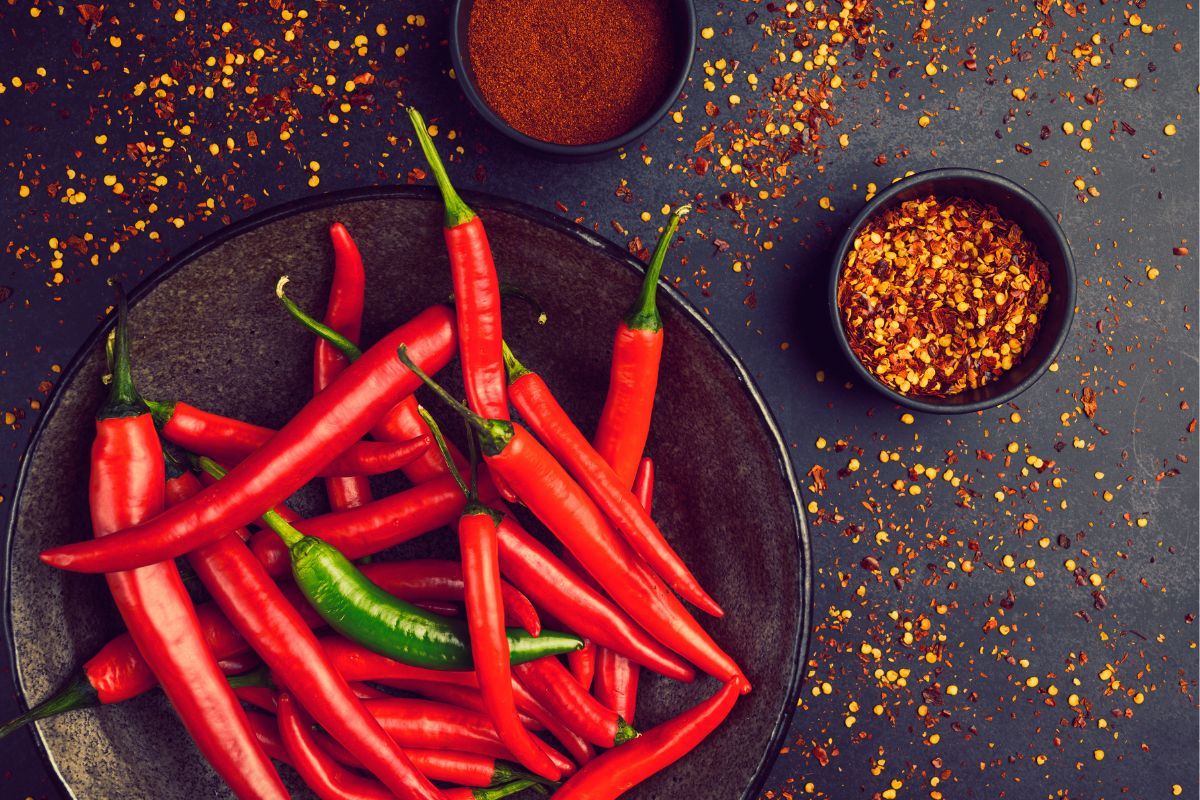
The most popular spicy spices granting dishes their piquant character are, without a doubt, chili peppers—in fresh, dried, and powdered forms. Chili varieties can differ vastly in spiciness, measured on the Scoville scale—from milder ones like jalapeño to extremely hot varieties such as Carolina Reaper. The second key spice is black pepper, whose sharp flavor is due to piperine. Unlike chili, pepper causes a burning sensation more on the surface of the tongue and palate, while chili penetrates deeper with a pronounced “warming” effect. Other commonly used spicy ingredients include ginger, garlic, horseradish, and mustard, all rich in essential oils and other compounds that irritate taste buds. Spiciness can also come from aromatic spices like cloves and cinnamon, especially when combined with chili peppers—hence their presence in many Indian and Middle Eastern spice blends. Famous blends such as curry or garam masala mix chili, ginger, cumin, and pepper to create complex flavor sensations. In Asian cuisine, chili pastes (e.g., gochujang in Korea, sambal in Indonesia and Malaysia, harissa in Tunisia) and spicy sauces based on chilies and other hot ingredients play a key role. Modern cuisine also uses less traditional spicy additions such as chili oil, chili flakes, or powdered Sichuan pepper, which affect not just spiciness but unique sensory experiences (e.g., tongue numbing). In Poland, fermented products like kimchi and sauces made from various chili varieties are gaining popularity, adding spice to local dishes. Thanks to the wealth of available spices, everyone can adjust spiciness to their own preferences, and the variety of ingredients offers a chance to experiment and explore new flavors in everyday cooking.
How Do Spicy Foods Affect the Body? Scientific Facts
Eating spicy foods triggers a series of physiological and biochemical reactions in the body, most notably due to capsaicin—a chemical compound chiefly found in chili peppers. Capsaicin’s contact with pain receptors (TRPV1) located in the mucous membrane of the mouth activates the nervous system responsible for sensing heat and pain. The result is the familiar “burning sensation” and an increase in body temperature, commonly known as the “thermogenic effect.” On the metabolic level, capsaicin can stimulate the secretion of adrenaline and noradrenaline, leading to a faster resting metabolism, increased calorie burning, and a short-lived elevation of heart rate. Scientific studies indicate that regular consumption of spicy dishes can benefit the circulatory system by reducing levels of bad cholesterol (LDL), improving vascular elasticity, and supporting endothelium function. Some findings even suggest that people who regularly eat moderately spicy foods may have a reduced risk of premature cardiovascular death. The impact of spicy spices on the immune system is equally interesting—capsaicin and compounds found in garlic and ginger exhibit antioxidant and anti-inflammatory properties, decreasing the production of free radicals and supporting the body’s defense mechanisms. Additionally, eating spicy food increases the release of endorphins, known as “happiness hormones,” explaining the euphoric feeling that often follows spicy meals.
The effects of spicy spices on the digestive system are the subject of much research and debate. On one hand, moderate intake of chili peppers and other spicy additions stimulates digestive juices, improves intestinal peristalsis, and aids fat digestion. Capsaicin can act as a natural antibacterial agent, limiting the multiplication of harmful microbes in the stomach and intestines. It is noteworthy that moderate consumption of spicy foods is not directly linked to the formation of stomach ulcers or acid reflux, though in sensitive individuals or those with pre-existing digestive issues, these symptoms might worsen. Moreover, capsaicin has shown anti-cancer potential—some laboratory experiments suggest it can inhibit the growth and proliferation of cancer cells, although clinical research in this area remains in its early stages. Other health effects of spicy foods include allergic or hypersensitivity reactions, such as skin redness, mouth burning, or rhinitis in some people. In extreme cases, highly spicy dishes can lead to temporary digestive dysfunctions like diarrhea, heartburn, or biliary colic, all due to the effects of capsaicin on nerve endings and intestinal muscles. Scientists note that individual responses to spicy food are highly variable, depending on genetic predispositions, gut microbiota, and habitual exposure to spicy flavors. Despite possible side effects, moderate and gradual introduction of spicy ingredients is generally safe and may bring significant health benefits if there are no medical contraindications.
Health Benefits of Consuming Spicy Meals
Eating spicy meals—whether the spice comes from chili peppers, pepper, or ginger—can have surprisingly positive health effects, as confirmed by numerous recent scientific studies. Capsaicin, the main compound responsible for chili heat, plays a vital role in triggering various beneficial biological responses. Above all, it acts as a natural thermogenic, prompting the body to generate heat and accelerate metabolism. As a result, regular consumption of spicy spices can help control body weight and support fat reduction—studies show meals with capsaicin can increase calorie burning by several percent without additional exercise. Moreover, capsaicin and other hot compounds promote endorphin release, improving mood, reducing pain perception, and acting as natural stress relievers. Spicy food also stimulates the production of saliva and digestive enzymes, which eases digestion and improves stomach and intestinal function. Therefore, moderate consumption of spicy products is recommended for those with slow bowel movements or insufficient digestive secretions. There is also evidence that regularly including spicy spices in your diet can decrease appetite and reduce the urge to snack between meals. The feeling of fullness lasts longer after a spicy meal, which may be significant in preventing obesity and type 2 diabetes.
The cardiovascular system especially benefits from spicy foods. Capsaicin helps lower LDL or “bad” cholesterol, while simultaneously protecting vessel walls against atherosclerotic plaque buildup. According to epidemiological studies, people who regularly eat spicy dishes have a lower risk of heart attack and stroke. Spicy ingredients like garlic, ginger, and chili also support reduced blood pressure by dilating blood vessels, improving wall elasticity, and acting against clotting. Spicy dishes may also bolster the immune system—both capsaicin and other spice-derived compounds (e.g., flavonoids, allicin, gingerol) offer potent antioxidant, antibacterial, and anti-inflammatory actions. As such, regular inclusion of these ingredients in the diet can lower susceptibility to infections, especially during autumn and winter, and reinforce the body’s natural defenses. There is also anticancer potential: laboratory trials indicate capsaicin can inhibit cancer cell proliferation, induce apoptosis, and reduce inflammation linked to tumor development. Another valuable benefit of consuming spicy dishes is the positive effect on gut microbiota—these substances stimulate the proliferation of beneficial probiotic bacteria, supporting healthy gut function, strengthening the digestive tract’s protective barrier, and decreasing the risk of issues like irritable bowel syndrome. In addition, certain spicy spices such as ginger can reduce nausea and have documented analgesic effects (e.g., for migraine or sore throats). Regular, moderate intake of spicy dishes can thus promote health on many levels—from weight loss support, cardiovascular and immune system improvement, to potential cancer protection and gut flora regulation.
Side Effects and Risks Associated With Spicy Foods
While spicy and hot dishes are becoming increasingly popular in Poland and worldwide, regular consumption also carries certain risks, especially when the amount of capsaicin or other spicy spices exceeds your individual tolerance. One of the most common side effects involves digestive complaints. Capsaicin—the main agent of chili heat—irritates the mucosa in the mouth, esophagus, stomach, and intestines, causing an intense burning sensation and sometimes pain. In sensitive people, it may irritate mucous membranes, causing heartburn, gastroesophageal reflux, abdominal pain, diarrhea, or bloating. In extreme cases, very spicy food may accelerate bowel motility, leading to sudden bowel movements or osmotic diarrhea. People with irritable bowel syndrome (IBS), gastric or duodenal ulcers, inflammatory bowel diseases (e.g., Crohn’s disease), and post-GI surgery patients are particularly vulnerable—spicy food may exacerbate symptoms, causing chronic discomfort. Such consequences often require a gastroenterologist’s consultation and sometimes permanent exclusion of spicy seasonings from the diet. Immediate reactions may also occur—after very spicy dishes, symptoms such as nausea, sweating, facial redness, or rapid heartbeat may arise due to capsaicin-triggered nerve stimulation. In rare cases, especially in predisposed individuals, spicy spices can trigger asthma attacks or changes in blood pressure, which can be particularly dangerous in people with cardiovascular disorders.
Spicy dishes, while a source of positive sensory and emotional experiences for many people, can provoke undesirable immune or allergic responses. Some encounter contact hives, skin itching, or watery eyes upon exposure to capsaicin or pepper. Cases of capsaicin intolerance also occur, leading to discomfort throughout the digestive tract. Chronic consumption of spicy foods may disrupt gut microbiota balance and, in consequence, weaken immunity—mainly in people who overuse spicy spices and neglect other crucial dietary components. Regarding oral health, an excess of spicy ingredients can cause sensitivity, gum irritation, and even temporary impairment of oral mucosa, especially if combined with other irritants such as alcohol or hot drinks. Children, the elderly, and pregnant women should exercise extra care—for them, very spicy dishes may produce stronger, longer-lasting side effects. There are also scientific reports that chronic irritations of the digestive mucosa from spicy spices—combined with other risk factors—could contribute to the development of inflammation or ulcers, although this mechanism requires further research. A specific risk group includes people taking certain medications, like NSAIDs or antihypertensive agents—capsaicin may interact with drug metabolism, reduce treatment effectiveness, or increase the risk of gastrointestinal irritation. Additionally, people with liver or pancreatic disorders may experience symptom aggravation or disease progression from spicy ingredients. It is important to note that unchecked and excessive consumption of spicy food may also lead to addiction to “strong sensations,” causing progressively higher consumption and thus higher health risks. Adjusting the spiciness level to your own capability and carefully monitoring your body’s reactions are key to safe enjoyment of spicy flavors and spices.
Who Should Avoid Spicy Foods? Contraindications
Spicy dishes, although appreciated by gourmets and offering numerous health benefits, are not suitable for everyone. There is a group of people for whom consumption of spicy meals may trigger negative reactions or even serious health complications. Above all, people with digestive tract conditions—particularly those with gastric or duodenal ulcers, gastroesophageal reflux disease (GERD), irritable bowel syndrome (IBS), Crohn’s disease, ulcerative colitis, or chronic pancreatitis—should be careful. For these patients, capsaicin and other spicy agents can worsen symptoms such as abdominal pain, heartburn, burning sensation in the esophagus, or even bleeding. Spicy food may irritate the gastrointestinal mucosa and increase gastric secretions, aggravating discomfort and deteriorating health. People with capsaicin hypersensitivity, confirmed allergy, or food intolerance should strictly eliminate spicy spices from their diet, as allergic reactions can include not only digestive symptoms, but also shortness of breath, rash, or swelling of the tongue and throat.
Pregnant and breastfeeding women should also be particularly cautious. For expectant mothers, spicy foods can worsen heartburn—already common in pregnancy—and may cause nausea, abdominal discomfort, and diarrhea. There are also reports that high intake of spicy spices may affect breast milk composition and cause discomfort in nursed infants—manifested as irritability, colic, or food refusal. Spicy meals should be avoided in young children, whose digestive and immune systems aren’t fully developed; hot spices can irritate their mucosa, causing diarrhea, dehydration, or even constipation if hydration is inadequate. Elderly people—especially if dealing with cardiovascular disease, diabetes, or fragile gastric lining—also require special attention, since tissue regeneration slows down with age, and spicy spices may aggravate symptoms or contribute to inflammation. Additionally, people taking certain medication groups (NSAIDs, antihypertensives, anticoagulants, or drugs affecting the digestive tract) should consult a doctor before increasing spicy products—capsaicin may interact with certain active substances, reducing their effect or producing more side effects (e.g., more nausea or bleeding risk). Spicy food should also be avoided during convalescence after abdominal surgery and during acute digestive infections (e.g., diarrhea, acute gastritis). Those with neurological and psychological disorders are at increased risk, as excessive nervous stimulation from hot spices can trigger anxiety, heart palpitations, or muscle tremors. In summary, caution and monitoring bodily responses are advised, especially in cases of chronic disease, allergy tendency, medication use, or increased vulnerability to digestive tract irritation.
How to Safely Introduce Spicy Additions to Your Diet? Practical Tips
Safely adding spicy flavors to your daily menu requires awareness of your own preferences and bodily capacity, as well as gradually accustoming yourself to hot flavors. The key is to start with small amounts and observe your body’s reaction—both during and after eating spicy dishes. For beginners, the best method is to choose spices with a milder spicy profile, such as sweet paprika, black pepper, or a bit of ginger. Over time, you can gradually experiment with hotter additions, e.g., finely chopped chili in vegetable dishes, soups, or marinades. Use fresh, high-quality spices—these have a more complex flavor profile and are easier for the digestive system to tolerate. Check labels on ready-made sauces and spice mixes to avoid excessive artificial additives, sugars, and salts that might burden the body. Also important is practicing moderation—even healthy, natural hot spices in large amounts may produce unwanted effects, such as stomach discomfort, heartburn, or diarrhea. Those with sensitive stomachs might try spicy dishes after a main meal or in combination with foods that soothe heat, such as natural yogurt, milk, avocado, or rice, which can neutralize capsaicin and protect the gastric lining.
When introducing spicy seasonings to your diet, an individualized, stepwise approach is crucial. Start with smaller amounts, choose one spicy spice, and gradually increase its presence in meals so your body can acclimate to the new stimuli. For people with sensitive digestive systems or who have experienced gastric complaints, keeping a symptom diary and consulting a doctor or dietician before permanently including spicy ingredients is recommended. Rotation of spices and mixing them with plant oils such as olive or flaxseed oil can help—fats assist in capsaicin dissolution and reduce burning. Remember, very hot spices may affect medication absorption or potentiate effects of some medical therapies, so those on chronic medication should take special care. For families or households with varying preferences, offer spicy condiments separately—in gravy boats or homemade sauces—so everyone can adjust spice levels to their taste. Exploring world cuisines that blend spiciness with a wealth of other flavors and ingredients is also a good idea—it reveals spicy dishes as not only fiery, but harmonious. Safety is further enhanced by proper chili product handling: wear gloves when chopping chili, avoid touching your face, and wash hands thoroughly to prevent accidental mucous membrane irritation. If you eat too much spicy food, drinking milk or consuming a fatty product will help neutralize burning. Regular but sensible inclusion of spicy additions lets you build tolerance while enjoying the full range of flavor and health benefits of pungent ingredients, without the risk of adverse reactions.
Summary
Spicy food offers a wealth of culinary sensations and health benefits—it can support your heart, metabolism, and gut health. However, excessive intake can irritate the digestive system and increase the risk of unwanted effects, such as weight issues or inflammation. Moderation and careful observation of your body’s reactions are key. A well-planned spicy diet, tailored to individual needs and contraindications, allows you to maximize the advantages of spicy spices and eliminate possible risks.