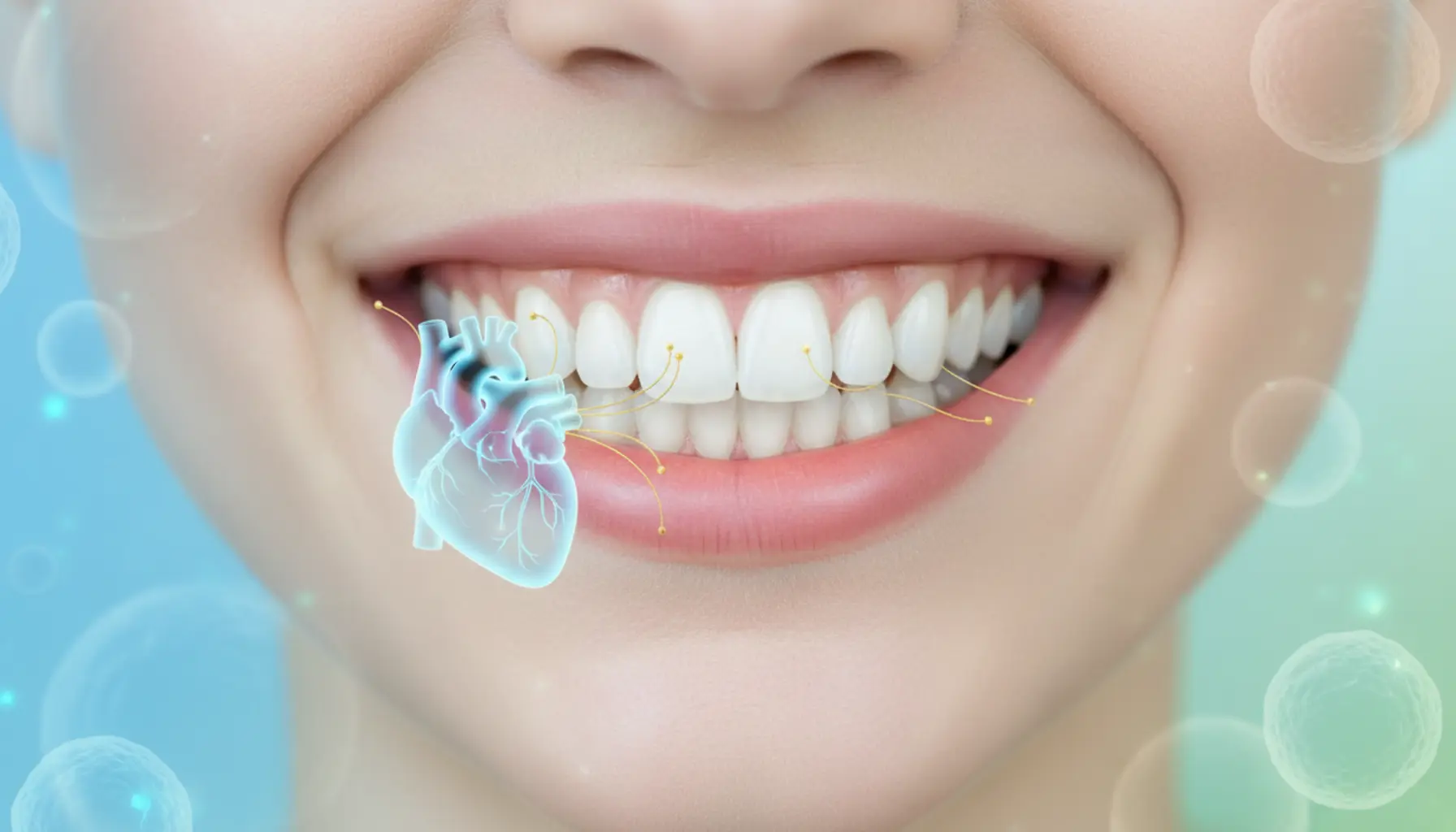
Oral health impacts the overall condition of the body, including the heart. Periodontal diseases and the presence of bacteria in the mouth can increase the risk of cardiovascular diseases. Well-maintained oral hygiene provides real support for heart health.
Table of Contents
- The Connection Between Oral Diseases and the Heart
- How Oral Bacteria Affect the Circulatory System
- The Importance of Inflammation for Heart Health
- The Impact of Periodontal Diseases on the Cardiovascular System
- Oral Care as Heart Disease Prevention
- Regular Dental Visits and Heart Health
The Connection Between Oral Diseases and the Heart
An increasing number of scientific studies confirm that oral diseases are not only a localized problem limited to the teeth and gums, but can have a direct impact on the cardiovascular system. Periodontal diseases—chronic inflammation of the gums and tissues surrounding the tooth—play a key role, as well as untreated cavities, tooth abscesses, and recurring inflammations in the mouth. During periodontal inflammation, bacteria such as Porphyromonas gingivalis, Treponema denticola, or Tannerella forsythia multiply. These bacteria not only destroy periodontal tissues, but can also enter the bloodstream during daily activities—chewing, tooth brushing, or biting hard foods. When the mucous membrane and gum pockets are damaged, even minor bleeding opens the way for bacteria to the blood vessels. They then reach the coronary vessels and other parts of the circulatory system with the blood, where they can contribute to the formation of atherosclerotic lesions and enhanced inflammation in the vessel walls. Studies show that in people with advanced periodontitis, bacteria typical of dental plaque are more frequently detected in atherosclerotic plaques, as well as elevated inflammatory markers such as C-reactive protein (CRP), which may explain the increased risk of heart attack and stroke. The immune response also plays an important role—the chronic inflammation in the mouth leads to continuous activation of the immune system, which in turn can cause endothelial damage, promote cholesterol deposition, and destabilize atherosclerotic plaques. As a result, even a relatively “silent” problem with the gums can indirectly increase the risk of serious cardiovascular incidents. It is also worth noting that people with oral diseases often also struggle with additional heart disease risk factors such as smoking, poor diet, overweight, or type 2 diabetes. These elements reinforce each other: on one hand, impaired metabolism and chronic hyperglycemia increase the susceptibility of the gums to infections; on the other hand, inflammation in the mouth further destabilizes carbohydrate and lipid metabolism, worsening the overall condition of the cardiovascular system.
The connection between oral diseases and the heart is not limited only to bacteria and vascular inflammation. The impact of bacterial toxins and products of periodontal tissue breakdown on the functioning of the entire body is also becoming better understood. Bacterial toxins such as lipopolysaccharides (LPS) can affect blood viscosity, disrupt proper coagulation, and promote the formation of microthrombi, which may become a nucleus for a clot in a coronary artery under favorable conditions. Additionally, chronic periodontitis is associated with increased levels of pro-inflammatory cytokines (including IL-1, IL-6, TNF-α), which circulate in the blood and affect the heart and vessels—they can promote the hypertrophy of the heart muscle, contribute to arrhythmias, and worsen existing coronary artery disease or heart failure. Epidemiological studies show that people with untreated periodontitis have significantly higher risks of myocardial infarction, stroke, and peripheral arterial disease, even after adjusting for classical risk factors such as age, gender, smoking, hypertension, or cholesterol levels. In patients after a cardiovascular incident (e.g., heart attack), the condition of the periodontium is often worse than in the general population, and poor oral hygiene can hinder effective cardiac rehabilitation and increase the risk of further complications. Moreover, some heart conditions, such as valvular defects or artificial valves, require special protection against infections originating in the oral cavity—even seemingly simple dental procedures in such people, if there is active gum inflammation, can lead to bacteremia and infectious endocarditis. For this reason, close cooperation between a cardiologist and a dentist is increasingly emphasized, especially in high cardiovascular risk patients. Regular dental check-ups, professional scaling, treatment of cavities and periodontal diseases, as well as education about daily oral hygiene, are becoming important elements of secondary prevention in cardiology. There is also evidence that effective treatment of periodontal diseases can lead to reduced CRP levels and other inflammatory markers, as well as improved vascular parameters such as arterial elasticity or endothelial function. While research is ongoing, there is increasing evidence that oral and heart health are inextricably linked, and caring for your teeth and gums provides real support for the entire cardiovascular system.
How Oral Bacteria Affect the Circulatory System
The mouth is one of the most heavily colonized sites in the human body, and the bacteria present there—especially in cases of caries and periodontal diseases—can directly affect the circulatory system. Healthy gums provide a relatively tight epithelial barrier, but when inflammation, bleeding, gum pockets, or abscesses occur, bacteria and their toxins gain easy access to the capillaries. Routine activities such as brushing teeth, chewing hard foods, or even biting on sore teeth can lead to transient bacteremia—the entry of oral bacteria into the bloodstream. In those with advanced periodontitis, bacteremia can be frequent and intense, subjecting the cardiovascular system to almost constant exposure to pathogens and their metabolic products. In the bloodstream, bacteria such as Porphyromonas, Treponema, Fusobacterium, or Streptococcus can adhere to vascular endothelium, initiating local inflammation. Endothelial cells start to secrete inflammatory mediators (including interleukins, TNF-α), attracting leukocytes, promoting the deposition of LDL cholesterol, and proliferation of smooth muscle cells in the vessel wall. Over time, this leads to the formation and progression of atherosclerotic plaques, as well as their destabilization—the more “inflammatory active” the plaque is, the higher the risk of its rupture and the formation of a clot that blocks the vessel, resulting in heart attack or ischemic stroke. Bacterial toxins, such as Gram-negative bacteria’s lipopolysaccharide (LPS), are also important—they work as strong pro-inflammatory and pro-thrombotic stimuli. LPS activates blood platelets, increases their aggregation, and promotes the formation of microthrombi, which may circulate and impair the microcirculation in the heart, brain, and other organs. Furthermore, chronic exposure to oral antigens leads to persistent systemic low-grade inflammation, typical for patients with advanced periodontal disease and associated with increased CRP and other inflammatory markers, which are recognized indicators of cardiovascular risk. Chronic inflammation weakens the endothelium, impairs its ability to produce nitric oxide (NO)—a key vasodilator—and promotes the development of hypertension and coronary dysfunction. Oral bacteria can also affect lipid metabolism, accelerating the oxidation of LDL (which is particularly atherogenic), and indirectly increasing insulin resistance, further compounding atherosclerosis risk in diabetic patients. Of noteworthy significance is the direct colonization of cardiac structures by oral microbes. In people with damaged valves, post-cardiac surgeries, or congenital heart defects, even transient bacteremia from dental procedures can lead to infectious endocarditis. Streptococcus viridans, common in dental plaque, can adhere to pathologically altered valves and form bacterial vegetations, which can then become a source of emboli traveling to cerebral, renal, or peripheral vessels. In high-risk patients (e.g., with valve prostheses or a history of endocarditis), prophylactic antibiotics are recommended before certain dental procedures to minimize the risk of serious cardiac complications.
The influence of oral bacteria on the circulatory system extends beyond classical heart disease and large vessels and involves microcirculation and regulation of vascular tone. Chronic periodontitis is associated with increased levels of reactive oxygen species, which damage lipids, proteins, and endothelial cell DNA. Oxidative stress weakens the vessels’ natural protective mechanisms, increases LDL oxidation, and encourages so-called endothelial dysfunction—a state in which vessels are less responsive to dilating stimuli, constrict more easily, and are more prone to clot formation. People with severe periodontitis often exhibit reduced coronary vessel reserve and are more likely to suffer from hypertension, which increases cardiac load and accelerates development of heart failure. Another mechanism increasingly highlighted in scientific literature is molecular mimicry. Some bacterial proteins are structurally similar to the body’s own proteins; as a result, the immune system, “trained” on antigens from the mouth, may begin to attack endothelial or smooth muscle cells. This leads to chronic autoimmunization that sustains the atherosclerotic process even after the primary oral infection has subsided. The impact of the oral microbiome on the circulatory system is also metabolic: imbalances in oral bacteria can alter nitrate and nitrite metabolism, indirectly affecting nitric oxide production and thus blood pressure regulation. Some bacteria support the production of compounds such as trimethylamine (TMA), which is converted in the liver to trimethylamine N-oxide (TMAO)—a substance linked with higher risk of heart attack and stroke. Combined with a poor diet, smoking, or stress, chronic oral infections may act as an “accelerator” of cardiovascular disease, speeding up the emergence of hypertension, atherosclerosis, and coronary artery disease even in relatively young individuals. Observational studies show that people with better oral hygiene, less severe periodontal disease, and who regularly undergo professional hygiene procedures (scaling, sandblasting) have statistically lower risks of cardiovascular episodes. This suggests that reducing oral bacterial load, lowering gum inflammation, and controlling tartar may realistically reduce overall systemic exposure to pathogens and inflammatory mediators, thus benefitting the blood vessels, heart, and the entire circulatory system.

The Importance of Inflammation for Heart Health
Inflammation is a natural defense mechanism of the body, aiming to combat infections and repair damaged tissues. However, when it becomes chronic—instead of protecting, it starts to destroy. In the context of heart health, it is precisely the chronic low-grade inflammation that plays a key role in the development of many cardiovascular diseases, from hypertension to atherosclerosis, heart attack, and stroke. Oral diseases such as gingivitis or advanced periodontitis are one of the main sources of persistent inflammation in the body. Gum mucosa is highly vascularized, and inflammation there can easily “leak” into the bloodstream as inflammatory mediators (e.g., interleukins, TNF-α, C-reactive protein CRP) and bacterial fragments, constantly stimulating the immune system. This leads to systemic, silent inflammation, which doesn’t produce clear symptoms but over the years weakens blood vessels and the heart. In people with untreated periodontal inflammation, increased CRP levels—a marker of inflammation and recognized cardiology risk factor for cardiovascular events—are more often observed. Under chronic inflammation, the endothelial lining of arteries loses its protective properties: less nitric oxide (NO) is produced, which is responsible for vessel dilation, and the ability to regulate coagulation and vessel wall permeability decreases. Such irritated and dysfunctional vessels become more prone to LDL cholesterol deposition and infiltration by inflammatory cells, accelerating the formation of atherosclerotic plaques. Furthermore, chronic inflammation promotes plaque instability—the fibrous cap becomes thinner and more prone to rupture, and the rupture of an atherosclerotic plaque in coronary arteries is a direct cause of many heart attacks. Numerous studies have found DNA from bacteria typical of periodontal disease in material taken from atherosclerotic plaques, which further confirms that inflammation originating in the mouth is reflected in the coronary vessels. Long-lasting inflammation also increases the level of reactive oxygen species that damage cell membranes, promote LDL fraction oxidation and intensify oxidative stress, further destabilizing vessel walls and accelerating aging of the cardiovascular system.
The importance of inflammation for the heart goes beyond blood vessels and includes its impact on heart rhythm, blood clotting, and whole-body metabolism. Chronic inflammation, fueled by a focus in the mouth, causes increased production of pro-thrombotic plasma factors such as fibrinogen and tissue factor, resulting in greater “stickiness” of blood and easier formation of clots in coronary and cerebral vessels. This increases the risk of sudden incidents such as myocardial infarction or ischemic stroke. Attention is increasingly being paid to the link between chronic inflammation and heart rhythm disorders—inflammation within the heart muscle and surrounding tissues can promote atrial fibrillation, one of the most common arrhythmias, which itself increases stroke risk. Additionally, chronic inflammation affects tissue sensitivity to insulin, promoting insulin resistance and the development of type 2 diabetes, which is a strong risk factor for coronary artery disease. In this “vicious circle,” untreated periodontal disease intensifies inflammation and metabolic disorders, which, in turn, accelerate damage to vessels and the heart. From the prevention perspective, it is increasingly stressed that effective reduction of chronic inflammation requires not only pharmacological actions (e.g., antiplatelet or cholesterol-lowering drugs), but also elimination of chronic foci of inflammation, including those in the mouth. Regular cavity treatment, surgical and conservative periodontal treatment, professional hygiene procedures, and diligent daily hygiene (brushing teeth twice a day, flossing, antibacterial rinses) reduce bacterial load and inflammatory mediators, thus relieving the cardiovascular system in real terms. More and more cardiologists include oral health assessment in comprehensive risk diagnostics, recommending regular dental check-ups as part of the overall care plan for patients with coronary artery disease, heart failure, or after a heart attack. Reducing chronic inflammation by caring for healthy gums and teeth is thus one of the pillars of modern cardiovascular prevention, alongside controlling blood pressure, cholesterol, weight, and glucose levels.
The Impact of Periodontal Diseases on the Cardiovascular System
Periodontal diseases—especially gingivitis and periodontitis—are no longer viewed only as a localized issue in the mouth but as a significant risk factor for the entire cardiovascular system. Chronic inflammation of periodontal tissues causes pathological gum pockets to form, which accumulate a dense biofilm of bacteria. Microorganisms such as Porphyromonas gingivalis, Tannerella forsythia, or Treponema denticola can enter the bloodstream during daily activities like tooth brushing, chewing hard foods, or even from spontaneous gum bleeding. Once in circulation, bacteria and their toxins can affect vascular endothelium, starting inflammation and promoting atherosclerosis. A range of studies has shown that DNA from periodontal bacteria can be detected in atherosclerotic plaques in coronary and carotid arteries, indicating the direct involvement of oral pathogens in the disease process. Chronic exposure to these microorganisms and their lipopolysaccharides (LPS) activates macrophages and lymphocytes, which produce pro-inflammatory cytokines—such as interleukin 1 (IL-1), interleukin 6 (IL-6), and tumor necrosis factor alpha (TNF-α). High concentrations of these mediators in the blood promote endothelial dysfunction, increase vessel permeability, intensify platelet aggregation, and encourage LDL cholesterol accumulation in vessel walls, which accelerates the creation of unstable atherosclerotic plaques. Additionally, periodontal diseases are linked to increased C-reactive protein (CRP) levels—a recognized inflammation marker and independent risk factor for heart attack and stroke; people with advanced periodontitis often have higher CRP values than those with healthy gums, even when other risk factors are similar.
The mechanisms connecting periodontal diseases with cardiovascular diseases are multifactorial and include both direct bacterial action and the indirect effects of chronic inflammation on body metabolism. Periodontal bacteria can bind to platelets and induce their aggregation, promoting microthrombus formation in vessels. This may cause the gradual narrowing of vessels or—in the case of sudden artery closure—a sharp coronary syndrome or ischemic stroke. Additionally, molecular mimicry comes into play: antigens from periodontal bacteria resemble the body’s own structures (such as endothelial or vascular smooth muscle proteins). As a result, the immune system, in producing antibodies against the microbes, can mistakenly attack host tissues, sustaining chronic inflammation in the vessels and heart. Periodontal diseases also destabilize carbohydrate and lipid metabolism—chronic inflammation increases tissue resistance to insulin, promotes the development (or exacerbation) of type 2 diabetes, further elevating the risk of coronary artery disease. Patients with periodontitis are more likely to have hypertension, partly due to endothelial dysfunction, impaired nitric oxide (NO) synthesis, and greater vascular stiffness. Clinically, people with severe periodontal diseases have significantly higher risks of heart attack, heart failure, and arrhythmia episodes, while periodontal treatment (professional teeth cleaning, subgingival scaling, pocket reduction) can lower CRP, improve endothelial function indicators, and reduce systemic inflammatory burden. For this reason, it is increasingly advocated that periodontium assessment be a routine part of cardiovascular risk profiling, especially for patients with diagnosed coronary artery disease, after heart attacks or strokes, and among those with diabetes and hypertension.
Oral Care as Heart Disease Prevention
Proper oral hygiene is one of the simplest yet most underrated elements of cardiovascular disease prevention. The way and frequency with which we clean our teeth and gums directly affect the number of bacteria in the mouth, the level of inflammation, and the risk of microorganisms entering the bloodstream. The foundation is regular and effective tooth brushing at least twice a day for a minimum of two minutes with a soft or medium-bristled toothbrush and fluoride toothpaste. Technique is key: gentle sweeping movements at a 45° angle to the gum line help remove bacterial plaque without damaging periodontal tissues. Brushing too hard can paradoxically worsen inflammation by causing receding gums and root sensitivity, creating more niches for bacteria. Besides the enamel, it’s crucial to clean the gum line and interdental spaces—where gingivitis and periodontitis most often start and which are the main bacterial reservoirs influencing the cardiovascular system. Daily use of dental floss, interdental brushes, or an irrigator is necessary (depending on dental recommendations); skipping this step means even the most diligent brushing removes only part of the bacteria and plaque. Antibacterial mouthwashes with documented effects are also recommended, further reducing bacteria levels and inflammation, thus lessening the inflammatory stimulus on vessels and the heart. Oral hygiene doesn’t end with teeth—regular tongue cleaning (with a scraper or toothbrush) removes the biofilm where bacteria accumulate, producing toxins and inflammatory mediators that can affect not just bad breath but also the systemic inflammatory response.
Besides at-home care, regular professional dental supervision is equally important for heart protection—routine dental check-ups (usually every 6 months, more frequently for those with periodontal disease) and professional hygiene procedures such as scaling, sandblasting, and polishing. Tartar that cannot be removed at home is highly porous and fosters the colonization of pathogenic bacteria. Untreated tartar leads to chronic gingivitis and periodontitis, maintaining a constant low-grade inflammatory state that, as research shows, correlates with increased risk of heart attack and stroke. In the dental office, periodontal health can also be diagnosed early, for example by measuring pocket depth, tooth mobility, and bleeding on probing. The sooner periodontal treatment (such as closed curettage, antiseptic or supportive antibiotic therapy) is implemented, the lower the risk of a persistent systemic inflammatory burden on the heart. Lifestyle also plays a key role: a diet rich in vegetables, fruits, whole grains, and healthy fats (e.g., from olive oil, nuts, oily fish) supports both the oral microbiome and lipid profile and blood pressure, while limiting simple sugars and snacks between meals lowers the risk of caries and the overgrowth of acid-loving bacteria. Hydration, avoiding smoking, and limiting alcohol further reduce inflammation in the periodontium and vessels—tobacco smoke, in particular, damages the vascular endothelium, exacerbating the negative impact of oral bacteria. For those with diagnosed heart disease, hypertension, or diabetes, close cooperation between the cardiologist and dentist is especially important: before dental procedures that may cause bacteremia (extraction, deep curettage), the physician may recommend additional precautions, such as antibiotic prophylaxis for patients at high risk of infectious endocarditis. Conscious daily hygiene habits, complemented by regular dental treatment and an anti-inflammatory diet, create a cohesive prevention system where the oral cavity becomes one of the crucial areas for caring for heart health—not just a battleground for cavities.
Regular Dental Visits and Heart Health
Regular dental visits are one of the most overlooked elements of cardiovascular prevention—even though during routine check-ups, the dentist can notice the first signs of chronic inflammation that gradually burdens the heart and blood vessels. Check-ups every 6 months (even more often for people at higher risk) allow for early detection of gingivitis, periodontal pockets, caries under fillings, or initial periodontitis—before they lead to massive bacterial overgrowth and entry into the bloodstream. This translates into less frequent bacteremia, a lower overall bacterial toxin burden, and a smaller stimulus for chronic inflammation that fosters atherosclerosis, plaque destabilization, and thrombosis. At each visit, the dentist not only removes visible lesions or tartar but also assesses pocket depth, bleeding on probing, tooth mobility, and the condition of the oral mucosa. These seemingly “dental” parameters have very real implications for heart health—deep, bleeding pockets are reservoirs of pathogenic bacteria that may, during every chew, brushing, or even tooth grinding, enter the blood and trigger micro-inflammations in the vascular endothelium. Regular professional hygiene (scaling, sandblasting, polishing) reduces plaque and tartar, the primary habitats of bacteria responsible for periodontal disease, and thus lowers the levels of inflammatory markers such as CRP or pro-inflammatory interleukins in patients with periodontal disease. Many studies have observed that after intensive periodontal treatment, endothelial function improves, blood pressure drops, and the lipid profile becomes more favorable—crucial for those already suffering from hypertension, atherosclerosis, or previous heart attacks. The dentist, increasingly aware of the mouth-heart connection, may also act as a “health guardian”—especially when there is unusually severe gingival bleeding, persistent inflammation, or rapid alveolar bone loss, sometimes associated with metabolic disorders and high cardiovascular risk.
Close cooperation between dentist and cardiologist is particularly important for patients with existing heart conditions, aneurysms, valve defects, or after vascular and cardiac surgeries. During a check-up, the dentist can take a thorough cardiology history, inquire about medications (e.g., anticoagulants, antiplatelets, beta-blockers), blood pressure, or previous coronary incidents, and adjust both the treatment plan and the timing and scope of dental procedures. This minimizes the risk of complications, such as excessive bleeding in those on anticoagulants, sudden blood pressure rises from pain or stress, or infectious endocarditis in high-risk patients, for whom antibiotic coverage is required before certain dental procedures according to current cardiology guidelines. Regular check-ups allow for long-term treatment planning—instead of urgent, extensive procedures in the presence of heavy inflammation (provoking acute bacteremia), shorter, less stressful procedures are used after the inflammation is initially controlled. Thus, the heart and vessels are not exposed to a massive, one-off “hit” of bacteria and inflammatory mediators. Moreover, check-ups are an opportunity for the dentist to tailor brushing techniques, choose the right toothbrush (manual, electric, sonic), floss or irrigator, and preparations with fluoride or antibacterial ingredients, improving the restriction of bacterial biofilm between visits. Patients at cardiovascular risk often take drugs causing dry mouth, gingival overgrowth, or enamel mineralization disorders, increasing the risk of caries and inflammation—during reviews, these side effects can be detected early and addressed with changes in hygiene, extra moisturizing or remineralizing agents, or, if needed, therapy readjustment with the attending physician. In summary, regular dental check-ups are not just about “checking teeth” but are part of a broader strategy to protect the circulatory system: they lower chronic systemic inflammatory burden, reduce sudden bacteremia spikes, provide safe dental procedures in those with heart disease, and better tailor oral care habits to the specific needs of patients in the higher cardiovascular risk group.
Summary
Oral health plays an important role in maintaining a healthy heart. Oral bacteria can affect the circulatory system, increasing the risk of inflammation associated with heart disease. Periodontal diseases can lead to vascular disease, but proper oral hygiene and regular dental visits help prevent these problems. Therefore, maintaining oral health through daily hygiene and routine dental check-ups is key to keeping the heart healthy.