
Wound infection – discover its symptoms, causes, and treatment methods. Find out how to recognize infections and efficiently prevent wound complications.
Table of Contents
- How does wound infection occur?
- Most common symptoms of wound infection
- Causes and risk factors for infection development
- Complications associated with wound infection
- Diagnosis and treatment of wound infections
- Prevention and home methods for infection avoidance
How does wound infection occur?
Wound infection is a complex process in which microorganisms such as bacteria, fungi, or, occasionally, viruses enter damaged tissue and begin to multiply. Any break in the skin’s continuity is a potential entry point for microorganisms, and the likelihood of infection increases with the depth and extent of the injury, presence of necrotic tissue, foreign bodies (e.g., splinters, glass fragments), or a lack of proper hygiene. Contamination may occur at the very moment the wound forms (e.g., a cut while gardening, an injury with a dirty tool), or later – due to improper dressing, touching the wound with unwashed hands, inadequate care, or contact with contaminated surfaces. Bacteria such as staphylococci (Staphylococcus aureus), streptococci (Streptococcus pyogenes), various gram-negative rods, or sometimes anaerobes, can proliferate very quickly in the wound environment, particularly if it is warm and moist, and there is reduced blood supply or local immunity. Infections may also occur via so-called hospital-acquired (nosocomial) infection, where the bacterial flora is often resistant to standard treatments and antibiotics; thus, extra care is needed when managing wounds in hospitals or long-term care settings. It’s worth noting that not all wounds become infected – several factors increase risk: the elderly, people with diabetes, immunodeficiencies, chronic illnesses, or limb ischemia are especially prone to infectious complications.
The process of wound infection develops gradually and occurs in several stages. First is colonization, where microorganisms cover the wound surface but have not yet triggered inflammatory symptoms. The next stage is local infection – here, visible signs of inflammation appear (redness, swelling, pain, exudate) as the bacteria begin to damage tissue and stimulate an immune response. If the infection is not recognized and controlled in time, it may spread – leading to cellulitis, abscess formation, and in worst cases, generalized infection and sepsis. Wounds located in highly vascularized areas (such as the face, hands, or feet), or where regular hygiene is challenging, are especially predisposed to rapid infection spread. Besides wound-specific factors, general immunity plays a critical role – chronic disease, malnutrition, immunosuppressive treatment, circulation disorders, or protein deficiency can significantly reduce the body’s ability to fight pathogens. Overuse of closed dressings, excessive moisture, or poor wound cleansing can also encourage bacterial growth and complicate healing. So-called bacterial biofilms – multi-layered microbial colonies that adhere to wound surfaces while shielding themselves from antibiotics and the immune system – are a particular challenge. Their presence makes infected wounds harder to treat and complications more frequent. Ultimately, infection may occur either from external introduction of organisms or activation of those normally present on the patient’s skin or mucous membranes once the mechanical barrier is compromised. This means the character of the wound, type of care, and the patient’s predisposition are fundamental in determining the risk and course of infection.
Most common symptoms of wound infection
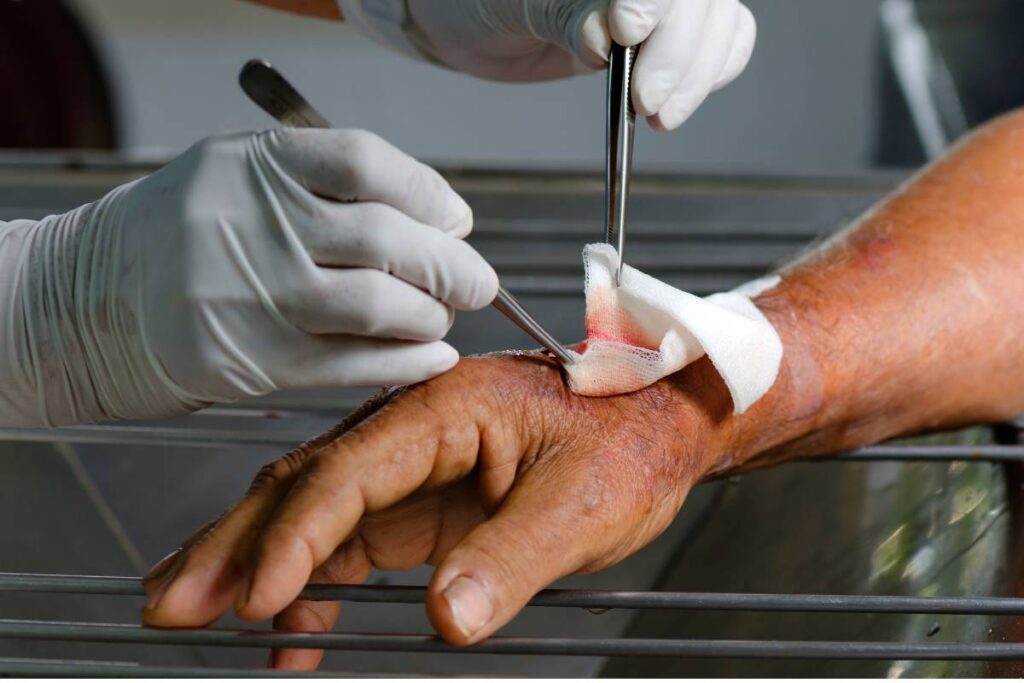
A key aspect of diagnosing a wound infection is careful observation of changes in and around the wound, as symptoms of infection often intensify gradually and may differ based on wound type, location, and the patient’s overall health. The most characteristic symptom is increased redness around the wound, often accompanied by swelling – a noticeable increase in tissue volume surrounding the wound. Redness indicates the escalation of an inflammatory process, the body’s response to the presence of microorganisms. Normally, as a wound heals, it gradually becomes lighter and less painful, but with infection, a pronounced erythema that can extend beyond the original wound margins develops. There may also be discharge with an unpleasant odor or color change, the presence of pus, or yellow-green exudate. Such discharge is a classic warning sign of bacterial infection and should prompt caution, as it not only jeopardizes healing but can also result in systemic complications.
Another important symptom is increasing pain – throbbing, burning, or dull – which exceeds the expected discomfort from a skin injury. A patient may notice the pain worsening rather than subsiding over time. As infection progresses, localized or even systemic body temperature increases may occur. The skin surrounding the wound becomes distinctly warmer due to local dilation of blood vessels and an influx of immune cells to the infection site. Healing is often delayed – rather than forming granulation tissue, the wound may break down, become larger, or develop moist necrosis. Special attention should be paid to generalized signs of infection such as fever, chills, weakness, swollen nearby lymph nodes, and general malaise. These indicate that the infection may be spreading, posing a potential life-threatening condition. Other symptoms, such as foul wound odor, bleeding, sudden paling of skin around the change, or swelling that persists despite proper care, are also significant. In chronic wounds, like pressure sores or venous ulcers, infection usually manifests as increasing pain, tissue loss, and more pus, making treatment more complicated. Developing infection can worsen the wound’s local state and spread to cause deeper tissue infections like cellulitis or myositis, and even sepsis. All these symptoms are red flags that call for immediate medical consultation and appropriate treatment, so quick recognition and correct interpretation by both patients and medical staff are crucial.
Causes and risk factors for infection development
Wound infection arises when pathogenic microorganisms penetrate damaged tissue and find suitable conditions for development. The method the wound occurred is key – wounds contaminated with soil, debris, dust, or other organic substances are much more prone to infection than those created in a sterile environment. Bacteria are the most frequent culprits, including staphylococci (Staphylococcus aureus), streptococci (Streptococcus pyogenes), Pseudomonas aeruginosa (“blue pus” bacillus), and anaerobic bacteria such as Clostridium perfringens. Fungi or, more rarely, viruses may also be involved, especially in deep or chronic wounds. Often, infection is due to improper first aid – where the wound isn’t adequately cleaned or is dressed with non-sterile material. Placing dirty hands in wounds, using non-disinfected tools, leaving foreign bodies or scraps, even failing to change dressings, are errors that greatly increase infection risk. Additionally, crush, torn, or bite wounds have a higher chance of infection due to irregular edges and difficulty cleaning. Wounds on hands, feet, or around the mouth are at particular risk due to increased bacterial exposure.
Infection development depends on many risk factors related to both the patient’s general health and wound care. Overall immunity is crucial – people who are immunosuppressed, chronically ill (e.g., diabetes, cancer, kidney or liver disease), organ transplant recipients, those on immunosuppressants, steroids, or cytostatics are especially vulnerable. A similar risk applies to seniors, children, and pregnant women – these groups often have immune systems that struggle to quickly fight pathogens. Wound care errors like infrequent dressing changes, airtight or occlusive bandages, poor hand hygiene before contact, or neglecting regular cleaning and moisturizing of damaged tissue also raise risk. Environmental conditions (high humidity, heat, and biofilm presence) may encourage persistent, hard-to-treat infections. Other risk factors include necrosis, ischemia (e.g., in diabetic foot), ongoing inflammation, excessive pus, or large tissue damage. Coexisting illnesses, such as coagulation disorders, anemia, obesity, or malnutrition, prolong healing and increase susceptibility. Complication risk also rises with more foreign bodies left in wounds (stitches, drains, glass, etc.). Social and hygiene issues are not insignificant – poor sanitary conditions, limited access to dressings, personal hygiene neglect, and lack of wound care education all contribute. Recent studies show rising antibiotic resistance is an added threat, making infections harder to treat and increasing risk of chronic infections. Long-standing or poorly treated wound infections may lead to severe complications, including the spread of microorganisms to deeper tissues, internal organs, and, in worst cases, sepsis.
Complications associated with wound infection
Untreated or improperly managed wound infections can cause numerous local and systemic complications. Locally, escalating inflammation may destroy healthy tissues surrounding a wound, manifesting as swelling, growing pain, pronounced redness, or sometimes necrosis. Abscesses or fistulae may form, frequently requiring surgical intervention. A common issue is chronicity – infection disturbs healing, leading to chronic wounds that are not only painful but difficult and costly to treat. Infections that spread beyond the original site may cause cellulitis or periostitis (bone inflammation), greatly raising the risk of serious complications. Especially dangerous are infections by antibiotic-resistant bacterial strains, which demand specialized solutions and extend patient recovery. Local complications also include tissue necrosis, not only blocking regeneration but increasing the risk of losing function in the area. Formation of bacterial biofilm further complicates treatment, as microorganisms are protected from antiseptics and the immune system. Such issues require more frequent dressing changes, advanced pharmacotherapy, and sometimes hospital care.
Chronic or untreated wound infection can lead to severe systemic complications, threatening patient health and life. The gravest is sepsis – a generalized inflammatory response to the presence of microbes and their toxins, resulting in circulatory disorders, organ failure, or even death. Sepsis often develops when microbes from wounds enter the bloodstream, particularly in immunocompromised, chronically ill, or elderly people. Other systemic complications include osteomyelitis (bone infection), which can follow an extended infection near bones and is difficult to treat by conventional methods. Sometimes erysipelas – an acute, bacterial skin and subcutaneous infection with high fever and rapidly spreading inflammation – develops. For those with risk factors like diabetes, vascular disease, or immune issues, wound infection can cause gangrene, i.e., tissue necrosis with bacterial decay, potentially resulting in limb amputation. In extreme instances, these complications may cause permanent disability, loss of independence, and severe reduction in life quality. Immunological complications may include reactivation of chronic conditions or secondary infections elsewhere in the body seeded from the initial wound. Infection spreading via lymphatics may lead to lymphangitis or lymph node enlargement, further complicating effective therapy. All these serious complications confirm the importance of monitoring healing, prompt medical attention for worrying symptoms, and professional treatment to avoid catastrophic outcomes.
Diagnosis and treatment of wound infections
Proper diagnosis of wound infection relies on broad clinical evaluation and, if necessary, laboratory tests. The foundation for infection recognition is a detailed medical interview and visual assessment of the wound and surrounding tissue. Specialists look for changes in the wound’s appearance, such as increased redness, swelling, presence of pus, wound enlargement, or foul odor. The duration of symptoms and advancement of inflammation are also important. In patients with reduced immunity or chronic wounds, generalized symptoms like fever or malaise may be significant. For ambiguous cases, specialized diagnostic tools are used: biological material is collected for microbiological testing – a swab from the wound or, in deeper infections, deep tissue sampling. This enables identification of the exact pathogen and selection of effective antibiotic therapy. General laboratory tests like blood morphology, CRP, or procalcitonin help gauge inflammation intensity and monitor treatment progress. Imaging studies such as ultrasound, MRI, or CT scans may be ordered to assess the infection’s spread to deeper tissues, bones, or subcutaneous fat. It’s also crucial to distinguish wound infection from other skin conditions, such as vascular ulcers or allergic reactions to dressings.
Treatment of wound infection should be individualized, taking into account wound type and extent, infection cause, potential complications, and coexisting illnesses. The most important stage is proper removal of dead tissue, pus, and debris. This is done mechanically, surgically (debridement), enzymatically, or via autolysis, according to clinical needs. Regular dressing changes and selecting products with antibacterial properties (e.g., silver, iodine, or hydrocolloid dressings) accelerate healing and limit microbial growth. Topical antibiotics are mainly recommended for minor superficial infections and for prevention, but due to rising antibiotic resistance, they are used less frequently. More severe, systemic, or deep infections require oral or intravenous systemic antibiotic therapy, chosen based on culture and susceptibility testing. Symptomatic medications – painkillers and anti-inflammatories – support treatment. Closely monitoring the wound’s reaction to treatment and reassessment during dressing changes help detect worsening condition or new complications early. Specialist consultations (dermatological or surgical) are arranged when complications like gangrene, bone infection, tissue necrosis, or phlegmon are suspected. For very extensive infections, sepsis, or limb-threatening cases, hospital care including surgical intervention (drainage, amputation) and intensive antibiotics may be necessary. Innovative treatments include negative pressure wound therapy (NPWT), photodynamic therapy, and techniques that enhance beneficial microflora for tissue regeneration. Nutritional support aiming to improve overall condition and accelerate tissue rebuilding is important – an adequate diet rich in protein, vitamins, and minerals contributes significantly to effective therapy. Patient education about proper wound care and multidisciplinary medical teamwork greatly improve prognosis and reduce infection recurrence risk.
Prevention and home methods for infection avoidance
Wound infection prevention includes several actions that reduce infection risk and promote faster, safer tissue healing. Immediate response is vital – focus on cleaning, disinfecting, and protecting the wound from further contamination as soon as it occurs. Every cut, abrasion, or deeper wound should be thoroughly rinsed under running water to remove debris and dead tissue. Mild antibacterial soap or specialized antiseptics are recommended to minimize microorganisms on the wound surface. For deeper, larger, or heavily contaminated wounds, a doctor should be consulted, but even minor injuries require regular dressing changes and monitoring of healing. Hygiene is crucial – always wash hands before touching wounds or changing dressings, as invisible dirt or bacteria can contaminate open tissue. Home dressings should be sterile, breathable, and preferably hypoallergenic to ensure airflow while protecting against new pathogens. Sealed plasters and sterile gauze are effective for minor wounds, while deeper injuries may require specialized dressings to prevent superinfection and maintain a moist, healing environment.
Home remedies to prevent infection also include natural substances that support tissue regeneration, such as aloe, manuka honey, or calendula extracts – these have moderate antibacterial effects and may soothe inflammation, but should not replace professional antiseptics for serious wounds. Avoid unproven substances, homemade concoctions, or non-sterile materials, as these can increase infection risk or delay healing. Healthy habits are also fundamental – a balanced diet rich in vitamins (particularly vitamin C and zinc) and protein supports tissue repair and strengthens the immune system. Maintaining regular physical activity, controlling chronic diseases (such as diabetes or circulatory disorders), and avoiding smoking or excessive alcohol also help reduce risk. For the elderly, immunocompromised, or people on immunosuppression, even greater attention must be paid to aseptic practices and eliminating sources of pathogens in their environment. Regular changes of bedding, disinfecting surfaces around the patient, and careful cleaning of wound care tools reduce risk of cross-infection. Tetanus vaccination shouldn’t be neglected – any wound, especially those contaminated with soil or metal, can be a source of serious infection, so up-to-date immunization is essential, particularly for high-risk individuals. Monitoring the wound and quickly responding to early warning signs – increased pain, redness, discharge, or swelling – allows early intervention, greatly improving outcomes and minimizing complications or prolonged healing. Appropriate preventive measures and a conscious approach to home wound care are thus essential for maintaining skin health and protecting against dangerous infections that may have serious systemic effects.
Summary
Wound infections may lead to severe complications, making quick response and proper care vital. Understanding causes and recognizing symptoms such as purulent discharge, redness, or pain allow for timely effective treatment. This article outlines risk factors, recognition strategies, and advanced therapies, including home and preventive measures. By maintaining hygiene and regularly monitoring the wound, one can minimize infection risk and promote rapid, uncomplicated healing.