
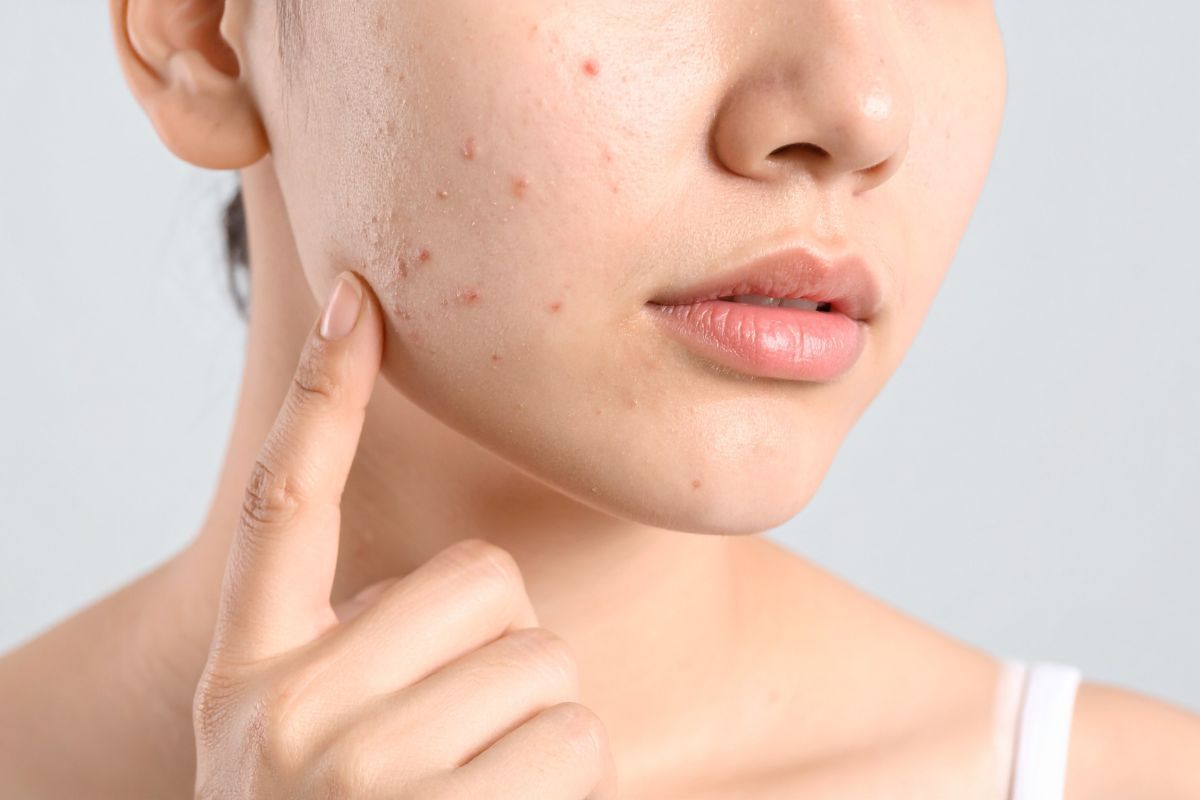
Discover an effective anti-acne diet! Check what to eat and what to avoid to improve your skin condition and minimize acne lesions – practical tips.
Table of Contents
- How does diet affect acne development?
- Recommended products in the anti-acne diet
- What should you avoid with acne-prone skin?
- Sample menu for healthy skin
- Most common dietary mistakes in acne
- Additional tips for lasting skin improvement
How does diet affect acne development?
The influence of diet on acne development has long been a topic of interest among doctors, nutritionists, and individuals struggling with skin imperfections. From a scientific point of view, not only general eating habits but also specific nutrients can aggravate or alleviate acne symptoms. Diet impacts hormonal balance, the activity of sebaceous glands, and the level of inflammation in the body—all of which play a key role in the formation of acne lesions. Foods rich in rapidly absorbable carbohydrates with a high glycemic index, such as white bread, sweets, or sodas, cause a rapid increase in blood glucose levels, stimulating insulin production. Excess insulin promotes the rise of androgens—hormones that increase sebaceous gland activity. The result is an overproduction of sebum, which clogs skin pores and encourages the formation of inflammatory states and pimples. A diet high in cow’s milk and dairy products can also negatively affect the skin in individuals prone to acne, as milk contains hormones and bioactive peptides that enhance sebum production and trigger breakouts. Scientific studies suggest that not only sugar but also excessive intake of salt and processed foods rich in trans and saturated animal fats worsen skin condition by raising overall inflammation in the body. It is also worth considering the impact of gut microflora, which depends on the diet—an unhealthy gut bacteria profile can increase intestinal permeability, allowing pro-inflammatory compounds to enter the bloodstream and worsen acne.
Not all dietary components are detrimental—there are plenty of nutrients in a well-balanced diet that can bring real benefits in the fight against acne. The most important include foods rich in antioxidants, vitamins A, E, and C, zinc, and omega-3 fatty acids, which help regulate inflammation and support skin regeneration. Vegetables, fruits, sea fish, whole grains, and nuts provide compounds that reduce lipid oxidation in sebum and speed up the healing of acne-induced wounds. Dietary fiber is also emphasized, as it boosts metabolism and helps beneficial gut flora, while some fermented dairy products like kefir or natural yogurt support bacterial balance, indirectly alleviating acne symptoms. Another aspect is proper hydration—drinking plenty of water helps flush out toxins and metabolic byproducts and maintains the skin’s flexibility and hydration. Research indicates that people following the Mediterranean diet—rich in vegetables, olive oil, fish, and seafood—suffer less from severe acne. This is due to the diet’s low simple sugar and processed food content, and high antioxidant intake. Therefore, diet affects acne in many ways—from hormonal regulation to anti-inflammatory action, to regenerative support for the skin. Planning a menu that limits acne-exacerbating ingredients and enriches it with protective and anti-inflammatory foods is key to effectively combating acne at any age.
Recommended products in the anti-acne diet
An anti-acne diet should be based primarily on foods that support hormonal balance, minimize inflammation, and provide nutrients for skin regeneration. The fundamental group consists of fresh vegetables and fruits, which are sources of vitamins (A, E, C, B group), minerals (zinc, selenium, copper), and antioxidants—the latter effectively protect skin cells from free radical damage, accelerate healing, and slow skin aging. The most valuable for people with acne include dark leafy greens (spinach, kale, arugula), carrots, broccoli, red and yellow peppers, tomatoes, and pumpkin. Among fruits: blueberries, berries, mango, kiwi, and citrus. Regular consumption of these foods not only provides vitamins and anti-inflammatory substances but also fiber, which regulates intestinal function, prevents constipation, and supports detoxification—indirectly translating into a better complexion. Omega-3 fatty acids also play a vital role due to their strong anti-inflammatory properties and beneficial effects on the skin’s lipid balance. The best sources include fatty sea fish (salmon, mackerel, sardines, herring), flaxseed, chia seeds, walnuts, and linseed/canola oil. Diets high in these foods reduce redness, the risk of purulent inflammation, and improve elasticity and softness of the skin. Zinc, found in pumpkin seeds, legumes, nuts, seafood, and lean beef, speeds up healing and regulates sebum secretion, while selenium from Brazil nuts and eggs supports the skin’s antioxidant and detoxifying functions. Whole grain products such as oatmeal, buckwheat, brown rice, and whole wheat bread provide B vitamins and fiber, helping maintain stable blood sugar levels and thus preventing insulin spikes that promote acne.
Fermented foods rich in natural probiotics should also be included, as they affect not only digestive but also immune health and gut microflora balance—disturbances of which can lead to skin inflammation. The most recommended are kefir, natural yogurt, buttermilk, kimchi, sauerkraut, and pickled cucumbers, which you can eat daily as snacks or meal additions. Proper hydration is another essential part of the anti-acne diet—drinking enough mineral water, herbal teas (nettle, horsetail, chamomile), or lemon water helps cleanse the body and removes toxins, improving skin health. Great results in acne prevention and treatment also come from regular consumption of green tea, which abounds in polyphenols with proven anti-inflammatory and antioxidant effects. Include healthy plant-based (beans, lentils, quinoa, tofu) and animal-based proteins (fish, lean meat, eggs), which build new cells and support skin regeneration. Including these foods can limit acne severity, improve overall health, strengthen immunity, and help maintain a healthy weight. The diet aimed at improving skin should also include moderate amounts of healthy fats such as avocado, olive oil, almonds, and seeds, which support elasticity and reduce inflammation. It’s also important that meal regularity and a wealth of diverse nutrients balance microelements and vitamins for optimal skin regeneration. Choosing predominantly unprocessed, fresh products in your diet benefits not only the skin but the entire body, which is reflected in the appearance and health of those suffering from acne.

What should you avoid with acne-prone skin?
For acne-prone skin, it’s crucial to consciously eliminate foods and beverages that boost inflammation, provoke hormonal fluctuations, and disturb sugar balance. First, limit high-glycemic index products—those based on white flour: white bread, baguettes, rolls, pastas, pizzas, sweetened cereals, cookies, sweet buns, candy bars, and sweets. Consuming these causes a rapid blood sugar rise, triggering an insulin spike, which may stimulate androgen activity and sebum production, resulting in new skin lesions. Sweetened soft drinks, fruit nectars, energy drinks, and store-bought juices, packed with simple sugars, worsen the effects of hyperglycemia. Excess salt, often hidden in processed instant foods, chips, and cold cuts, may also worsen skin by disrupting water-electrolyte balance and increasing water retention, leading to swelling and a “heavier” skin feeling. Processed foods, especially those with trans fats (salty snacks, fries, fast food, ready cakes, hard margarines), are highly pro-inflammatory, increase sebum secretion, and may disturb gut microflora—dysbiosis is frequently seen in skin problems. The influence of dairy is often underestimated—cow’s milk, yogurt, hard and processed cheeses potentially stimulate insulin and IGF-1 (insulin-like growth factor) secretion, linked to greater sebum and worsening acne, especially in youth and genetically prone individuals.
The impact of certain food additives—like glucose-fructose syrup, artificial colors, preservatives, flavor enhancers—is also significant as they burden the liver and trigger allergies and intolerances, potentially intensifying skin symptoms. Fried, fatty, indigestible foods—especially those deep-fried or cooked in reused oils containing oxidized fats—are another trigger. These meals burden the digestive tract, raise free radicals, induce inflammation, delay healing of acne, and damage collagen, leading to skin firmness loss. It is recommended to avoid red meats, cold cuts, and sausages containing antibiotic, hormone residues, lots of salt, saturated fats, and preservatives—these all worsen acne and can contribute to chronic inflammation. People with acne should be cautious not only with visibly unhealthy choices but also “hidden” risks such as artificial-color alcoholic drinks, commercial milkshakes, and ice creams, which are sources of both lactose, simple sugars, and artificial additives. Chronic stress, lack of sleep, and high intake of coffee and caffeine drinks exacerbate the secretion of cortisol—the skin’s hormonal “burner,” which causes chronic inflammation, reduces immunity, and increases oiliness. Mindful elimination or reduction of the above foods, and careful label reading, allows for better management of acne symptoms and significantly improved skin by supporting the body’s cleansing and regenerative mechanisms.
Sample menu for healthy skin
A well-planned menu for healthy skin should provide all essential nutrients, minimize acne-provoking foods, and maintain stable blood sugar throughout the day. Start with a breakfast full of fiber, vitamins, and antioxidants—a good choice is oatmeal prepared with plant milk (e.g. oat or almond), enriched with blueberries, strawberries, walnuts, flaxseed, and a spoonful of natural, preferably fermented, yogurt. For those preferring savory options, an omelet of two eggs with spinach, tomato, and fresh herbs, served with a slice of whole grain rye bread, is excellent. Hydration is important throughout the day—opt for mineral water, green tea, herbal infusions, or lemon water to detoxify and reduce internal inflammation. Mid-morning is ideal for a veggie-fruit smoothie, e.g., blended spinach, kiwi, half a banana, a handful of blueberries, and some almonds—this blend provides vitamins C and E while satiating and protecting skin from free radicals. Another great option is a light salad based on arugula, avocado, pumpkin seeds, and baked salmon, drizzled with olive oil and lemon juice—the omega-3 and fiber content will benefit gut microflora and promote skin elasticity and moisture. Lunch offers space for a larger portion of protein and vegetables—for example, baked turkey breast or herb-baked cod with buckwheat and lots of steamed vegetables (broccoli, carrot, zucchini, pepper), plus sauerkraut or pickled cucumber as a source of probiotics. If you prefer vegetarian, try chickpea or lentil patties with beet and celery salad and roasted sweet potato, which is rich in beta-carotene—key for skin regeneration. The anti-acne diet should include plenty of green leafy plants, so lunch or afternoon snack may be a tortilla with hummus, arugula, cucumber, pepper, sunflower seeds, with some pomegranate seeds for antioxidants and B vitamins.
For dinner, opt for a light but nutritious meal that won’t overload the gut—an excellent choice is broccoli, cauliflower, and parsley cream soup with pumpkin seeds and whole grain croutons, or a salad with beetroot, goat cheese, nuts, and olive oil. Alternatively, have avocado paste with garlic and sun-dried tomato on sourdough rye bread, or cook millet porridge with baked apple, a bit of cinnamon, and sunflower seeds. Diversity is crucial in a skin-enhancing diet—rotate products and use seasonal veggies and fruits. Every few days, try a homemade vegetable broth with ginger and turmeric (strong anti-inflammatory effect), which will both warm you and boost your immunity. Also, use healthy cooking methods: steam, stew without fat, or bake—avoiding frying and grilling limits trans fats and inflammatory compounds. End the day with green tea with lemon or a glass of kefir before bedtime—this supports the gut microflora and the skin’s night repair processes. The model acne diet avoids white bread, wheat pasta, sweet drinks, and high-lactose dairy—instead, choose plant-based drinks, fermented dairy, gluten-free grains (e.g., buckwheat, quinoa), nuts, and seeds, which are excellent plant protein, magnesium, zinc, and unsaturated fat sources. Meal regularity and variety are key, so plan in advance, aiming for at least five small portions a day and a balance of vegetables, healthy fats, and high-quality protein. For skin healing and rejuvenation, include various pickled foods, fiber-rich products (oat flakes, pumpkin seeds, hazelnuts), and berries, which protect skin cells from oxidative stress and help prevent new acne lesions. Remember, individual needs vary—if you suspect food intolerances (like gluten or lactose), consult a dietitian to choose the most suitable solutions for acne-prone skin.
Most common dietary mistakes in acne
One of the most common dietary mistakes among people struggling with acne is inconsistency in eliminating high-glycemic index products and misunderstanding how specific dietary components affect the skin. Many focus only on skipping sweets or fatty foods, yet ignore hidden simple sugar sources, like sweet drinks, fruit yogurts, white bread, or boxed cereals. Unfortunately, sudden blood sugar spikes lead to insulin release, which boosts androgenic hormone and sebum production, fostering acne lesions. Another frequent mistake is rashly eliminating entire groups of products without consulting a nutritionist—especially milk and dairy. While some studies suggest a link between dairy and increased acne, not all dairy is equally problematic, and too radical restrictions may cause calcium, vitamin D, and protein deficiencies. It’s crucial to distinguish between healthy and unhealthy fats—people with acne often remove all fats, thus depriving themselves of necessary omega-3 and omega-6 acids, which are anti-inflammatory and vital for the skin’s lipid barrier. On the other hand, excessive trans and saturated fat intake—from fast food, baked snacks, chips, or margarines—increases inflammation and damages skin structure. Another misinterpretation is regarding “healthy” products—eating large amounts of dried fruit, smoothies with juice or honey, falsely believed to be dietary, release sugar as quickly as regular sweets, aggravating acne and sugar metabolism.
Other mistakes include meal irregularity and overly restrictive diets that cause vitamin and mineral deficiencies. Skipping breakfast, long meal gaps, or episodes of overeating destabilize insulin balance and promote sebum production. A well-balanced diet should be based on five smaller, varied meals a day, rich in vegetables, protein, and healthy fats, to stabilize glucose and hormones. Insufficient hydration is widespread—acne sufferers often drink too little water, focusing on coffee, sodas, or energy drinks, which do not quench thirst and also dehydrate and stimulate the nervous system, worsening skin inflammation. Skipping fermented or probiotic-rich products that support gut microbiota also disrupts harmony and may intensify acne, since healthy intestines regulate overall inflammation. Another neglect is ignoring the season and quality of foods; industrially farmed produce rich in pesticides and chemicals, instead of fresh seasonal alternatives, can further expose skin to pro-inflammatory substances. Overuse of various dietary supplements is also problematic—improper supplementation with vitamin B12, iodine, or biotin without medical guidance can trigger acne flare-ups and mask deficiencies in key nutrients. The impact of stress and its link to uncontrolled snacking, reaching for “comfort” sweets or snacks, or energy drinks is also often overlooked, perpetuating bad dietary habits. Ignoring individual food reactions, not monitoring the daily menu, and not adjusting calorie intake to actual needs results in worsening skin as well as metabolic imbalance and chronic fatigue, which may indirectly increase the risk of aggravating acne.
Additional tips for lasting skin improvement
Lasting improvement in skin condition requires not only a conscious diet but also daily healthy habits and lifestyle hygiene supporting the skin’s natural regeneration. One key aspect is sleep regularity—sleep deprivation raises cortisol, the stress hormone, which can intensify inflammation and raise the risk of acne flare-ups. Try to go to bed at a set time, ensure at least 7–8 hours of rest every night, and avoid blue-light devices before sleep. Stress management is equally important—chronic psychological stress increases androgen production, stimulating the sebaceous glands and fostering new pimples. Effective methods to manage stress include relaxation techniques, meditation, breathing exercises, and regular physical activity (walking, yoga, stretching). Exercising not only improves mood and reduces tension but also enhances circulation, aiding better nourishment of skin cells and removal of toxins. Outdoor activity also exposes the skin to vitamin D, essential for many metabolic processes, including those in the skin—but always use sun protection and avoid excessive UV exposure, which may worsen inflammation and acne-related pigmentation.
Skin needs support both internally and externally, so your daily skincare should be as intentional as your diet. Gently but thoroughly cleanse your face—avoid harsh cleansers with alcohol or strong drying agents, as they damage the hydrolipid barrier and stimulate excessive sebum. Use mild cleansers, toners, and lightweight moisturizers to reduce irritation and maintain skin moisture. For acne-prone skin, opt for cosmetics free of comedogenic substances and artificial fragrances; regularly incorporate gentle enzymatic exfoliants to remove dead skin cells without harsh scrubbing. If you have acute inflammation, do not squeeze lesions yourself—leave it to professionals to avoid deeper infections and scarring. Also, regularly wash and change pillowcases, towels, and makeup accessories, and avoid touching your face with unwashed hands during the day. If you work at a computer or frequently talk on the phone, keep your devices clean to minimize bacteria transfer to the skin. Ensure a proper indoor microclimate—air that’s too dry weakens the skin barrier, while excessive humidity fosters bacterial growth. In addition to previously mentioned foods, you can periodically implement natural supplements supporting skin health, such as zinc, vitamin D, probiotics, or omega-3s—but always after consulting a doctor or nutritionist. In some acne cases, hormonal or food intolerance testing may be warranted since hormonal imbalances or hidden allergies may prevent lasting improvement despite a proper diet. Lifestyle changes should be introduced gradually and maintained consistently as only then can the body and skin adapt—and results will be not only quick but, above all, long-lasting.
Summary
A balanced and mindful diet can significantly improve the condition of acne-prone skin. Choosing the right foods—rich in antioxidants, fiber, vitamins, and healthy fats—supports skin regeneration and reduces inflammation. Avoiding processed foods, sugar, trans fats, and high-GI products effectively limits the appearance of new skin lesions. It’s also important to focus on meal regularity and hydration. Adopting proper nutrition habits and eliminating the most common dietary mistakes will help you enjoy fresh and healthy skin. Start the changes with your plate—it’s a simple step to better skin and well-being.