Table of Contents
- Sleep apnea and snoring – what are they and who do they affect?
- Most common symptoms and effects of obstructive sleep apnea
- Causes of snoring and sleep apnea – risk factors
- Diagnostic methods – how to recognize sleep apnea?
- Treatment of snoring and sleep apnea – modern and home methods
- Prevention and support – how to improve sleep quality and health?
Sleep apnea and snoring – what are they and who do they affect?
Sleep apnea and snoring are among the most common – yet most often underestimated – breathing disorders during sleep. Snoring occurs when air passing through the throat encounters a narrowing, setting into vibration the loose tissues of the soft palate, uvula, or throat walls. This manifests as a characteristic loud sound, often interrupted by moments of silence – it is during these pauses that breathing may stop. Sleep apnea is a condition where breathing ceases for at least 10 seconds, repeatedly throughout the night. We refer to obstructive sleep apnea (OSA) when the cause is the mechanical collapse of the upper airways, and to central apnea when the brain temporarily “stops sending” the breathing signal. In practice, obstructive sleep apnea is the most commonly observed and often coexists with loud, irregular snoring. Contrary to popular belief, snoring is not merely a social nuisance – it can be the first alarming symptom of a serious disorder affecting the heart, circulation, metabolism, and brain function. It is estimated that 60–70% of snoring adults experience at least mild episodes of sleep apnea, of which they are often unaware, as they do not remember night-time awakenings. Apnea leads to repeated drops in blood oxygen levels (hypoxia) and micro-arousals of the brain, disrupting sleep architecture: a person may formally sleep 7–8 hours, but wake up feeling as if they hadn’t rested at all. Over time, the body responds with elevated blood pressure, increased heart rate, arrhythmias, and exacerbated insulin resistance and inflammation. Thus, in the clinical definition of sleep apnea, alongside the number of apnea episodes per hour (the AHI index), daytime symptoms such as sleepiness, concentration problems, morning headaches, or irritability are just as important. Snoring may have various characteristics: continuous, monotonous sounds often signal simple, “primary” snoring without numerous apneas, whereas irregular, interrupted loud snoring – so-called “snoring with pauses” – is a typical sign of the airways periodically closing completely. The anatomical structure (e.g., narrow throat, enlarged tonsils, deviated nasal septum, overbite, retruded jaw), muscle tone, body weight, and sleeping position all affect the course of these disorders – symptoms usually worsen when sleeping on the back, as the tongue and soft palate are more likely to fall backwards. Nighttime snoring is also common during upper respiratory infections, allergies, enlarged nasal turbinates, or chronic rhinitis, but if it persists chronically, it requires diagnosis for apnea.
Sleep apnea and snoring can affect practically anyone – from children to the elderly – but certain groups are particularly at risk. The highest risk occurs in overweight and obese individuals, as excess fat tissue in the neck and throat further narrows the upper airways, and visceral fat in the abdomen impedes proper diaphragm movement. Men aged 40–60 are more commonly affected, but after menopause, gender differences decrease – women lose the protective effect of female sex hormones, and symptoms may be “masked” as chronic fatigue or mood disorders. Risk is also higher among people with hypertension, type 2 diabetes, coronary artery disease, heart failure, atrial fibrillation, or chronic obstructive pulmonary disease (COPD) – in these groups, sleep apnea often goes undetected, even though it worsens chronic diseases’ course. Lifestyle factors play a crucial role: smoking promotes chronic swelling and inflammation of the airway mucosa, alcohol reduces throat muscle tone and worsens snoring, and sleeping pills or tranquilizers can further weaken airway protective reflexes. In children, snoring and apnea are most often due to enlarged adenoids or tonsils, anatomical jaw defects, chronic allergies, or deviated nasal septum. Untreated breathing disorders in childhood can cause concentration problems, hyperactivity, growth delays, bedwetting, or even school difficulties mistakenly interpreted as ADHD. It’s worth remembering that thin individuals can also experience sleep apnea, especially with anatomical abnormalities (e.g. narrow, high palate, small jaw, retruded chin) or family predispositions. Genetics matter: if close relatives snore or have diagnosed apnea, the risk increases. People with irregular rhythms—professional drivers, shift workers, night workers—often face breathing problems at night, with chronic fatigue and “catching up on sleep” during the day masking symptoms. Medical practice increasingly highlights that snoring and sleep apnea are not “just problems of the elderly” – they also affect young adults, pregnant women (especially those with gestational hypertension and diabetes), patients after respiratory infections, or those with post-covid brain fog. Therefore, anyone who snores loudly, wakes up gasping for air, has morning headaches, a dry mouth, heart palpitations, and battles unjustified sleepiness and impaired concentration during the day – regardless of age and body weight – is in a group that should consider a breathing disorder diagnosis during sleep.
Most common symptoms and effects of obstructive sleep apnea
Obstructive sleep apnea (OSA) is a disorder that develops insidiously, and its first symptoms are often ignored or attributed to “overwork” or “loud snoring after a hard day.” The most characteristic symptom is loud, irregular snoring, often interrupted by periods of silence followed by abrupt “snorting,” gasping for air, or brief, agitated awakening coughs. Such episodes are usually observed by a partner or household members, as people with OSA generally do not remember them. Night-time symptoms also include frequent awakenings (not always consciously remembered), choking or shortness of breath at night, excessive sweating during sleep, dry mouth, and sore throat upon waking. Another warning sign is extremely restless sleep – tossing and turning, changing positions, throwing off the covers, clutching bedding, or nightmares involving suffocation. A typical but often overlooked symptom is the need for frequent nighttime bathroom visits (nocturia), frequently misattributed to urological problems when the actual cause may be disturbed breathing during sleep. It’s crucial to note that OSA is not always linked to high body weight – it is also present in people of normal weight whose upper airway anatomy predisposes them to tissue collapse during sleep. Key is attention not just to snoring, but to the entire syndrome of symptoms that together create a typical clinical picture. Daytime symptoms are most conspicuous for excessive sleepiness. The patient feels a lack of energy from the morning, has trouble “fully waking up,” despite an apparently unbroken night’s sleep. There is a compulsion for naps during work, reading, watching TV, even in situations requiring concentration such as driving or business meetings. Often, partners, coworkers, or supervisors notice reduced performance and activity before the patient links symptoms to apnea. Fatigue is accompanied by concentration issues, short-term memory weakness, trouble assimilating new information, absent-mindedness, and a tendency to make mistakes. Many describe a “brain fog” feeling—as if thoughts are slowed and ordinary tasks require much more effort than before. Very common are also morning headaches, a “heavy head” feeling, irritability, and reduced mood from the day’s start, which significantly affects work and family life. Sleep disorders also have psychological and emotional consequences – chronic sleep deprivation increases the risk of depressive and anxiety disorders, worsens frustration and impulsiveness, and makes stress harder to handle. People with OSA are often more irritable, less patient, and more sensitive to stimuli, possibly leading to family and professional conflicts. Additionally, in men, frequent but rarely openly discussed issues include impotence and decreased libido, while in women there is reduced sex drive and satisfaction with intimacy. This impacts relationships, especially if a partner suffers from noisy snoring, has to sleep in another room, or themselves has disturbed sleep. Thus, sleep apnea is no longer only a health issue but starts to affect the entire household dynamic.
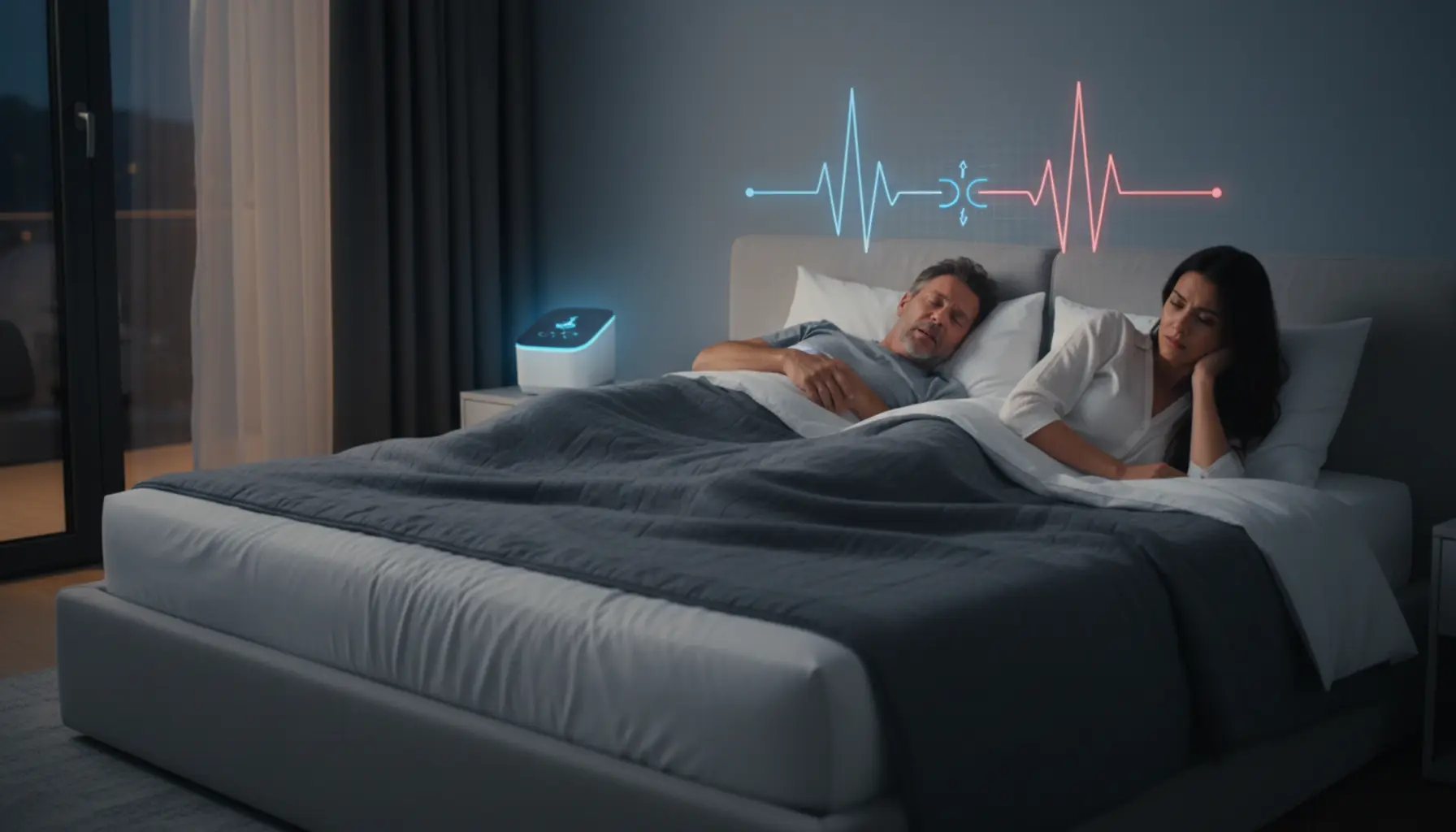
The effects of untreated obstructive sleep apnea are much more serious than just chronic fatigue and feeling unwell. Each apnea episode is a brief stoppage of oxygen supply to the body, followed by a burst of stress hormones, temporary rise in blood pressure, and increased heart rate. When these episodes repeat multiple times a night—sometimes dozens or hundreds of times—the body spends the night in a state of repeated “microshocks” to the cardiovascular system. Over time, this leads to the persistence of hypertension that is resistant to standard medication and requires more medication. OSA is also strongly related to an increased risk of heart attack, heart failure, arrhythmias (e.g. atrial fibrillation), and stroke. Scientific studies confirm that people with moderate or severe OSA live shorter lives and experience more serious cardiovascular incidents than those without the disorder. Another crucial consequence of OSA is its impact on metabolism—repeated night-time oxygen deprivation and chronic “stress” promote insulin resistance, type 2 diabetes, lipid disorders, and weight gain. This creates a vicious cycle: excessive body weight and obesity worsen apnea, while intense apnea further fosters obesity and hormonal imbalance, for example through disruptions in leptin and ghrelin secretion (hormones responsible for hunger and satiety). OSA is also associated with increased risk of car and workplace accidents—excessive daytime sleepiness and sudden “microsleeps” at the wheel dramatically increase the risk of collisions, while distraction and slow reactions when working with machines or at heights can have severe consequences. In many countries, sleep apnea is considered a major risk factor in evaluating professional driving abilities. For general health, one cannot overlook OSA’s impact on immunity—chronic sleeplessness and hypoxia weaken the immune system, increasing susceptibility to infections, slowing healing and regeneration, and promoting chronic inflammation. Some patients also experience worsening of other chronic diseases such as asthma, COPD, or gastroesophageal reflux, which in turn further worsen sleep quality. In family life, OSA’s effects include increasing tension over snoring, the need to sleep in separate rooms, less shared relaxation, and reduced communication with a partner due to ongoing fatigue and irritability. Professionally, there are more absences, lower performance, less creativity, and trouble concentrating for long periods. All this makes obstructive sleep apnea a systemic disease—it affects not only the respiratory system but also the heart, brain, metabolism, immunity, mental well-being, and social relationships, and its symptoms cannot be reduced to “just loud snoring.”
Causes of snoring and sleep apnea – risk factors
Snoring and sleep apnea share a common root: narrowing or periodic closing of the upper airways during sleep – but the list of causes and risk factors is broad and varied. The first are anatomical structures of the throat and nose. In some people, the airway is naturally narrower, favoring tissue vibrations and snoring, and in advanced cases, complete collapse during sleep. Enlarged adenoids or palatine tonsils (especially in children), elongated or flabby soft palate, oversized uvula, large tongue (macroglossia), or overbite mechanically reduce the space for airflow. Nasal patency also matters – a deviated septum, nasal polyps, chronic rhinitis (allergic or infectious), and swollen mucosa impede proper airflow through the nose, forcing mouth breathing, which promotes snoring. In sleep apnea, repeated collapse of the throat wall due to negative pressure on inhalation occurs, encouraged by tissue laxity and excess soft tissue around the throat. A key risk factor is overweight and obesity – fat in the neck, chin, and torso narrows the airways and increases their tendency to collapse. A neck circumference over 40 cm for women and 43 cm for men significantly raises the likelihood of OSA. Increased body weight also affects diaphragm and chest mobility, limiting breathing effectiveness and worsening sleep hypoxia. Abdominal obesity is closely tied to insulin resistance and hypertension, further worsening sleep apnea consequences. Hormonal factors also matter: in post-menopausal women, lower estrogen and progesterone reduce airway muscle tone, increasing the risk of snoring and OSA even with no earlier symptoms. Genetics plays its part through inherited craniofacial build (e.g., narrow jaw, short mandible, high palate), tendency to obesity, enlarged tonsils, or allergies. Statistics show that if one parent has sleep apnea, a child’s risk is noticeably higher, even if first symptoms only emerge in adulthood. Lifestyle factors are also crucial—drinking alcohol in the evening, smoking, or using certain medicines (especially sleeping pills and tranquillisers) clearly increase the risk of snoring and apnea. Alcohol and benzodiazepines lower muscle tone in the throat, making it easier to collapse during sleep, while nicotine causes chronic mucosal inflammation and swelling. Smokers snore much more often than non-smokers and the risk rises with the number of cigarettes smoked daily. Age also plays a role – muscle structures lose elasticity over time and tissues become flabbier, explaining higher snoring and apnea rates after age 40–50. Sex matters too – men are vastly more likely to suffer OSA than women, due to different airway structure, body fat distribution, and hormones. For women though, risk rises dramatically post-menopause, especially if also overweight or obese. Lastly, sleeping position is vital—sleeping on your back encourages the tongue to fall backward, closing the airway, so some experience clear “positional” apnea.
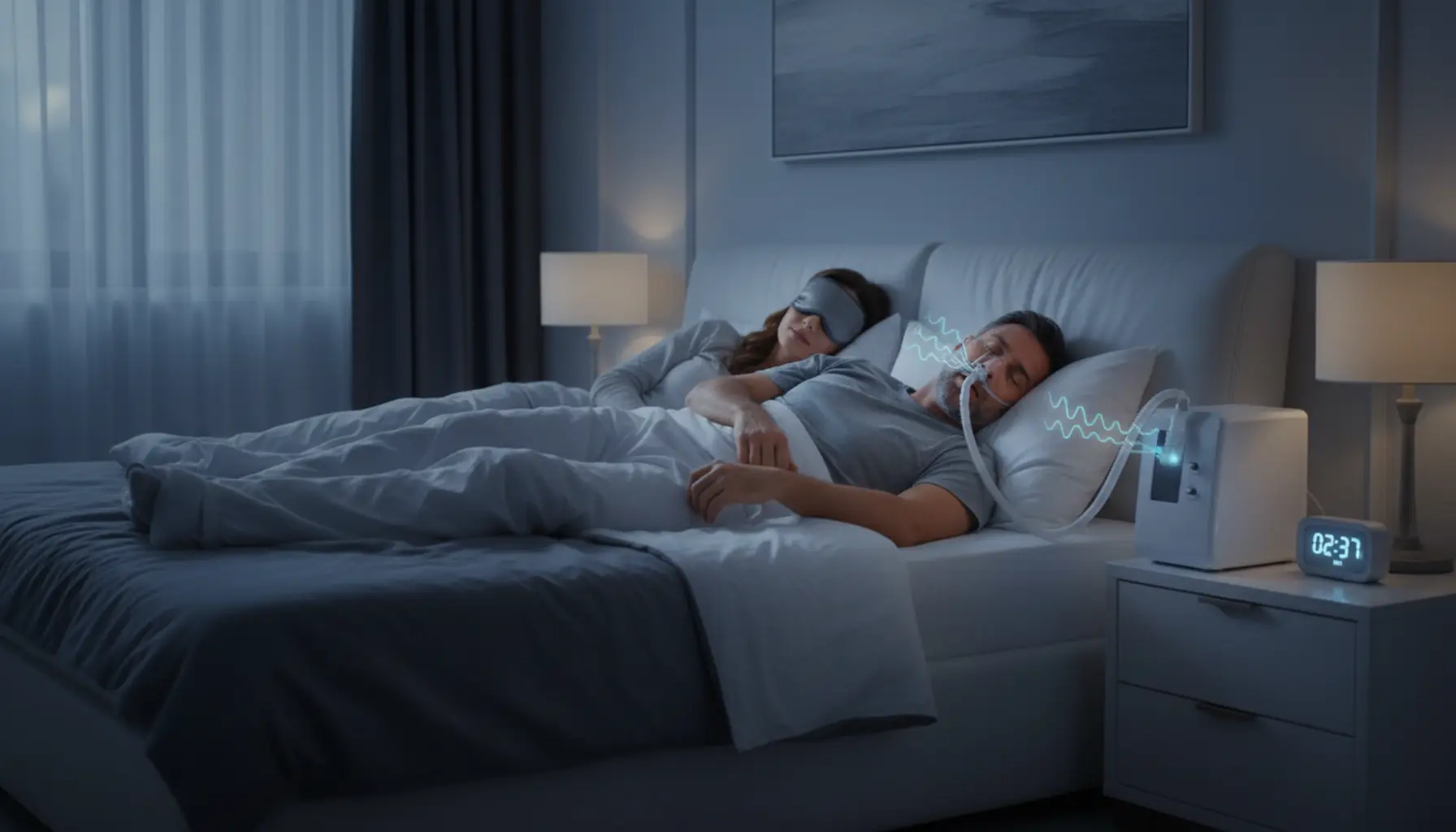
Among the causes and risk factors for breathing disorders during sleep are also chronic diseases and systemic disorders. Hypertension, type 2 diabetes, ischemic heart disease, heart failure, chronic obstructive pulmonary disease (COPD), or neurological diseases (e.g., stroke, Parkinson’s, myasthenia) can both worsen existing breathing problems and contribute to their development. In people with heart failure, central sleep apnea, caused by impaired central nervous regulation rather than mechanical airway narrowing, is more common. Conversely, untreated obstructive sleep apnea itself becomes a risk factor for these diseases, creating a vicious cycle. In children, the most common cause of snoring and apnea is enlarged adenoids and tonsils, but dental malocclusion, anatomical skull and facial defects (e.g., cleft palate, congenital craniofacial syndromes), and chronic upper respiratory infections and allergies are also key. Overweight children are especially at risk, as are those with neuromuscular diseases or Down syndrome – here structural factors (facial build, tongue, palate) and muscle tone both matter. Increasing focus is on sleep hygiene and environmental factors. Irregular sleep hours, too short sleep, shift work, exposure to blue light before bed (smartphones, computers), high stress, or sleeping in too warm, stuffy rooms can worsen sleep fragmentation and amplify existing breathing problems. For overweight, snoring-prone people, even mild colds, hay fever, or rich evening meals can significantly raise the number of apnea episodes in a single night. Finally, workplace and environmental factors play an often underestimated but important role: exposure to dust, fumes, irritants at work, chronic stress, caffeine or energy drink overuse, and long-term physical strain (e.g., among truck drivers or manual laborers) can promote the development or exacerbation of sleep breathing disorders. In reality, for most patients, snoring and sleep apnea result from a combination of several elements—anatomical predispositions, body weight, age, lifestyle, comorbidities, and hormonal factors—thus effective diagnosis and treatment require a comprehensive view accounting for both body structure and daily habits.
Diagnostic methods – how to recognize sleep apnea?
Diagnosing sleep apnea requires more than simply confirming that someone snores loudly. What’s crucial is combining the subjective symptoms reported by the patient, their partner’s observations, and objective tests performed at home or in a sleep clinic. The first step is usually a detailed medical interview, where the doctor – typically a family physician, ENT, pulmonologist or sleep medicine specialist – asks about sleep quality, frequency of nighttime awakenings, morning headaches, dry mouth, excessive daytime sleepiness, or episodes of dozing off in inappropriate situations (e.g., conversations, driving). Information about comorbidities (hypertension, type 2 diabetes, coronary disease, atrial fibrillation) as well as medications and substance use is also vital. The doctor considers body mass index (BMI), neck circumference, jaw structure, tongue size, presence of deviated nasal septum, enlargement of nasal turbinates or tonsils, as these increase risk. Standardized questionnaires such as the Epworth Sleepiness Scale, STOP-BANG, or Berlin are commonly used to objectively gauge risk, covering parameters like snoring, fatigue, observed apneas, blood pressure, age, sex, BMI, and neck circumference. If the interview and exam suggest increased risk of OSA, the patient is referred for advanced diagnosis at a center specializing in sleep breathing disorders. Several diagnostic levels are used in clinical practice. The “gold standard” remains full polysomnography performed in a sleep lab, but simplified home studies (home polygraphy) are increasingly used for initial diagnosis. Sometimes, additional imaging (CT, MRI of upper airways) or endoscopy is helpful, especially if considering surgery. Self-monitoring symptoms at home (recording sleep, tracking apnea episodes with a partner, sleep diaries) can add valuable context for the doctor, but do not replace professional diagnosis. Early referral to a specialist is especially important in high-risk groups such as those with obesity, difficult-to-control hypertension, heart disease, stroke, or professional drivers whose undiagnosed sleep apnea poses a safety threat.
The most advanced and reliable method for diagnosing sleep apnea is polysomnography – a comprehensive sleep study performed in specialized labs. The patient spends the night in the clinic, connected to a series of sensors monitoring brain activity (EEG), eye movements (EOG), muscle tone (EMG), heart rate and rhythm (ECG), airflow through the nose and mouth, chest and abdominal movements, blood oxygen (SpO2), and body position. This allows careful analysis of sleep structure (NREM/REM stages), the number of apnea and hypopnea episodes per hour (the AHI—Apnea-Hypopnea Index), and their impact on oxygenation and heart rhythm. Based on AHI, the severity of OSA is determined: mild (5–15 episodes/hour), moderate (15–30), and severe (over 30). Full polysomnography also distinguishes different sleep-disordered breathing types, including central and mixed apneas, and can detect other sleep disorders (leg movements, parasomnias, nocturnal epilepsy) that may coexist and affect sleep quality. In many cases—especially typical clinical presentations without severe coexisting diseases—simplified home polygraphy is used as a first-choice test: patients use portable sensors at home to record chest and abdominal movements, nasal airflow, pulse oximetry, and sometimes body position. Data are saved in a small recorder and analyzed by a specialist. Polygraphy does not record brain activity, so cannot as precisely as polysomnography analyze sleep stages or duration, but often suffices for diagnosing or ruling out OSA. Additionally, increasingly popular are screening devices such as single-parameter pulse-oximeters or non-contact external sensors (e.g. mats under the mattress). While they may suggest disordered breathing, they are only an aid and do not replace full diagnostic workup. In sleep test interpretation, parameters such as arousal index (number of micro-arousals per hour), mean and minimum oxygen saturation, duration of apneas, their body position dependence, and sleep phase are included—crucial in selecting optimal treatment. Advanced centers also perform endoscopic airway assessment under sedation (DISE—drug-induced sleep endoscopy), which accurately identifies the site and mechanism of airway collapse during sleep and is especially useful prior to surgery or advanced therapies such as hypoglossal nerve stimulation. Diagnosis should always be performed by a qualified team able to integrate test results with the patient’s clinical presentation, as the number of apneas alone does not always reflect real disease impact on health and daily function.
Treatment of snoring and sleep apnea – modern and home methods
Treatment of snoring and sleep apnea should always be individually tailored—an approach for someone with mild breathing disturbance will differ from a patient with severe OSA and comorbid diseases. Accurate diagnosis is key; a specialist (typically ENT, pulmonologist, or sleep medicine doctor) assesses disease severity and the main causes of mechanical airway narrowing. For many, treatment starts with lifestyle modifications: weight reduction (weight loss), avoiding alcohol and sedatives, practicing sleep hygiene, and changing sleeping position (e.g., avoiding sleeping on the back). Even losing a few to a dozen percent of body weight can notably reduce snoring and apnea episodes by reducing fat deposits in the neck and abdomen, relieving diaphragm and upper airway pressure. Giving up smoking also has a positive effect, as smoking increases mucosal inflammation and throat tissue swelling, while regular physical activity improves respiratory and circulatory functions. Conservative treatment may include positional therapy, using simple home solutions (e.g., special bands or pillows discouraging supine sleep) or advanced monitoring devices that detect body position and nudge the user to reposition when necessary. For mild snoring or mild OSA, custom-made oral appliances (mouthpieces, so-called MAD – mandibular advancement devices) may help by shifting the jaw and tongue slightly forward to widen the throat. These are usually fitted by a dentist or orthodontist and require proper adjustment and regular check-ups. Popular “anti-snoring” mouth pieces found online without professional advice may not solve the problem and can even mask serious OSA symptoms. Supportive pharmacotherapy is sometimes used—there is no “pill for sleep apnea,” but medications reducing nasal mucosal swelling (such as nasal corticosteroids for allergies, rhinitis, or reflux) and optimal treatment of comorbidities (e.g., hypothyroidism, diabetes, hypertension) can increase airway patency and sleep quality. In some cases, special exercises for the muscles of the tongue, palate, and throat (myofunctional therapy) may be recommended to strengthen structures that keep airways open—this method is especially beneficial for patients who cannot tolerate other therapies or as an adjunct to CPAP or surgery.
The gold standard for treating moderate to severe OSA is CPAP (Continuous Positive Airway Pressure) therapy, meaning breathing air at a constant positive pressure using a special mask over the nose or nose and mouth. The CPAP machine creates airflow that acts as a “pneumatic splint,” keeping airways open and preventing collapse. Modern CPAPs are quiet, with automatic pressure adjustment (auto-CPAP), humidifiers, and remote monitoring modules allowing the doctor to evaluate therapy effectiveness and make adjustments in real time. CPAP is highly effective in reducing apnea episodes, but regular, nightly use and proper mask fitting is essential – a poorly fitted mask can cause pressure spots, air leaks, dry mouth, or skin irritation. Some patients cannot tolerate CPAP for various reasons, so other methods are employed: advanced oral appliances or surgery. Surgical interventions are considered mainly when a clear anatomical obstruction exists, e.g. severely deviated nasal septum, enlarged turbinates, tonsils, polyps, or an overly long and flabby soft palate. Depending on where the obstruction lies, the ENT may propose septoplasty (nasal septum correction), tonsillectomy, soft palate and uvula plastic surgery (e.g., laser or radiofrequency), or tongue base expansion. For selected patients with severe OSA, advanced craniofacial reconstruction or hypoglossal nerve stimulators may be considered – these modern devices electrically stimulate tongue muscles during sleep, preventing the tongue from collapsing into the throat. Next to invasive methods, modern technology is increasingly supporting home-based treatment and therapy monitoring—sleep-tracking apps, smart bands and watches measuring snoring, oxygen drops, or heart rate changes. While they don’t replace professional diagnosis, they can help assess therapy efficacy, motivate regular CPAP use and healthy lifestyle changes, and enable the doctor to monitor progress. Alongside advanced technological solutions, simple but regularly applied home methods matter: maintaining appropriate humidity and temperature in the bedroom, sleeping on a suitable mattress and pillow, avoiding heavy meals and alcohol 3–4 hours before sleep, and keeping regular bed and wake times. For some, slightly elevating the head of the bed helps air passage. Allergy sufferers should minimize allergens (anti-allergy covers, regular bedding washing, avoiding carpets or stuffed décor in the bedroom), as chronic rhinitis and nasal congestion directly increase snoring and apnea. Effective management usually combines several approaches: specialist therapy (CPAP, oral appliance or surgery), lifestyle adjustments, weight loss, breathing rehabilitation, and technological support, which together gradually reduce symptoms, improve sleep quality, and decrease long-term health risks.
Prevention and support – how to improve sleep quality and health?
Prevention of sleep-breathing disorders is based on two pillars: reducing risk factors before symptoms arise, and daily support of the body through healthy habits and conscious lifestyle management. Maintaining healthy body weight is crucial as overweight and obesity significantly increase the tendency to snore and develop sleep apnea—fat in the neck and torso narrows the airways and limits diaphragm motion. Even a 5–10% weight loss can reduce symptom severity, so a balanced diet featuring vegetables, whole grains, healthy fats (e.g., olive oil, nuts, oily fish), and sufficient protein is advisable. Avoiding heavy, fatty dinners late at night lowers the risk of nocturnal acid reflux, which further irritates the throat and encourages snoring. Regular physical activity—at least 150 minutes of moderate exercise a week like brisk walking, swimming, or cycling—not only helps with weight loss but also improves breathing, heart function, and sleep quality. However, vigorous exercise should be avoided right before bed, as it can hinder falling asleep. Giving up smoking is key – tobacco smoke chronically irritates the airway mucosa, causing swelling and narrowing of the throat and larynx, which worsens snoring. It’s worth limiting or stopping alcohol, especially in the evening; alcohol relaxes throat and tongue muscles, letting the airways collapse more easily. The same goes for certain sedatives and sleeping pills (especially benzodiazepines), which should only be used with a doctor’s approval, but are generally avoided in OSA patients. Another pillar is sleep hygiene, a set of habits supporting the natural circadian rhythm and regenerative sleep. Keeping fixed bed- and wake-times, including weekends, stabilizes the internal clock. The bedroom should be quiet, well-ventilated, 18–20°C, and as dark as possible, with minimal artificial light (e.g., electronics LEDs). Many with snoring and sleep apnea sleep better on their side than on their back, so experimenting with posture, pillows, and the height of the bed headboard pays off – mild head elevation reduces tongue collapse in some. Limiting evening screen exposure (phone, tablet, computer, TV) 1–2 hours before bed is important, as blue light suppresses melatonin production. Instead, relaxing rituals such as reading, a warm (not hot) bath, or gentle stretching (loosens neck and shoulder muscles, often tense from desk jobs) are better for winding down.
Beyond classic sleep hygiene, environmental and emotional actions matter greatly, though they are often underestimated, and can significantly affect snoring and apnea severity. Air quality in the bedroom is essential: regular airing, humidifiers (especially during the heating season), limiting dust and mites by frequent high-temperature washing of bedding, and selecting anti-allergic pillows and mattresses. For people with airborne allergies, swollen turbinates and chronic mucosal inflammation can block nasal breathing, so allergy control (e.g. antihistamines prescribed by a doctor, immunotherapy, allergen avoidance) is important not only for daytime comfort but also sleep quality. Managing stress and taking care of mental health also matter—chronic tension leads to difficulty falling asleep, more night-wakings, and reliance on alcohol or sleeping pills as a quick fix, which may worsen breathing disorders in the long term. Relaxation techniques (breathing exercises, mindfulness meditation, yoga, progressive muscle relaxation) are helpful, and psychotherapy or psychological counseling may be beneficial if needed. Family support is a key component—partners are usually the first to notice loud snoring, breathing pauses, gasping, or restless movement. Joint nighttime observation (sometimes using sound-recording apps or simple home recorders) can provide the doctor with valuable insights for diagnosis. Partners can also help with daily changes: reminders about CPAP mask use, motivating physical activity, or keeping evening routines alcohol-free. People with chronic sleep issues often benefit from joining support groups—both in-person and online—to share experiences regarding therapy, CPAP machines, breathing exercises, or managing initial discomfort with treatment. Modern tech tools for sleep hygiene, like tracking apps and smart bands/watches, can help spot irregularities in sleep length and structure, but should be seen as aids, not substitutes, for professional diagnosis. Building long-term cooperation with medical specialists is crucial—regular checkups, therapy adjustments (CPAP pressure, mask types, oral appliance settings), and lifestyle recommendations altering with changing weight, health, or age. On the public health level, education is also vital—openly discussing snoring as a possible disease symptom, encouraging loved ones to get checked, and stressing safety (e.g., not driving while extremely sleepy) are parts of responsible prevention that go beyond individual concern about sleep quality.
Summary
Sleep apnea and snoring are serious disorders that affect not only sleep quality but also health and safety in daily life. Knowing the symptoms and causes allows for earlier diagnosis and effective management. Thanks to modern treatments like CPAP therapy or custom oral appliances, as well as home methods and prevention, patients have a chance to improve life comfort and lower complication risk. In addressing sleep apnea and snoring, specialist support and attention to healthy lifestyle and sleep hygiene are key.