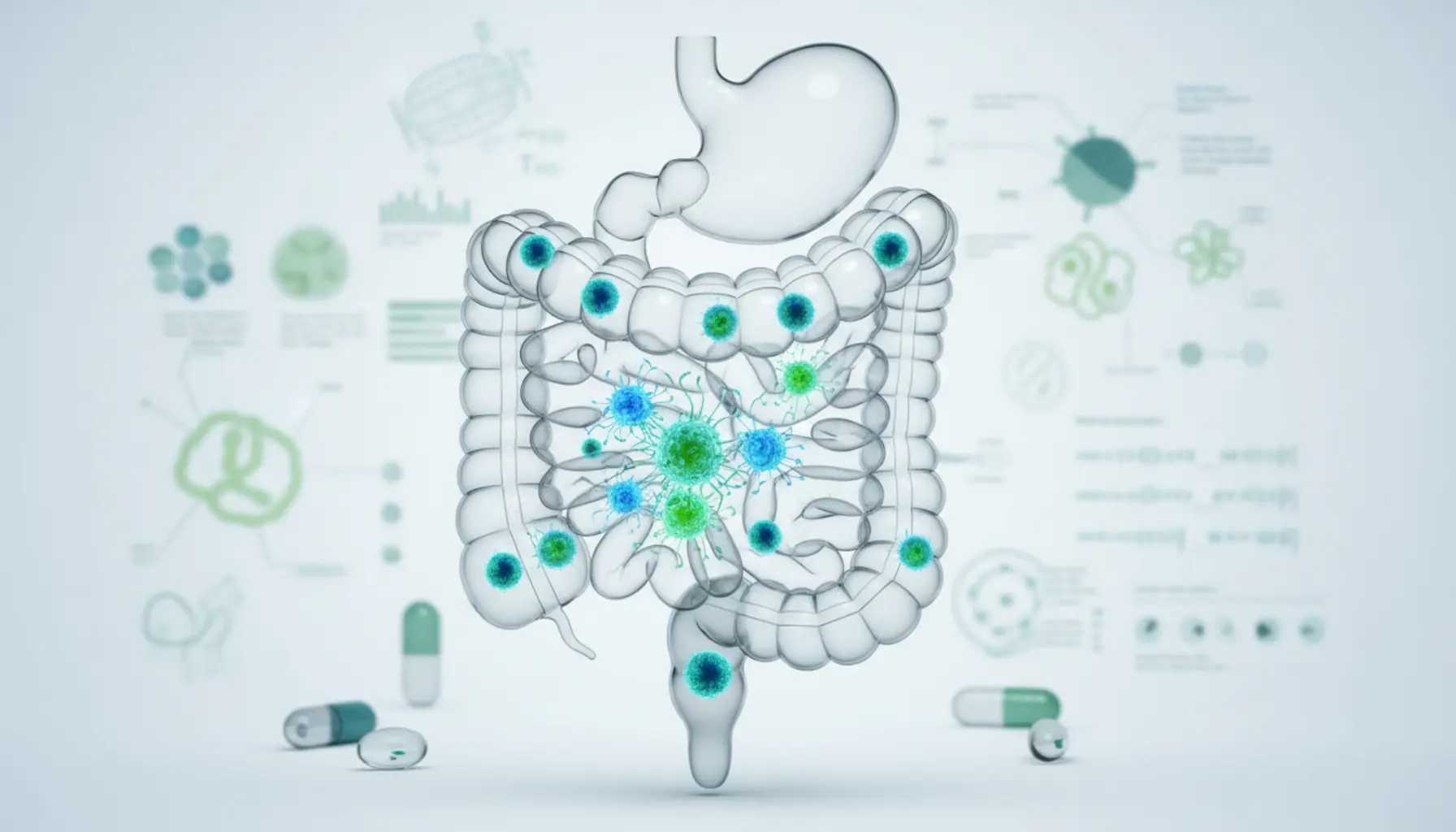
SIBO and IMO are intestinal disorders caused by abnormal overgrowth of bacteria and archaea. They manifest with, among others, abdominal pain, bloating, digestive issues, as well as constipation or diarrhea. We explain the differences, symptoms, effective diagnostic and treatment methods, as well as the key dietary principles that support the health of intestinal microflora.
Table of Contents
- What Are SIBO and IMO?
- Symptoms of SIBO and IMO
- Causes of Bacterial Overgrowth
- Diagnostic Methods for SIBO and IMO
- Effective Treatment Methods
- The Importance of Diet in the Fight Against SIBO and IMO
What Are SIBO and IMO?
SIBO (Small Intestinal Bacterial Overgrowth) and IMO (Intestinal Methanogen Overgrowth) are two disorders related to the abnormal colonization of microorganisms in the gastrointestinal tract, which often present with very similar symptoms, but differ in their mechanisms and the types of microorganisms involved. In the case of SIBO, there is an excessive multiplication of bacteria in the small intestine—a section of the digestive tract that physiologically should contain relatively few bacteria compared to the colon. These bacteria may originate from the colon (moving “upwards”), as well as from the mouth or stomach, and may also overgrow locally if certain conditions are present (e.g., slowed intestinal motility, disorders of gastric acid secretion, abnormal bile or pancreatic juice flow). The excess of bacteria in the small intestine disturbs digestion and absorption of nutrients, leads to excessive fermentation of carbohydrates and production of gases (mainly hydrogen and carbon dioxide), as well as bacterial toxins, resulting in a range of symptoms including bloating, abdominal pain, diarrhea or constipation, feeling of fullness after meals, belching, and even vitamin and mineral deficiencies, weight loss, or chronic fatigue. IMO, on the other hand, is a newer term, introduced to describe situations in which methanogens—microorganisms of the Archaea domain, with Methanobrevibacter smithii being the most clinically significant—play the main role rather than bacteria. Unlike bacteria, these are not classified as typical bacterial flora but coexist with it in the lumen of the intestine and utilize hydrogen produced by bacterial metabolism, converting it to methane. The IMO term replaced “methane SIBO” since methanogens may reside in both the small and large intestine, and the issue does not affect only one location, but relates to the overgrowth of these organisms throughout the intestine. This distinction is practically important, especially in hydrogen-methane breath testing and the selection of therapy, since methane presence is more associated with constipation and slowed intestinal motility, while classic hydrogen SIBO more often presents with diarrhea and abdominal “gurgling.”
Although SIBO and IMO have different microbiological backgrounds, in clinical practice they often co-occur or overlap, and many patients initially receive a nonspecific diagnosis of “irritable bowel syndrome” (IBS) before one of these microbial overgrowth disorders is identified. It is important to emphasize that neither SIBO nor IMO are “infections” in the classic sense, but rather are disturbances in the balance of the gut ecosystem and the improper location of microorganisms. The small intestine should have a relatively low density of bacteria and methanogens, and their migration from the colon and subsequent overgrowth cause pathological fermentation in a place not intended for it. SIBO usually involves hydrogen-producing bacteria (e.g., certain strains of Escherichia coli, Streptococcus, Lactobacillus, Bacteroides); in some cases, there is also so-called hydrogen sulfide SIBO, where hydrogen sulfide—an odorous gas reminiscent of rotten eggs capable of irritating the intestinal lining even more and increasing pain—is produced. In IMO, the key is methane, which has been linked in studies to sluggish peristalsis, a higher tendency toward constipation, hard stools, and a sensation of “blockage” in the intestines. Importantly, methanogens require hydrogen for activity, so IMO rarely occurs alone—they “cooperate” with hydrogen-producing bacteria, making the clinical picture complex, encompassing both SIBO-typical symptoms and those characteristic for IMO. Understanding the difference between SIBO and IMO is crucial for selecting appropriate antibiotic or herbal antibacterial and anti-methanogenic treatments, as well as for dietary planning and strategies supporting gut motility (prokinetics, visceral physiotherapy, working on the gut-brain axis). In practice, diagnosis is mostly based on non-invasive breath tests measuring hydrogen and methane levels in exhaled air after ingestion of a specific substrate (usually lactulose or glucose). The dominance of one or the other gas helps distinguish whether the main problem is hydrogen SIBO, hydrogen sulfide SIBO, or IMO with methane dominance, which then determines the prognosis, the possible need for multi-stage treatment, and the risk of recurrence. In the context of gut health, it is also important to understand that SIBO and IMO rarely appear “out of nowhere”—they usually follow deeper imbalances, such as abnormal motility, gut barrier damage, chronic stress, poor diet, overuse of proton pump inhibitors, or past gastrointestinal infections, which is why they are now considered as part of a broader picture of gut dysbiosis, not just isolated disease units.
Symptoms of SIBO and IMO
The symptoms of SIBO and IMO are largely similar and often overlap, making them difficult to distinguish without specialized diagnostics, but careful observation of certain patterns can help guide to the correct suspicion. The most characteristic sign of both disorders is bloating—often starting shortly after meals, with a visible increase in abdominal girth, a feeling of “ballooning,” and tension in the abdominal walls. In SIBO, bloating is more often associated with gurgling, excessive fermentation, belching, and excessive, foul-smelling gas as a result of intensive decomposition of undigested carbohydrates by bacteria. In IMO, gas and bloating can also occur, but they are often less intense but more persistent, with a predominant sense of heaviness and distension in the lower abdomen. Some patients experience the typical “pregnant” bulge in the evening, which is much smaller or almost invisible in the morning. Regardless of the type of overgrowth, patients frequently describe variable tolerance to individual meals—one day a certain food is well-tolerated, another it causes severe discomfort, further adding to confusion and a fear of eating. Another common symptom is abdominal pain or cramping, usually located around the navel or in the central part of the abdomen. In SIBO, this pain can be paroxysmal, associated with rumbling, gurgling, and loud bowel activity, which can be socially embarrassing. It often worsens after eating foods rich in fermentable carbohydrates (e.g., onion, garlic, legumes, foods high in FODMAPs) as well as after larger, hard-to-digest meals. Nausea, feeling full after a few bites (early satiety), as well as burning behind the breastbone, reflux, or belching are not uncommon, due to excess gas and motility disorders affecting stomach and sphincter function. In IMO, pain is more often a dull, pressing discomfort related to long-lasting stagnation of food and fecal masses in the intestines. A particularly important clinical difference between bacterial and methanogenic overgrowth is the disturbance of bowel movement rhythm. Hydrogen-dominant SIBO usually leads to loose stools, diarrhea, or alternating diarrhea and constipation, as rapid fermentation accelerates intestinal transit and irritates the small intestine lining. Stools can be light, frothy, greasy in appearance (steatorrhea), indicating impaired fat absorption. There is often an urgent need for defecation after eating, a feeling of “almost not making it to the toilet,” and incomplete evacuation. On the other hand, the typical, textbook symptom of IMO is chronic, stubborn constipation—bowel movements every few days, often requiring significant straining, hard, compact stools, a feeling of rectal blockage, and lack of relief after defecation. Methane produced by archaea slows down intestinal peristalsis, extending transit time and increasing water resorption from stool, further hindering passage. In practice, many patients experience a mixed form in which periods of constipation alternate with “delayed” diarrhea when the accumulated stool finally passes, which may mistakenly be classified as mixed-type IBS.
However, SIBO and IMO symptoms are not limited to the digestive tract—for absorption disturbances and chronic intestinal inflammation can cause various systemic ailments. In SIBO, you especially often see symptoms of B vitamin (B12, folic acid), iron, magnesium, or fat deficiencies, as the excess bacteria in the small intestine “consume” nutrients before absorption. This may manifest as chronic fatigue, weakness, decreased physical capacity, heart palpitations, dizziness, pale skin, brittle nails, hair loss, and poor skin condition. Some patients also report tingling in hands and feet, muscle tremors, problems with concentration, so-called “brain fog”, low mood, and even symptoms resembling anxiety, connected both to micronutrient deficiencies and the influence of bacterial metabolites on the gut-brain axis. In IMO, similar systemic symptoms may also occur, but chronic heaviness, sluggishness, and apathy predominate, which patients describe as the “numbing” effect of constipation and toxins formed during long-term retention of intestinal contents. Fluctuations in body weight are common to both—some lose weight from a fear of eating or impaired absorption, others gain weight, despite eating little, possibly due to chronic inflammation, carbohydrate, and hormonal disturbances, and restricted physical activity due to persistent abdominal discomfort. Food intolerances often appear, especially to fermentable sugars (lactose, fructose, fructans, polyols), gluten, or histamine—after which bloating, pain, gurgling, itchy skin, facial flushing or palpitations worsen. Some patients experience skin symptoms such as acne, urticaria, eczema, dry skin, all potentially linked to gut barrier permeability and immune activation. Severely annoying symptoms include excessive sleepiness after meals, a sense of “energy cut-off,” and trouble maintaining focus at work or school. Some also report joint and muscle pain, flares of autoimmune diseases, and recurring infections—indicative of the role gut dysbiosis may play in immune regulation. Note that symptom intensity often fluctuates—periods of relative improvement alternates with sudden flares after infection, antibiotics, strong stress, or diet change, so patients often search for causes for years and receive several diagnoses before someone connects them to potential SIBO or IMO.
Causes of Bacterial Overgrowth
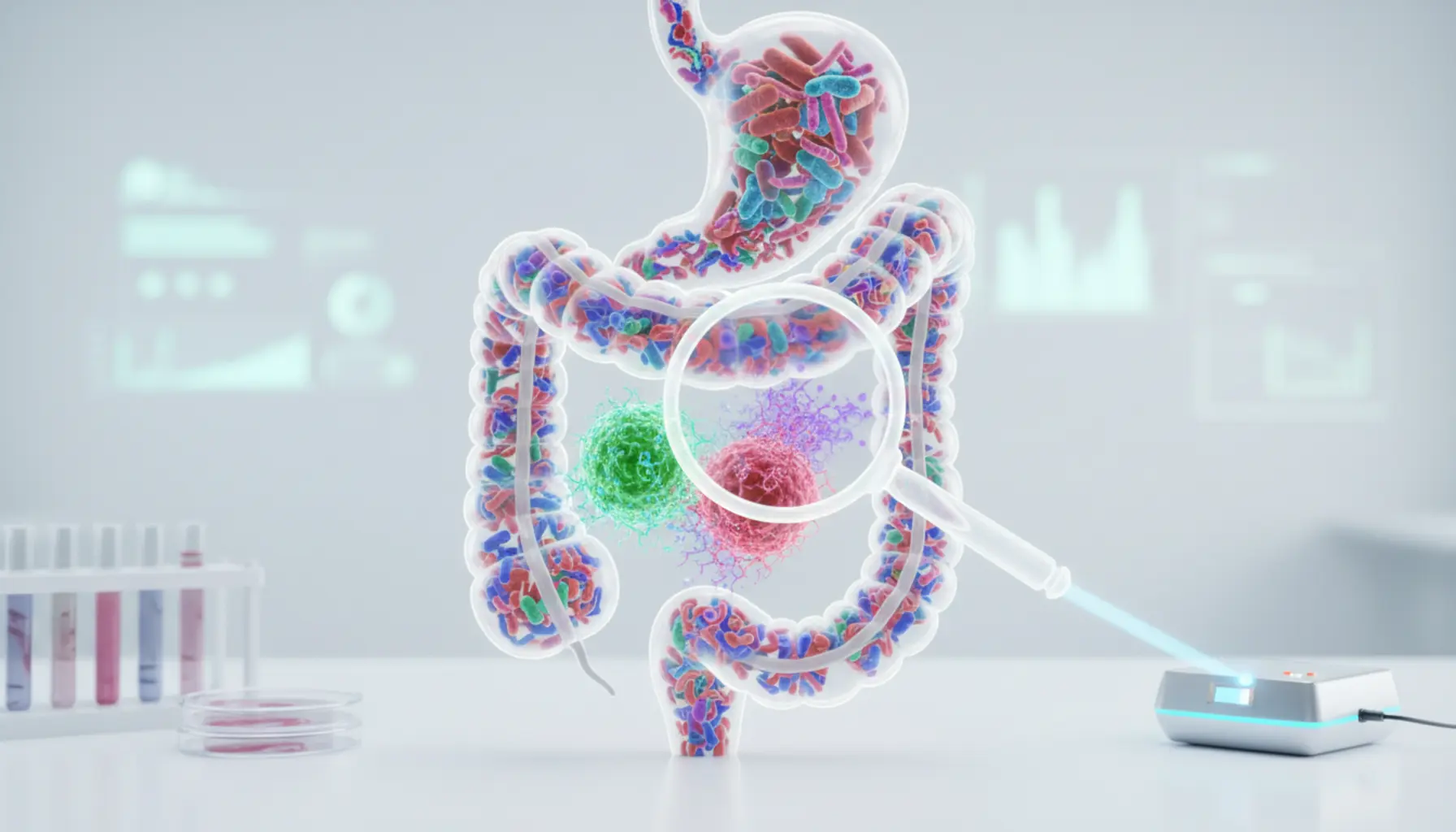
Small intestinal bacterial overgrowth (SIBO) and excessive methanogen growth in the large intestine (IMO) do not appear “out of nowhere”—they are usually the result of a complex interplay of factors affecting gastrointestinal motility, microbiota composition, mucosal immunity, and the anatomical structure of the intestines. One of the key protective mechanisms against bacterial overgrowth in the small intestine is proper motility, including the so-called migrating motor complex (MMC), which during fasting “pushes” food debris and microorganisms toward the colon. Any disruption of this mechanism—e.g., in the course of diabetes with autonomic neuropathy, thyroid disease (especially hypothyroidism), systemic sclerosis, Parkinson’s disease, after severe viral or bacterial infections, as well as with chronic use of opioids, antidepressants, or benzodiazepines—promotes stagnation and excessive microbial proliferation. The gut’s structure is also crucial: strictures, diverticula, postoperative adhesions, past surgeries (e.g., bowel resections, bariatric operations, removal of the ileocecal valve), and blind loop syndrome alter the flow of intestinal contents and form “pouches” where bacteria can easily accumulate and grow. SIBO and IMO are also encouraged by disturbances in the secretion of gastric juice and digestive enzymes. Low hydrochloric acid output (hypochlorhydria)—occurring with Helicobacter pylori infection, in elderly people, or with prolonged use of proton pump inhibitors (PPIs)—limits the natural bactericidal barrier and allows migration and survival of microorganisms to the small intestine. Likewise, lack of bile and pancreatic enzymes, seen in chronic pancreatitis, gallstones, cholestasis, or after cholecystectomy, impairs fat and protein digestion, leaving the intestine with excess undigested matter, an ideal substrate for bacteria and methanogenic archaea.
Lifestyle and diet have a tremendous impact on SIBO and IMO development. A diet full of highly processed food, simple sugars, excessive fructose, high-fructose corn syrup, and an abundance of fermentable carbohydrates (FODMAPs), coupled with low intake of soluble fiber and diverse vegetables, promotes overgrowth of certain bacterial species at the expense of others, leading to dysbiosis. Frequent snacking, lack of breaks between meals, and eating late at night prevent full initiation of the migrating motor complex and accentuate food stagnation. Equally important are repeated antibiotic therapies, especially broad-spectrum agents used without guidance or protection—they disturb microbiome balance, eliminating “good” bacteria and giving paths to pathogenic or gas (including methane) producing species. On the other hand, abuse of laxatives, antidiarrheals, or nonsteroidal anti-inflammatory drugs (NSAIDs) can damage the gut mucosal barrier and alter microflora composition. Hormonal and immune factors are also important: estrogens, cortisol (chronic stress), thyroid hormones, and insulin affect gut motility and barrier permeability, while chronic inflammation (as seen in autoimmune diseases, celiac disease, IBD) influences microbiome composition. The gut-brain axis cannot be ignored: anxiety disorders, depression, chronic stress, and lack of sleep intensify autonomic dysregulation and peristalsis, increasing the risk of overgrowth. For some, small intestine bacterial overgrowth develops after a stomach bug or food poisoning—the bacterial toxins then damage gut wall neurons, causing persistent motility disorders (post-infectious SIBO). Additionally, people with genetic predisposition, impaired mucosal immunity (e.g., with IgA deficiency), or concurrent metabolic diseases like obesity, insulin resistance, or non-alcoholic fatty liver disease are more likely to sustain persistent dysbiosis and recurrent SIBO/IMO if the underlying cause is not remedied.
Diagnostic Methods for SIBO and IMO
Diagnostics for SIBO and IMO rely primarily on breath tests, detailed medical history, and—in selected cases—additional endoscopic and imaging studies. It is crucial to understand that there is no perfect test that confirms or rules out bacterial or methanogenic overgrowth 100%, so specialists combine test results with symptoms, medical co-morbidities, and response to initiated therapy. The clinical gold standard is non-invasive breath tests using carbohydrates (most often lactulose or glucose), during which hydrogen (H₂) and methane (CH₄) levels are measured in exhaled air. In SIBO, the key finding is an increase in hydrogen after substrate intake, while IMO features elevated methane—often already on an empty stomach, before the solution is ingested. The test typically begins with a fasting breath sample, after which the patient drinks the lactulose or glucose solution, and more samples are collected every 15–20 minutes for about 2–3 hours. Gas concentration curves show where in the digestive tract excessive gases are produced, helping to distinguish the type of disorder—the predominance of hydrogen points to classic SIBO, methane to IMO, and the simultaneous elevation of both suggests their coexistence. In clinical practice, different interpretation criteria are used; SIBO is usually diagnosed with a hydrogen increase of at least 20 ppm over baseline within the first 90–120 minutes, and IMO—a methane level ≥10 ppm already at baseline or during the test. Note, however, that standards may vary slightly by laboratory and device, so a physician trained in gut microbiota diagnostics should interpret results. Substrate choice is also crucial: the glucose test is more specific for the proximal small intestine (as glucose is absorbed quickly), while the lactulose breath test covers a longer segment of the gut, but is susceptible to error if the substrate reaches the colon. Careful preparation is essential—several days before, avoid probiotics, antibiotics, strong laxatives, and the day before, limit fermentable foods; the test is performed fasting after an overnight fast, with no smoking or intense exercise, as these may skew results. Incorrect preparation is a major reason for false negatives or positives, potentially leading to unnecessary or ineffective treatment.
Other than breath tests, other methods are used in diagnosing SIBO and IMO, but these are usually reserved for more complicated cases or when breath test results are inconclusive. One of these is aspiration of small intestine contents during gastroscopy and bacterial culture—in theory, this allows direct detection of excessive bacteria (cut-off at ≥10³–10⁵ CFU/ml), but this is invasive, expensive, technically difficult, and risked by contamination from oral flora. Thus, it is rarely used and typically only in specialized centers. A key element in the diagnostic process is a detailed medical history—the doctor evaluates not just bowel symptoms (stool frequency, appearance, bloating, timing of symptoms after meals), but also systemic manifestations like chronic fatigue, anemia, weight loss, skin problems or joint complaints, which can result from absorption disorders due to bacterial overgrowth. Also relevant are details of abdominal surgeries, chronic diseases (diabetes, thyroid disorders, autoimmune diseases, celiac disease, IBD), medication usage (proton pump inhibitors, opioids, antidiabetics), as well as diet and lifestyle. Additional laboratory tests may assess vitamin deficiencies (B12, D, K, folic acid), iron and ferritin, total protein, albumin, markers of inflammation, and thyroid function—these do not directly confirm SIBO or IMO, but help evaluate the impact and choose a treatment plan. Differential diagnosis considers other conditions like IBS, lactose or fructose intolerance, celiac disease, Candida overgrowth, pancreatic or gallbladder diseases; sometimes additional tests help (e.g., stool tests for parasites, inflammatory markers [calprotectin], or fat digestion). If anatomical disorders or significant comorbidities are suspected, imaging such as abdominal ultrasound, MRI, CT, or enterography are ordered to exclude strictures, diverticula, fistulas, adhesions, or tumors that could hinder motility and favor stasis. Increasingly, carbohydrate intolerance tests (e.g., lactose or fructose breath test) are used in dietary practice, as concurrent intolerances may worsen symptoms and complicate interpretation of meal responses. Ultimately, the SIBO or IMO diagnosis is based on a synthesis of breath test results, clinical history, laboratory and any additional testing, and—importantly—observation of the patient’s response to eradication therapy and dietary changes, which in practice is often one of the strongest confirmations of diagnostic accuracy.
Effective Treatment Methods
Treating SIBO and IMO requires an individualized approach aimed not just at “eradicating” microorganisms, but, above all, restoring proper intestinal motility, rebuilding the mucosal barrier, and long-term normalization of the microbiota. The basis of classic therapy is locally acting antibiotics in the intestinal lumen, such as rifaximin for hydrogen-dominant cases (typical SIBO), and rifaximin combined with neomycin or metronidazole when the elevated methane characteristic of IMO is present. Medication is selected based on symptoms, breath test results, comorbidities, and patient tolerance—usually in 10–14 day cycles, with the possibility of repetition. Increasingly, herbal “antimicrobial” protocols based on standardized botanical extracts (e.g., oregano, berberine, garlic, neem) are considered, which in some studies showed similar efficacy to pharmacological antibiotics but a different side effect profile. Regardless of the chosen strategy, digestive support is critical—some patients receive pancreatic enzymes, hydrochloric acid as betaine HCl (if hypochlorhydria is found), and, if bile deficiency exists, choleretic agents or bile acids. For many, prokinetics are crucial—medications or supplements that improve gut motility (e.g., itopride, prucalopride, low-dose erythromycin, herbal blends with ginger, peppermint, bitter herbs), especially taken at night to support the migrating motor complex. Treatment also addresses correcting deficiencies (vitamin B12, iron, magnesium, fat-soluble vitamins) caused by malabsorption and bacterial competition for nutrients. For patients with comorbidities—such as type 2 diabetes, hypothyroidism, celiac disease, IBD, or history of abdominal surgery—SIBO/IMO management must also include optimizing glycemic control, normalizing hormones, reducing inflammation, and if possible, correcting anatomical problems (e.g., adhesions, diverticula, postoperative syndromes), as without this, bacterial overgrowth relapse is very likely. A significant component is gradually implementing stress reduction techniques (breathwork, muscle relaxation, yoga, mindfulness), as the gut-brain axis affects vagus nerve tension and GI motility, and chronic stress promotes recurrence.
Another pillar of therapy is a precisely planned diet—usually, the first stage involves short-term diets low in easily fermentable carbohydrates (e.g., low FODMAP, SIBO diet, modifications of elemental diets), which reduces the “fuel” available to bacteria in the small intestine and alleviates bloating, gas, and abdominal pain. It is important to stress these approaches are temporary; prolonged use can impoverish the colon microbiota, so after symptom reduction, the menu is gradually expanded with more vegetables, fruits, fiber-rich products, and small amounts of fermented foods if tolerated. A qualified clinical dietitian analyzes individual food group reactions, distributes carbohydrate intake evenly throughout the day, ensures adequate protein and fat, and helps tailor the size and frequency of meals (smaller portions, longer breaks to support the migrating motor complex). In selected cases, particularly with severe symptoms and significant food intolerance, a short, supervised elemental diet (ready-to-use, easily absorbed amino acids, fats, and carbohydrates) is considered, which “bypasses” digestion and limits substrate for overgrown flora. The role of probiotics in SIBO and IMO remains debatable—some people find symptom relief and intestinal barrier support, especially with carefully selected Lactobacillus and Bifidobacterium strains; others experience more bloating and gas, so their usage requires observation and is often delayed until acute issues stabilize. Increasing attention is paid to prebiotics and postbiotics (e.g., sodium butyrate), which in the right doses may nourish enterocytes and seal the mucosal barrier; but again, dosing must be cautious to avoid overfeeding pathogens. Medically, effective SIBO and IMO treatment is a multi-stage process: diagnosis and microbial reduction, support of GI motility, intestinal barrier and microbiome rebuilding, correction of coexisting issues, and patient education about lifestyle, exercise, sleep hygiene, and stress management—since these elements have the greatest influence on sustained improvement.
The Importance of Diet in the Fight Against SIBO and IMO
The diet in SIBO and IMO is not just an “add-on” to treatment, but one of its pillars—it influences symptom intensity and the speed of relapses. Intestinal microorganisms feed on the same things as we do, so the type of carbohydrates, amount of fiber, fats, and proteins in the diet directly affects the production of gases (hydrogen and methane) and the microbiota composition. The goal of a well-chosen nutritional model is not total “starvation” of bacteria or methanogens, but a temporary limitation of excessive fermentation and a reduction of digestive burden, with preservation of proper nutrition. The first phase of therapy often involves a low fermentable carbohydrate diet (Low FODMAP, SIBO diet, sometimes modifications of elemental diet), which reduces easily fermentable sugars like fructans, galactans, lactose, excess fructose, and polyols. Limiting these usually brings relief—less bloating, less gas, milder abdominal pain, and more predictable bowel movements. At the same time, adequate protein (e.g., eggs, meat, fish, tofu) and fats well tolerated by the patient are necessary to maintain energy and stable body weight. In IMO, where constipation and slow peristalsis predominate, merely reducing fermentable carbohydrates is often not enough—gradual inclusion of appropriate fiber (often soluble, e.g., from chia seeds, psyllium husk, partially refined rolled oats), when hydrated and consumed with water, may help intestinal transit without excessively increasing methane production. Crucially, an individual approach is vital: what clearly helps one person may worsen issues in another, so keeping a food diary and making conscious dietary adjustments under the guidance of a specialist are advised. Meal habits matter too—calm, regular meals, avoiding snacking (to allow activation of the migrating complex—MMC), thorough chewing, and proper fluid intake. Also important: don’t go to extremes during treatment—highly restrictive elimination for months can impoverish the microbiome, worsen nutritional deficiencies, and ironically promote chronic dysbiosis, increasing the risk of SIBO/IMO relapse.
In later therapy stages, the diet should evolve—from the symptomatic phase focused on symptom reduction to the microbiota rebuilding phase, during which various vegetables, fruits, and fiber sources are gradually reintroduced. After the conclusion of antibiotic or intensive herbal therapy, a “reintroduction phase” is typically used: single FODMAP groups are added in small portions, with close observation for reactions (bloating, pain, stool consistency, mood, fatigue), so the patient learns their real intolerances—not just theoretical “forbidden product” lists. Many people with SIBO and IMO tolerate some FODMAP foods well if they are properly prepared (e.g., cooking, peeling, soaking legumes) or limited in portion size. Another key aspect is the role of fermented foods and probiotics. Although commonly believed to be “good for the gut,” for those with active SIBO or IMO, kefir, yogurt, pickles, or multi-strain probiotics can initially worsen bloating and pain. Often, applying specific strains or probiotic formulas is best reserved for after partial microbial control and improved motility; some benefit from non-bacterial probiotics (e.g., Saccharomyces boulardii). Prebiotics—the “food” for bacteria (e.g., inulin, FOS)—are generally not recommended during active SIBO/IMO as they may increase fermentation; cautious introduction is only considered in the rebuilding phase, often at very small doses. The diet should also correct nutritional deficiencies common in intestinal overgrowth, such as vitamin B12, iron, zinc, magnesium, or vitamin D, not only via supplements but also with well-tolerated, nutrient-rich foods. Underpinning all nutritional recommendations is the need for sustainable habit change: limiting excess sugar, alcohol, ultra-processed food, trans fats, and large late-night meals. In those with a history of eating disorders, food-related anxiety, or significant psychological burden, cooperation between dietitian and psychologist or therapist may be key, so that the dietary plan doesn’t become a new source of stress or contribute to the vicious cycle of digestive flare-ups. Ultimately, diet in SIBO and IMO should be seen as a process—flexible, tailored to the current disease phase, medical treatment, and patient goals—rather than a permanent, restrictive list of do’s and don’ts.
Summary
SIBO and IMO are ailments resulting from unnatural bacterial and archaeal overgrowth in the small intestine, leading to numerous symptoms such as abdominal pain, bloating, or constipation. Understanding the causes of these conditions is key to their effective diagnosis and treatment, which can be achieved through breath testing and proper dietary adjustments. Tailoring therapy to individual patient needs and the inclusion of specialized diets can significantly improve the quality of life for those affected. Healthy gut flora is the foundation of a well-functioning body.