Pneumonia – discover the symptoms, causes, complications, and effective treatments. Learn how to recognize the disease and when to seek medical attention.
Table of Contents
- What is pneumonia? Definition and types
- Main symptoms of pneumonia
- Causes and risk factors for pneumonia
- Diagnosing pneumonia: exams and diagnosis
- Pneumonia treatment – home remedies and hospital therapy
- Complications and prevention of pneumonia
What is pneumonia? Definition and types
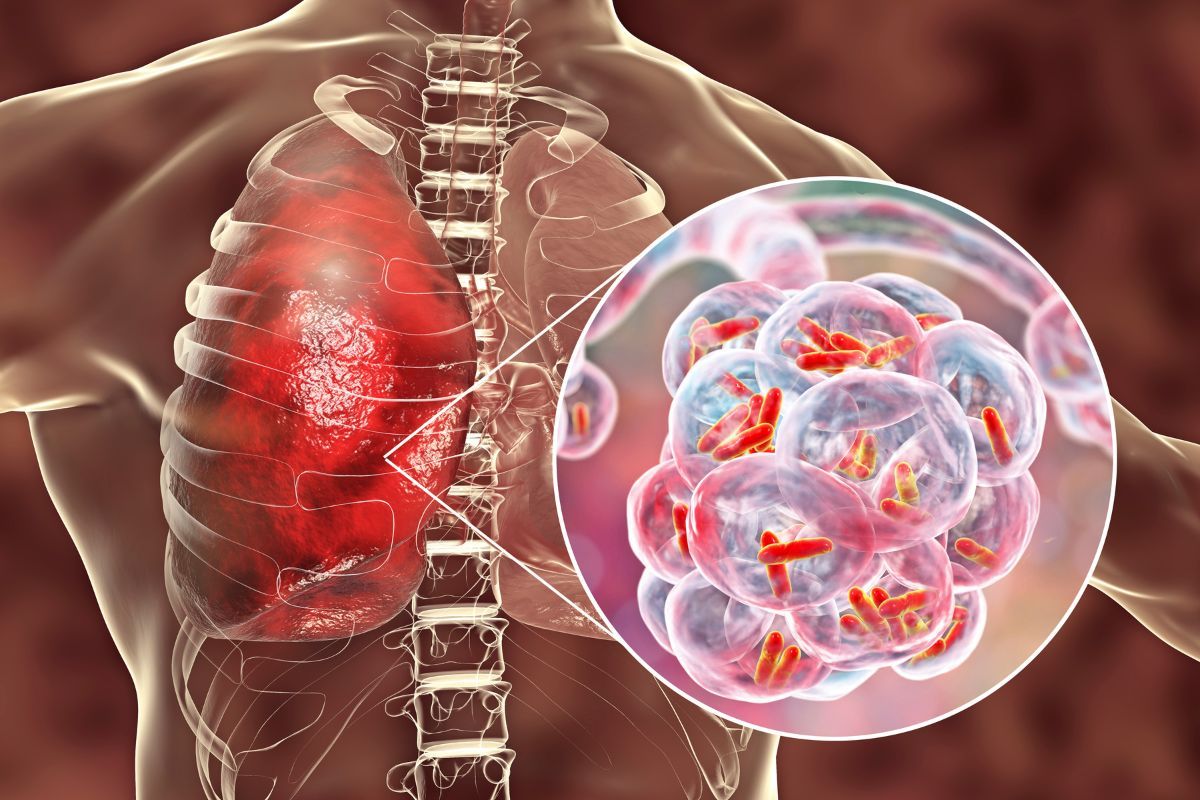
Pneumonia is an acute or chronic disease of the respiratory system involving an inflammatory process developing in the lung tissue, mainly in the alveoli and surrounding interstitial tissue. Typically, it is triggered by bacterial, viral, or — less commonly — fungal and atypical microorganism infections. The inflammatory response leads to the alveoli filling with fluid, immune cells, and dead microorganisms, significantly impairing gas exchange and causing hypoxia and classic clinical symptoms like cough, shortness of breath, fever, or chest pain. The diagnosis of pneumonia involves the assessment of symptoms along with confirmation of inflammatory changes in imaging studies — most commonly via chest X-ray or computed tomography. The current definition emphasizes that pneumonia may be caused by a wide range of infectious agents, though non-infectious cases (e.g., due to inhalation of harmful chemicals or autoimmune reactions) are also possible. Untreated or late-diagnosed pneumonia can lead to serious complications including respiratory failure, pleural empyema, and sepsis. Those particularly at risk for severe courses of the disease are the elderly, children, individuals with chronic illnesses, and patients with weakened immune systems.
Pneumonia is not a homogeneous disease — it is classified in many ways based on cause, place of onset, course, and clinical presentation. In clinical practice, community-acquired pneumonia (CAP), hospital-acquired pneumonia (developing after at least 48 hours in a hospital), and ventilator-associated pneumonia (VAP) are commonly distinguished. Pneumonia may also be classified by the etiological factor, i.e., the pathogen responsible. The most frequent causes of bacterial pneumonia are Streptococcus pneumoniae, Haemophilus influenzae, Mycoplasma pneumoniae, Chlamydophila pneumoniae, and Legionella pneumophila. Viruses, such as influenza, RSV, and coronaviruses, are significant, especially in the fall-winter season. Fungal infections (e.g., Candida, Aspergillus, Pneumocystis jirovecii — especially in immunocompromised patients) and parasites are rarer causes. Another means of classification is by clinical features: typical pneumonia (sudden, severe fever, productive cough with purulent sputum, and characteristic radiologic lung consolidation) vs. atypical pneumonia (often due to mycoplasma, chlamydia, or viruses, with milder, chronic, or scant symptoms — dominant are dry cough, low-grade fever, muscle pain, malaise, and subtle lung changes). Chronic pneumonia can result from failed treatment of the acute form or from other pulmonary conditions such as chronic obstructive pulmonary disease (COPD) or cystic fibrosis. In summary, pneumonia is a broad category of diseases united by the presence of inflammation in lung tissue, caused by various infectious, environmental, or immunologic agents, making correct diagnosis and selection of appropriate treatment critical for patient prognosis.
Main symptoms of pneumonia
The symptoms of pneumonia are highly variable, depending on the patient’s age, general health, type of pathogen, and clinical course. Early symptoms often resemble a common cold or flu but quickly progress to those typical of lower respiratory tract infections. The most characteristic symptom is cough — in most adults, it’s productive, leading to expectoration of mucus, which may be mucoid, purulent, or even blood-streaked, signaling a more severe course. In children and the elderly, the cough may be dry or entirely absent, complicating clinical assessment. Fever is another crucial indicator — usually above 38°C, and often reaching 40°C in acute bacterial cases — and typically accompanied by chills, pronounced weakness, and malaise. Viral infections generally cause lower fevers with slower onset, and atypical pneumonias present mainly with general symptoms (dry cough, sore throat, loss of appetite, moderate fever or subfebrile states). Shortness of breath and rapid breathing develop in more advanced stages. Breathing may become shallow and fast, due to impaired gas exchange and reduced active lung area. In children, intercostal retraction on inhalation is frequently observed; in the elderly, respiratory failure without marked cough or fever may occur. Chest pain, especially aggravated by deep breathing or coughing, results from pleural involvement. Pain location can indicate the affected area but sometimes leads to misdiagnosis, such as heart attack or pleuritis. In severe cases, patients may notice cyanosis of lips, nails, and skin, a warning sign of hypoxia requiring urgent medical intervention.
In addition to the basic symptoms, some patients may show nonspecific features like night sweats, muscle pain, joint pain, headaches, nausea, vomiting, or loss of appetite. Small children may manifest digestive symptoms like diarrhea, abdominal pain, or feeding aversion, which can obscure the classic picture. Particularly vigilant observation is needed for older adults and patients with chronic diseases (e.g. diabetes, heart failure, COPD); their pneumonia may run without clear fever, with first signs being a drop in performance, sudden weakness, disorientation, or worsening of pre-existing conditions. In immunocompromised people, the symptoms may blur further or be less pronounced, and an atypical course delays diagnosis. The clinical picture varies with causative agent: bacterial infections usually cause sudden health deterioration with high fever and intense productive cough, while viral or mycoplasmal pneumonia often brings milder, chronic complaints with dry, persistent cough, headache, lower fever, and marked weakness. For some, especially children and elderly, accelerated breathing or even episodes of apnea may be the first warning sign. Recognizing these symptoms is key to early diagnosis and effective treatment, which helps avoid complications like lung abscess, pleural effusion, or sepsis.
Causes and risk factors for pneumonia
Pneumonia is a serious disease of the respiratory system, most often arising from infection by microorganisms, though it can result from various causes — both infectious and non-infectious. The leading agents are bacteria, especially Streptococcus pneumoniae, responsible for most “typical” pneumonia cases, particularly in adults and seniors. Other significant bacteria include Haemophilus influenzae, Staphylococcus aureus, Moraxella catarrhalis, or Gram-negative rods, which can provoke more severe infections, especially in immunocompromised or hospitalized patients. Viruses play a crucial role in childhood pneumonia and during flu season; commonly detected are influenza A and B, respiratory syncytial virus (RSV), adenoviruses, and coronaviruses. In recent years, SARS-CoV-2 has been a significant cause with risk of serious complications. Fungi such as Aspergillus or Pneumocystis jirovecii infect mainly those with severe immunodeficiency (e.g., HIV infection or organ transplants). In addition to the infectious agent, the route of infection matters: inhalation of airborne microorganisms is most common, but spread by blood or directly from adjacent tissues is also possible.
Not all pneumonia results solely from pathogens — risk factors play a major role, increasing susceptibility and shaping disease severity. The most important are age (young children and those over 65 are at highest risk due to immature or weakened immunity), chronic diseases (e.g. diabetes, chronic obstructive pulmonary disease — asthma, heart failure, cancer, chronic kidney disease), and immunodeficiency (HIV, oncology, transplantation, long-term immunosuppression or steroid therapy). Lifestyle also counts: smoking, excessive alcohol use, poor nutrition, and lack of activity weaken respiratory defenses and general immunity. Environmental factors: crowded places, poor hygiene, chronic exposure to irritants (dust, chemicals, smoke), and seasonality (autumn-winter periods of increased viral URTI) increase risk. Extended hospitalization and stays in nursing homes expose patients to resistant bacteria and frequent medical interventions (mechanical ventilation, intubation), providing more routes for infection. Neurologically impaired individuals (e.g., post-stroke) with abnormal cough and swallowing function are prone to microaspiration, and those with a history of pneumonia, anatomical defects, or chronic oral/pharyngeal inflammation are at higher risk. Coexistence of several factors greatly raises the likelihood of disease and complications.
Diagnosing pneumonia: exams and diagnosis
The diagnosis of pneumonia is a multi-stage process based on a detailed medical interview, physical examination, and a range of additional tests to confirm the diagnosis, differentiate from other respiratory diseases, and determine the infectious etiology. The evaluation begins with a detailed history (features of cough, fever, shortness of breath, chest pain, accompanying symptoms). Risk factors, previous infections, chronic conditions, and recent contact with infected persons are also important. Physical examination focuses on auscultating the chest — typical pneumonia reveals rales, crackles, or dull percussion sounds over the affected lung lobe. Yet, at this stage, clinical signs may be ambiguous, especially in children, the elderly, or immunocompromised patients, delaying or complicating diagnosis. Therefore, additional tests are recommended to confirm or exclude pneumonia and provide information on its cause.
The most important imaging tool is chest X-ray, which visualizes areas of opacity corresponding to inflammatory infiltrates in the lung tissue. A classic radiological picture distinguishes pneumonia from other diseases (COPD, pulmonary edema, etc.). In children and uncertain cases, lung ultrasound (LUS) is increasingly used as it avoids exposure to ionizing radiation. In select clinical scenarios or seriously ill patients, chest CT allows detection of even small changes and a detailed assessment of pneumonia extent. Laboratory tests play a key role in assessing global health, detecting complications, and seeking infection etiology. Complete blood count (CBC) commonly reveals elevated leukocytes and increased inflammatory markers (CRP, ESR). In severe or hospitalized cases, blood cultures and sputum microbiology help identify the specific agent. Viral pneumonia is diagnosed by PCR tests detecting viral genetic material, and in certain cases, antigen tests. Suspicion of atypical pathogens (e.g. Legionella, Mycoplasma pneumoniae) is checked through serological or molecular testing. Differential diagnosis considers other causes of symptoms: pulmonary embolism, heart failure, lung tumors, or exacerbations of chronic respiratory diseases — thus the process must consider age, co-morbidities, and general condition. In practice, diagnosis relies on the overall clinical image plus radiological confirmation; in high-risk groups, broader testing minimizes missed complications or delayed therapy. Rapid diagnosis enables early management and reduces illness duration and risk of complications.
Pneumonia treatment – home remedies and hospital therapy
Treatment of pneumonia is complex, depending on factors such as patient age, overall health, causative pathogen, and disease severity. Mild pneumonia in young, healthy individuals can often be managed at home under a doctor’s supervision. The cornerstone of outpatient treatment is antibiotics (if bacterial infection is suspected) — targeted therapy if cultures are available or empirical therapy per current guidelines. With viral pneumonia, (e.g., from influenza or SARS-CoV-2), antivirals are used (if indicated and available). It is crucial to adhere faithfully to prescribed medication — stopping early, even after symptom resolution, risks relapse or complications. Home management also includes: rest and limited exertion; adequate hydration (to thin airway secretions and improve overall condition); and the use of antipyretics and pain relief like paracetamol or ibuprofen for fever and muscle aches. A diet rich in vitamins and minerals supports recovery. Saltwater inhalations, humidified air, and regular airing of rooms assist airway clearance and cough relief. Self-medicating with antibiotics, unknown supplements, or ignoring medical orders is to be strictly avoided, as uncontrolled treatment leads to severe complications. An essential home treatment element is monitoring — if breathlessness, chest pain, severe weakness, or trouble eating/drinking develops, seek medical advice immediately as these often signal infection progression and risk of complications.
For high-risk patients — children under 2, the elderly, chronically ill, pregnant women, immunocompromised persons — treatment usually requires hospitalization. Admission is also needed for severe symptoms: profound dyspnea, tachycardia, persistent high fever, dehydration, or when complications such as empyema, sepsis, or acute respiratory failure are suspected. Hospital care enables more intensive evaluation and therapy, as well as intravenous drugs for quick and effective blood levels. Therapy includes antibiotics per antibiogram or empiric protocol, antivirals (e.g., oseltamivir for flu), and antifungals in special cases. Continuous monitoring of vital signs and laboratory results permits rapid intervention if deterioration occurs. Severe pneumonia may require supplemental oxygen (mask or high-flow systems) and, in case of respiratory failure, mechanical ventilation. Hospital treatment also involves complication prevention — regular chest physiotherapy, early mobilization (to prevent pulmonary embolism and pressure sores). Abscesses, empyema, or significant pleural effusions are managed surgically or with drainage. Supportive drugs include mucolytics, painkillers, and antipyretics. In chronic respiratory failure, oxygen therapy or (rarely) long-term ventilator use may be needed. After the acute phase, pulmonary rehabilitation aims at restoring full lung capacity and preventing repeat infections. Early recognition of serious symptoms, fast intervention, and correct therapy improve prognosis, shorten hospital stays, and lower the risk of permanent lung damage or systemic complications.
Complications and prevention of pneumonia
Pneumonia complications vary according to patient age, general health, underlying cause, and delay in starting treatment. The most dangerous occur in the elderly, children, patients with chronic diseases (COPD, diabetes, heart failure), or immunocompromised people. The most commonly seen complications include pleural empyema (pus in the pleural space, often needing surgical or drainage intervention), lung abscess (localized pus within the lung, seen as relentless cough, foul sputum, fever), and sepsis (a dramatic, rapidly fatal complication, often causing multi-organ failure). Less commonly but no less seriously, cardiac complications (pericarditis, arrhythmias) can develop as a result of inflammation or associated metabolic disturbances. Neurological complications (e.g., encephalopathy due to hypoxia and respiratory failure) may affect children and elderly notably. Chronic complications such as bronchiectasis, pulmonary fibrosis, or impaired lung function may cause long-lasting disability or chronic respiratory failure. Also possible — though less frequent, but serious — are deep vein thrombosis and pulmonary embolism, triggered by prolonged immobility and coagulation disturbances during inflammation. Children are susceptible to atelectasis (collapse of part of the lung), middle ear infections, and, in extreme cases, respiratory failure requiring ICU care.
Pneumonia prevention relies on several core principles, the chief being vaccination. Vaccination against Streptococcus pneumoniae (pneumococcus) and seasonal influenza significantly lowers risk of illness and complications — especially in high-risk groups. For seniors, small children, chronically ill, and immunodeficient people, vaccines are strongly recommended and form part of the mandatory and recommended schedule. Another element is “cough hygiene”: covering mouth and nose when coughing, regular hand washing, and avoiding contact with symptomatic people to block the spread of infection. Secondary prevention is also vital — prompt diagnosis and treatment of upper respiratory infections that may precede pneumonia, especially in kids and elderly. Smokers should strongly consider quitting, as smoking increases risk of both onset and complications by impairing mucociliary clearance and local lung defenses. A well-balanced diet, sufficient sleep, and physical activity boost general immunity. Avoiding overheating rooms, regular airing, and proper humidity improve airway condition, reducing infection risk. Proper management of chronic diseases (diabetes, COPD) is crucial as flare-ups facilitate lower respiratory tract infection. In hospitals, aseptic protocols, equipment disinfection, and early patient mobilization reduce hospital-acquired pneumonia incidence. Health education on recognizing early infection signs and seeking medical advice promptly allows quick intervention and fewer severe complications. Effective prevention and awareness of risk factors are vital for protection against pneumonia and its severe course.
Summary
Pneumonia is a serious respiratory disease that can affect people of any age. Understanding the typical symptoms, causes, and risk factors assists in early diagnosis and effective treatment — both at home and in hospital conditions. Suitable prevention, such as vaccinations and avoiding risk factors, reduces the chance of illness and dangerous complications. By taking care of respiratory health and responding to the first symptoms, we can effectively protect ourselves and our loved ones from the consequences of pneumonia.