How does obesity affect libido, fertility, and the sex lives of women and men? Learn the scientific facts, myths, and effective ways to improve intimacy.
Table of Contents
- Obesity – Brief Characteristics and Scale of the Problem
- The Relationship Between Obesity and the Sexual Life of Men and Women
- How Does Excess Weight Affect Libido and Sexual Behavior?
- Hormonal Disorders and Fertility in People with Obesity
- Myths and Facts: The Sexuality of People with Excess Weight
- How to Improve Intimate Life with Excess Weight? Tips and Support
Obesity – Brief Characteristics and Scale of the Problem
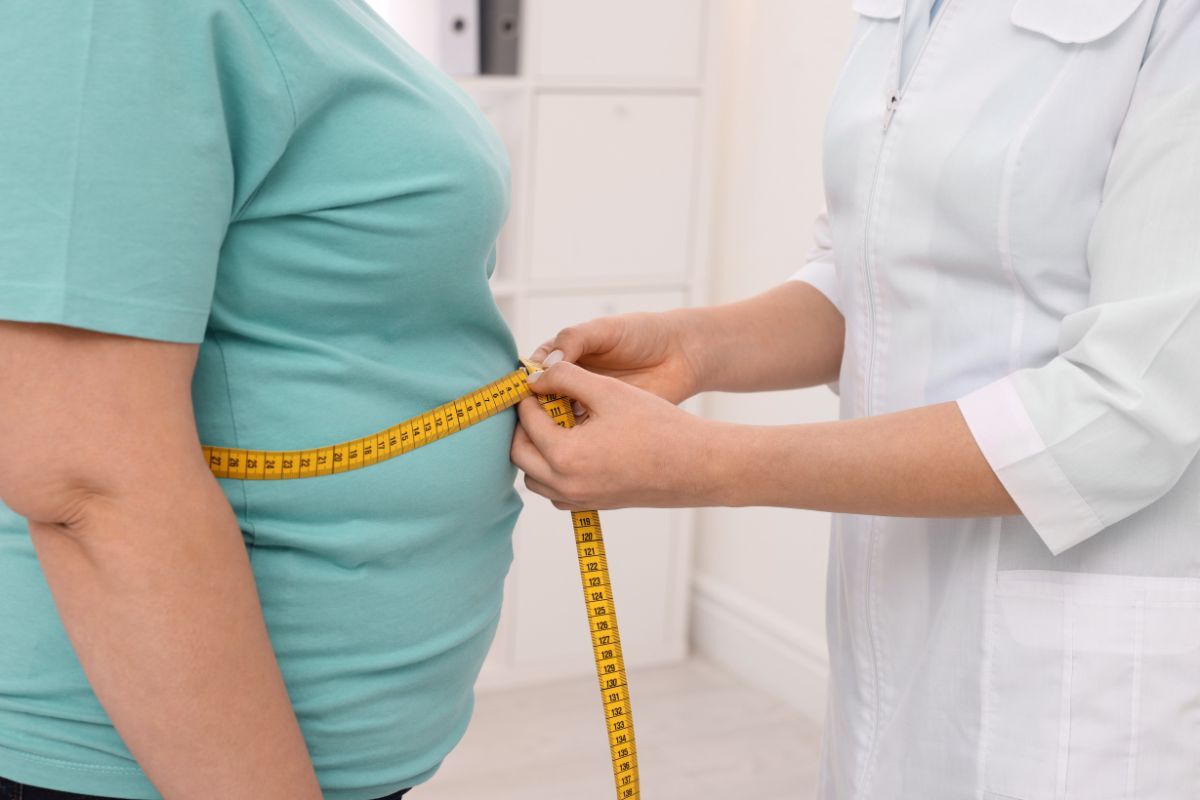
Obesity is a chronic metabolic disease characterized by excessive, pathological accumulation of adipose tissue in the body, which negatively affects physical, mental, and social health. The fundamental criterion for diagnosing obesity is the Body Mass Index (BMI – Body Mass Index), calculated by dividing body weight in kilograms by the square of height in meters. According to the World Health Organization (WHO), a normal BMI ranges from 18.5 to 24.9 kg/m², values from 25 to 29.9 kg/m² indicate overweight, and a BMI of 30 kg/m² or higher is classified as obesity. However, it is worth noting that BMI does not precisely reflect the balance between body fat and muscle mass; therefore, other indicators such as waist circumference and waist-to-hip ratio (WHR) are increasingly used to assess health risks associated with visceral fat distribution. The causes of obesity are complex and result from a combination of genetic, environmental, metabolic, psychological, and lifestyle factors, mainly an excessive caloric intake exceeding energy expenditure and insufficient physical activity. Moreover, chronic stress, sleep disorders, endocrine factors, and the effects of certain medications play an increasing role in the development of obesity. Obesity is associated with many health complications, including type 2 diabetes, hypertension, atherosclerosis, metabolic syndrome, certain cancers, cardiovascular and respiratory diseases, as well as hormonal and metabolic disorders affecting the entire body – including fertility and sexual health.
The scale of the obesity problem is constantly growing, and it is currently considered one of the most serious public health challenges of the 21st century. According to WHO data from 2022, over 1 billion adults worldwide struggle with obesity, including approximately 650 million adults, 340 million adolescents, and 39 million children – and these numbers keep rising. In Europe alone, more than half of the adult population is overweight or obese, and forecasts predict that by 2035, as many as 1.9 billion people may suffer from excessive body weight. Poland follows this trend: according to a 2023 report from the National Health Fund, up to 58% of Polish men and women over 20 years of age are overweight or obese, and the issue affects ever younger groups. Obesity entails not only serious medical and economic consequences (such as increased expenditures on treating associated diseases) but also affects quality of life, self-esteem, social and family relationships, and the intimate sphere, including sexual behavior and reproductive potential. These barriers are present in both women and men, and their psychosocial effects are often neglected or marginalized. Globally, the problem of obesity affects both developed and developing countries, demonstrating that lifestyle changes, urbanization, the availability of cheap and processed foods, and sedentary habits are fundamental in shaping the modern epidemic of overweight. Challenges related to obesity require a multifaceted approach, including preventive, educational, pharmacological, and surgical treatment as well as psychological support, in order to effectively counteract its health, social, and intimate consequences.
The Relationship Between Obesity and the Sexual Life of Men and Women
Obesity is not only a health issue, but also a factor that strongly impacts sexuality – in both women and men. Scientific studies show that excessive body weight can lead to various difficulties in intimate life, both physical and psychological. In women, obesity is associated with an increased risk of hormonal disorders (such as polycystic ovary syndrome, hyperandrogenism), which cause decreased libido, vaginal dryness, or pain during intercourse. Higher estrogen levels derived from adipose tissue disrupt the menstrual cycle and, consequently, negatively affect fertility and sexual well-being. Body image is also crucial: obese women often struggle with low self-esteem, feelings of shame, and fear of rejection, which leads to avoiding intimacy or limiting it to only “safe” situations. Additionally, factors such as obstructive sleep apnea, chronic inflammation, or cardiovascular diseases, which are more common in overweight individuals, diminish the quality of sexual experiences and can lead to reduced intimate satisfaction.
In men, obesity is strongly linked with erectile dysfunction and decreased testosterone levels – the hormone directly responsible for sex drive and performance. Excess fat promotes the conversion of testosterone to estrogen, resulting not only in reduced libido, but also lower semen quality and, consequently, fertility problems. Statistics show that obese men are significantly more likely to experience premature ejaculation, difficulty achieving and maintaining an erection, and lower satisfaction from sex. Obesity also promotes the development of type 2 diabetes and atherosclerosis, negatively affecting genital blood flow and thus amplifying sexual difficulties. Similarly to women, overweight men often feel less attractive, avoid sexual activity due to shame or insecurities, and may even suffer from depressive states. It is important to emphasize that obesity influences intimate life not only through physiology but also through psychology – mechanisms such as stress, decreased self-worth, and fear of embarrassment or rejection have a significant impact on willingness to engage in sexual activities. Partnerships are also under pressure – dissatisfaction with one’s body, poor mood, or lack of energy translate into weakened bonds, avoidance of intimacy, and reduced relationship satisfaction. At the same time, the impact of obesity on sexuality does not only concern sexual functions, but overall behavior: people struggling with excess weight are less likely to initiate intimate contacts, are less eager to explore new forms of closeness, or experiment in the bedroom. Numerous studies show that the relationship between obesity and sexuality is complex and requires an individual approach and support – both medical and psychological – in order to effectively improve the sexual quality of life of women and men facing this issue.
How Does Excess Weight Affect Libido and Sexual Behavior?
Overweight and obesity have a complex and multifaceted impact on libido and sexual behavior in both women and men. Firstly, excess body fat leads to hormonal disturbances – in women, it disrupts estrogen balance, resulting in irregular menstrual cycles, decreased desire, and dry mucous membranes, all of which negatively affect sexual comfort. In men, overweight causes a drop in testosterone, the key hormone for sex drive, erectile function, and sperm production. As a result, both women and men may experience a significant decline in libido, difficulties achieving sexual satisfaction, and fertility issues. Moreover, obesity is often accompanied by comorbidities such as type 2 diabetes, hypertension, atherosclerosis, or lipid disorders, which directly impair sexual performance. For example, erectile dysfunction in men is caused by restricted blood flow in blood vessels and neuropathy, a common diabetes complication. In women, metabolic changes can result in painful intercourse, greater susceptibility to intimate infections, and decreased desire for physical closeness.
The second important aspect is the psychological impact of overweight on self-esteem and body image. People struggling with obesity often feel less attractive, are self-conscious about their appearance, and may avoid intimate situations with their partner out of fear of criticism or rejection. This can result in withdrawal from sexual activity, reduced quality of relationships, and increased emotional distance within partnerships. Stress, fear of rejection, shame, and symptoms of depression that can follow chronic weight problems significantly limit spontaneity and openness in the sexual sphere. At the same time, studies show that overweight individuals may more often exhibit compensatory behaviors such as neglecting their own needs, yielding to their partner, or seeking closeness in other areas of life, for example through emotional eating, which leads to a vicious cycle of psychosexual problems. Additionally, people with obesity often experience social stigmatization, which negatively affects their intimate relationships and sexual behaviors – failure in this area can lead to frustration and further deepen isolation. Also, some people experience pain or physical discomfort during sex, which can limit the choice of positions or lead to avoidance of certain forms of intimacy. In practice, the impact of obesity on libido and sexual behavior goes far beyond physiology, encompassing a wide range of psychological and social issues that overlap and require comprehensive support from specialists.
Hormonal Disorders and Fertility in People with Obesity
Obesity has a far-reaching impact on the hormonal system, directly affecting fertility in both women and men. Excessive accumulation of adipose tissue acts as an active endocrine organ, producing adipokines, inflammatory cytokines, and causing hormonal imbalances. In women, one of the most common consequences of obesity is ovulatory dysfunction and irregular menstrual cycles. Excess fat increases estrogen levels in the body because adipose tissue converts androgens into estrogens through the process of aromatization. This, in turn, disrupts the hypothalamic-pituitary-ovarian axis, leading to anovulatory cycles and the development of polycystic ovary syndrome (PCOS), which is one of the main causes of infertility in overweight women. PCOS is characterized by hyperandrogenism, menstrual disorders, and deteriorated metabolic profiles. Scientific studies show that even a small reduction in body weight in obese women can significantly improve fertility and the effectiveness of infertility treatment. Excess insulin, resulting from insulin resistance often accompanying obesity, also impairs follicular development and hinders fertilization. Obesity further correlates with higher risks of miscarriage, pregnancy complications, hormonal disorders during pregnancy, and giving birth to babies with low birth weight. Oxidative stress and chronic inflammation present in adipocytosis additionally adversely affect ovarian reserve and egg quality, lowering the chances for pregnancy.
Similar hormonal challenges affect men with obesity, although they manifest somewhat differently. Excess fat promotes a decline in testosterone production, the main hormone responsible for proper male reproductive functioning. Accumulation of abdominal (visceral) fat increases the activity of aromatase, the enzyme converting testosterone to estrogens. The result is decreased libido, erectile dysfunction, and poorer sperm quality. Men with obesity develop so-called secondary hypogonadism, characterized by inadequate regulation of the hypothalamic-pituitary-testicular axis, resulting in lower LH and FSH and limited sperm production. There is also a higher incidence of oligospermia and asthenozoospermia – low sperm count and motility, respectively. High leptin and inflammatory cytokine levels associated with obesity negatively affect spermatogenesis and can cause metabolic changes in Leydig cells. Moreover, insulin resistance and accompanying hyperglycemia disrupt hormonal balance and lead to decreased sexual activity. Comorbid conditions such as type 2 diabetes or hypertension exacerbate sexual dysfunction and contribute to infertility. Weight loss has a documented beneficial effect on testosterone levels, sperm motility and count, and overall improvement of the reproductive system. Therefore, obesity exerts a multifaceted influence on fertility – through both hormonal imbalances and inflammation, the presence of toxic metabolites, and secondary metabolic complications – meaning effective infertility therapy for people with excessive body weight should always be comprehensive and include treating the underlying cause, namely weight reduction and improving general health.
Myths and Facts: The Sexuality of People with Excess Weight
The sexuality of people with overweight and obesity is a topic surrounded by many myths that lack scientific evidence but have a real influence on self-perception, intimate relationships, and health decisions. One of the most popular myths is the belief that overweight individuals completely lose interest in sex and cannot derive satisfaction from their intimate life. In reality, studies show that although obesity may be linked to decreased libido and certain sexual difficulties (like erectile dysfunction in men or lower sexual satisfaction in women), it does not exclude the possibility of leading an active sexual life. In fact, many people with higher body weight experience full enjoyment and closeness with their partner, but psychological barriers such as low self-esteem, social beliefs, or fear of body judgment by the other person can limit sexual behavior. Another myth is that overweight or obese people are less attractive to partners – numerous studies indicate that sexual satisfaction depends more on emotional connection, communication, and openness in the bedroom than body proportions. Moreover, the stereotype of sexual passivity among people with high BMI is harmful and untrue – many of them develop healthy, fulfilling intimate relationships based on trust, closeness, and awareness of their own needs.
Another common myth in society is that overweight people are always less sexually able or cannot satisfy their partner. However, the physiology of sexual intercourse is far more complex and individual – extra weight may create some challenges with sexual positions or stamina, but it does not prevent sexual satisfaction or the pleasure of contact with a partner. It is true, however, that certain diseases associated with obesity (such as diabetes, hypertension, depression), as well as some medications, can negatively affect sexual capacity, but regular physical activity, care for mental health, and therapeutic support often significantly improve the quality of intimate life. The myth that overweight people are infertile should also be dispelled – while obesity may impact fertility through hormonal disturbances, it is not synonymous with complete infertility; there are numerous cases of ovulation in women with high BMI as well as properly functioning reproductive systems among men. Among scientific facts, it is also worth mentioning the impact of obesity on the quality of partnerships, which is very often related to the feeling of acceptance and emotional support from a partner – couples who communicate openly about their intimate needs enjoy higher sexual satisfaction, regardless of body weight. False is also the belief that people with excess weight are less creative in sex – the availability of sexual aids, education, and openness to experimenting allows them to enjoy a full erotic life whenever psychological barriers are overcome. It is worth relying on credible studies and sources that consider individual needs and experiences instead of perpetuating harmful stereotypes that negatively influence both self-esteem and the intimate quality of life of people struggling with excessive body weight.
How to Improve Intimate Life with Excess Weight? Tips and Support
Improving intimate life with excess weight requires a multidimensional approach that takes into account both physiological and psychological aspects. First and foremost, one of the most important steps is working on self-esteem and body acceptance – this is the foundation for healthy relationships and sexual satisfaction, regardless of body weight. Consider seeking help from a psychotherapist who can assist in dealing with negative beliefs about one’s attractiveness and working through any traumas or insecurities rooted in past experiences or social stigmatization. People with excess weight often find it difficult to talk about their needs and boundaries, which is why open communication with a partner, based on mutual trust, respect, and acceptance, is key. Joint discussions about expectations, fantasies, and any difficulties can significantly enhance the quality of sexual life, reducing tension and fear of rejection or criticism. Moreover, cultivating emotional closeness with your partner matters, as emotional connection often translates to greater satisfaction from intimacy, regardless of body shape.
Physiological aspects are equally important – lifestyle and health habit changes, even small weight reduction, can noticeably improve sexual function. Regular physical activity supports overall health and hormonal balance, increases libido, boosts endorphin production, and improves circulation, which is especially important for issues like erectile dysfunction or vaginal dryness. Couples are encouraged to experiment and explore new sexual positions that are more comfortable for those with excess weight – some positions may minimize physical discomfort and enhance a sense of closeness. Appropriate erotic accessories, pillows, or supports can further improve comfort and enhance intimate moments. Consulting a sexologist should not be embarrassing – the specialist can recommend specific techniques or sexual exercises to help return to sexual activity. In case of comorbidities (such as diabetes, hypertension, or depression), close cooperation with various medical professionals is necessary, as proper treatment affects both physical health and sexual function. Additional support from a dietitian or psycho-dietitian who can help implement healthy eating habits also translates to better erotic quality of life and general well-being. Sexual education, openness to new experiences, jointly taking care of health, and mutual acceptance allow gradual rebuilding of satisfaction with intimacy, allowing for enjoyment of intimate life despite the challenges of excess weight.
Summary
Obesity significantly affects the sexual life of both women and men – it reduces libido, impairs fertility, and may lead to sexual dysfunction through hormonal changes. Stereotypes often further complicate well-being and partnerships of people with excess weight, so it is worth relying on research-backed knowledge and being open with partners and specialists. Each kilogram lost can have a beneficial effect on fertility, energy, and satisfaction with intimate life. A conscious approach to health, psychological support, and proactive lifestyle changes are key to improving both well-being and relationships with a partner.