Learn about the most common side effects of birth control pills, their symptoms, risks, and how to manage them. Advice for women.
Table of Contents
- What are birth control pills and how do they work?
- Most common side effects of birth control pills
- Rare and serious adverse reactions
- Risk factors and who is most at risk
- How to manage side effects and when to see a doctor?
- Safe use and alternatives to hormonal contraception
What are birth control pills and how do they work?
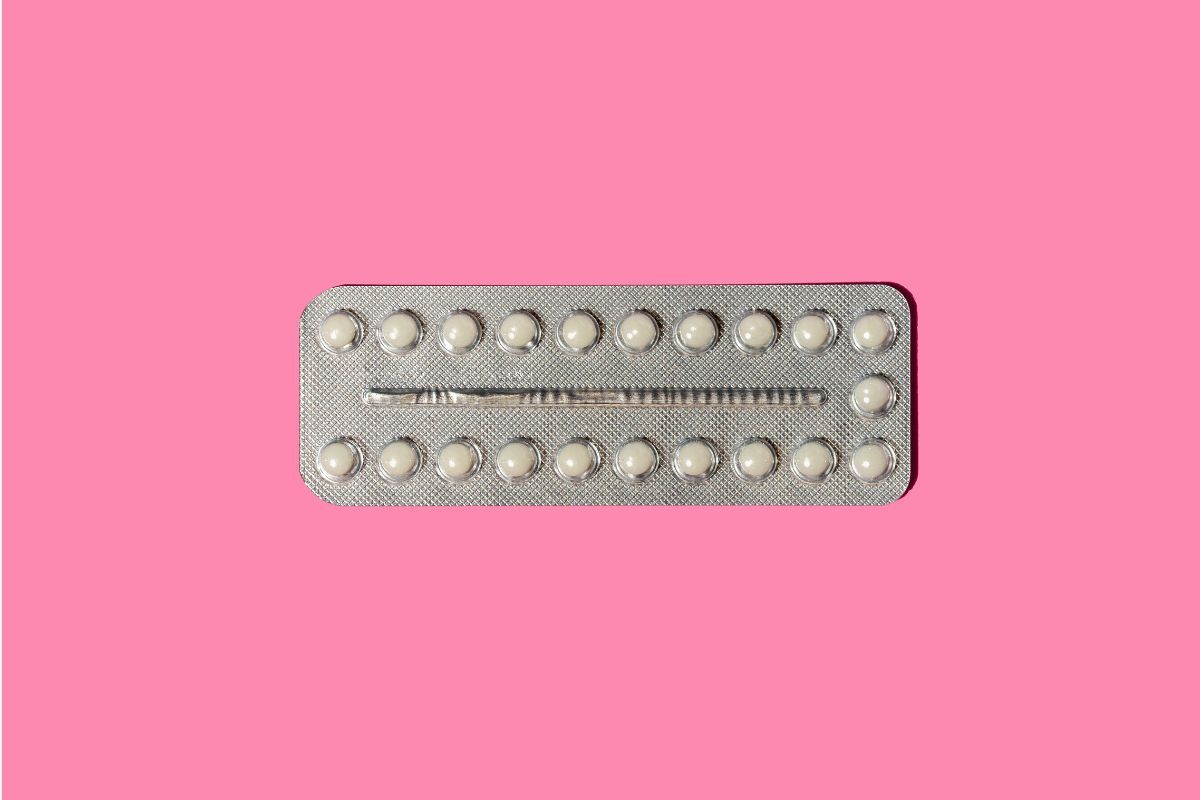
Birth control pills are among the most commonly used methods of pregnancy prevention by women around the world. These are pharmaceuticals in the form of oral tablets containing synthetic hormones—mainly estrogens and progestogens, though single-component formulations (so-called mini-pills) based solely on progestogen are also available. Their main purpose is to interfere with a woman’s natural menstrual cycle and block the biological processes essential for fertilizing an egg by sperm. Birth control pills have a long history and were approved for use in the mid-20th century. Their formulations and dosing regimens have evolved over time with advances in medicine and pharmacology. Today, a wide range of products with different types of hormones, dosages, and additional properties are available, allowing contraception to be tailored to each woman’s individual needs, health status, and lifestyle. Beyond their contraceptive effect, these hormonal preparations are often used to alleviate symptoms of premenstrual syndrome, irregular periods, or endometriosis, making them not only a method of preventing unplanned pregnancy but also an important element of comprehensive reproductive health care for many women.
The mechanism of birth control pills is based on several key physiological processes. First, the hormones contained in them inhibit ovulation—the release of an egg from the ovary. Without ovulation, pregnancy cannot occur, as a mature egg and sperm never meet. These hormones also change the consistency of cervical mucus, making it thicker and more viscous, thus making it harder for sperm to pass through the cervix into the reproductive tract. The hormones may also alter the uterine lining (endometrium), which prevents implantation of a fertilized egg should fertilization occur. Birth control pills should be taken regularly, typically daily at the same time for about 21 days, followed by a break that results in withdrawal bleeding similar to a period or continuous intake with placebo tablets. It’s important to highlight that the effectiveness of this method depends on correct usage—missing a dose, taking the pill too late, or using certain medications can significantly lower protection levels. Besides their contraceptive function, these pills can also be used in the treatment of hormonal acne, menstrual cycle disturbances, or to relieve painful periods. However, in each case, the decision to begin using birth control pills should be preceded by a medical consultation that takes into account overall health, risk of chronic diseases, and possible contraindications, while discussing possible side effects and how to manage them.
Most common side effects of birth control pills
Although birth control pills are considered one of the most effective and convenient methods of preventing pregnancy, they may cause a variety of side effects directly related to the presence of synthetic hormones in the daily dose. These most frequently arise during the first weeks or months as the body adjusts to the new hormone levels. Most commonly reported symptoms include: nausea, headaches, breast tenderness, mood swings, light intermenstrual bleeding (spotting), and changes in body weight. Nausea is often associated with the beginning of hormonal contraception and usually subsides after a few weeks, though for some women it can be bothersome enough to require changing the preparation. Headaches may result from the effect of estrogens on fluid-electrolyte balance and blood vessels in the brain. However, not every woman experiences this—some even find that birth control pills relieve migraine symptoms related to the menstrual cycle. Another typical side effect is breast tenderness and swelling due to hormone action on the mammary gland—this symptom resembles premenstrual complaints and most often resolves on its own within a few cycles. Intermenstrual bleeding, known as spotting, is also typical, especially in the first 2–3 months; it may appear unexpectedly and is usually not a cause for worry, but if it persists, a doctor should be consulted for a possible preparation change. Mood swings, depressive tendencies, or irritability are another group of symptoms, likely connected to the effects of hormones on brain neurotransmitters. Some studies suggest an increased risk of depressive symptoms in some women using hormonal contraception, especially those with a history of mood disorders.
Also noteworthy are changes in body weight and water retention—many women fear weight gain from birth control pills. While numerous scientific studies show no clear link between the pill and lasting weight gain, some women may experience temporary water retention in the first months, manifesting as heaviness, swelling, and slight weight increase. These effects are usually short-term and resolve as the body adapts. Other possible side effects include skin changes—some women notice an improvement in their complexion and less acne, while others may develop breakouts, discolorations, or pigmentation (especially facial melasma). Libido disturbances, both decreases and increases, are also possible—this effect is highly individual and depends on how the body responds to a specific hormone blend. Some may also experience vaginal dryness, itching, or irritation of intimate areas, associated with hormonal effects on mucous membranes. Occasionally, there are changes in tolerance to contact lenses (due to increased eye dryness), as well as digestive symptoms like gastric upset or bloating. Modern birth control pills have lower hormone doses, thereby reducing risk and severity of side effects, but do not eliminate them completely. Every woman responds differently—some only experience mild and quickly subsiding symptoms, whereas for others they may persist longer or require a change in pill type. Regular doctors’ appointments and careful observation of one’s body are key for safe and comfortable use of this method.
Rare and serious adverse reactions
Birth control pill use is generally considered safe for most women, but like any medication, hormonal pills can be associated with the occurrence of rare but serious adverse reactions. Awareness of these risks allows for faster recognition of worrisome symptoms and appropriate action. One of the most serious complications is an increased risk of venous thrombosis—the formation of blood clots in deep veins, most commonly in the legs. Thrombosis can lead to dangerous consequences such as pulmonary embolism, which can be life-threatening. This risk is particularly elevated in women who smoke, are obese, have genetic predispositions, or are over 35. Doctors should therefore perform a thorough family history and appropriate tests before starting therapy. Characteristic symptoms suggesting thrombosis include pain, swelling, redness, or warmth in the calf area. Less commonly, but just as dangerous, are thromboembolic complications in arterial vessels, increasing the risk of stroke or heart attack. This is especially important for women with additional conditions such as hypertension, diabetes, or hypercholesterolemia, so special caution and regular health monitoring is needed. Long-term use of birth control pills may be associated with a minimally increased risk of developing certain cancers, especially cervical and breast cancer. Study results here are inconclusive, but it is suspected that sex hormones may stimulate the growth of cancer cells in susceptible women. The increased risk appears to depend on how long pills are used and the woman’s age; however, the reduced risks of endometrial and ovarian cancers balance out these potential threats. The effect of hormonal contraception on cancer risk can also be modified by factors such as obesity, smoking, or family disease history, so every woman should be informed of potential threats and warning signs such as abnormal vaginal bleeding, palpable lumps in the breast, or unexplained weight loss.
Other rare but serious adverse effects include liver complications—these may take the form of benign focal lesions such as hepatic adenoma, but in some instances, may lead to acute hepatitis or cholestatic jaundice. Symptoms of liver damage requiring urgent diagnosis are sudden weakness, severe abdominal pain, jaundice (yellowing of the skin and the whites of the eyes), dark urine, and pale stools. Very rarely, the pills may provoke hypersensitivity (allergic) reactions including skin rashes, hives, itching, sometimes shortness of breath, or angioedema. Any such signs necessitate immediate contact with a doctor and discontinuation of the pill. Occasionally, visual disturbances or severe migraine headaches are seen, particularly in women predisposed to migraine; these are an alarm signal from the central nervous system and require stopping hormonal contraception and in-depth neurological diagnosis. Extremely rarely, clotting complications may occur in the retina, leading to sudden vision loss. Women with autoimmune diseases or clotting disorders are in a special group—their risk of complications is much higher, so the decision to use birth control pills should be very individual, with consultation and consideration of alternatives. It should be emphasized that modern pills have much lower doses, greatly reducing the risk of severe side effects, but caution, regular checkups, and swift response to warning signs remain essential for safe use of this contraceptive method.
Risk factors and who is most at risk
Not every woman experiences side effects of birth control pills to the same degree, as numerous risk factors affect an individual’s susceptibility to adverse and complication-related reactions with hormonal contraception. Age is a major factor—women over 35, especially if they smoke, are at greater risk of vascular events such as venous thrombosis and pulmonary embolism. Smoking amplifies the harmful impact of estrogens on blood vessels and increases the risk of clots; combining both is strongly discouraged. Genetic predispositions are also extremely important—mutations such as Leiden V increase thrombophilia risk, potentially leading to life-threatening complications. A family history of cardiovascular diseases or premature strokes and heart attacks should prompt detailed examinations before starting hormones. Risk factors also include hypertension, diabetes, hypercholesterolemia, and especially obesity when BMI exceeds 30. Excess body weight makes the organism more prone to metabolic disturbances and thrombosis. In women with migraine with aura, oral hormonal contraception may increase the risk of vascular incidents like ischemic stroke; thus, it’s not recommended for this group.
Those also most at risk include women with chronic diseases—especially liver and circulatory system illnesses. Previous cancers of the breast, uterus, or liver are considered absolute contraindications for taking oral contraceptives due to risk of recurrence. Women on ongoing medication, especially substances affecting liver metabolism (including certain anticonvulsants, antifungals, or antibiotics), may experience hormonal instability—supplementation with such pills should always be consulted, as some substances can decrease efficacy or increase side effects. Blood clotting system status is key—those with past thromboembolic events or unexplained vascular episodes should avoid estrogenic contraception. Concomitant conditions such as thyroid disease, autoimmune diseases (e.g., lupus), immune system disorders, or glucose intolerance should also be considered as hormonal preparations may affect their course. Women battling depression or anxiety disorders must be cautious as hormonal fluctuations may worsen psychological symptoms and require regular psychological check-ins. Young women who haven’t completed puberty should avoid hormones without medical need, as should breastfeeding women in the first six weeks postpartum due to thrombosis risk and effects on milk production. Other risk factors include lifestyle, physical activity, eating disorders, and stress—all of which can modulate the body’s response to synthetic hormones. Taking these aspects into account during medical consultations and regular health checks before and during oral contraception use minimizes the risk of serious and chronic complications while offering a chance to safely adapt the method individually.
How to manage side effects and when to see a doctor?
Many women choosing hormonal contraception experience mild side effects that usually resolve within the first few months of use. Several proven strategies can help alleviate these symptoms. Nausea, often occurring right after starting therapy, can be reduced by taking the pill in the evening or with food. Headaches and mood swings require observation—regular sleep, a balanced diet, relaxation techniques, and moderate physical activity, especially outdoors, are helpful. For breast tenderness or swelling, it’s recommended to reduce processed foods, salty products, and caffeinated beverages, easing water retention. If acne or skin changes occur, use hypoallergenic cosmetics and avoid greasy creams; improvement often comes after a few months as the body adapts. If there is mild spotting, it usually doesn’t require intervention unless it’s heavy or persists beyond three months. Vaginal dryness can be managed with water-based lubricants, while libido shifts are usually temporary—partner support and honest communication help through the adaptation period. Regular self-monitoring and symptom journaling help the doctor assess during follow-ups. If side effects are especially troublesome, don’t discontinue contraception independently—instead, consult your doctor, who may suggest a different pill or method better tailored to the woman’s needs.
Some symptoms linked to birth control pills, however, require immediate medical assessment as they may indicate a serious health risk—awareness is crucial for when to see the doctor without delay. Consult urgently if there are severe headaches you have never experienced before, visual disturbances, sudden weakness, numbness in limbs, chest pain, or shortness of breath, as these can indicate thrombosis, stroke, or pulmonary embolism. Also watch for persistent severe abdominal pains or jaundice, which might signal liver complications. Report lower limb swelling, pain with breathing, sudden unexplained weight gain, calf pain, or unusually heavy bleeding. Any allergic reactions such as facial swelling, rashes, skin itching, or difficulty breathing require immediate medical help. Regular check-ups are especially important for women with risk factors—obesity, smokers, those with chronic illnesses, hormonal disorders, family thrombosis or cancer history. Also consult if there are psychological symptoms like prolonged low mood, insomnia, or anxiety attacks. Any changes in medication—whether contraceptive or otherwise—or new therapies should always be discussed with your doctor to avoid interactions and minimize side effects. When uncertain about the safety of your chosen contraception or if symptoms persist, do not delay a medical visit—quick intervention means earlier detection and reduces long-term risk.
Safe use and alternatives to hormonal contraception
Safe use of birth control pills requires a conscious approach and regular medical check-ups. Before starting, a thorough medical history with a gynecologist is necessary to assess the woman’s health and identify any hormone use contraindications. Basic tests such as blood count, lipid profile, liver function, and sometimes coagulation or glucose levels are vital. Women with known risk factors for thrombosis, stroke, or cancer need additional testing—often genetic, especially if there’s a family history of cardiovascular problems. The start of contraception should also take into account possible interactions between hormonal preparations and other medications including certain antibiotics, anticonvulsants, or herbs (like St. John’s Wort), which can reduce effectiveness or increase risks. Correct pill usage is key—regular daily intake at the same time, avoiding missed doses, and proper steps in the event of vomiting or diarrhea that can disrupt absorption. In case of doubts regarding effectiveness or serious side effects, consult a doctor immediately. A woman’s privacy and health safety are paramount, so any health or lifestyle changes (e.g., quitting smoking, weight change, new illnesses) should be communicated to the doctor. Proper education about pill use minimizes risks and improves control over one’s health.
Although hormonal methods are among the most effective for preventing unplanned pregnancy, women are increasingly considering alternative solutions adapted to their health, beliefs, and lifestyle. Popular non-hormonal options include the copper intrauterine device (IUD), which works locally to prevent fertilization without influencing hormonal balance. If an IUD is not suitable, condoms—male and female—also protect against sexually transmitted infections. Other options include spermicidal caps or suppositories, which are a bit less effective than hormones but attractive for those wanting to avoid systematic hormone use. Fertility awareness methods—tracking cycles, observing cervical mucus, waking temperature, and ovulation symptoms—require discipline and knowledge; their effectiveness depends on user accuracy and cycle regularity. Mechanical interventions such as diaphragms or contraceptive sponges can be fitted with a gynecologist’s help. For women not planning pregnancies, permanent contraception—tubal ligation—is available, but should be carefully considered and discussed. Choosing the right contraceptive method should take into account age, health, sexual habits, partnership needs, motherhood plans, and willingness to adhere to and properly use the selected option. Remember, no method is entirely free of flaws or risks, and modern medicine offers more and more solutions for women at any stage of life; the key is a conscious, responsible, and personal approach based on current health and personal needs.
Summary
Birth control pills are an effective method of preventing pregnancy, but their use can involve the risk of side effects—ranging from mild (headaches or nausea) to more serious ones such as the risk of clots. The key is to regularly monitor your body, know alarming symptoms, and consult a doctor if in doubt. Contraceptive choices should be personalized, taking into account medical history and potential contraindications. Consider non-hormonal alternatives and always use such preparations safely. The right knowledge helps to minimize risks and use pills more consciously.