Is popcorn healthy? Learn about its nutritional value, calories, properties, risks, and find out how to prepare the healthiest popcorn at home.
Table of Contents
- Popcorn – basic information and nutritional values
- How many calories does popcorn have? Impact on diet and weight loss
- Health benefits of popcorn: fiber and antioxidants
- How can popcorn be harmful? Trans fats, salt, and carcinogenic substances
- The healthiest popcorn: how to prepare it at home
- Summary: Is it worth eating popcorn and what to watch out for?
Popcorn – basic information and nutritional values
Popcorn, also known as popped corn, is one of the most popular types of snacks worldwide – not just during movie screenings but also as a quick and light way to satisfy hunger between meals. Its history dates back to ancient times – the indigenous peoples of both Americas were already taking advantage of the properties of a unique variety of corn with hard kernels that, when exposed to high temperatures, explode and become a fluffy, crunchy snack. Pure popcorn is made without the addition of fats, sugars, or artificial substances – its foundation is just corn and the right amount of heat. Importantly, unlike most popular chips or salty sticks, natural popcorn is a whole grain product, meaning it retains the most valuable nutrients present in corn kernels – dietary fiber, B vitamins, and minerals such as magnesium, phosphorus, iron, and zinc. Corn itself is gluten-free, making popcorn a safe snack for those on a gluten-free diet. It’s worth knowing that popcorn possesses the highest nutritional value when prepared at home, without added vegetable fats, large amounts of salt, butter, or caramel – ingredients commonly found in movie theater or microwave-ready versions.
A portion of freshly popped popcorn (about 30g, a classic small bowl) provides on average 110–130 kcal, depending on how it’s prepared and what, if any, additions it contains. As far as snacks go, popcorn stands out thanks to its high fiber content — 100g contains up to 14g of fiber, which supports digestion and keeps you feeling full much longer compared to most snacks low in fiber. It also contains valuable antioxidants, including polyphenols that support the immune system and may protect cells from oxidative stress. Popcorn also contains small amounts of fat (about 1g per 30g serving) and a moderate amount of protein (about 3g per 30g), which, with its low calorie content, makes it an interesting option for those watching their weight or reducing calories. Natural corn also provides vitamins B1 (thiamine), B3 (niacin) and minerals – especially magnesium, iron, zinc, phosphorus, and potassium. Importantly, popcorn delivers the greatest health benefits when prepared using the dry method (hot air or a dry frying pan) – without fat and excess salt. Versions available in cinemas or ready-to-microwave bags differ substantially in nutritional value, as they often contain large amounts of hydrogenated fats, glucose-fructose syrup, artificial flavors, or preservatives. To sum up, fresh popcorn consumed in moderation – without unnecessary additives and in appropriately sized servings – can be an excellent source of valuable nutrients and a wholesome alternative to highly processed snacks.
How many calories does popcorn have? Impact on diet and weight loss
Popcorn as a snack enjoys huge popularity thanks to its characteristic taste and versatility. But a key question when composing a healthy diet or losing weight is: how many calories does popcorn have and how does it impact weight loss? It’s important to know that the energy value of popcorn depends strictly on how it’s prepared and the additives that often end up in store-bought products. Freshly made popcorn from corn kernels, without any added fats or sugar, contains on average 110 to 130 kcal per 30-gram serving (approximately 3 cups of popped corn), which makes it relatively low in calories, especially when compared to traditional chips or salty snacks. Its greatest asset is its high fiber content — a single portion contains up to 3–4g of fiber, positively influencing satiety and helping reduce snacking on other more caloric foods. Homemade popcorn made with hot air offers negligible fat and keeps calorie content low. However, popcorn made with added fat – for example, in oil or butter, or the movie theater and microwave versions – can have two or even three times as many calories. A 30g serving of popular buttery popcorn may contain 180–220 kcal, and if the product is also salted, cheesy, or caramelized (sweet), the energy value can exceed 300 kcal, while also providing significant amounts of trans fats, sugar, and salt, which are detrimental to both health and healthy bodyweight.
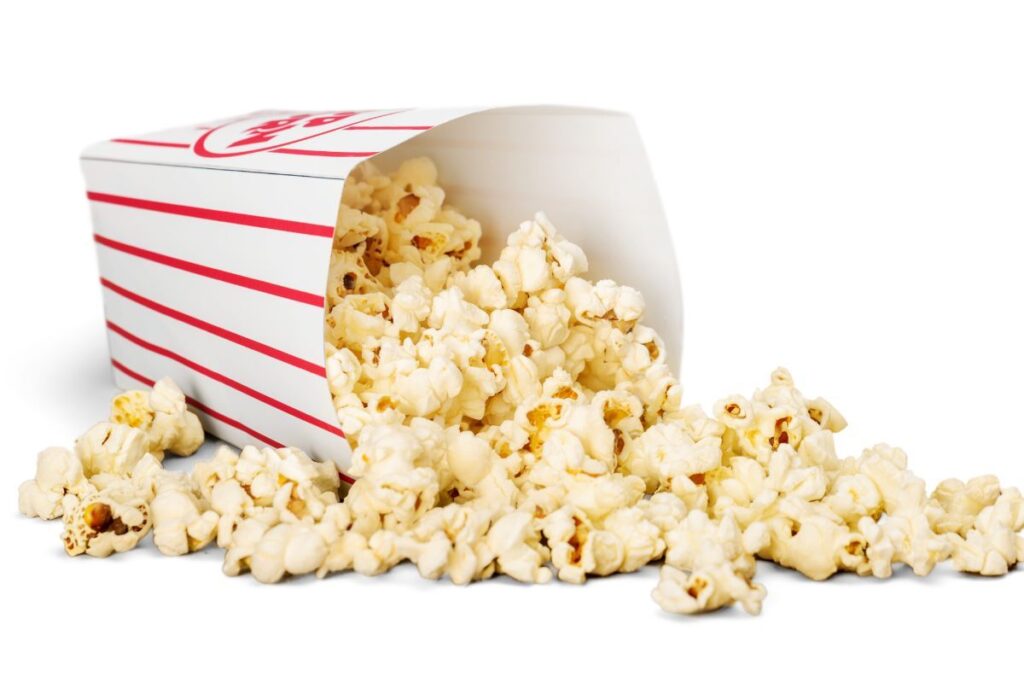
Proper inclusion of popcorn in a weight loss diet requires mindfulness and conscious selection of its type and method of preparation. Natural, homemade popcorn with no fats, excess salt, or sugar can support those aiming for weight reduction. Thanks to its high fiber content, the digestion of popcorn kernels is moderate, which helps maintain satiety for longer and prevents hunger pangs. Studies show that whole grain products – like popped corn – help control appetite and may positively modulate glucose and insulin levels. For weight-watchers, popcorn’s glycemic index (GI) is also important: its value depends on how it’s prepared (plain popcorn’s GI is around 55, while versions with sugar or fat can reach GI 80 or higher). Thus, it’s best to choose “dry” popcorn from an air popper or a pan without fat. It’s also worth noting the volume of popcorn – a large amount of low-calorie popcorn gives the impression of a “large portion” at relatively low energy cost, which is significant for psychological comfort while dieting. Still, even healthy, homemade popcorn should be eaten in moderation and always included in the daily calorie budget, to avoid exceeding energy needs. Remember that additions such as butter, cheese powder, or seasoning mixes dramatically increase calories, potentially sabotaging weight loss efforts. Adding popcorn occasionally, in controlled servings, to a healthy, balanced diet can be a smart way to satisfy crunchy cravings without guilt and a substitute for highly processed snacks, provided reasonable nutrition rules and moderation are observed.
Health benefits of popcorn: fiber and antioxidants
Popcorn, as a product made from whole corn kernels, is notable for its richness in dietary fiber, making it a valuable snack that supports digestive health. Adequate fiber in the diet is crucial for maintaining intestinal regularity, and a serving of popcorn (approx. 30g) provides 3.5 to even 5g of fiber, accounting for about 15–20% of an adult’s daily requirements. Dietary fiber not only supports digestion, but also regulates blood glucose levels by slowing carbohydrate absorption and preventing rapid sugar spikes. This is especially important for those concerned about preventing type 2 diabetes or struggling with insulin resistance. Fiber intake is also associated with reduced “bad” LDL cholesterol, supporting the cardiovascular system and reducing the risk of atherosclerosis and heart disease. Proper fiber supply is invaluable during weight loss – even a small portion of popcorn can keep you full for longer and reduce cravings for calorific and processed snacks. Scientific studies confirm that people who consume whole grain products like popcorn have a better chance of maintaining a healthy weight and stable energy levels throughout the day. This makes natural, unprocessed popcorn a functional snack not only for those managing their weight, but also for anyone seeking to support gut health.
Aside from fiber, popcorn also supplies valuable antioxidants, which play a key role in protecting the body from oxidative stress and cell aging processes. The most prominent antioxidants in corn kernels are polyphenols, especially ferulic acid, which neutralize free radicals that can damage DNA, proteins, and lipids in the human body. According to research, popcorn contains up to three times more polyphenols than popular fruits and vegetables – although the way popcorn is prepared is important. Natural popcorn made without fat and artificial additives preserves most valuable bioactive substances. The presence of polyphenols is linked to a lower risk of developing many chronic diseases, such as cancer, neurodegenerative diseases, or cardiovascular issues. Another healthful ingredient in popcorn is B vitamins, responsible for proper metabolism and nervous system function. As a whole grain, popcorn also provides magnesium, phosphorus, and iron – necessary for nerve conduction, energy production, and hemoglobin synthesis. Notably, roasting corn kernels in hot, dry air retains the most nutrients and antioxidants, making popcorn prepared on a dry pan or in a popcorn machine the healthiest option. Avoiding added fats, salt, or sugar ensures that the health-promoting properties of popcorn aren’t canceled out by harmful ingredients in commercial versions. All this makes popcorn a tasty and highly nutritious component of the daily diet, especially if it’s deliberately consumed in its natural form.
How can popcorn be harmful? Trans fats, salt, and carcinogenic substances
Popcorn, especially in ready-to-microwave form or the classic movie theater variant, can negatively affect health due to harmful additives and the preparation method. One main threat to consumers is the presence of trans fats, resulting from the industrial hydrogenation of vegetable oils. These oils are commonly used in microwave popcorn mixes or cinema popcorn, as they provide crispiness and prolong shelf life. Trans fats have a seriously negative impact on heart health: they raise “bad” LDL cholesterol and lower “good” HDL levels, thereby increasing the risk of atherosclerosis, ischemic heart disease, and heart attacks. Regular consumption of snacks with trans fats is strongly linked to increased risk of type 2 diabetes, obesity, and even certain cancers. Unfortunately, many store-bought products disguise their trans fat content under names such as “partially hydrogenated vegetable oils,” so consumers should read popcorn ingredients carefully and avoid those containing such fats.
Another health threat is the high salt content in store-bought popcorn. A portion of movie theater popcorn can contain as much as 2–3 grams of salt, more than half the recommended daily sodium intake for adults. Excess sodium is a leading cause of hypertension, which in turn raises the risk of stroke, heart attack, or chronic kidney disease. A high-salt diet also causes water retention, burdens the heart, and may encourage osteoporosis. The problem isn’t limited to salted popcorn – flavored varieties like cheese, caramel, or buttered types may also contain large amounts of hidden salt. Additionally, attention should be paid to potentially carcinogenic substances created during production and microwave preparation of popcorn. Chief among these is diacetyl, a synthetic compound used in buttery flavorings for microwave popcorn. Inhaling this compound can lead to so-called “popcorn lung,” an irreversible lung disease, and contact with the substance is harmful to health. What’s more, roasting popcorn at excessively high temperatures produces acrylamide – a chemical classified by the World Health Organization as potentially carcinogenic to humans. Acrylamide forms in carbohydrate-rich foods exposed to high heat (e.g., frying, baking, or roasting corn). High acrylamide intake is linked to a greater risk of various cancers, particularly among those regularly exposed to it dietarily. Another problem is microwave popcorn packaging, often coated with PFAS (per- and polyfluoroalkyl substances) to retain grease and prevent leaks. Experts believe these substances, when leached into food, can negatively affect hormonal balance, the liver, immunity, and possess carcinogenic potential. For these reasons, regular consumption of microwave popcorn and ready-made snacks containing trans fats, excess salt, synthetic flavorings, and high-temperature processing by-products is associated with significant health risks and should not be a staple of the daily diet.
The healthiest popcorn: how to prepare it at home
Preparing the healthiest popcorn at home relies on a few simple but crucial rules that maximize its nutritional benefits and minimize potential health risks. The key is choosing pure popping corn kernels, preferably organic and from a trusted source, ensuring they’re free of pesticides, preservatives, and potential allergens. Next, avoid any microwave-ready popcorn blends, typically loaded with fat, salt, flavor enhancers, and other additives that degrade the health profile of the snack. The healthiest method is dry popping — heating the kernels in a proper vessel without oil. A special popcorn pot, thick-bottomed pan, or even an oven-safe dish all work well. It’s also possible to use a minimal amount of healthy fats, such as cold-pressed canola oil or extra-virgin olive oil, which are stable at high temperatures and provide beneficial fatty acids, but it’s best to skip butter and hardened fats entirely. Another great way to prepare diet-friendly popcorn is with a hot air popper, which requires no fat; its calorie and fat content is minimal. In this form, popcorn retains its best qualities: it’s light, rich in fiber, B vitamins, magnesium, iron, and antioxidants. It contains no unnecessary additives and is a suitable snack for children, those watching their weight, people with hypertension, or lipid metabolism disorders.
A very important aspect of healthy popcorn is the kind of toppings you use. The most common mistake is adding lots of salt or butter, which not only increases calorie content but also upsets the sodium-potassium balance and burdens the cardiovascular system. Instead, try natural herbs and spices, which give popcorn fantastic flavor and add additional bioactive substances. Smoked paprika, garlic, turmeric, or rosemary are excellent salt alternatives and perfectly fit anti-inflammatory diets. Increasingly popular is lightly sprinkling popcorn with nutritional yeast, which enhances flavor and adds B vitamins and protein. You can also make sweet versions — instead of sugar or glucose syrup, sprinkle popcorn with cinnamon or a touch of natural cocoa, eliminating empty calories while boosting antioxidant content. For those on vegan or gluten-free diets, homemade popcorn is one of the safest picks – just make sure your kernels are gluten-free and choose only natural add-ons. Home-popped popcorn also lets you control portion size and your total calorie intake, unlike ready-made snacks where hidden ingredients can cause you to exceed your daily limit. Regularly choosing homemade popcorn, prepared with minimal processing, supports a healthy diet, curbs cravings for unhealthy sweets and chips, and fits right into a mindful, conscious eating trend. Making popcorn at home is quick, economical, and allows creative flavor experiments — encouraging everyone at home to try new healthy ways to enjoy this snack.
Summary: Is it worth eating popcorn and what to watch out for?
Popcorn, as a whole grain snack, offers many health benefits and can be a valuable element of a balanced diet, but its consumption should be approached with awareness, paying attention to its type and preparation method. Natural popcorn, made dry or with hot air and free of added fat or sugar, is low in calories and rich in fiber, supporting digestion, prolonged satiety, and healthy weight control. Furthermore, the presence of antioxidants in corn helps protect cells from oxidative stress, while minerals like magnesium, iron, and zinc ensure the body works properly. Healthy popcorn is a great alternative to less valuable snacks like chips or salty sticks, especially for those focused on heart and weight health. Despite its positive nutritional profile, popcorn should still be consumed in moderation, especially since excessive fiber can sometimes cause gastrointestinal symptoms in sensitive individuals. For those on weight loss or elimination diets, popcorn can help maintain satiety with low calories, but be sure to check the type and quantity of additives and calories per portion to avoid accidentally overeating energy. People allergic to corn, however, should eliminate popcorn from their diet altogether.
The way popcorn is prepared and what is added to it is the main factor deciding whether it’s a healthy snack. Movie theater and microwave-ready popcorn, though convenient and popular, most often contain significant amounts of undesirable substances like trans fats, excess salt, glucose-fructose syrup, artificial flavors, or preservatives. Regular consumption of such popcorn is associated with an increased risk of heart disease, hypertension, type 2 diabetes, and obesity. Furthermore, making microwave popcorn produces potentially dangerous compounds like diacetyl (used in flavorings) and acrylamide (created when overheated), both of which are suspected to be carcinogenic and neurotoxic. Invisible risks may also come from chemicals in packaging, such as PFAS, which accumulate in the body and may disrupt hormones and immune functions. Therefore, when selecting popcorn, it’s best to choose organic kernels and make it yourself in a pan or hot air popper, discarding excessive fats, salt, and pre-mixed seasonings. Experiment with natural flavorings — herbs, dried vegetables, or a light sprinkle of Parmesan — to provide great taste without negative health impact. When adding popcorn to your diet, always observe moderation to avoid exceeding daily caloric requirements, read product labels carefully, and avoid highly processed variants. Popcorn – consumed sensibly, consciously, and in proper proportions – can be a tasty, nutritious, and above all safe supplement to a healthy diet for people of any age.
Summary
Popcorn can be a healthy snack — but only if you prepare it the right way. When not popped in fat, without added salt or sugary coatings, popcorn is low in calories and high in fiber, supporting digestion and satiety. Keep in mind the dangers of ready-made products — microwave popcorn and those with additives can include trans fats, excess salt, and unhealthy chemicals. Choose popcorn made by air popping for the best health benefits, avoiding harmful extras. Including air-popped, homemade popcorn in your diet in moderate amounts is a healthy choice for the whole family.