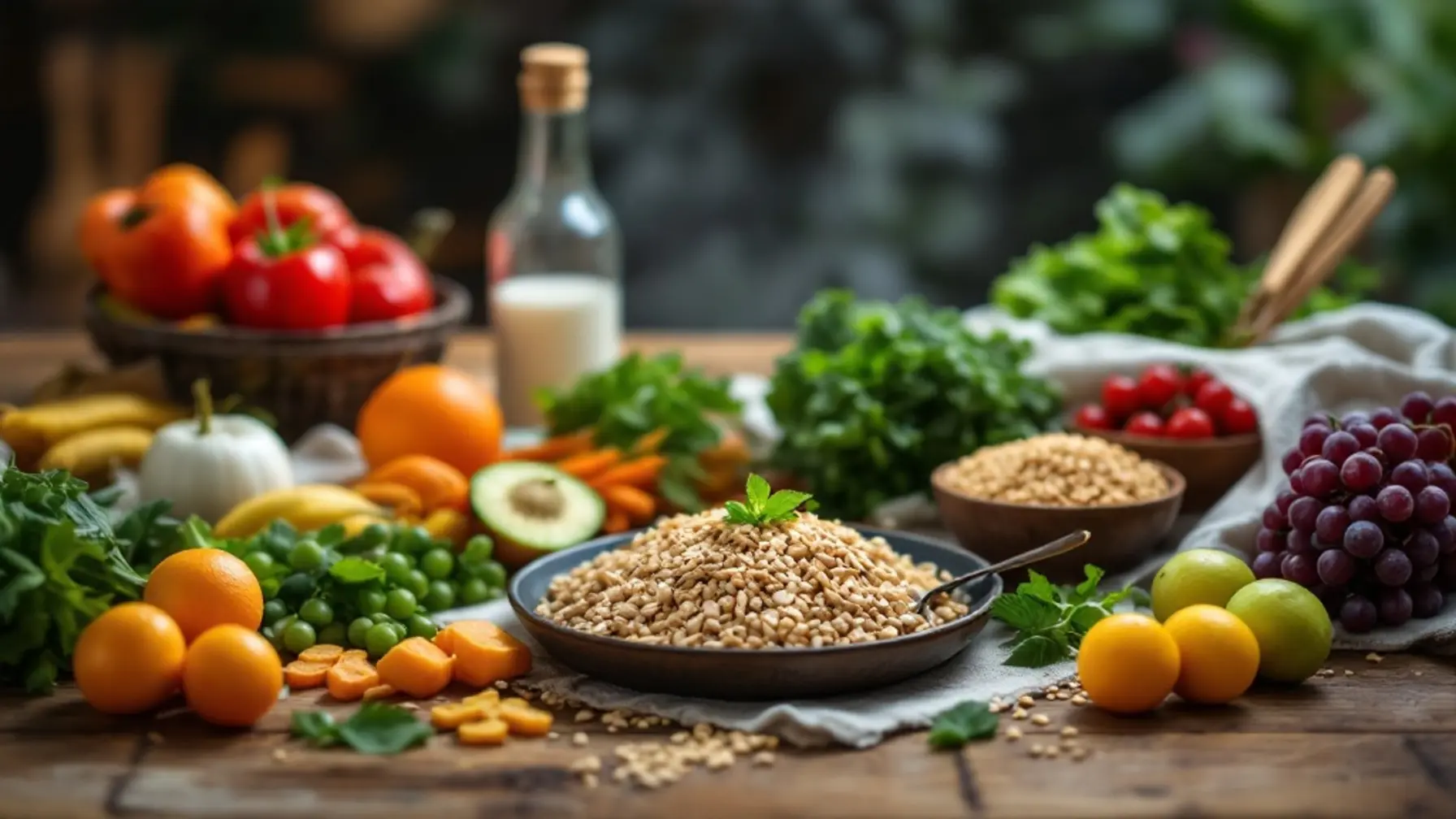
A proper Hashimoto diet and management of antibody levels help control autoimmunity and reduce inflammation. Lifestyle modifications and anti-inflammatory food choices support treatment and improve daily well-being. Discover how Hashimoto and diet choices impact antibody levels, empowering more effective disease management and elevating quality of life.
Table of Contents
- What is Hashimoto’s disease?
- How does diet affect antibody levels in Hashimoto’s?
- Foods Supporting Hashimoto’s Management
- Lifestyle and Changes in Antibody Levels
- The Role of an Anti-Inflammatory Diet in Hashimoto’s
- Practical Tips for Lifestyle Changes
What is Hashimoto’s Disease?
Hashimoto’s disease, also called chronic lymphocytic thyroiditis, is an autoimmune condition in which the immune system mistakenly identifies thyroid cells as foreign and gradually destroys them. The thyroid—a small butterfly-shaped gland at the base of the neck—produces hormones that regulate metabolism, body temperature, energy, heart, brain, gut, and reproductive health. In Hashimoto’s, the inflammatory process is driven by T and B lymphocytes and the antibodies they produce (mainly anti-TPO and anti-TG), damaging the thyroid tissue and often leading to hypothyroidism over time. Hashimoto’s usually has a ‘silent’ course; the disease can develop for years before symptoms or blood test results confirm hypothyroidism.
Understanding how diet and lifestyle affect antibodies in Hashimoto’s is key. It’s not just “a thyroid hormone disorder”, but a systemic immune imbalance where inflammation plays a major role. Genetics (such as a family history of thyroid disease, celiac, type 1 diabetes, psoriasis, rheumatoid arthritis) increases susceptibility, but environmental factors—chronic stress, infections, deficiencies (like selenium or vitamin D), excess iodine, gut issues, and toxins—are often needed to “trigger” the condition. Diet and daily habits can either support or burden the immune system.
Hashimoto’s is more commonly diagnosed in women (especially ages 20–50), due to estrogen’s immune effects, as well as pregnancy, postpartum, and menopause, when hormones are shifting. However, men, older individuals, and children can also be affected—sometimes discovered during testing for unrelated issues. Often the first signs are non-specific: fatigue, drowsiness, weight gain, feeling cold, hair loss, dry skin, low mood, concentration problems, constipation, heavy periods, or trouble conceiving. Importantly, the presence of thyroid antibodies (anti-TPO, anti-TG) and ultrasound signs of inflammation may occur years before overt hypothyroidism, so diagnosis relies on medical history, symptoms, TSH, fT4, fT3, antibody levels, and thyroid imaging.
From the perspective of “Hashimoto and diet: how does it affect antibodies?”, it’s important to see antibodies not just as markers, but as active drivers of autoimmune destruction. Anti-TPO (against thyroid peroxidase) and anti-TG (against thyroglobulin) antibodies attach to thyroid structures, triggering inflammatory reactions that gradually destroy the gland’s follicles. Their levels fluctuate over time, influenced not only by genetics but also immune system activity, systemic inflammation, gut health, sleep quality, stress exposure, and diet.
Hashimoto’s isn’t “curable” in the sense of eradicating autoimmunity in all patients, but many can achieve significant antibody reductions and less inflammation, which often means improved well-being and more stable weight and thyroid function. Classic therapy involves thyroid hormone replacement (levothyroxine), which compensates for deficiency, but does not address the underlying immune cause or antibody production directly. That’s why the importance of non-pharmacologic strategies—including an anti-inflammatory diet, gut microbiome support, correcting nutrient deficiencies (vitamin D, selenium, zinc, iron, omega-3), managing stress, and getting quality sleep—is increasingly emphasized. There is also a two-way relationship in the gut–thyroid–brain axis: increased gut permeability (“leaky gut”), dysbiosis, or immune reactions to food can perpetuate antibody formation. In turn, chronic inflammation and hormone imbalances affect brain function, mood, motivation, and the ability to keep up healthy habits. Hashimoto’s is a dynamic process involving the entire body: hormonal, immune, nervous, and digestive systems.
Understanding its nature as an autoimmune disease—dependent on many overlapping factors—is the foundation for further discussion: how specific nutrition and lifestyle factors can modulate antibody levels, decrease inflammation, and improve daily life for people with Hashimoto’s.
How Does Diet Affect Antibody Levels in Hashimoto’s?
Diet in Hashimoto’s disease is more than “general support”—it’s a real tool that can influence thyroid antibody levels (mainly anti-TPO and anti-TG) by modulating the immune system, gut microbiota, and systemic inflammation. There’s no one-size-fits-all miracle diet, but research and clinical experience point to several consistent mechanisms: the value of an anti-inflammatory diet, blood sugar stabilization, and avoiding foods that intensify autoimmunity.
The gut’s role is crucial. About 70–80% of immune cells are located in the digestive tract, and increased permeability (“leaky gut”) can boost antigen presentation and antibody production. A diet high in fiber (vegetables, low-glycemic fruits, whole grains, flaxseed, chia) supports beneficial gut bacteria, which produce short-chain fatty acids with anti-inflammatory effects. Conversely, a highly processed diet (simple sugars, sweetened drinks, fast foods, trans fats) promotes dysbiosis and visible elevation in pro-inflammatory cytokines and may correlate with higher antibody levels.
Mediterranean-style, antioxidant-rich foods—leafy greens, berries, herbs, extra virgin olive oil, nuts, and seeds—help neutralize free radicals that can damage thyroid cells. Adequate protein (from fish, eggs, poultry, and well-tolerated legumes) is necessary for tissue repair and healthy hormone synthesis. Energy balance matters too—chronic calorie deficits can cause further nutrient deficiencies (selenium, zinc, iron, vitamin D, B vitamins), disrupting hormone production and impeding suppression of the autoimmune response. Conversely, excess calories and overweight are also impactful—adipose tissue is hormonally active and secretes pro-inflammatory adipokines that can keep antibody levels high.
Certain food groups can directly impact antibody levels in Hashimoto’s. Gluten is frequently discussed, as elimination in those with celiac, non-celiac gluten sensitivity, or positive transglutaminase antibodies can lower antibodies and improve symptoms (potentially due to molecular mimicry and effects on gut permeability); blanket elimination isn’t required for everyone. Dairy exclusion may help gut and skin inflammation for those sensitive to cow’s milk proteins, indirectly supporting lower antibodies. Emphasize foods that promote anti-inflammatory and antioxidant effects: fatty fish (salmon, mackerel, herring, sardines), walnuts, flaxseed, and high-quality vegetable oils. Omega-3s modulate lymphocyte activity and cytokine production, potentially lessening immune attacks on the thyroid.
Micronutrients are pivotal—selenium deficiency is linked to higher anti-TPO, and supplementing (after doctor consultation) may lower antibodies. Sources include Brazil nuts, fish, and eggs. Zinc, iron, moderate iodine (excess can worsen autoimmunity), and vitamin D regulate immunity and thyroid hormone synthesis, so the diet should minimize deficiency risk.
Low-glycemic meals, based on complex carbohydrates, protein, and healthy fats, eaten regularly, help stabilize the hypothalamus–pituitary–adrenal (HPA) axis, which often impacts Hashimoto’s and antibody levels. Cooking techniques matter too—steaming, braising, baking (rather than frying in deep fat) reduce pro-inflammatory compounds. Together, an individually tailored anti-inflammatory diet is a key tool for lowering antibody levels and mitigating chronic inflammation in Hashimoto’s, always as a complement to, not a replacement for, endocrinological treatment.
Foods Supporting Hashimoto’s Management
Treating Hashimoto’s isn’t about a single “miracle food” but adopting an overall nutrition pattern that reduces inflammation, stabilizes blood sugar, and delivers essential nutrients. Foremost: selenium-rich foods—critical for autoimmunity and thyroid hormone conversion. Include Brazil nuts (1–2 a day is enough), ocean fish (salmon, mackerel, herring, cod), eggs, sunflower seeds, and whole grains. Selenium excess can be harmful; diverse dietary sources are better than high-dose supplements without medical oversight.
Zinc is equally important (for thymus function, T-cell balance, hormone synthesis); good sources include lean red meat, free-range poultry, oysters and shellfish, pumpkin seeds, sesame, hemp seeds, cocoa, and legumes. When eating legumes, soak and cook them properly to reduce anti-nutrients that hinder absorption of minerals. Iron matters, especially for women with heavy periods and concurrent hypothyroidism (which increase anemia risk). High-quality meats (beef, veal, turkey), organ meats (occasionally, in small amounts), egg yolks, beets, parsley, leafy greens, paired with vitamin C–rich foods (peppers, citrus, sauerkraut), will enhance non-heme iron absorption.
Moderate, natural sources of iodine—marine fish, seafood, small amounts of iodized salt—are needed for hormone synthesis, but excess can aggravate inflammation, so avoid unregulated supplements and large seaweed quantities.
Vitamin D is essential to balancing immune response; natural sources (fatty ocean fish, egg yolks, pasture-derived dairy and butter) help but supplementation is often needed based on blood levels. The anti-inflammatory, antioxidant foundation is colorful vegetables and fruits—especially leafy greens (spinach, kale, arugula), cabbage family (broccoli, Brussels sprouts, cabbage, cauliflower), root vegetables (carrots, celery, parsley root, beets), berries (blueberries, raspberries, blackberries, currants), and low glycemic fruits (apples, pears, kiwi, grapefruit). Their polyphenols and vitamins (C, E, beta-carotene) support immunity and reduce thyroid inflammation. Herbs and spices, such as turmeric (especially with black pepper and oil), ginger, garlic, onion, oregano, rosemary, thyme, and cinnamon, have potent anti-inflammatory effects, allow you to reduce salt and sugar, and boost nutrient density.
Healthy fats matter, especially omega-3 EPA and DHA from fatty ocean fish, plus free-range eggs in smaller amounts; these support cellular membrane health and hormone production. Opt for extra virgin olive oil, avocado, olives, walnuts, almonds, pumpkin seeds, flaxseed, and chia seeds—delivering essential fats, fiber, and minerals.
People with Hashimoto’s often feel better and see antibody reductions after adding foods that nurture the gut microbiome (important due to gut–thyroid immunity links). Include fermented foods like sauerkraut, pickles, kimchi, beet kvass, plain yogurts, kefir, or buttermilk. These increase microbial diversity and can improve immune tolerance, lowering the risk of overactive autoimmune responses. For those who can’t tolerate dairy, choose fermented vegetables and plant-based probiotic drinks—avoid added sugars or preservatives.
Both soluble and insoluble fiber—whole grains (oats, buckwheat, quinoa, brown rice), legumes (lentils, chickpeas, beans, peas), vegetables, fruits, nuts, and seeds—feed good gut bacteria and help stabilize glucose and insulin. If Hashimoto’s comes with overweight, insulin resistance, or PCOS, such foods in balanced portions can prevent glucose spikes that trigger fatigue, mood swings, and hunger.
For some, gluten elimination is necessary (with celiac, gluten sensitivity, or positive transglutaminase antibodies). Others thrive with well-balanced whole grains—a gluten-free diet could include buckwheat, quinoa, amaranth, rice, millet, or certified gluten-free oats, to maintain fiber and minerals.
Dairy sensitivity is common, so if intake correlates with symptoms, try an elimination diet with lactose-free or plant-based calcium- and vitamin D–fortified alternatives, ensuring other protein sources—fish, lean meats, eggs, tofu, tempeh, legumes—are in place.
Beneficial drinks: unsweetened green tea, nettle, lemon balm (helpful for Hashimoto’s-related anxiety and sleep issues), fennel or mint tea for digestion, and water with lemon or herbs.
Limit added-sugar beverages, fructose-glucose syrups, and excessive coffee (especially fasting or near levothyroxine intake as it interferes with absorption). Every meal should include quality protein to support tissue repair, hormone balance, and stable blood sugar—include fish, eggs, lean meat, legumes, or fermented soy with every meal, and pair with vegetables, healthy fats, and low/moderate-glycemic carbs. This approach not only aids antibody control, but also sustains energy, sleep quality, and healthy weight—vital for managing an autoimmune disease.
Lifestyle and Changes in Antibody Levels
Lifestyle in Hashimoto’s disease powerfully affects thyroid antibody levels by altering immune system function, hormonal balance, and the degree of chronic inflammation. Psychological stress is pivotal—chronic stress raises cortisol and adrenaline, disrupting immune regulation, increasing pro-inflammatory cytokines, and potentially raising anti-TPO and anti-TG antibody levels.
A combination of stressful work, lack of sleep, and irregular meals is particularly harmful—burdening the adrenal glands, disrupting circadian rhythms, and impacting the hypothalamus–pituitary–thyroid axis. Incorporating stress reduction strategies—mindfulness, meditation, breathwork, yoga, regular outdoor walks—can lower felt tension, restore cortisol balance, and help ease autoimmune activity. Observational studies show that people who consistently use stress-coping strategies more often report symptom improvement, reduced fatigue, and stabilized antibody levels, though the pace of change is very individual and also depends on medication and diet.
Sleep quality and duration (not just avoiding short-term sleep loss, but addressing chronic deficits below 6–7 hours nightly) is crucial—prolonged lack of sleep disrupts cytokine production, raises inflammation, worsens insulin resistance, and aggravates Hashimoto’s. Practicing sleep hygiene—consistent sleep/wake times, winding down rituals, limiting blue light exposure in the evening, avoiding heavy meals and stimulants late—restore hormonal equilibrium and healing processes, including in thyroid tissue.
Physical activity is another pillar; it should be moderate and adapted to the person’s capacity and current health status. Brisk walking, Nordic walking, cycling, swimming, and gentle yoga help lower inflammation, improve insulin sensitivity, microcirculation, and oxygenation. Regular exercise also stabilizes weight—important because visceral obesity is itself a chronic inflammatory state that can exacerbate autoimmunity. Overly intense, inappropriate workouts (especially with uncontrolled hypothyroidism) can backfire: raising fatigue, spiking cortisol, and causing muscle/joint overuse (joint pain). A “slow and gradual build-up” plan is best—start with 2–3 short sessions weekly and increase gradually, adding moderate strength training.
Natural daylight and time in nature are often overlooked, but vital. Sun exposure (rightly managed) supports vitamin D synthesis, which helps regulate immune responses and correlates with lower antibody levels if properly optimized. Time in green spaces—forest, parks, water—reduces stress and fatigue, tangibly affecting disease course.
Limit stimulants: excess alcohol drives inflammation, impairs liver (key for thyroid hormone conversion), and destabilizes antibodies; smoking is linked to worse outcomes and higher autoimmune risk. Cutting out alcohol and smoking, paired with a good diet, movement, sleep, and stress management, creates a lifestyle that lowers immune overactivity and supports gradual antibody reduction in Hashimoto’s thyroiditis.
The Role of an Anti-Inflammatory Diet in Hashimoto’s
The goal of an anti-inflammatory diet in Hashimoto’s is to decrease chronic inflammation driving autoimmunity and high anti-TPO and anti-TG antibodies. The immune system is in a constant state of irritation in Hashimoto’s, and diet—too much sugar, trans fat, processed foods, and additives—can worsen it. The anti-inflammatory approach isn’t strict but prioritizes quality, variety, and nutrient density. The focus: nutrients supporting immune balance, oxidative stress defense, and tissue recovery—including antioxidants (vitamin C, E, beta-carotene, polyphenols), omega-3 fats, dietary fiber, and bioactive herbs/spices.
Valuable foods include vegetables (especially leafy greens, cooked brassicas, colorful peppers, beets, carrots, pumpkin), berries, extra virgin olive oil, fatty fish (salmon, mackerel, herring, sardines), nuts (especially Brazil nuts for selenium), seeds (flax, chia, sunflower, pumpkin), and whole grains if gluten tolerance is intact. These supply antioxidants that shield thyroid cells (which are highly oxidative-stress-sensitive).
Equally important is minimizing pro-inflammatory foods: sugary drinks, excess sugars and sweets, fast foods, deep-fried products, hard margarine, baked goods rich in trans fats, and highly processed meats with additives—all of which promote insulin resistance, visceral obesity, and high pro-inflammatory cytokines.
Adopting an anti-inflammatory diet in Hashimoto’s often reduces subjective fatigue, improves concentration, eases muscle/joint pain, normalizes weight, and, in some, lowers antibody levels after months of consistent dietary changes.
Gut health is central—fiber from vegetables, fruits, whole grains, seeds, and (as tolerated) legumes feeds beneficial bacteria that generate short-chain fatty acids with anti-inflammatory effects and help seal gut barriers. This reduces “leaky gut,” preventing antigen-triggered immune flare-ups.
Fermented foods—sauerkraut, pickles, kimchi, beet kvass, plain yogurt and kefir (if dairy is tolerated)—deliver probiotics. Brief gluten elimination trials may help if celiac disease, non-celiac gluten sensitivity, or digestive symptoms (bloating, diarrhea, pain) are present; dairy exclusions, especially highly processed versions, can be helpful for some but not all.
Lean meats, fatty fish, eggs, legumes, and fermented soy supply quality protein—avoid highly processed meats. Favor plant- and fish-based fats; minimize trans and excess saturated fat from red meat/fast food.
Herbs and spices are potent—turmeric (with pepper), ginger, garlic, cinnamon, oregano, rosemary, and thyme are antioxidants and anti-inflammatories. Proper hydration (mostly water and herbal teas), minimal alcohol, and limited caffeine (especially near levothyroxine dosing) round out the plan.
An anti-inflammatory diet, individualized for tolerances, energy needs, and coexisting conditions, is the foundation of non-pharmacological Hashimoto’s therapy and can directly impact immune responses and antibody levels.
Practical Tips for Lifestyle Change
Changing lifestyle with Hashimoto’s should be gradual and well-organized to influence antibody levels and inflammation without becoming another stressor. Start by regulating daily routines—consistent wake times, bedtimes, and meals stabilize hormones (cortisol, insulin), supporting thyroid function.
A “sleep hygiene” focus is crucial: 7–8 hours a night at consistent times, ventilated bedrooms, reduced blue light exposure 1–2 hours before sleep, and relaxing nightly routines (reading, warm bath, relaxation techniques). Plan breaks in your workday with rest and gentle movement, avoiding late-night exertion.
Try structured work “focus blocks” (e.g., 45–50 minutes work, then 5–10 minutes stretching, deep breathing, or a short walk) to reduce nervous system overload and minimize stress spikes. Preparing meals ahead (e.g., batch-cooking roasted veggies, grains, meats, soups) makes it easier to stick to an anti-inflammatory diet and limit processed food.
Proactively manage stress—a key antibody trigger. Daily relaxation techniques (e.g., 5–10 minutes of deep breathing: inhale through nose for 4 seconds, exhale through mouth for 6 seconds) can calm the sympathetic nervous system. Mindfulness meditation via apps or videos, even briefly each day, builds awareness and helps revise reaction patterns. Yoga or Pilates—slow, breath-focused movement and stretching—reduces muscle tension and stress hormones. Rather than intense workouts, aim for 2–3 gentle activity sessions a week (walks, yoga, swimming), 1–2 moderate-intensity workouts, and monitor for signs of overexertion (fatigue, muscle pain, sleep worsening).
Limit exposure to extra stressors: excessive news/social media, work/social overload—set regular “offline hours” and practice saying no to tasks that exceed your current energy. Social support also matters: talk to loved ones about your situation, join support groups (online or in person), and seek a psychologist or psychodietitian for additional guidance if needed.
Consistent natural light exposure (morning or midday outdoor walks) helps vitamin D synthesis and circadian rhythm regulation. Limit stimulants: gradually cut caffeine (especially on an empty stomach or afternoons), quit smoking, and reduce alcohol to help liver, gut, and hormone balance.
Introduce changes step-by-step—every 1–2 weeks, add a new healthy habit (more sleep, evening walk, regular breakfast, breathing exercise), observe effects on well-being and labs (TSH, FT3, FT4, anti-TPO, anti-TG), and adjust as needed with your doctor and nutritionist. This approach increases the likelihood of sustainably lowering antibody levels and improving quality of life with Hashimoto’s.
Summary
Managing Hashimoto’s requires a holistic strategy where diet and lifestyle are central to controlling antibody levels. A diet focused on anti-inflammatory and antioxidant-rich foods supports thyroid function and relieves inflammation. Lifestyle changes, including stress management and regular physical activity, are equally vital for reducing symptoms. Tailoring nutrition and habits to your individual needs can greatly enhance your well-being and support your treatment journey. Consult with a dietitian and endocrinologist for a personalized plan.