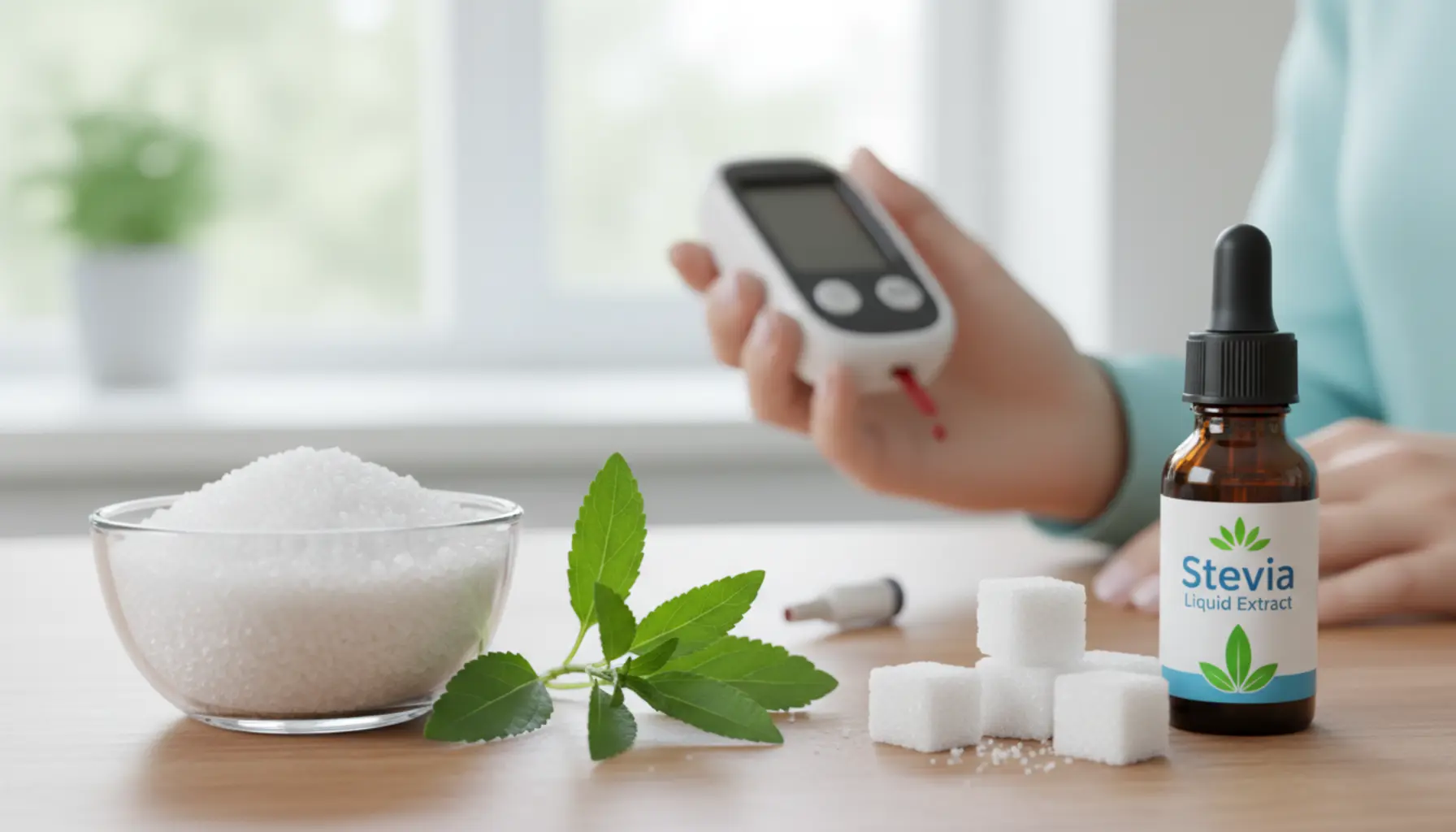
The best sweeteners for diabetics allow you to enjoy a sweet taste without worrying about sudden spikes in blood sugar. Stevia, erythritol, and xylitol are natural substances that support stable glycemia. Discover their properties, uses, and impact on your daily diet.
Table of Contents
- Introduction to Natural Sweeteners
- Are Sweeteners Safe for Diabetics?
- Glycemic Index: What You Need to Know
- Stevia: Why Is It So Popular?
- Erythritol and Xylitol: Comparison and Uses
- Effects of Sweeteners on Health and Eating Habits
Introduction to Natural Sweeteners
Natural sweetening substances are becoming increasingly popular among people managing diabetes and insulin resistance, or those simply taking care of preventive health. Unlike classic table sugar (sucrose) and many artificial sweeteners, their main advantage is a low or zero impact on blood glucose levels and lower calorie content. For diabetics, this means tangible support in maintaining stable glycemia, helping to limit sudden sugar spikes and reducing the risk of complications such as vascular, nerve, or kidney damage. Natural sweeteners—primarily stevia, erythritol, and xylitol—derive from plants or natural fermentation processes, making them part of the “clean label” trend, important for both patients and conscious consumers. Importantly, not all “natural” sweeteners act the same: they differ in sweetness intensity, caloric value, impact on blood sugar, possible side effects, and culinary uses. In practice, choosing the best sweetener for a diabetic should be carefully considered—one solution works for sweetening coffee or tea daily, another for baking, desserts, or preserves. It’s also worth noting that natural sweeteners are not a “magic ticket” to eating sweet things without limits. Amounts should still be monitored, the body’s reactions observed, and choices consulted with a doctor or dietitian if necessary, especially with concurrent conditions such as irritable bowel syndrome, liver disease, or chronic kidney disease. Nevertheless, properly chosen sweetening agents can be a valuable element in a diabetic’s diet, making the transition from a high-sugar menu to a healthier way of eating easier, without having to completely give up the pleasure of sweet tastes.
To better understand the role of natural sweeteners, it’s worth taking a closer look at how they differ from traditional sugar and synthetic sweeteners. Table sugar is a combination of glucose and fructose, quickly absorbed in the digestive tract and causing a marked increase in blood glucose. Diabetics, whose bodies do not produce insulin (type 1 diabetes) or are resistant to it (type 2 diabetes, insulin resistance), react to this spike in a particularly unfavorable way—sugar fluctuations are larger, harder to control, and over time intensify inflammatory and oxidative stress processes. On the other hand, some artificial sweeteners (like aspartame, acesulfame K, or saccharin) do not significantly increase glucose levels but are controversial among consumers and scientists: reports exist of possible effects on the gut microbiome, appetite, or headaches in sensitive individuals, and some people simply do not accept their taste. Natural sweeteners, such as stevia (steviol glycosides extracted from Stevia rebaudiana leaves), erythritol (a sugar alcohol formed in fermentation processes), or xylitol (birch sugar, chemically also a sugar alcohol), are thus an attractive alternative: they provide sweet taste, but their metabolism and effects on glycemia are completely different from sucrose. Stevia provides virtually no calories and does not raise blood sugar, yet is many times sweeter than sugar, allowing you to use it in very small amounts. Erythritol has a taste profile close to sugar, zero caloric value and a glycemic index of zero—most is excreted unchanged in the urine, minimizing its metabolic effect. Xylitol is slightly more caloric but still much “lighter” than sugar and has a low glycemic index; it also has oral health benefits by limiting bacteria that cause cavities. At the same time, each sweetener has its limits—excessive consumption of polyols like erythritol or xylitol can, in sensitive individuals, cause bloating or loose stools, and some people do not like the slightly “cooling” aftertaste. That’s why, when choosing a natural sweetener, diabetics should consider not only factors like glycemic index or caloric content, but also individual gut tolerance, taste preferences, the rest of their diet, and usage frequency. It is here that stevia, erythritol, and xylitol truly stand out—they are well-researched, widely available, recognized by diabetes organizations and clinical practitioners, and versatile enough to be included in daily menus in drinks, desserts, baked goods, and even savory dishes needing balanced taste.
Are Sweeteners Safe for Diabetics?
The safety of using sweeteners for people with diabetes depends on several key factors: the type of sweetener, consumption amount, general health, and individual tolerance. From a diabetology perspective, the most important things are whether the sweetener raises blood glucose (its glycemic index and glycemic load), its effect on insulin levels, and any impact on body weight, lipid profile, and gut health. Stevia, erythritol, and xylitol are considered safe if used in reasonable amounts and by people with no contraindications. International agencies such as EFSA (European Food Safety Authority) and the FDA (USA) have determined acceptable daily intakes (ADI) for various sweeteners and recognized them as safe for the general population, including diabetics. In practice, occasional or moderate use of stevia, erythritol, or xylitol in a diabetic’s diet is usually safe and can help with glycemic control, especially when replacing high glycemic index sugar. However, “safe” does not mean “with no limits”—even natural sweeteners in excess can cause side effects, from gastrointestinal discomfort to unhealthy eating habits associated with too great a preference for sweetness.
Stevia, a plant-based sweetener, is virtually non-caloric and does not raise blood sugar, which is especially valued by people with type 1 and type 2 diabetes. Its intensity is much greater than that of sucrose, so very small amounts achieve the same sweetness effect. EFSA considers steviol glycosides safe at defined daily intakes, and clinical studies indicate no significant blood sugar fluctuations or insulin spikes. Erythritol, a nearly calorie-free sugar alcohol, is about 90% absorbed in the small intestine and is excreted unchanged in the urine, giving it a glycemic index of zero and essentially no effect on blood sugar. It is well tolerated by most, though in people with sensitive digestive systems, large amounts might cause a rumbling stomach or bloating. Xylitol has slightly more calories than erythritol, but still fewer than sugar and a much lower glycemic index, resulting in gentler increases in glucose and insulin after meals; it also does not cause fat accumulation at the scale excess sucrose does. Its positive impact on oral health is another plus for diabetics, who are at higher risk for dental problems due to chronic hyperglycemia. On the other hand, both xylitol and other polyols can have laxative effects and cause gas or gut cramps if consumed in excess, so it is recommended to introduce them gradually and observe the body’s reaction. It is also vital that people with diabetes do not treat natural sweeteners as a “green light” for unrestrained consumption of sweets; relying too heavily on sweetness may hinder the creation of healthier eating habits, and “sugar-free” products may still be high in calories, saturated fats, or refined flour, indirectly affecting body weight and glycemic control. Sweetener safety must always be considered within the context of the whole diet, lifestyle, and coexisting diseases—for example, kidney, liver, or irritable bowel syndrome (IBS)—and their use should be consulted with a doctor or dietitian, especially when dietary changes are introduced or when using multiple sweeteners at once.
Glycemic Index: What You Need to Know
The glycemic index (GI) is one of the key concepts everyone with insulin resistance should know, as it reflects how quickly a given product raises blood glucose after consumption. GI compares the glycemic response to a portion containing 50 g of digestible carbohydrate to that after ingesting pure glucose (GI=100). Foods are generally categorized into three groups: low GI (≤55), medium GI (56–69), and high GI (≥70). The higher the glycemic index, the more rapid the sugar spike and the greater the burden on the pancreas and hormonal system. High GI foods—white bread, sweet drinks, candies made with refined sugar—are especially problematic for diabetics, as they cause quick glucose “peaks” followed by equally rapid crashes, leading to mood swings, fatigue, and hunger attacks. In practice, the glycemic index alone does not tell the whole story, so the concept of glycemic load (GL)—which considers both speed and carbohydrate amount per portion—is now widely used. For instance, watermelon has a high GI but little carbohydrate per typical serving, so its GL is moderate. Diabetics should therefore consider both GI and portion size, as well as the fiber, protein, and fat content, which slow glucose absorption and reduce the overall glycemic response of a meal. The degree of food processing also matters—finely chopped, overcooked, or highly refined carbs (e.g., mashed potatoes, white bread, corn flakes) raise blood glucose faster than less processed equivalents (potatoes cooked with skins, wholegrain bread, whole grains). Knowing the GI of natural sweeteners such as stevia, erythritol, and xylitol helps explain why they are considered better than table sugar (GI about 65, which produces a quick glucose rise).
Stevia, erythritol, and xylitol differ not only in taste, calorie content, and culinary use, but above all in their impact on glycemia, as expressed by GI. Stevia’s glycemic index is virtually zero, as steviol glycosides are not metabolized as typical carbs—your body does not break them down into glucose, so they do not significantly raise blood sugar or trigger insulin release. That’s why stevia is especially appreciated by diabetics and people with insulin resistance; you can sweeten drinks and desserts without fear of raising blood glucose, provided that you choose products with no maltodextrin or other carbs that increase GI. Erythritol is a sugar alcohol with a GI of 0, which is absorbed in the small intestine but is almost entirely excreted unchanged. That means it does not meaningfully affect glucose and insulin levels—making it one of the safest sweeteners for diabetics, especially those looking to closely mimic the taste and texture of sugar in baked goods. Xylitol, unlike stevia and erythritol, has a low but not zero GI—around 12–13. Its effect on glycemia is much milder than sucrose but can slightly raise blood sugar if consumed in larger amounts. For many with diabetes, this is still acceptable, especially if xylitol replaces sugar in a well-balanced, fiber- and protein-rich meal. When choosing among these three, consider not only their GI but also your own bowel tolerance—sugar alcohols can, especially in excess, cause bloating or diarrhea. For many diabetics, a good strategy is combining sweeteners with zero GI (stevia, erythritol) with other low-GI healthy foods, such as whole grains, non-starchy vegetables, or legumes, to maintain steady blood sugar throughout the day. Those who prefer a taste closer to sugar may choose xylitol, bearing in mind its small impact on glycemia and the need to gradually introduce it to test tolerance. Remember: GI is measured under laboratory conditions and individual responses vary—so using a glucose meter or continuous glucose monitor is the best way to see how each sweetener affects your blood sugar and to tailor amounts to personal needs.
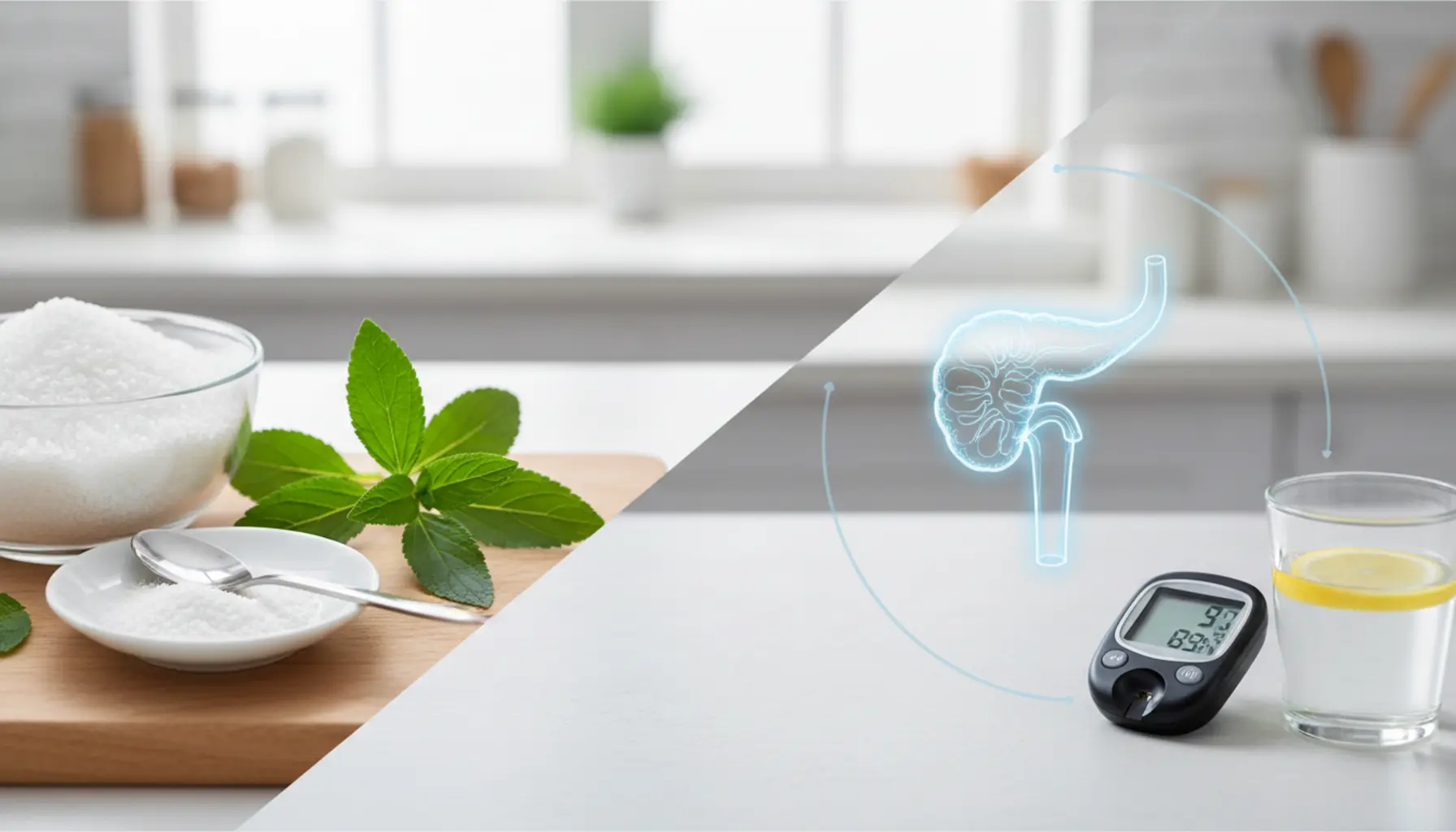
Stevia: Why Is It So Popular?
Over recent years, stevia has become one of the most frequently chosen natural sweeteners by people with diabetes and insulin resistance, but also by anyone seeking to reduce sugar without giving up sweet taste. Its popularity flows from a unique combination: it is virtually calorie-free, has a glycemic index of zero, does not raise blood sugar, and is up to 200–300 times sweeter than table sugar. The compounds responsible for stevia’s sweetness are steviol glycosides (mainly stevioside and rebaudioside A), which are metabolized totally differently from sucrose—they are not broken down in the small intestine into glucose and fructose, thus do not cause steep sugar rises. Once in the large intestine, some compounds are metabolized by gut bacteria, and their metabolites are largely excreted, explaining their minimal energetic effect. For diabetics, this means the real ability to sweeten drinks, desserts, or baked goods without having to count extra grams of simple sugars in their carbohydrate exchanges. Another plus is its safety record: both EFSA (European Food Safety Authority) and the FDA (U.S. Food and Drug Administration) recognize purified steviol glycosides as safe for food use up to an acceptable daily intake (ADI) of 4 mg steviol/kg body weight per day. In practice, most people rarely approach this upper limit, especially if stevia is only one element of a diet and not the sole source of sweetness. Stevia’s “natural” image also aids its rise—it is an extract from Stevia rebaudiana leaves, traditionally used in South America, aligning well with the trend of seeking minimally processed, plant-based sugar alternatives, especially valued by people with diabetes wanting to avoid synthetic sweeteners such as aspartame or saccharin.
Stevia’s broad culinary versatility and ability to withstand high temperatures, unlike some sweeteners whose sweetness degrades during baking or cooking, also explain its prevalence. You can use it to sweeten coffee, tea, compotes, homemade lemonades, as well as cakes, cookies, muffins, or chilled desserts—without risk that heat will form harmful compounds or cause significant loss of taste. On the market, stevia comes in many forms: pure steviol glycosides in white powder or tablets, liquid extracts, and blends with other sweeteners (like erythritol or inulin) to improve flavor and mimic the bulk of sugar. This is particularly important in baking, where sugar not only sweetens but also gives structure and moisture to cakes. Pure stevia is extremely intense, so you use minimal amounts; the lack of volume can make baked goods denser or drier, which manufacturers compensate for by combining it with other agents. It should be noted not everyone likes stevia’s taste—some detect a specific, slightly bitter or licorice aftertaste, especially with cheaper or less-refined products. However, stevia’s popularity means glycoside purification technologies are improving, and more and more products with a better taste profile—where the aftertaste is minimal or nearly undetectable—are reaching the market. For diabetics and those with insulin resistance, it’s also important that stevia may help reduce total calorie intake, making it easier to control body weight—a fundamental element in treating and preventing type 2 diabetes complications. Integrating stevia into the daily menu allows you to gradually reduce sugar intake and retrain your taste buds to enjoy less intensely sweet dishes, which can help you maintain stable glycemia in the long-term. Its good gut tolerance is another benefit—unlike many polyols (e.g., sorbitol, maltitol), stevia rarely causes bloating or diarrhea, making it suitable for people with sensitive digestive systems. However, pay attention to the ingredients of “stevia-sweetened” products—besides steviol glycosides, they often contain other sweeteners or carbs (like maltodextrin) that can impact blood glucose—especially important for diabetics who must carefully monitor carbohydrate and GI/GL values of ready-made foods.
Erythritol and Xylitol: Comparison and Uses
Erythritol and xylitol both belong to the polyol family (sugar alcohols), but they differ in how they impact blood glucose, gut tolerance, and caloric value. Erythritol has zero glycemic index (GI=0) and nearly zero caloric value (about 0–0.2 kcal/g), as it is absorbed in the small intestine but mainly excreted unchanged in the urine. Thus, it does not significantly influence glycemia or insulin levels and is considered among the safest sweeteners for people with type 1/2 diabetes, insulin resistance, or metabolic syndrome. Xylitol has a low but not zero GI (approx. 12–13) and provides approx. 2.4 kcal/g, less than regular sugar (4 kcal/g) but more than erythritol. Nevertheless, its effect on glycemia is much milder than sucrose, and some studies indicate that in moderation, it may even benefit insulin sensitivity. In practical terms, erythritol is almost “metabolically neutral,” while xylitol requires greater attention to daily totals, especially for less-stable diabetes. They also have different taste and culinary profiles: erythritol is about 60–70% as sweet as sugar and gives a characteristic cooling sensation in the mouth, which some dislike in drinks or baking. Xylitol is nearly as sweet as sugar and its taste is close to sucrose, making it popular among people who reject artificial sweeteners or stevia’s taste. Regarding safety, both compounds are EFSA and FDA approved for food use, with erythritol having very high gut tolerance—not causing gastrointestinal problems for most people even in comparatively large amounts, unlike many other polyols. Xylitol can cause bloating, gas, and diarrhea if consumed too quickly or in excess, so you should increase portions gradually and watch your body’s response. Note, too, that xylitol is highly toxic to dogs, causing rapid insulin release and dangerous hypoglycemia, so it must be kept very carefully in households with pets, and xylitol-sweetened food should be inaccessible to them.
From a culinary perspective, erythritol and xylitol allow you to significantly cut or completely replace sugar in a diabetic’s daily diet but are better suited to slightly different situations. Erythritol works well for sweetening drinks, smoothies, yogurts, cottage cheese, and for baking cakes, muffins, or cookies—remember, it doesn’t caramelize like sugar and doesn’t provide the same structure in baked goods. Recipes for cakes, meringues, pie crusts, or cheesecake bases often mix it with other sweeteners (like steviol glycosides) to balance sweetness and minimize the cooling mouthfeel. Xylitol is better where you want the most “sugar-like” effect—in yeast baking, pancakes, fritters, homemade sugar-free preserves, and in hot drinks like tea or coffee. It dissolves very well in water and, unlike erythritol, creates a fuller sweetness, making it easier to keep the taste of traditional baked goods while lowering glycemic load. Xylitol’s additional oral health benefit is that it inhibits cavity-causing bacteria (especially Streptococcus mutans), helps remineralize enamel, and is often found in gum or toothpaste for those with higher cavity risk. For diabetics—who frequently have dental and gum problems—this is an important plus. In choosing between erythritol and xylitol, consider not just post-meal glycemia but total dietary calories, gut issues, taste preferences, and the specific recipe’s intention. People with sensitive digestive systems, celiac disease, IBS, or diarrhea are usually better off with erythritol, whereas those with good glycemic control and no gut troubles may use xylitol as a sugar substitute in home baking. It’s common to blend both in the same diet—erythritol in daily drinks and desserts, xylitol for more occasional baking—taking advantage of both while reducing side effect risks. Read labels on ready-made sweetener blends: some contain starch, maltodextrin, or other carbs, which can raise calories and glycemic load even if erythritol or xylitol features in the product name. For diabetics, the key is not only what sweetener you choose, but its form and the dishes you intend to use it in.
Effects of Sweeteners on Health and Eating Habits
The impact of natural sweeteners on health goes far beyond just blood glucose—it extends to body weight regulation, gut condition, oral health, and even your relationship with food and perception of sweetness. Used judiciously, stevia, erythritol, and xylitol can support diabetics in long-term disease control, but introducing them often goes hand-in-hand with a change in eating habits, which may have both positive and negative outcomes. Metabolically, replacing sugar with low- or no-GI sweeteners reduces post-meal spikes of glucose and insulin. For people with type 2 diabetes and insulin resistance, this means fewer energy swings throughout the day, reduced “out-of-control hunger,” and easier appetite control. Research suggests that regularly lowering a diet’s glycemic load can improve insulin sensitivity and help with weight loss, especially if sweeteners are part of a broader lifestyle change (more fiber, vegetables, exercise). Remember, though, that using no-calorie sweeteners doesn’t guarantee weight loss—some people “compensate” by eating more of other foods, cancelling out metabolic benefits. For gut health, it’s very important to differentiate between sweeteners. Erythritol is absorbed in the small intestine and mainly excreted unchanged in urine, explaining its high gut tolerance and minimal effect on the microbiome. Xylitol, in higher doses, can cause bloating, diarrhea, or abdominal discomfort, especially in IBS patients or people unused to polyols; this may also occur if too much is introduced too quickly. Stevia itself is not fermented like classic carbs, but—depending on the commercial product—may appear in blends with other ingredients (e.g. maltodextrin, erythritol), altering its effects on digestion. Always read labels and observe your body’s reaction not just to stevia itself, but to the full product composition. Diabetics should consider cardiometabolic safety, too; current data shows that stevia, erythritol, and xylitol at recommended doses do not raise the risk of cardiovascular disease; for xylitol, there may even be indirect benefits via glycemic and weight control. For oral health, xylitol is particularly beneficial—it inhibits cariogenic bacteria (e.g. Streptococcus mutans), reduces acid production that damages enamel, and helps maintain neutral pH; therefore, it is often found in gum and toothpaste recommended even for diabetics, who are more prone to gum inflammation. Erythritol also has anti-cavity effects, though not as strong as xylitol, while stevia is tooth-neutral—still a huge advantage over sucrose.
Changing the sweetener you use inevitably affects your eating habits and thus your overall approach to nutrition. On one hand, natural sweeteners make cutting out traditional sugar much easier—a psychological breakthrough for those used to sweet tastes, enabling sweetness without a glucose overload. This strategy is especially helpful when first changing your diet, when giving up sugar “overnight” seems impossible. On the other hand, maintaining a very high overall sweetness—even with calorie-free sweeteners—may strengthen your preference for sweet flavors, making it harder to add less sweet foods such as unsweetened fermented dairy, whole grains, or bitter vegetables. In practice, sweeteners can be a helpful transitional tool for “weaning off” excessive sweetness—provided their use is paired with gradually decreasing the amount of added sweet tastes and increasing naturally low-sugar foods. From an eating psychology perspective, it’s also important to note some people use sweeteners as “permission for extra calories”—thinking “since I drank a stevia sweetened beverage, I can have another slice of cake.” In diabetics, such compensations are particularly risky, promoting unstable glycemia and weight gain despite apparently “healthy” choices. Therefore, sweeteners work best as part of a broader dietary strategy, not as the only answer to cravings. It can help to diversify your sweetness sources—combining low- or moderate-GI fruits (e.g., blueberries, raspberries) with small amounts of erythritol or stevia provides satisfying taste along with more fiber and antioxidants. In daily practice, it works well to set your own “sweetener rules,” e.g., only sweetening coffee and tea, not yogurt, or restricting the number of sweetened desserts per week. This approach builds stable, predictable habits, reduces excessive sweetener intake, and encourages more mindful eating. For many diabetics, the key becomes gradually shifting from “what to sweeten with” to “how often do I really need something sweet?”—opening the way to a more balanced, less sweetness-dependent diet.
Summary
In summary, for diabetics, natural sweeteners such as stevia, erythritol, and xylitol are safe alternatives to traditional sugar. Stevia is distinguished by its zero glycemic index, making it an ideal choice. Erythritol, though similar, may have a slightly higher glycemic index but is still considered safe in moderate amounts. Xylitol has also found a place in the diabetic diet but should be used with caution. When choosing a sweetener, it’s important to always monitor eating habits and maintain stable blood sugar levels.