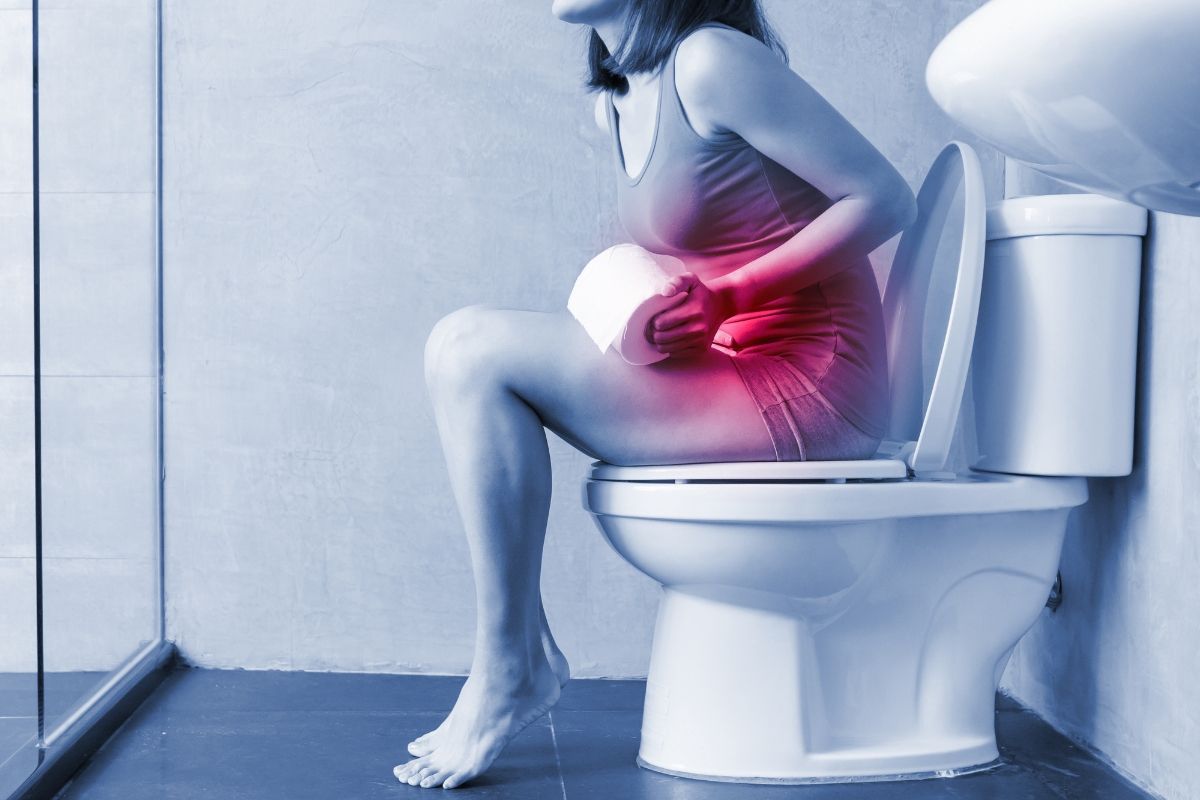
Discover the causes, symptoms, and effective ways to treat constipation. Learn how home remedies, as well as changes in diet and habits, can help overcome the problem.
Table of Contents
- What is constipation and how to recognize it?
- The most common causes of constipation – diet, lifestyle, and diseases
- Symptoms associated with constipation – what to watch out for?
- Effective treatment of constipation – medications, diet, and lifestyle changes
- The best home remedies for constipation
- How to prevent constipation – practical tips and prevention
What is constipation and how to recognize it?
Constipation, also known as obstipation, is one of the most common disorders of the digestive tract, characterized by difficult, infrequent, or insufficient bowel movements. According to medical definitions, constipation is diagnosed when the frequency of bowel movements drops below three times per week, and the act itself becomes problematic, painful, or requires excessive effort. For many, constipation is a recurring issue, but in some cases, it can be chronic, lasting for many weeks or even months. Contrary to appearances, it is not only a matter of discomfort – long-term difficulties with defecation can lead to deteriorated overall health, the development of hemorrhoids, anal fissures, or secondary infections. Constipation can affect people of all ages, though it is particularly common among pregnant women, the elderly, and children. Their diagnosis is complicated by individual differences – for one person, daily bowel movements are normal, while another may function well with bowel movements every two or three days. The key is to observe your body and react quickly to changes that deviate from your individual norm.
Diagnosing constipation primarily involves evaluating the frequency of bowel movements and accompanying symptoms. Besides infrequent passing of stool, typical symptoms are a sensation of incomplete evacuation, hard or lumpy stool, the need to strain during defecation, or pain and discomfort in the lower abdomen. Constipation is often accompanied by bloating or abdominal distension and excessive gas. In some cases, mild nausea or loss of appetite may also occur. A characteristic warning signal is a change in stool consistency – hard, dry stool, and its quantity is much smaller than usual. Sometimes, stools are passed with difficulty and pain, and there remains a feeling of incomplete evacuation after visiting the toilet. These symptoms indicate impaired bowel function, which may be temporary (e.g., after a dietary change, stress, travel, or due to certain medications) or chronic, requiring further medical diagnostics. Remember that toilet habits and bowel movement frequency are individual – the natural rhythm of the person is considered normal if not accompanied by subjective symptoms like pain, bloating, or a sensation of incomplete evacuation. In cases of persistent symptoms, especially alarming signs like weight loss, blood in the stool, or sudden changes in bowel rhythm, it is essential to consult a doctor to exclude more serious gastrointestinal conditions.
The most common causes of constipation – diet, lifestyle, and diseases
Constipation is a condition that can occur for various reasons, but one of the most important roles is played by daily diet. An insufficient amount of dietary fiber in meals — too rarely eating vegetables, fruits, whole grain cereals, or legumes — leads to slowed intestinal peristalsis and hinders the formation of soft stool. Additionally, consuming large amounts of fatty, highly processed foods, sweets, and fast food also negatively affects the digestive tract. Along with diet, proper hydration is equally important. Drinking only small amounts of water every day leads to the thickening of fecal matter and slows its progress through the intestines. It’s also worth knowing that excessive alcohol and caffeinated drinks intake can contribute to dehydration and worsen constipation. Some weight-loss diets, especially restrictive ones and those very low in calories, also slow down metabolism and contribute to constipation.
The second crucial factor influencing regularity of bowel movements is lifestyle. Sedentary lifestyle, lack of physical activity, long-term immobilization, or work that requires sitting for many hours suppresses the natural bowel movements and increases the risk of defecation problems. Suppressing the urge to defecate, for example due to hurry or lack of restroom facilities, also negatively affects bowel habits – this practice disrupts the defecation reflex, making bowel movements increasingly difficult over time. Besides diet and lifestyle, there are many diseases that predispose to constipation. These include, among others, metabolic disorders (such as diabetes, hypothyroidism), neurological diseases (Parkinson’s disease, multiple sclerosis), hormonal disorders, and digestive system diseases such as irritable bowel syndrome or hemorrhoids. Some drugs, especially antidepressants, opioid painkillers, iron preparations, and calcium supplements, also increase the risk of constipation. Constipation often occurs in the elderly, whose metabolism naturally slows and muscle mass supporting bowel peristalsis decreases. In children and infants, constipation may be due to dietary changes, for example, switching from breast milk to formula or introducing solid foods. For both adults and children, psychological factors should not be overlooked – chronic stress, anxiety, and life changes can disrupt the digestive system and lead to difficulties with defecation.
Symptoms associated with constipation – what to watch out for?
Constipation is not only about infrequent defecation – it is often accompanied by a host of other symptoms that may indicate disturbed bowel function or more serious health problems. A characteristic symptom is hard, compact stool, the passage of which requires effort and often causes discomfort or even pain during toilet visits. Many patients also notice that despite passing stool, there is a sensation of incomplete evacuation, which can persist for hours. Chronic constipation is often associated with bloating, excessive gas, and a feeling of heaviness, significantly reducing daily comfort. Changes in bowel routine often lead to irritability, discouragement, and increasing anxiety – these symptoms intensify in stressful situations and with additional digestive problems. Attention should also be paid to additional symptoms such as abdominal pain or cramps, occurring not just during defecation but throughout the day, greatly worsening overall well-being.
In cases of temporary constipation, symptoms are usually limited to difficulty passing stool and a feeling of fullness, but chronic or recurrent obstipation carries a higher risk of complications. Unusual but important warning signs include traces of blood in the stool or on toilet paper, which may indicate fissures in the anal area, hemorrhoids, or more serious pathological changes. Symptoms such as nausea, loss of appetite, and general weakness of the body are also important, appearing in people whose bowel elimination problems are prolonged. Chronic constipation may lead to permanent structural changes, such as anal fissures or rectal prolapse, resulting in chronic pain and increased risk of infection. A frequently neglected symptom is chronic headache, which in some people is a result of prolonged retention of toxins in the body due to ineffective elimination of waste products. In children, signs of constipation may also be clear avoidance of bathroom visits or anxiety associated with defecation. In any age group, sudden changes in bowel routine with significant weight loss, general deterioration, or fever are alarming – these always require prompt medical intervention as they may indicate serious digestive or other chronic illnesses. Everyone should carefully observe and analyze symptoms to begin diagnostics and treatment under medical supervision as soon as possible if necessary.
Effective treatment of constipation – medications, diet, and lifestyle changes
Effective management of constipation relies on a comprehensive approach, combining pharmacological therapy, appropriate diet, and new daily habits. First, it is recommended to implement lifestyle and dietary changes, as poor eating habits and lack of physical activity are the most common causes. A diet rich in dietary fiber (found in whole-grain products, vegetables, fruit, and seeds) forms the foundation of prevention and treatment – fiber increases stool volume, accelerates intestinal peristalsis, and facilitates regular evacuation. It is best to increase fiber intake gradually to avoid excessive bloating and discomfort. Proper hydration is also extremely important – adults should drink at least 1.5–2 liters of fluids daily (preferably water, herbal teas, diluted juices), which ensures softer and easier-to-pass stools. The diet should also be supplemented with fermented dairy products (yogurt, kefir, buttermilk) that have a beneficial effect on the intestinal flora, supporting regular peristalsis. Avoid fatty, fried foods, sweets, white bread, fast food, and alcohol, which promote constipation and greatly slow down the digestive tract. An essential addition to therapy is increased physical activity – walking, aerobic exercise, stretching, or yoga stimulate abdominal muscles and natural peristaltic movements of the digestive system. It is also necessary to develop the habit of regular toilet visits, preferably at the same time every day, and respond to your body’s first signals without suppressing the urge to evacuate.
If changing the diet and lifestyle does not bring the expected results, pharmacotherapy under a doctor’s supervision may be needed. Many medications are available for temporary use: the most common are laxatives with various mechanisms of action. The safest for most adults are bulk-forming agents with fiber (e.g., psyllium, bran), which work gently but require drinking plenty of fluids. Another group includes osmotic agents (e.g., lactulose, macrogols), which bind water in the intestines and soften stools, speeding their passage. Some people also use stool softeners or stimulant laxatives (e.g., glycerin suppositories, bisacodyl, senna), but these should not be used chronically as they can lead to permanent bowel function impairment (so-called lazy bowel). In children and pregnant women, pharmacotherapy choices must be especially careful and always made in consultation with a doctor. Less often, in resistant or chronic cases, prokinetic agents that directly stimulate peristalsis or drugs affecting the gut-brain axis are introduced. It is important to remember that pharmacological treatment should always be combined with dietary changes and physical activity. If constipation is chronic or accompanied by alarm symptoms (e.g., sudden weight loss, bleeding, fever), professional diagnostics and treatment under specialist care are necessary. With the right combination of medications, healthy diet, and activity, constipation can be effectively reduced, comfort improved, and complications of chronic stool retention in the intestines prevented.
The best home remedies for constipation
One of the most important and effective home remedies for constipation is proper modification of the daily diet. The key role is to increase dietary fiber intake, which is abundant in vegetables, fruits (especially dried plums, apricots, apples), whole grain cereals, bran, and legumes. Fiber not only increases stool volume but also stimulates natural bowel peristalsis. For fiber to work properly and not worsen the problem, regular hydration is necessary. Drinking at least 1.5–2 liters of fluids a day, mainly water, herbal teas (e.g., mint, chamomile, or fennel infusions), fruit teas, or light compotes, helps achieve the desired stool consistency and facilitates defecation. Avoiding sugary carbonated drinks and limiting coffee and alcohol supports the therapeutic effect. It is worth choosing fermented dairy products like kefir, natural yogurt, or buttermilk, which support the gut flora and can accelerate intestinal transit. A proven home solution is using natural plant oils, e.g., a tablespoon of olive oil consumed on an empty stomach, which has a mild laxative effect and helps soften the stool. A popular practice is also drinking a glass of warm water upon waking, which stimulates the digestive system. Regular consumption of flaxseed may help – just pour hot water over a tablespoon of seeds, wait until it swells, then drink the gel-like mixture, which has a protective and stimulating effect on peristalsis.
In addition to proper diet and hydration, home remedies for constipation include daily physical activity and healthy bathroom habits. Regular movement such as brisk walking, cycling, swimming, or gymnastics improves blood flow in the abdominal area and stimulates bowel activity, making bowel movements easier. Just 20–30 minutes of moderate activity daily may bring noticeable effects. It is also critical not to postpone defecation – suppressing this urge can gradually weaken bowel function and exacerbate chronic constipation. Setting a regular toilet schedule, ideally in the morning after breakfast when the gut is most active, is recommended. Gentle clockwise abdominal massage can also stimulate the digestive system mechanically. Relaxing baths and relaxation techniques – relaxation techniques – are important, as stress has a significant impact on bowel function. Safe supportive methods include herbal infusions with mild laxative or antispasmodic action (e.g., senna, rhubarb, dandelion root, psyllium), but herbal products should be used moderately and not for prolonged periods and, for seniors or children, only after consulting a physician. Every body reacts slightly differently, so it is worth observing yourself and gradually introducing new home measures tailored to your needs to prevent recurring constipation and improve daily comfort.
How to prevent constipation – practical tips and prevention
Effective prevention of constipation is based primarily on daily, conscious choices regarding diet and lifestyle. Prevention should be grounded in consistent introduction of eating habits that support the smooth functioning of the digestive system. One of the most important elements is regular intake of dietary fiber at the recommended levels (even 25–35 g per day for adults). Natural fiber sources include fresh vegetables (especially carrots, beets, broccoli), fruits (apples with the skin, pears, dried apricots, or prunes), as well as whole meal bread, coarse groats, brown rice, and oats. Fiber increases the volume of fecal matter, aids in its passage through the intestines, and accelerates defecation, which greatly reduces the risk of constipation. It is also important to include fermented dairy products – such as kefir, natural yogurt, or buttermilk – which provide beneficial probiotic bacteria supporting the gut microbiota. Regular fluid intake is equally crucial – daily water and herbal infusion consumption should be at least 1.5–2 liters, with more needed if physically active or in hot weather. Proper hydration prevents the formation of hard-to-pass stools and supports gut peristalsis. To prevent constipation, experts recommend limiting the intake of fatty, heavy, highly processed foods, sweets, and fast food. It is also important to avoid excessive alcohol and caffeinated drinks, which may promote dehydration and hinder regular defecation.
Physical activity and daily routines that support the bowels play a major role in preventing constipation. Regular movement – even moderate walks, yoga, cycling, or swimming – stimulates abdominal muscles and helps bowel peristalsis, so aim for a minimum of 30 minutes of activity each day. Home exercises such as hip rotations, leg raises while lying down, or gentle circular massages of the abdomen can also support digestive function. Regular meal times and mindful bathroom use are essential – do not suppress the urge to defecate or delay toilet visits. Setting a regular morning bowel movement after breakfast, when the intestines are most active, is a good practice. Those susceptible to stress should try relaxation techniques such as breathing exercises, meditation, aromatherapy, or calm bathing, as they reduce nervous tension, which can negatively affect bowel function. Also, pay attention to your body’s signals and keep a food-and-bowel diary – it helps spot mistakes and react effectively to early warning symptoms. Especially children, the elderly, and pregnant women should be under regular observation and consult a doctor if any difficulties arise to implement individual prevention early enough. Thanks to a comprehensive approach and conscious development of health-promoting habits, you can effectively prevent constipation and take care of the health of the whole digestive system.
Summary
Constipation is a common problem that can be effectively combated with the right diet, physical activity, and habit changes. Early recognition of symptoms and implementing home remedies significantly improves quality of life and helps avoid more serious health consequences. In cases of prolonged or recurrent constipation, it’s worth consulting a doctor to exclude chronic diseases. Regular prevention is the key to a healthy digestive system and daily well-being.