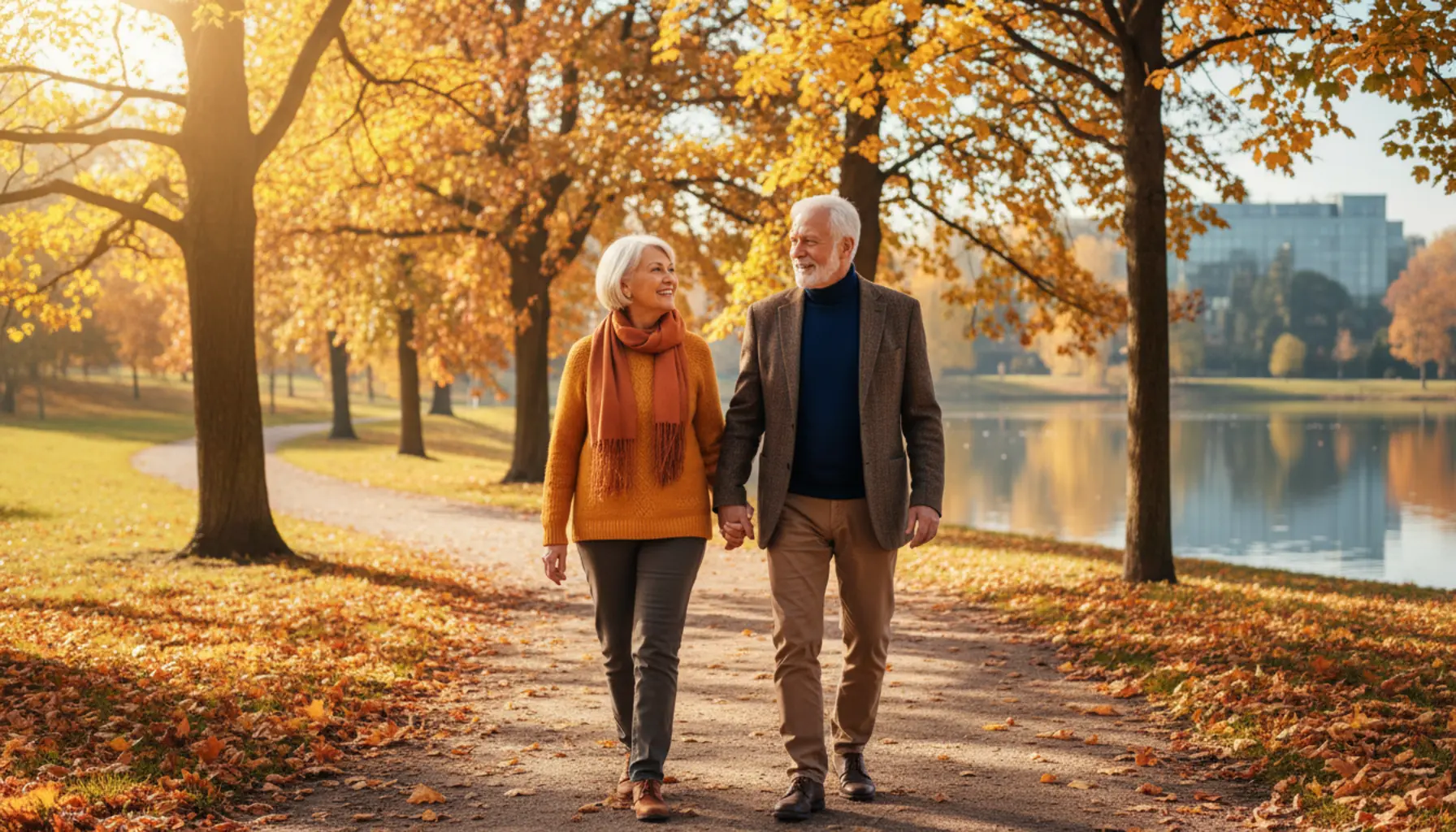
Longevity for seniors is the result of consciously caring for both physical and mental health. Key principles include a balanced diet, daily physical activity, and exercising the mind, all of which make it possible to maintain agility and wellbeing for many years. Healthy habits, prevention, and hydration contribute to a high quality of life in mature age.
Table of Contents
- Healthy Diet for Seniors: Basic Guidelines
- Physical Activity: The Key to Fitness and Health
- The Importance of Mental Health in Older Age
- Resourcefulness in the Prevention of Infectious Diseases
- Hydration and Its Impact on Longevity
- Exercising the Mind: Activities for Mental Health
Healthy Diet for Seniors: Basic Guidelines
A healthy diet in senior age is not about strict prohibitions, but rather wisely composing meals so that the body receives all the necessary nutrients while limiting empty calories—that is, those devoid of health-promoting value. As we age, metabolism slows down and physical activity decreases, so energy requirements may be lower, while the need for vitamins, minerals, high-quality protein, or fiber remains high. The key is to eat regularly—ideally 4–5 smaller meals a day at regular times, which helps stabilize blood glucose levels, prevents hunger attacks, and supports maintaining a healthy body weight. Every meal should contain a source of protein (e.g., lean dairy products, eggs, fish, poultry, legumes), a portion of vegetables or fruit, and a small amount of healthy plant-based fats. Protein is particularly important for seniors as it helps preserve muscle mass, strength, and agility, directly reducing the risk of falls, improving balance, and enhancing independence in daily life. A good habit is to include protein in every meal—for example, natural yogurt or kefir for breakfast, soft-boiled eggs or cottage cheese with whole-grain bread, lentils or chickpeas for lunch, and a light salad with chicken or baked fish for dinner. At the same time, it is important to ensure an adequate supply of calcium and vitamin D, which support bone health and reduce the risk of osteoporosis; their sources include fermented dairy products, eggs, fatty sea fish (such as salmon, mackerel, herring), and, if recommended by a doctor, supplements taken under medical supervision.
An essential element of a senior’s diet should be a variety of vegetables and fruits—at least five servings a day, which in practice means vegetables with every main meal and fruit as one of the snacks. These provide fiber, vitamins (especially C, A, and B-group), and minerals such as potassium, magnesium, and antioxidants that protect cells from oxidative stress and slow aging. Choose vegetables of various colors—leafy greens (spinach, kale, lettuce), orange (carrots, pumpkin), red (pepper, tomatoes, beets)—to increase diversity of nutrients. It is also important to replace white bread, pasta, and rice with whole-grain equivalents, which stabilize blood sugar, aid digestion, and help prevent constipation, a common issue in older age. Seniors should also consciously limit salt and sugar intake. Too much sodium increases hypertension and burdens the heart; instead of salt, use herbs (marjoram, thyme, basil, dill, garlic) to enhance the taste without harming the cardiovascular system. Simple sugars found in sweets, sugary drinks, and sweetened yogurts increase the risk of type 2 diabetes, abdominal obesity, and inflammation, so treats should be occasional, with daily sweetness coming from fruit or a small amount of honey added to oatmeal or tea. Proper fluid intake is also crucial—as we age, thirst weakens, increasing the risk of dehydration, impaired concentration, and fatigue, and even raises the risk of falls. A good goal is to drink about 1.5–2 liters of fluids a day, mainly water, herbal infusions, weak tea, or diluted juices, while the amount and type should always be adjusted to doctor’s recommendations, especially with kidney or heart conditions. Remember simple, practical habits to help implement a healthy diet daily: planning menus for several days, shopping with a list, cooking larger portions for freezing, using quality semi-finished products (e.g., frozen vegetables without sauces), and sharing meals with family or friends, which reduces “mindless snacking” out of loneliness and improves mental wellbeing. Regular consultations with a nutritionist or doctor help tailor the diet to chronic illnesses, medications, and financial or culinary capabilities, ensuring nutrition is both healthy and realistic for the long term.
Physical Activity: The Key to Fitness and Health
Physical activity in senior age is one of the most effective “medicines” for longevity, independence, and a good quality of life. Movement helps maintain muscle, joint, and heart health, improves balance, lowers fall risk, and supports the brain and mental wellbeing. Importantly, it’s not about exhausting workouts—what matters is regularity and adjusting effort to individual abilities. Even a short walk several times a day can bring noticeable benefits: lowering blood pressure, regulating glucose, aiding digestion, and supporting weight control. Regular movement also improves bone density, reducing osteoporosis and fractures, and combined with a diet rich in calcium and vitamin D, creates a strong shield against the consequences of aging. Physical activity for seniors also has a significant impact on mental health—reducing symptoms of depression and anxiety, improving sleep quality, increasing a sense of agency, and boosting self-esteem. Seniors who move regularly experience less chronic fatigue, are more sociable, and are more likely to engage in family or social life. Regarding longevity, the crucial thing is to limit long periods of inactivity (e.g., hours in front of the TV) and replace them with moderate, frequent activity. Even small changes—walking to the store instead of driving, taking the stairs instead of the elevator, morning stretches, doing a few stretches while cooking or getting up from an armchair a few times—add up, benefiting heart, joint, and nervous system health. Experts recommend at least 150 minutes of moderate activity weekly (e.g., brisk walking), but for many seniors, even 5–10 minutes a day is a good start, gradually increasing as fitness improves. It’s essential to consult a doctor before starting exercises, especially with chronic illnesses, cardiac problems, advanced osteoporosis, or after injuries.
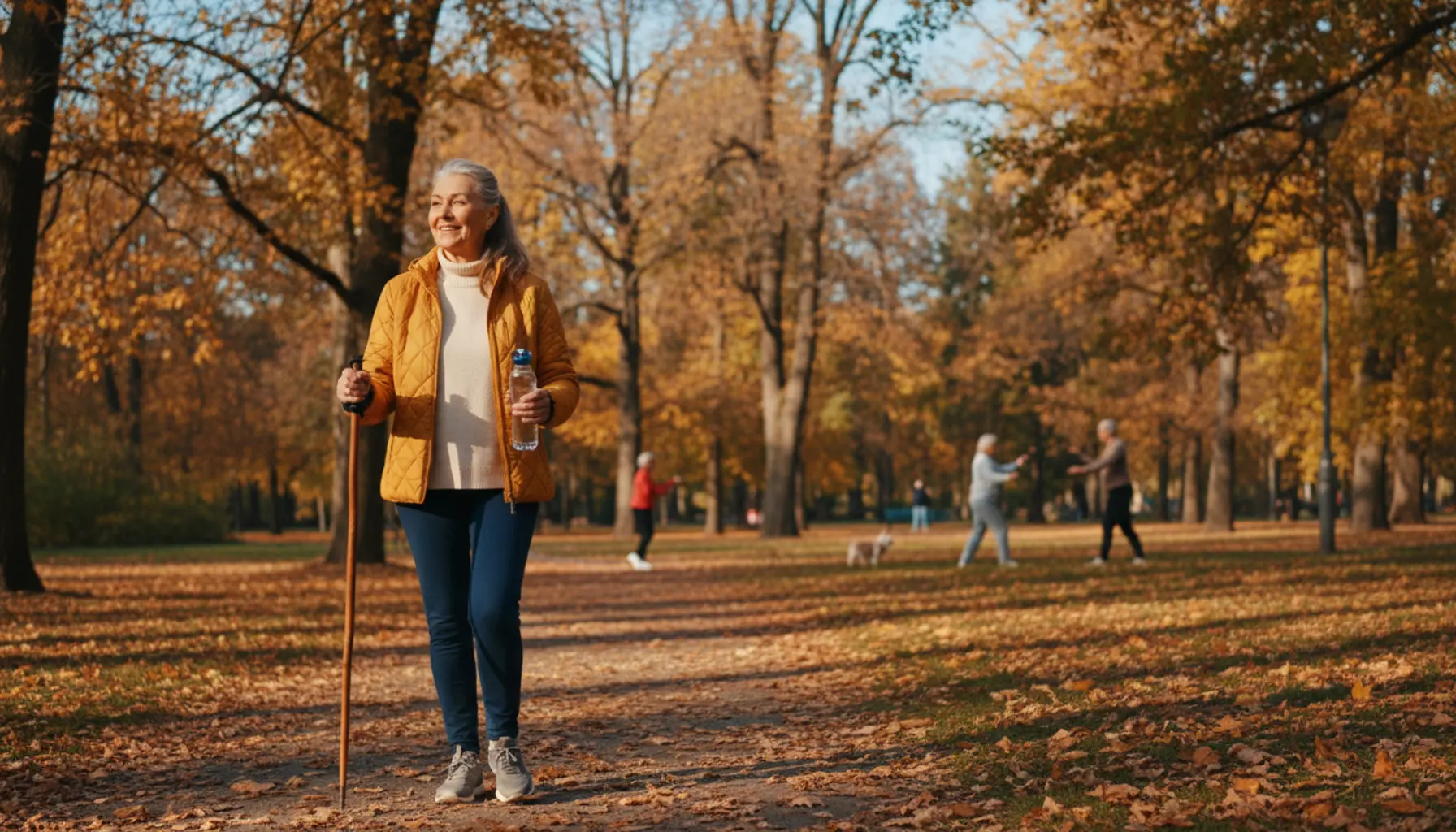
The type of activity should be closely matched to health status, abilities, and preferences, so movement is associated with pleasure, not compulsion. For most older people, the foundation will be regular walking—park strolls, Nordic walking, walks with a dog, or just moving about the house and stairs. Such activities strengthen the heart, improve circulation, oxygenate the brain, and are relatively safe for joints. Strength exercises are also valuable—even simple movements using body weight, such as squats with chair support, lifting arms with light water bottles, thigh muscle tensing while sitting, or repeatedly standing and sitting from an armchair. Regular strength training, even mild forms, helps maintain muscle mass and grip strength, closely linked to independence in daily tasks (dressing, getting up, carrying groceries). Don’t overlook exercises for balance and coordination, especially important for fall prevention—balancing on one leg with chair support, gently shifting weight from one leg to the other, walking in a straight line (heel-to-toe), or simple step sequences set to music. Those who prefer group classes can try water aerobics, dance classes, gentle yoga, tai chi, or activities at seniors’ clubs—social presence motivates, and social contact further enhances movement’s impact on mental health. Always start with a warm-up (arm circles, easy marching in place, gentle bends) and finish with stretching and a calm breathing period. Seniors should avoid sudden movements, jumps, lifting heavy weights unsupervised, and strenuous workouts in hot weather. Listen to your body—sudden chest pain, strong shortness of breath, dizziness, sudden weakness, or joint pain require stopping and consulting a doctor. Integrate exercise into a daily routine, choosing the time when feeling most rested and energetic, and prepare comfortable clothing, footwear with anti-slip soles, and a safe exercise space (clear of rugs, cables, or tripping hazards). With this approach, physical activity naturally becomes part of the lifestyle genuinely supporting longevity and daily fitness.
The Importance of Mental Health in Older Age
Mental health in older age is just as important as a healthy heart, strong muscles, or a proper diet, yet is often neglected or confused with “natural” effects of aging. In reality, many psychological ailments, such as a low mood, insomnia, chronic anxiety, or social withdrawal, are not inevitable—and can be prevented or effectively treated. Good mental wellbeing is not just the absence of illness, but a sense of meaning, agency, belonging, and hope. A senior who feels needed, maintains contact with others, and has daily small goals, copes better with chronic illness, is more active, eats better, and is more motivated to follow medical advice. Studies show that older people with good mental health are less likely to be hospitalized, recover faster from injuries, and have a lower risk of premature death. Conversely, depression, anxiety, chronic stress, and loneliness raise blood pressure, impair immunity, worsen pain, memory, and accelerate diseases like atherosclerosis or diabetes. It is vital for seniors and their loved ones/caregivers to notice warning signs: clear loss of interest, giving up favorite activities, neglecting hygiene, sleeping problems, growing worries about the future, tearfulness, or irritability. Contrary to common beliefs, depression is not “normal in old age” and shouldn’t be dismissed. Seek professional help—a family doctor, psychiatrist, psychologist, or psychotherapist—and use support groups, senior clubs, or community centers, where seniors can talk with peers without pressure. Acceptance of natural age-related changes—loss of fitness, death of loved ones, moving, retirement—is also crucial. For many, finishing a professional career equals a loss of identity and structure, feeding a sense of emptiness. It helps to find new meaning daily—through volunteering, reviving old hobbies, caring for grandchildren, joining senior universities, or simply planning regular meetings with friends. Also essential is daily “mental hygiene”: limiting overwhelming news (especially politics or crises), planning small pleasures like a walk in a favorite spot, coffee with friends, or music listening, and expressing feelings instead of suppressing them. Seniors often grew up believing emotions shouldn’t be discussed, which may make it hard to ask for help. Practice simple communication like “I feel lonely,” “I worry about my health,” “I need you to sometimes talk to me”—with both family and medical staff. Sleep is key—lack of it leads to irritability, concentration, and memory issues, with chronic insomnia increasing the risk of depression and dementia. Keeping regular bedtime, airing the bedroom, limiting daytime naps, and winding down (reading, quiet music, breathing exercises) are simple but effective for better sleep and thus better mental health.
Many concrete strategies support seniors’ mental health and therefore longevity. One of the most important is maintaining social relationships—regular contact with family, friends, neighbors, or peers in a senior club. Even brief but frequent conversations, joint walks, card games, dance lessons, or library meetups reduce loneliness and provide natural emotional support. Intergenerational contact helps: talking to grandchildren, learning to use a phone or computer, cooking or looking through photos together. This not only improves mood, but also stimulates the brain—requiring memory, focus, and attention training. Mental activity is vital: crosswords, sudoku, language learning, reading books, listening to podcasts, engaging in discussions, learning new technologies. The brain, like muscles, likes to be used—when exposed to variety, it creates new connections, potentially delaying cognitive decline. Physical activity is equally important—besides obvious heart and muscle benefits, it has a strong mental impact—releasing endorphins, serotonin, dopamine (the “happiness hormones”), lowering stress, aiding sleep. Even light exercise, slow dance, or daily walks can reduce anxiety and depression symptoms. Stress-reduction techniques are gaining attention: simple breathing exercises, mindfulness, muscle relaxation, prayer or spiritual practice (according to one’s beliefs). They provide inner peace, control over wellbeing, and help cope with pain or worry about the future. Spiritual support—religious or not—can be a major pillar of mental wellbeing, giving meaning and hope. Remember: mental health is closely linked to physical health—untreated pain, uncontrolled diabetes, thyroid diseases, vitamin deficiencies (especially D and B group), or even dehydration can manifest as low mood, confusion, or irritability. That’s why regular check-ups, taking medications as prescribed, and seeing a doctor with any sudden behavioral or mood changes are key. Pay special attention to signs of developing dementia—memory issues, trouble with familiar tasks, disorientation. Early diagnosis and therapy can help retain independence and quality of life longer. Don’t fear modern forms of support—psychological teleconsultations, online appointments, memory-trainer apps—which, with family help, can be used safely from home. In this way, mental health becomes something to actively care for daily, like diet or movement—not just something to address when severe problems arise.
Resourcefulness in the Prevention of Infectious Diseases
Preventing infectious diseases in seniors is not only about vaccinations and doctor visits, but above all daily resourcefulness, translated into practical habits. As we age, the immune system naturally weakens, making infections—such as flu, pneumonia, urinary tract infections or COVID-19—potentially more severe and leading to serious complications. That’s why it’s crucial for seniors and their loved ones to consciously build a “protective shield” from several elements: hygiene, vaccination, quick reaction to symptoms, and wisely organizing everyday life. A key part of resourcefulness is knowing your chronic illnesses and medications, which may affect immunity, and having regular check-ups to discuss current seasonal risks and necessary preventive actions with your GP. A senior who understands the reasons for higher infection risk (e.g., diabetes, COPD, heart failure) will more easily accept the need for vaccines and caution. In daily life, hand hygiene is crucial—thoroughly washing hands with soap and water for at least 20 seconds before eating, after being outside, after using the toilet, and after contact with a sick person considerably limits infection risk. If water isn’t available, carry hand sanitizer—though it should not fully replace washing. Avoid touching your face, especially eyes, nose, mouth; always cover mouth and nose when coughing or sneezing (ideally into the elbow or a disposable tissue, immediately discarded). Prevention also starts at home—airing out rooms, tidying up, frequently wiping handles, light switches, remotes, and phones reduce microbes in the environment. Pay attention to kitchen hygiene: wash fruits and vegetables thoroughly, store food properly in the fridge, monitor expiry dates, and avoid raw/unpasteurized products, especially if immunity is low. Seniors using nurses’, caregivers’ or therapists’ services should feel comfortable reminding caregivers about hand hygiene and equipment cleanliness (like blood pressure cuffs or glucose meters). This is vital—being brave about asking questions and ensuring safety standards is as important as handwashing. Plan clinic visits to avoid peak crowds; during sickness surges, consider telemedicine if a physical exam isn’t needed.
The second pillar of resourcefulness is vaccinations and alertness to the first signs of infection. Vaccinations recommended for seniors include those against influenza, pneumococcus, pertussis, shingles, and—according to current recommendations—COVID-19; all should be individually discussed with a doctor. A responsible senior doesn’t wait to be reminded—ask about it during visits, keep record of immunizations in a convenient place. Treat vaccines like a regular checkup for your body, comparable to car maintenance—they help prevent serious “breakdowns” such as severe infections, hospitalization, or complications. Resourcefulness also means not dismissing seemingly minor symptoms: persistent cough, fever, painful urination, sudden weakness, confusion, loss of appetite—these are frequent early signals of infection in the elderly. Instead of “waiting it out,” call the doctor or ask family for help arranging a consultation; prompt treatment may prevent severe complications. If you take immunosuppressant medications (e.g., steroids, chemotherapy) or have implanted valves, catheters, or medical devices, strictly follow antibiotic prophylaxis and hygiene guidelines for these devices—neglecting this can lead to dangerous hospital infections. In social life, resourcefulness means wisely reducing risk: avoiding big gatherings during infection peaks, asking sniffling grandkids to visit another time, or setting house rules that all visitors wash hands first. It’s not about lack of hospitality, but caring for health. Simultaneously, don’t isolate yourself from the world—just make wise choices, like outdoor walks instead of staying long in stuffy rooms. Being well-organized helps—having a thermometer, basic antipyretic meds as prescribed, masks, gloves (if needed), and disinfectants at home. Know where everything is, keep up-to-date medical contacts, and (with family help if needed) use telemedicine or patient apps for extra security and real control of your health. Resourcefulness in infectious disease prevention supports longevity by reducing illness frequency, shortening duration, and limiting the risk of severe health consequences.
Hydration and Its Impact on Longevity
As we age, the senior body becomes much more sensitive to even minor fluid shortages, making proper hydration one of the simplest yet most effective means of supporting longevity. With age, thirst decreases, and the kidneys concentrate urine less efficiently, meaning the body needs water but may not send clear signals to drink. Dehydration in seniors can develop insidiously: initially causing fatigue, headaches, poorer concentration, sleepiness or irritability, and then leading to balance issues, fainting, drops in blood pressure, even hospitalization. Even moderate, chronic dehydration increases risk of urinary tract infections, constipation, worsening kidney function, aggravating heart disease or diabetes, and quickens skin and mucous membrane aging. Studies show proper hydration supports brain function, reduces cognitive impairment risks, helps regulate body temperature in heat, improves drug effectiveness, and toxin metabolism, all of which translate into better life quality and potentially longer, healthier functioning in old age. In practice, most seniors should aim for 1.5–2 liters of fluids daily, unless a doctor says otherwise (e.g., for heart failure, kidney/liver disease requiring exact fluid balance). Note these include not only plain water but also soups, herbal teas, diluted juices, watery fruits and vegetables—cucumber, tomato, watermelon, orange. The key is to integrate drinking into daily routines, not just rely on thirst: place glasses of water around the home, drink small amounts at every meal and snack, and connect hydration to daily tasks—taking medications, watching the news, going for a walk. For those with dementia or memory problems, reminder notes, marked pitchers, or bottles with hourly marks help indicate how much water should already be consumed at a given time of day.
For longevity, not just the amount but also the quality and distribution of fluids throughout the day are important. The basis should be still water, preferably low- or medium-mineralized, which doesn’t overly burden the kidneys and circulatory system; people with hypertension should check sodium content and opt for waters with lower sodium. Good additions are unsweetened herbal infusions and fruit teas (e.g., lemon balm, chamomile, mint, hibiscus), which are mildly diuretic and aid digestion—important if constipation is frequent. Too much coffee, strong black tea, or sugary sodas can promote dehydration and pressure fluctuations, as well as spike blood sugar, so it’s best to reduce these gradually and choose alternatives—grain coffee, green tea, or rooibos. Alcohol, even a single glass of wine, disrupts water-electrolyte balance, is diuretic, and strains the liver, so in senior years it’s safest to greatly reduce or avoid alcohol altogether, especially when on medication. Take fluids in small portions throughout the day, avoiding large amounts at night, which could increase nighttime bathroom trips and disturb sleep. In heat, fever, diarrhea, vomiting, or increased physical activity, water requirements rise—drink more frequently and consider isotonic drinks for seniors or homemade electrolyte solutions (water with a pinch of salt and lemon juice), after consulting a doctor. A good practice is monitoring urine color—it should be light straw; dark, intense color signals more fluids are needed. Note that some seniors, worried about incontinence or trouble reaching the toilet, intentionally limit drinking, which paradoxically worsens urological issues and infection risk—family support, a well-designed bathroom, absorbent hygiene aids, and consulting a doctor or urogynaecological physiotherapist are key. Conscious hydration, tailored to health status, medications, and environment, is foundational in chronic disease prevention: supporting the heart, kidneys, digestive system, brain, and skin, and thus providing energy for physical and social activity—core elements of healthy, long aging.
Exercising the Mind: Activities for Mental Health
Exercising the mind in older age is just as important as taking care of physical fitness—the brain also needs regular “training” to maintain clarity, good memory, and concentration. Studies show that those who stay mentally active have a lower risk of dementia, longer preserve their independence, and manage daily tasks better. The key, however, is not doing a single type of task, but creating a varied “diet” for the brain, combining intellectual challenges, creativity, social contact, and physical activity. Seniors particularly benefit from activities engaging several areas at once—e.g., classes that require remembering, conversing, and simple manual tasks. Crosswords, sudoku, and logic puzzles are popular brain training forms, but it’s most effective to regularly introduce new stimuli and tasks of gradually increasing difficulty. Start with easier tasks and, every few weeks, move to more challenging variants—harder crosswords, new types of word or math games, brain-training apps on tablet or phone offering short, varied exercises in memory, attention, and reaction speed. Don’t just stick to one type—the brain is bored by repetition, so mix language, number, and logic tasks, and occasionally try new amusements—riddles, association games, or strategy board games.
Learning new things, even in very advanced age, is invaluable in exercising the mind. The senior’s brain can still create new connections—it just needs the right stimuli. Choose subjects that match your interests and abilities: one of the simplest is reading books, articles, magazines, or listening to audiobooks, then telling others what you’ve read—this involves memory, focus, and expression. Language learning is great training—even if not aiming for fluency, just memorizing new words and using simple sentences significantly stimulates the brain. Increasingly, cultural centers, senior universities, and libraries run language, computer, photography, or handicraft courses for seniors—these have double benefits: social contact and mental exercise, both protecting against loneliness and depression. Try creative activities—drawing, painting, flower arranging, crocheting, handcraft hobby work, making greeting cards, writing diaries or short stories. These help express emotions, organize memories, and train imagination. An extra benefit is hand involvement, thus enhancing manual skill and hand–eye coordination. Everyday actions are also important: calculating expenses without a calculator, memorizing shopping lists instead of always writing them down, learning new walking routes or transport schedules. A good habit is daily “memory gymnastics”—mentally listing grandchildren’s names, garden flower names or country capitals, recalling the day’s events in reverse, or reconstructing from memory a recipe made in youth. Social activity matters too: conversations, board games, singing in a choir, joining senior or hobby clubs (film, reading, chess) strongly stimulate the brain as they require reacting to others, remembering information, interpreting emotions, and making quick decisions. Finally, combine mental exercises with movement—walks in new places, Nordic walking on various routes, dancing, or simple routines that require remembering instructions—they simultaneously boost circulation, oxygenate and support cognitive function. All these actions should match one’s health, not cause frustration, and bring at least some pleasure, since positive emotions support learning and creating new neural connections.
Summary
Longevity is the result of following several key rules of life. A healthy diet rich in vitamins and nutrients helps maintain energy, while regular physical activity supports movement and overall fitness. Equally important is care for seniors’ mental health, which can be improved through various mental exercises, such as crosswords or sudoku. Preventive measures against infectious diseases, hydration, and maintaining healthy habits are also crucial for elderly people. All these elements together contribute to a healthy and active old age, ultimately resulting in a better quality of life.