

Cholesterol – how to effectively lower it? Discover foods, diet, home remedies, LDL and HDL standards, and proven advice for a healthy heart.
Table of Contents
- Cholesterol: good and bad, standards, and health risks
- High LDL Cholesterol – causes and effects on the body
- How to detect high cholesterol? Symptoms and control tests
- Effective diet for lowering cholesterol – what to eat and what to avoid
- Natural ways and products supporting LDL reduction
- Pharmacotherapy and supplementation – when are they necessary?
Cholesterol: good and bad, standards, and health risks
Cholesterol is a fatty substance essential for the proper functioning of the body. It builds cell membranes, participates in the production of hormones, vitamin D, and bile acids. However, an excess of cholesterol can be dangerous and is associated with serious health consequences. Two cholesterol fractions are particularly important: LDL, known as the “bad” cholesterol, and HDL, often referred to as the “good” cholesterol. LDL cholesterol (low-density lipoproteins) is responsible for transporting cholesterol from the liver to the cells. When there is too much in the blood, it deposits on arterial walls, leading to narrowing and hardening—a process known as atherosclerosis. On the other hand, HDL cholesterol (high-density lipoproteins) is responsible for transporting excess cholesterol from tissues and blood vessels back to the liver for neutralization. In doing so, HDL protects blood vessels from dangerous atherosclerotic changes. The balance between LDL and HDL is therefore crucial for heart and overall circulatory health.
Proper cholesterol concentration in the body is a key factor in the prevention of cardiovascular diseases. The optimal total cholesterol level is considered to be below 190 mg/dl, with the LDL fraction not exceeding 115 mg/dl in healthy adults, and even lower—below 100 mg/dl—recommended for individuals with additional risk factors, such as diabetes, hypertension, obesity, or smoking. HDL should remain above 40 mg/dl in men and above 46 mg/dl in women; higher HDL values are beneficial for cardiovascular health. Excessively high LDL levels and abnormal proportions between LDL and HDL increase the risk of serious conditions such as heart attack, stroke, coronary artery disease, or chronic vascular insufficiency. Accumulation of LDL cholesterol in the vessel walls triggers inflammatory reactions and the formation of atherosclerotic plaques that can block arteries and disturb blood flow. This increases the risk of ischemia of the heart or brain, being the main cause of premature deaths in developed countries. High cholesterol often goes unnoticed—complications can be the first sign, which is why regular checkups and lipid panel monitoring are so important. It is also essential to consider additional factors favoring elevated “bad” cholesterol: an unhealthy diet rich in saturated and trans fats, lack of physical activity, chronic stress, or genetic predisposition. Some of these factors can be controlled, so lifestyle change, proper diet, and prevention are key to maintaining proper cholesterol levels and safeguarding heart health. Proper management not only lowers the risk of cardiovascular diseases but also improves overall wellbeing and quality of life.
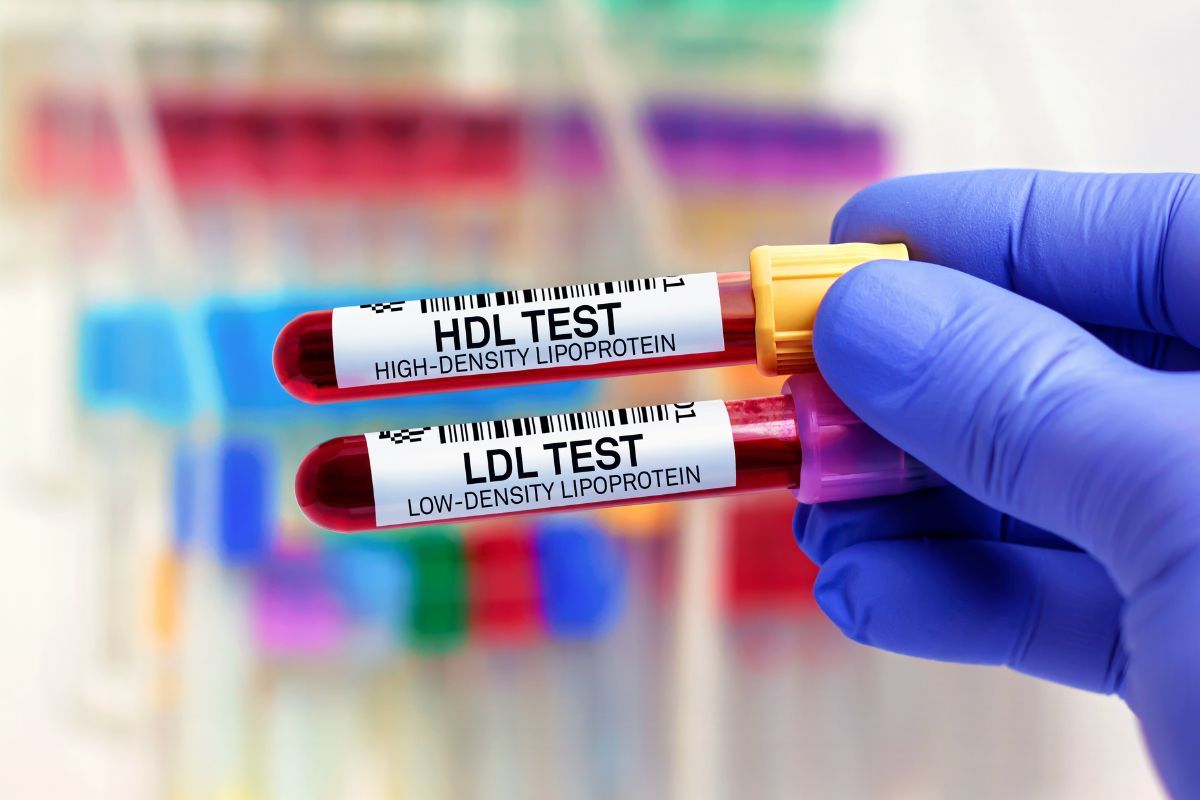
High LDL Cholesterol – causes and effects on the body
A high level of LDL cholesterol, commonly known as “bad” cholesterol, is one of the main risk factors for atherosclerosis and serious cardiovascular complications. The causes of elevated LDL cholesterol are complex and often result from a combination of environmental and genetic factors. The most important aspect is an incorrect diet rich in saturated and trans fats. Foods like fatty meats, sausages, yellow cheese, butter, lard, or ready-made fast food dishes contain significant amounts of these fats, which stimulate the liver to produce more LDL. Besides diet, lack of physical activity also plays a crucial role. A sedentary lifestyle lowers the body’s energy demand, facilitating cholesterol accumulation in the blood and plaque formation. Overweight and obesity, especially abdominal type, are linked with increased LDL production, lipid disorders, and insulin resistance. Genetics are also an important, often underestimated, factor—a family history of hypercholesterolemia or other cardiovascular diseases should prompt regular checkups. High LDL cholesterol can also result from chronic illnesses such as hypothyroidism, type 2 diabetes, nephrotic syndrome, or chronic kidney disease. Lifestyle factors, including stress, smoking, and excessive alcohol intake, also affect fat metabolism and the body’s ability to regulate cholesterol levels effectively.
The effects of persistently elevated LDL cholesterol are serious and primarily affect the cardiovascular system. Excess LDL deposits in the form of plaques on arterial walls, causing narrowing and stiffening of blood vessels. This process, called atherosclerosis, hinders or even blocks blood flow to key organs, such as the heart, brain, or kidneys. Coronary artery atherosclerosis manifests as chest pain (angina pectoris) and significantly increases the risk of a heart attack. When an atherosclerotic plaque ruptures, it can cause immediate vessel blockage by a clot, leading to an acute heart attack or stroke. A high LDL level greatly raises the risk of ischemic heart disease, stroke, peripheral artery disease, as well as heart failure and other complications. Atherosclerotic changes develop slowly and are initially asymptomatic, so many people discover the problem only at the stage of complications, when life-threatening events occur. Additionally, high LDL may have a negative impact on other organs and systems, promoting hypertension and impaired blood flow in the legs, manifested by pain, weakness, and problems with wound healing. Long-term uncontrolled “bad” cholesterol also affects liver function and metabolic processes, increasing the overall risk of developing chronic lifestyle diseases. Recent studies show that increased LDL cholesterol also lowers “good” HDL, which exacerbates negative health effects. It’s important to remember that early detection and proper intervention, mainly through lifestyle and dietary changes, are crucial for stopping dangerous developments and maintaining a healthy cardiovascular system.
How to detect high cholesterol? Symptoms and control tests
High cholesterol, especially increased LDL, often develops asymptomatically for a long time, which is why it is often called the “silent killer.” The body sends no unambiguous warning signals that would help detect high cholesterol in the early stages. Practically, this means that most people with high cholesterol experience no symptoms until complications arise, such as ischemic heart disease or a stroke. That’s why regular preventive checkups and health monitoring are key in diagnosing hyperlipidemia. Attention should be paid to certain indirect symptoms that may indicate parallel lipid disorders—these include fatigue, leg pain while walking (which may indicate peripheral arterial disease), recurrent chest pain, shortness of breath on exertion, or the presence of xanthomas—yellowish lumps on eyelids or elsewhere on the skin. These symptoms, although non-specific, may occur particularly in those with metabolic disorders or long-standing high cholesterol; nevertheless, they should not be treated as a primary diagnostic method. In reality, the greatest risk lies in progressing atherosclerosis, which remains invisible for many years, gradually narrowing arteries and causing clots. Such changes can lead to complications like heart attack, stroke, or chronic circulatory insufficiency only after many years. In some cases of elevated cholesterol—especially with genetically determined lipid disorders—tendon xanthomas (small thickenings near the Achilles tendons or hands), as well as a gray-white ring around the cornea (arcus corneae), may appear, but these are already advanced signs of chronic hypercholesterolemia.
The main and most effective method for detecting high cholesterol remains laboratory blood tests, specifically a lipid panel, which measures total cholesterol, LDL, HDL, and triglycerides. It is recommended to perform the first lipid panel after turning 20, and then repeat the test regularly every few years—more frequently if risk factors such as obesity, diabetes, hypertension, smoking, or a family history of heart disease are present. The test involves taking a fasting blood sample (preferably 8–12 hours after the last meal), enabling an accurate assessment of your lipid profile. The results should be interpreted according to current standards: total cholesterol below 190 mg/dl, LDL below 115 mg/dl (for healthy individuals), or as recommended by your doctor if there are accompanying illnesses. Regular screenings are crucial for early detection of hypercholesterolemia, before any symptoms or cardiovascular complications appear. Additionally, it’s recommended to regularly check blood pressure, glucose level, and monitor body weight—these, together with the lipid panel, provide a full picture of cardiovascular risk and allow for appropriate preventive measures. For people with diagnosed high cholesterol or a positive family history, specialist consultations (with a cardiologist or internist) are also advised; these may include extended diagnostics such as genetic tests (if familial hypercholesterolemia is suspected), imaging studies (Doppler ultrasound, ECG, echocardiogram), or additional lab parameters indicating inflammation and liver function. The earlier the problem is identified, the greater the chance for effective lifestyle modification, implementation of the right diet, and possible pharmacological treatment, which reduces atherosclerosis progression and lowers the risk of serious complications like heart attack or stroke.
Effective diet for lowering cholesterol – what to eat, and what to avoid
A cholesterol-lowering diet should be based on healthy eating principles, tailored to current cardiological and nutritional guidelines. The key role lies in carefully selected products and the elimination of ingredients that promote increased LDL levels. Among recommended products are primarily fresh vegetables and fruits that provide soluble fiber—it is fiber that binds cholesterol in the digestive tract and aids its elimination from the body. Particularly recommended are legumes (lentils, beans, peas), apples, pears, citrus fruits, carrots, broccoli, and oats. Eating whole-grain products regularly, such as brown rice, buckwheat groats, wholemeal bread, and oat bran, positively influences lipid management, lowering bad cholesterol in the blood. The diet should also include healthy unsaturated fats, found in nuts (especially walnuts and almonds), pumpkin and sunflower seeds, avocado, extra-virgin olive oil, and cold-pressed rapeseed oil. Fatty sea fish such as salmon, mackerel, sardines, or herring should appear in the diet at least twice a week, since they are a valuable source of omega-3 fatty acids, which have anti-inflammatory properties, lower triglycerides, and reduce the risk of clot formation. Highly valued are also chia seeds and flaxseed, containing alpha-linolenic acids (ALA), proven to support LDL cholesterol reduction and raise HDL. Cholesterol-lowering diets should also include fermented dairy products (natural yogurts, kefir, buttermilk), which contain probiotics that positively affect intestinal microflora and lipid balance. For beverages, choose green tea and infusions from herbs such as milk thistle or artichoke leaf, known for supporting liver function and lowering blood lipids. The daily menu should contain as few highly processed foods as possible—cold cuts, fast food, chips, sweets, white bread, pastries, or sweet sodas, which often include hydrogenated vegetable fats, glucose-fructose syrups, and large amounts of salt. Intake of saturated fats, mainly found in fatty red meats (pork, beef, lamb), processed meats (hot dogs, sausages, canned meats), butter, lard, cream, full-fat cheeses, and baked products made with hardened margarine or butter, should be limited. Also very harmful are trans fatty acids, present in some baked goods, sweets, and instant foods—they increase LDL and lower HDL, leading to a higher risk of atherosclerosis regardless of total dietary cholesterol.
In addition to eliminating harmful products, attention should be paid to preparing meals properly. It’s recommended to use healthy cooking methods: steaming, stewing without added fat, baking in foil, grilling, or blanching. Avoiding deep-frying significantly reduces saturated fat and compounds formed during heat-treatment, which negatively affect the lipid profile. Good habits include portion control and regular meal timing—eating smaller but more frequent portions helps maintain a healthy body weight and prevents fluctuations in blood sugar and insulin, which indirectly leads to better fat metabolism. Limit excess salt, which favors hypertension and vessel damage, and sugar, an excess of which is converted to body fat and raises triglyceride levels. Introduce a diet rich in antioxidants (vitamin C and E, polyphenols from berries, tomatoes, green leafy vegetables), which positively affects the lipid profile and vessel condition by reducing oxidative stress and inflammation risk. It’s important to swap red meat for lean poultry (without skin), use fish and plant protein sources such as tofu, tempeh, and lentils, and limit egg yolks (to 2–3 per week in those with high cholesterol). Including foods containing plant sterols and stanols, naturally present in nuts, seeds, and some functional margarines for people with hypercholesterolemia, is also beneficial. The whole diet should be supported by reduced alcohol consumption and giving up smoking—both factors worsen the body’s ability to regulate the lipid profile and promote atherosclerosis. A high-cholesterol diet doesn’t have to be monotonous—opting for a variety of vegetables, fruits, plant fats, fish, whole grains, and natural spices not only effectively lowers LDL but improves overall wellbeing and heart health.
Natural ways and products supporting LDL reduction
Lowering LDL cholesterol naturally requires both mindful food selection and the introduction of healthy lifestyle habits. Foods rich in soluble fiber play a key role—they bind cholesterol in the digestive tract and help remove its excess from the body. Especially valuable are whole-grain oats, barley, chia seeds, and a variety of legumes like lentils, beans, or chickpeas. Daily consumption of at least 25–30g of fiber, mainly from plants, can lower LDL by several percent. Fresh vegetables and fruits are also important—the active substances in apples, citrus fruits, carrots, and broccoli deliver not just vitamins and antioxidants, but also help clean blood vessels. Another group supporting cholesterol-lowering are nuts, especially walnuts, almonds, and pistachios. They are rich in mono- and polyunsaturated fatty acids, which help lower “bad” LDL cholesterol and increase beneficial HDL. It is recommended to consume a handful of nuts daily, but portion control is important due to their caloric value. Also significant are natural phytosterols found in cold-pressed vegetable oils (e.g., rapeseed, flaxseed), sesame, or sunflower seeds—phytosterols compete with cholesterol for absorption, reducing its level in the blood. Regular intake of fatty sea fish such as salmon, mackerel, and sardines, which provide valuable omega-3s, is also beneficial. Studies show that omega-3 fatty acids not only lower LDL but also inhibit inflammation and stabilize atherosclerotic plaques, reducing the risk of cardiovascular events. For plant-based diets, flaxseed and hemp seeds or flax oil are good ALA sources.
Apart from proper food selection, simple daily habits and avoiding “bad” cholesterol boosters are essential for naturally lowering LDL. Regular physical activity, especially aerobics—brisk walking, cycling, running, or swimming—moderate for at least 150 minutes a week, increases enzymes metabolizing lipids and supports beneficial HDL increase. Limiting intake of saturated fats mainly found in fatty meat, butter, cream, or full-fat dairy, and eliminating trans fats found in margarine and highly processed foods, is fundamental in atherosclerosis prevention. Avoiding chronic stress is important—long-term stress increases cortisol, leading to unfavorable lipid changes. Maintaining healthy body weight also impacts LDL reduction and HDL increase, as excess fat tissue promotes hepatic cholesterol production. Among natural supplements, garlic is notable for its proven cholesterol-lowering effect due to sulfur compounds, as well as green tea rich in polyphenols, which support fat metabolism. Herbs such as artichoke, milk thistle, or berberine, according to studies, may gently lower total and LDL cholesterol by supporting the liver. It’s important to note that the effectiveness of natural methods depends on the combination and consistency of several elements—diet, physical activity, stress reduction, and quitting tobacco and excessive alcohol can visibly improve the lipid panel without the need for pharmacotherapy. Natural LDL-lowering approaches should always be personalized and consulted with a doctor, especially for those taking cholesterol-lowering medication or with serious comorbidities.
Pharmacotherapy and supplementation – when are they necessary?
Introducing pharmacotherapy for elevated LDL cholesterol is necessary when lifestyle and diet don’t suffice to reach target lipid levels, especially in people at high or very high cardiovascular risk. Patient groups requiring pharmacological treatment include those after a heart attack or stroke, with ischemic heart disease, type 2 diabetes, chronic kidney disease, significantly elevated LDL (e.g., above 190 mg/dl), or burdened by multiple risk factors like hypertension, smoking, abdominal obesity, or genetic hyperlipidemia predisposition. Statin-class medications are most commonly prescribed as first-line therapy—they inhibit an enzyme responsible for cholesterol production in the liver, lowering LDL levels and stabilizing arterial plaque. If statins alone are insufficient or cause side effects, doctors may introduce other medication classes, such as ezetimibe (inhibiting cholesterol absorption in the intestines), PCSK9 inhibitors (mainly used in familial hypercholesterolemia or very high-risk patients), and bile acid sequestrants. The choice of medication, dosage, and treatment duration are always individually determined by a doctor based on overall risk and potential side effects. Pharmacological treatment is usually long-term, often lifelong, and its effectiveness is monitored by regular lab tests and observation of the lipid profile.
Increasing attention in hypercholesterolemia prevention and supportive treatment is being paid to supplementation and the use of selected natural substances. Dietary supplements, although they do not replace medication and should not be used as a standalone form of therapy for advanced hypercholesterolemia or patients with complications, can support those with moderately elevated cholesterol or as a supplement to a healthy lifestyle. The most commonly used include plant phytosterols, which partly block cholesterol absorption in the digestive tract, lowering its blood level—studies show that regular intake of 1.5–2.5g of phytosterols a day can lower LDL by up to 7–10%. Omega-3 fatty acids (in the form of cod liver oil or fish oil capsules) are also often recommended: besides their positive effect on the lipid profile, they also support heart function and have anti-inflammatory effects. Among natural substances worth mentioning are fermented red yeast rice (contains monacolin K, similar to statins), artichoke extract, garlic, berberine, or green tea extract, but their use should always be discussed with a physician due to possible interactions with other drugs or variable product effectiveness. Vitamin D and coenzyme Q10 levels are also important; deficiencies can accompany long-term statin treatment—supplementation may help alleviate unwanted therapy effects (e.g., muscle pain). Supplementation should always be treated as a supporting element in an overall prevention or treatment strategy, not as an alternative to prescribed therapies. Before starting any supplements, consult your doctor, especially if you’re on chronic medication or have other chronic conditions. Properly managed pharmacotherapy, combined with wisely chosen supplementation and lifestyle modification, is the most effective way to sustainably lower LDL cholesterol and reduce cardiovascular risk.
Summary
High cholesterol, especially elevated LDL, is a serious threat to heart health, but with the right diet, lifestyle, and, when needed, pharmacological support, you can effectively lower it. The key is to limit saturated fats, sugar, and processed foods and include vegetables, fiber, plant sterols, and whole grains in your diet. Regular physical activity and cholesterol level monitoring will help prevent cardiovascular problems and enhance quality of life. Taking care of your heart today is an investment in a healthy future.