Colorectal cancer: discover the symptoms, causes, diagnostics, treatment, and key principles of prevention. See what you should pay special attention to and how to safeguard your health.
Table of Contents
- Colorectal cancer – what is it and who does it affect?
- Early symptoms of colorectal cancer – what to watch out for?
- Main causes and risk factors
- Diagnostics and testing – how to detect cancer early?
- Colorectal cancer treatment methods
- Colorectal cancer prevention – how to reduce your risk?
Colorectal cancer – what is it and who does it affect?
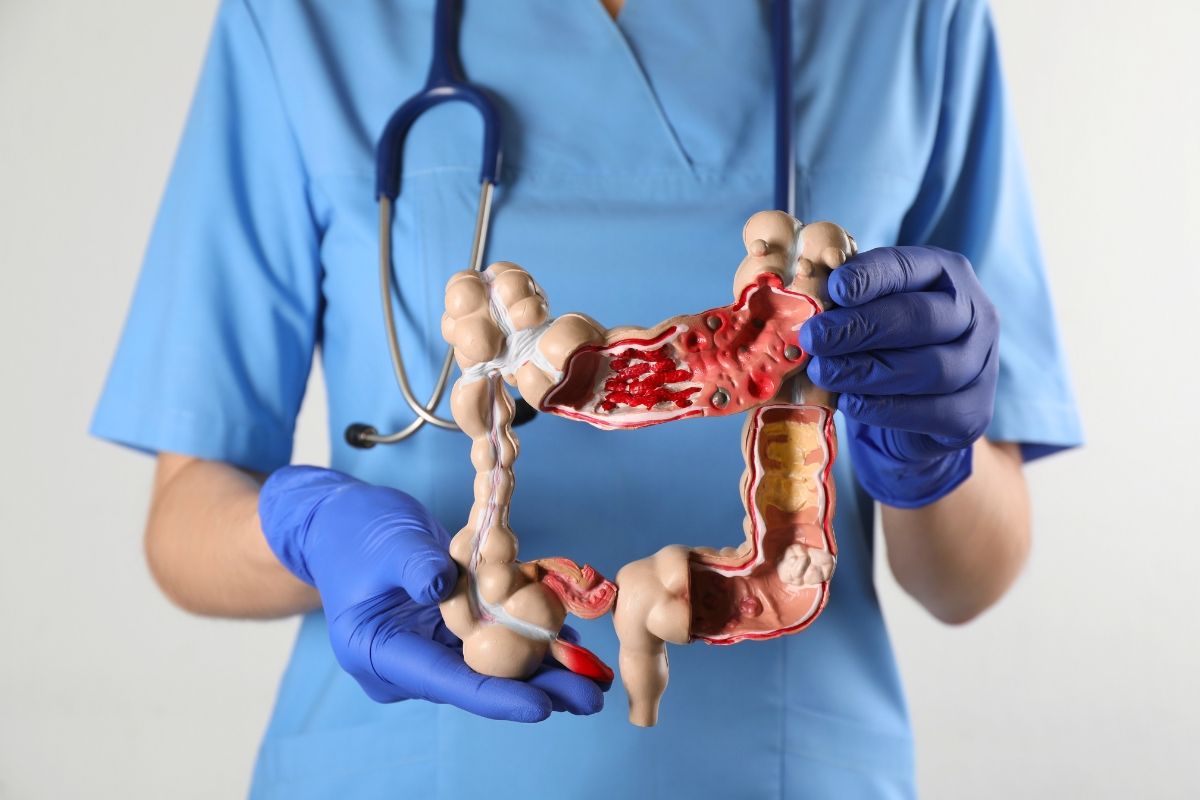
Colorectal cancer is a malignant tumor arising from the epithelial cells lining the colon or rectum, which are the lower parts of the digestive tract. The disease typically develops slowly and remains asymptomatic for quite some time, which is why it is often diagnosed at an advanced stage. Most cases of colorectal cancer are adenocarcinomas, meaning they originate from the mucous glands present in the intestinal lining. The cancer development process usually begins with benign changes, such as adenomatous polyps, which can transform into malignant tumors over years. Untreated colorectal cancer rapidly spreads to adjacent tissues, lymph nodes, and other organs, such as the liver or lungs. Modern medicine distinguishes several stages of colorectal cancer development, which vary in the advancement of cancerous changes, presence of metastases, and prognosis for the patient. Early detection is crucial, as treatment effectiveness drops dramatically at later stages. Risk factors for colorectal cancer are diverse and include genetic predisposition, chronic inflammatory bowel disease, an unhealthy diet high in animal fats and low in fiber, smoking, sedentary lifestyle, and obesity. Environmental factors and certain metabolic abnormalities also increase the risk of developing this type of cancer.
Colorectal cancer primarily affects adults, although it can also develop in younger individuals—especially those with a positive family history or hereditary cancer syndromes, such as Lynch syndrome or familial adenomatous polyposis. Statistics show that it is one of the most common malignant tumors in both women and men in Poland and Europe, ranking alongside lung and breast cancer in incidence. The risk of developing colorectal cancer increases significantly after age 50, but recent decades have seen an alarming rise among younger people, particularly in highly developed countries. Certain high-risk groups include patients with chronic inflammatory bowel diseases (e.g., ulcerative colitis, Crohn’s disease), who require regular screening. In addition, those leading an unhealthy lifestyle—avoiding physical activity, overweight, a diet rich in red and processed meat, and excessive alcohol use—also face significantly increased risk. Given the increasing number of cases, longer lifespans, and negative lifestyle changes in the population, colorectal cancer is now a serious health challenge. The large at-risk population and asymptomatic course in early stages mean that education and prevention are crucial.
Early symptoms of colorectal cancer – what to watch out for?
Colorectal cancer is a condition that may remain asymptomatic for a long time, which is why it is often diagnosed at an advanced stage. Nonetheless, a number of early symptoms may occur, and it is important to pay attention to them—especially if they persist or develop in individuals from high-risk groups. The most common and characteristic early warning sign is a change in bowel habits, such as alternating diarrhea and constipation, or persistent problems with defecation lasting more than a few weeks. Individuals who previously had regular bowel movements should be alert to any unexpected deviations—especially if accompanied by a feeling of incomplete evacuation, gas, bloating, or abdominal pain while defecating. Another red flag is the appearance of blood in the stool or noticing stool with a dark, tar-like color, indicating bleeding from the lower digestive tract. Any blood in the stool, regardless of the amount, requires diagnostic evaluation—especially if there are no clear causes, such as hemorrhoids.
Other symptoms that may signal developing colorectal cancer include unintended weight loss, persistent fatigue and weakness, and loss of appetite. The slow progression of the condition often means such symptoms are misattributed to other, more common issues, such as stress, sedentary work, or dietary errors. It is particularly important to look for signs of anemia—unexplained fatigue, pale skin and mucous membranes, shortness of breath, and heart palpitations may result from chronic blood loss from cancerous lesions in the intestine. In some cases, a tumor can partially narrow the bowel, resulting in stool that is unusually thin like a “pencil,” or painful urges to defecate without effect. Occasionally, there may also be low-grade fevers or unexplained fever and cramping abdominal pain that intensifies after meals. It’s important to note that colorectal cancer symptoms can vary depending on the tumor’s location—tumors in the right colon (ascending colon) often manifest with less specific, slowly developing symptoms, whereas tumors in the left colon (descending colon, rectum) more quickly produce typical signs of intestinal passage disturbances. Persistent symptoms, especially in people over 50 or with a family history of gastrointestinal cancers, should prompt urgent medical consultation and recommended diagnostics.
Main causes and risk factors
Colorectal cancer has a complex etiology, influenced by genetic predisposition as well as many environmental and lifestyle factors. The main cause of this cancer is the presence of precancerous changes such as adenomas (polyps) of the colon, which can grow unnoticed for years and gradually transform into malignant tumors. Genetic factors are also crucial—individuals with a family history of colorectal cancer (especially among first-degree relatives) or rare genetic syndromes such as Lynch syndrome or familial adenomatous polyposis (FAP) are at a significantly higher risk of developing the disease. In addition to genetic factors, everyday habits—particularly diet and lifestyle—play a huge role.
Some of the most important risk factors are unhealthy dietary habits, especially a diet rich in red and processed meats, animal fats, and low in fiber, vegetables, and fruits. Low-fiber diets prolong the retention time of food residues in the bowel, increasing the contact of the mucosa with potentially harmful substances and promoting inflammation. Regular alcohol consumption and smoking also raise the risk of colorectal cancer by increasing the likelihood of mutations in epithelial cells. Obesity, particularly abdominal obesity, and a lack of physical activity are associated with increased insulin levels and inflammatory states, both of which are recognized promoters of changes leading to cancer within the colon. Coexisting conditions are also critical, such as type 2 diabetes and chronic inflammatory bowel diseases (including ulcerative colitis and Crohn’s disease), which increase the risk of malignant transformation. The risk increases with age, with the vast majority of cases recorded in people over 50, although recent years have seen a disturbing rise in younger patients. Environmental factors also matter—exposure to harmful substances at work (e.g., in the chemical industry), chronic stress or disturbances in daily rhythm (shift work) may further add to the risk. All of these elements, especially when combined, have a significant impact on the likelihood of developing colorectal cancer, so identifying your own individual risks and consciously modifying those within your control is essential.
Diagnostics and testing – how to detect cancer early?
Early diagnosis of colorectal cancer is crucial for effective treatment and patient prognosis. Unfortunately, the cancer frequently goes unnoticed in its early stages, which is why screening tests are vital—they can detect precancerous changes or cancer while it is still fully curable. The key diagnostic tool is colonoscopy—a procedure allowing for a detailed assessment of the entire colon from the rectum to the cecum. During colonoscopy, doctors can identify even small polyps, take biopsies for histopathological examination, and remove precancerous lesions. People at risk—those over 50 or with a family history—should undergo screening colonoscopy every 10 years, though in individual cases the intervals may be shorter. An alternative is virtual colonoscopy (CT colonography), which is suitable for people who cannot undergo endoscopic examination, but its main limitation is the inability to biopsy or remove polyps during the procedure. There are also non-invasive tests, such as fecal occult blood test (FOBT) and immunochemical test (FIT), which detect tiny amounts of blood suggesting gastrointestinal bleeding. These tests are widely available and relatively inexpensive, but a positive result always requires follow-up endoscopic diagnostics.
In addition to screening, thorough differential diagnosis is necessary when symptoms arise—especially in high-risk individuals. Physicians may order laboratory tests (blood count, iron, tumor markers such as CEA) to confirm anemia or chronic inflammation, often associated with colorectal cancer. If metastasis or obstruction is suspected, additional imaging may be used: ultrasound (USG), computed tomography (CT) of the abdomen, magnetic resonance imaging (MRI) with or without contrast, and X-rays of the digestive tract. The choice and sequence of tests always depend on the patient’s individual history, coexisting conditions, and family history. Effective diagnosis also depends on screening programs organized by medical centers or the state, offering free testing to those over a certain age or with a family history. The earlier the diagnosis, the simpler and less invasive the treatment and the better the chances of a full recovery. The effectiveness of asymptomatic detection of colorectal cancer continues to increase with new technologies, but systematic screening, especially in at-risk groups, remains critical.
Colorectal cancer treatment methods
Treating colorectal cancer is based on a personalized strategy, depending on advancement, tumor location, general health, and any coexisting diseases. The primary and most effective treatment, especially for early-stage cancer, is surgical removal of the tumor together with a margin of healthy tissue. Depending on the tumor’s location, various types of resections are performed: hemicolectomy (removal of part of the bowel), resection of the rectum, or anterior resection of the rectum. In some cases, minimally invasive laparoscopic procedures are possible, offering faster recovery and fewer postoperative complications. Surgery often involves removing regional lymph nodes, and, if necessary, creating a temporary or permanent stoma, which allows for proper evacuation when digestive tract continuity cannot be restored. In locally advanced cancers, combining surgery with other therapies is key to reduce recurrence risk and improve long-term prognosis.
Adjuvant therapy, especially chemotherapy and radiotherapy, also plays an important role and can be used both before (neoadjuvant) and after (adjuvant) surgery. Chemotherapy uses cytostatic drugs to destroy cancer cells or limit their ability to proliferate. It’s essential in advanced cases, especially when there’s a risk of metastasis to organs such as the liver or lungs, or for patients who cannot undergo surgery. Radiotherapy—precisely targeting the tumor with radiation—is mainly used for rectal cancer, shrinking the tumor before surgery and limiting the extent of the operation. In advanced disease, targeted therapies and immunotherapy are increasingly important—by using monoclonal antibodies or immune checkpoint inhibitors, it’s possible to selectively inhibit the growth of cancer cells while sparing healthy tissues. Treatment is always multidisciplinary, requiring close cooperation among the surgeon, clinical oncologist, radiation therapist, pathologist, and nursing team. Beyond strict medical aspects, psychological support and dietary care are essential to improve quality of life and aid effective recovery following cancer therapy.
Colorectal cancer prevention – how to reduce your risk?
Prevention of colorectal cancer relies mainly on conscious lifestyle choices and regular screening tests, which enable early detection of cancerous changes. The most important element of prevention is a healthy diet—rich in fiber, vegetables, fruits, and whole-grain products, while low in red and processed meats, animal fats, and highly processed foods. Fiber supports proper bowel movement and shortens the contact time of possible carcinogens with the intestinal lining, lowering the risk of polyp development and inflammation. It’s recommended to limit red meat to 500 g per week at most, and avoid sausages, cold cuts, and products with preservatives, salt, or nitrates, which have proven carcinogenic effects. It is equally important to ensure adequate calcium and vitamin D in the diet—deficiencies in these nutrients are linked to higher colorectal cancer risk. Including oily sea fish, dairy, and eggs is a beneficial complement, and regular consumption of water and fermented dairy products supports the gut microbiota and immunity. Physical activity is also key in everyday prevention—those engaging in moderate exercise (at least 150 minutes per week) have a significantly lower risk of colorectal cancer. Abdominal obesity is a major modifiable risk factor, so maintaining a healthy weight, regular exercise, and avoiding a sedentary lifestyle are critical for prevention. Quitting smoking and reducing alcohol consumption are equally important—both factors significantly increase the likelihood of cancer formation in the digestive tract. Studies confirm that non-smokers and people who drink alcohol moderately or not at all have lower incidence rates of colorectal cancer.
Regular screening is an indispensable part of effective colorectal cancer prevention, allowing for detection of even asymptomatic changes at a very early stage. Colonoscopy is considered the gold standard—it not only identifies polyps and other abnormalities but also enables removal during the same procedure, which can permanently eliminate a focus of future cancer. For those over 50, or younger people with increased risk (family history, chronic inflammatory bowel disease, or genetic syndromes), regular screening—even before age 50—is recommended, usually every 10 years or more frequently according to medical advice. Less invasive options, such as fecal occult blood tests, immunochemical tests, or virtual colonoscopy, are also available, especially for those fearful of traditional colonoscopy. It’s also critical to observe your own body and quickly respond to warning signs: sudden changes in bowel habits, blood in stool, unexplained weight loss, or persistent fatigue. High-risk individuals should be under close medical supervision and know what symptoms to look for—consultation with a family doctor or gastroenterologist should be standard for any abnormalities. Remember: prevention also involves building health awareness—educating about risk factors, promoting active lifestyles in families and workplaces, and encouraging screening through public campaigns really does reduce the incidence of disease. Primary and secondary prevention—together with a healthy lifestyle—can save lives, so implementing and consistently following medical recommendations, as well as regularly using healthcare, is essential.
Summary
Colorectal cancer is an insidious disease that often develops silently for a long time. Early recognition of initial symptoms—such as changes in bowel habits, abdominal pain, or blood in the stool—is crucial. The main risk factors include age, a low-fiber diet, and genetic predisposition. Regular diagnostics, including colonoscopy, significantly boosts the chances of detecting cancer early, making effective treatment possible. Remember to maintain a healthy lifestyle, undergo regular screening, and prioritize prevention—a proven way to reduce your cancer risk and protect your health for years to come.