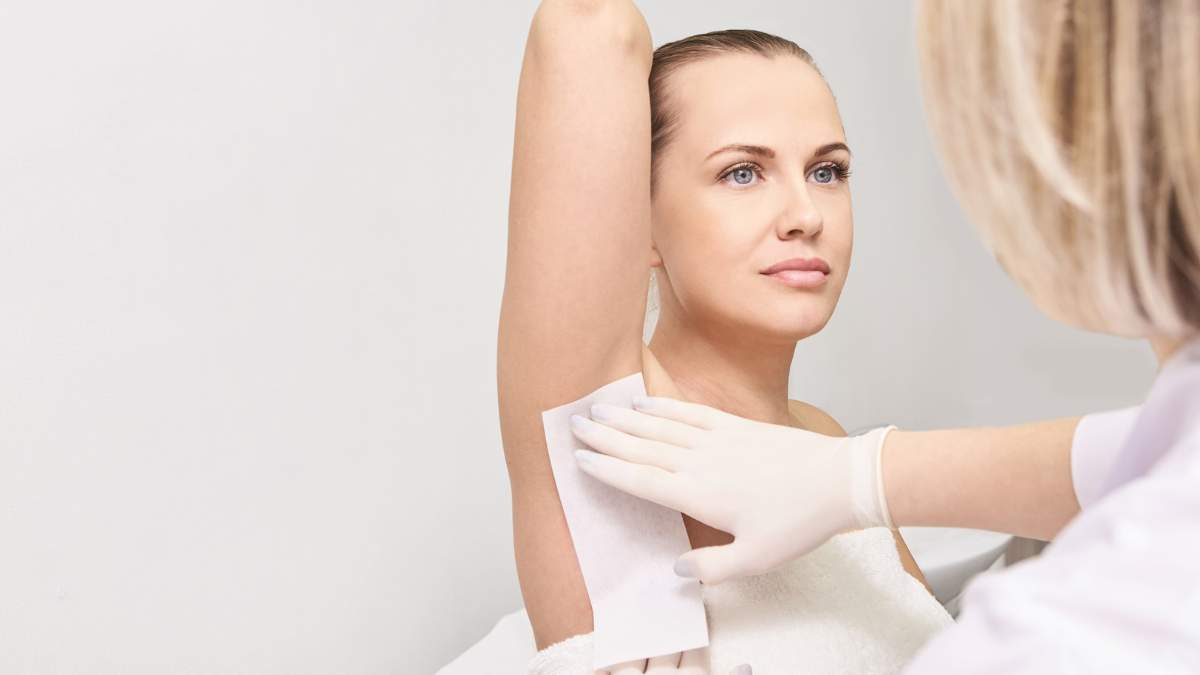
Learn how to shave your armpits effectively and safely without irritation. Discover proven methods, tips, and skin care after armpit hair removal.
Table of Contents
- Why Shave Underarms? Benefits of Underarm Hair Removal
- Best Underarm Shaving Methods: Razor, Epilator, Creams
- How to Prepare Underarm Skin for Shaving
- Step by Step: How to Properly Shave Underarms to Avoid Irritation
- Most Common Mistakes When Shaving Underarms – What to Avoid
- Aftercare for Underarm Skin: Regeneration and Protection
Why Shave Underarms? Benefits of Underarm Hair Removal
Underarm shaving is a grooming ritual that remains consistently popular among both women and men of all ages. The decision to remove hair from this sensitive area is often motivated by aesthetic, hygienic, and personal comfort reasons. Modern beauty standards promote smooth skin, which boosts self-confidence, especially when wearing sleeveless outfits, engaging in sports, or visiting the beach. Smooth underarms are also seen as a sign of neatness and self-care, enhancing psychological comfort during both social and professional interactions. Those who choose regular underarm hair removal also notice it’s easier to stay fresh even in intense conditions, such as exercising or in hot weather, as the absence of hair minimizes the growth of bacteria responsible for unpleasant sweat odor. Underarm hair removal is highly recommended for hygiene — hairy underarms trap sweat, sebum, and dead skin, which can foster microorganism growth and lead to irritation, rashes, or other skin issues.
Practical advantages of regular underarm hair removal should not be overlooked. Smooth skin makes it easier to apply deodorant and antiperspirant — the active substances absorb faster, making them more effective against sweat and reducing the risk of unpleasant odor. Removing hair also decreases the risk of discoloration and unattractive dark spots under the arms, which sometimes occur when cosmetics and secretions cling to hair. Additionally, regular hair removal can help reduce ingrown hair issues — with proper care and technique, the skin becomes softer and regrowth is weaker, minimizing the risk of ingrown hairs. Another key benefit is the comfort in daily life: many users say that smooth underarms make them feel more at ease wearing tight clothing and underwear, without worrying about irritation or hair snagging. Modern depilation techniques allow for quick and efficient hair removal at home, eliminating the need for salon visits, making smooth, hygienic, and beautiful underarms easily accessible for anyone who cares about this aspect of their appearance.
Best Underarm Shaving Methods: Razor, Epilator, Creams
Choosing the right underarm hair removal method is key to achieving perfectly smooth skin without unpleasant irritation. Each popular technique — shaving with a razor, using a mechanical epilator, or depilatory creams — has its unique features, benefits, and possible drawbacks. The classic shaving razor, whether disposable or with replaceable blades, is the most popular choice for its convenience, speed, and accessibility. To avoid cuts and burning, it’s best to choose a razor with multiple blades and a flexible head to adapt to the underarm’s natural curves. Always use a sharp razor — dull blades irritate the skin and can cause bumps or ingrown hairs. Shaving underarms should be done on moist, softened skin, ideally after a bath, which makes cutting easier and reduces the risk of injuries. Use gels or foams meant for sensitive skin to reduce friction and provide hydration. Those who are prone to irritation should apply a soothing balm or cream with panthenol or allantoin after shaving to protect the skin from dryness and burning.
The mechanical epilator is an alternative for those seeking longer-lasting smoothness without the need for daily upkeep. This device pulls out hair along with the follicle, so regrowth is slower, usually after about 2–3 weeks. However, epilators increase the risk of irritation, especially in the delicate underarm area, and can cause red bumps or ingrown hairs. People with very sensitive skin should opt for models with a massage or cooling attachment to reduce discomfort. The skin should be thoroughly cleansed and dried before epilating — excess moisture weakens the effectiveness. After epilating, use hair growth inhibitors and gentle soothing creams to minimize irritation. Depilatory creams, which chemically dissolve hair at the skin’s surface, are increasingly popular with those seeking a painless and fast method. When choosing a cream, pay attention to the formula — products for sensitive skin contain plant extracts, aloe vera, or panthenol to soothe and restore the hydrolipidic balance. Always patch test on a small area before first use to rule out unwanted reactions. When applying the cream, strictly follow the manufacturer’s recommended duration to avoid irritating the delicate underarm. After depilation, thoroughly rinse away residue and apply a soothing balm or light emulsion to moisturize, regenerate, and restore comfort. All these methods differ in effect intensity, durability, and irritation potential — the optimal choice depends on your skin type, preferences, and individual needs.
How to Prepare Underarm Skin for Shaving
Properly preparing the underarm skin for shaving is a key step that greatly impacts comfort and reduces the risk of irritation, redness, or ingrown hairs. Before starting hair removal, take care of hygiene and the sensitive area’s proper care. It’s recommended to wash the skin thoroughly with lukewarm water and a mild cleanser — this removes sweat, deodorant residue, bacteria, and excess sebum, which may hinder shaving or contribute to micro-injuries. Warm water also softens both skin and hair, facilitating removal and lowering cut risks. Before underarm hair removal, consider a gentle scrub once or twice a week to exfoliate dead skin, better expose the hairs, and prevent ingrowns. Opt for enzyme or very fine-grained scrubs — harsh products might cause further irritation or micro-damage to thin underarm skin. The scrub should be done several hours before shaving, never right before, to avoid excessive sensitivity during the procedure.
The next essential step is to moisturize and select the right assisting cosmetics that offer protection and reduce razor friction or depilatory substance effects. Using a moisturizing gel, foam, cream, or even a natural oil allows the razor to glide smoothly, minimizing cuts, scratches, and abrasion risk. Always ensure your razor is sharp; a blunt blade increases friction and pulls hair, possibly irritating and damaging skin. Modern razors have moisturizing strips for comfort and fewer skin reactions. If you choose a depilatory cream, always perform a patch test — apply a small amount to the skin 24 hours prior and check for allergies or irritation. Those with extra sensitive skin should select hypoallergenic products designed for sensitive skin. Before any underarm shave, don’t use deodorant or antiperspirant as they may react with shaving products and increase irritation. Never shave underarms when there are visible irritations, abrasions, cuts, or infections — only proceed once the skin is healed. Ideally, shave underarms in the evening; skin has time to recover overnight and is not immediately exposed to clothes, sweat, or deodorants. Additionally, people prone to constipation should use specialized soothing balms or serums that help maintain skin’s softness and elasticity while reducing irritation and blocked hair follicles.
Step by Step: How to Properly Shave Underarms to Avoid Irritation
Shaving your underarms requires not just the right tools but above all the correct technique to limit the risk of irritation and ensure healthy, smooth skin. The most important step is preparation — make sure your underarms are clean and dry before you begin. It’s best to take a warm shower, as steam and heat help soften the skin and open pores, making the hair easier to shave. Next, apply a moisturizing shaving gel or foam to create a protective barrier, reduce blade friction, and significantly lower the risk of micro-injuries. Don’t just spread the product; be sure it covers all areas, including spots where hair is denser or grows at unusual angles. Choose a razor with a sharp, clean blade — old or worn blades may pull hairs, causing irritation, minor cuts, and more ingrown hairs.
The shaving process should be calm and precise. Slightly stretch the skin by raising your arm high above your head — this makes it easier to reach all hairs, even those growing at odd angles. Shave with gentle, short strokes in the direction of natural hair growth. This technique helps limit cuts and irritation. For stubborn hairs, you may carefully shave against the grain, but don’t run the razor multiple times over the same area to protect the outer skin. After each stroke, rinse the blade under running water to keep it clean and ready for more efficient hair removal. If you opt for a depilatory cream, carefully follow the instructions, do not exceed the recommended time, and always apply to clean, dry skin to minimize chemical irritation. Rinse off any residue with lukewarm (not hot) water after depilation to prevent additional dryness or irritation. Dry your underarms gently with a soft towel by patting, not rubbing, and apply a soothing, alcohol-free balm or cream — those with panthenol, allantoin, or aloe are best. Avoid deodorant or antiperspirant immediately after shaving as fragrance and alcohol can sting and worsen irritation. Regular use of gentle moisturizers, avoiding picking at micro-injuries, and changing blades regularly significantly reduce the risk of redness, burning, or painful bumps under the arms.
Most Common Mistakes When Shaving Underarms – What to Avoid
Shaving underarms is a routine beauty habit, but if done incorrectly it can lead to numerous skin issues, including irritation, redness, bumps, or even painful inflammation. One of the most common mistakes is shaving “dry” — without any proper shaving product like foam, gel, or cream. A dry blade against unprepared skin causes intense friction, leading to micro-injuries and loss of the skin’s protective barrier, resulting in tightness, burning, and local inflammation. Sometimes people skip thorough cleaning before shaving — residue, sweat, and dirt can blunt the blade faster and raise the risk of bacterial infection. Another major error is using old or rusty blades — dull tools do not effectively cut hair and, moving repeatedly over the same spot, irritate the skin further. Careless rinsing leaves gel, hair, and dead skin in the blades, fostering bacteria that can cause inflammation or breakouts. Also, shaving too quickly or pressing the razor too hard leads not only to cuts and irritation but also makes shaving less precise and may require repeating over the same skin areas.
Another widespread error is shaving against the grain without preparing the skin and hair, which can cause ingrown hairs and unsightly, painful bumps. While shaving against the grain can give a smoother finish, it greatly increases irritation risk, especially for sensitive or easily damaged skin. Remember to stretch the skin while shaving — neglecting this results in uneven hair cutting and more cuts. Often, people also skip proper aftercare, leaving skin unprotected and unsupported in regeneration. Applying strongly perfumed or alcohol-based products immediately after shaving irritates the open, sensitive skin and leads to burning and dryness. Some people use deodorants or antiperspirants right after the procedure, which can intensify discomfort and trigger allergic reactions. When trying new hair removal methods, always patch-test new creams to avoid allergies or chemical burns. Furthermore, neglecting to replace razors or epilator heads regularly, or not disinfecting them, leads to bacterial buildup and increased infection risk. Finally, shaving too frequently or too rarely has its downsides — too often causes chronic trauma, while too rarely leads to ingrown hairs and bacteria thriving in hard-to-reach areas. Never shave irritated, inflamed, or broken skin as this can worsen recovery time and lead to serious dermatological complications.
Aftercare for Underarm Skin: Regeneration and Protection
Proper underarm skin care after hair removal is crucial to enjoying smooth, healthy skin free from irritation. Right after shaving or depilation, gently rinse your skin with lukewarm water to remove any shaving gel or foam as well as leftover hair. Avoid hot water, as it can increase dryness and irritation. Pat the area dry with a soft, clean towel — do not rub — to minimize micro-damage and preserve the skin’s protective barrier. Immediately after shaving, your skin needs intensive hydration and soothing. The best choices are calming balms, emulsions, or creams designed for post-shaving with ingredients such as panthenol, allantoin, aloe, or chamomile extract, well known for their anti-inflammatory properties and support for skin regeneration. These products help prevent redness and also soothe any burning, itching, or tightness. Avoid products with alcohol or strong fragrances, as they may cause further irritation or dryness and trigger allergic reactions. The skin under your arms is particularly delicate — improper care can cause micro-damage, persistent soreness, and chronic discomfort.
Another vital aspect of post-shaving care is avoiding factors that might irritate the skin further. For 24 hours after shaving, abstain from using alcoholic or strongly scented deodorants or antiperspirants — freshly shaved skin has open micro-pores that allow irritants to enter deeper skin layers, causing stinging and discomfort. Instead, reach for hypoallergenic creams or mineral deodorants with gentle composition. Avoid heavy sweating for several hours after shaving, as this can foster bacterial growth and raise the risk of minor skin infections. Also, steer clear of tight or synthetic clothing which can cause friction and worsen redness — choose breathable cotton materials so skin can breathe. Regular moisturizing is helpful for regenerating underarm skin — daily applications of balm or fragrance-free nourishing cream reinforce the natural barrier and prevent dryness and flakiness. Those prone to ingrown hairs can use a gentle enzyme or fine-grain scrub once or twice a week to exfoliate dead skin and unclog hair follicles, but never right after shaving — do it the day before or several days post-depilation once the skin has healed. Always monitor your skin after hair removal — if persistent bumps, severe redness, or long-lasting irritation occur, use specialist soothing agents and avoid further depilation until healed. If you experience excessive irritation, consider switching your hair removal method or consulting a dermatologist for the safest underarm routine. Regular, mindful care keeps your skin in top shape, prevents unwanted side effects, and makes hair removal much more comfortable and safer for everyone.
Summary
Shaving underarms is a process that requires proper preparation, the right method, and diligent skin care before and after the procedure. By following proven steps — thorough cleansing, softening the skin, using the right cosmetics, and good technique — you can achieve smooth underarms without unpleasant irritation. Avoid common mistakes and don’t forget to moisturize after shaving for comfort and a healthy appearance. Regular, proper depilation will help you enjoy confidence and freshness every day.