
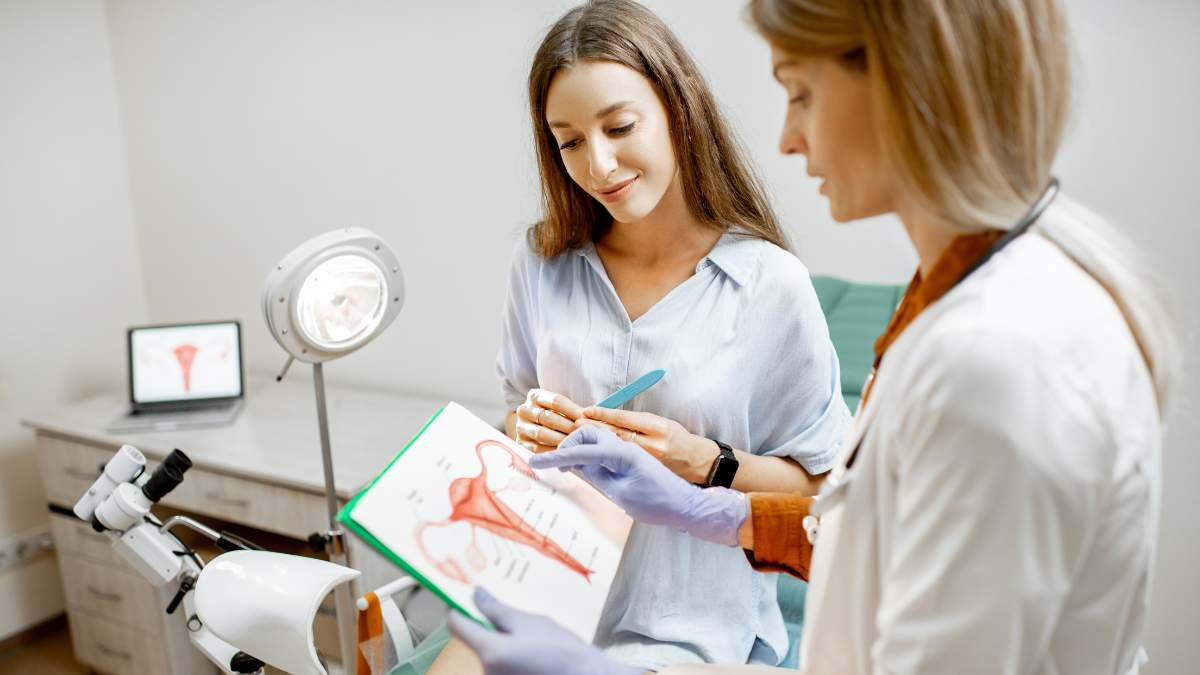
The first visit to a gynecologist is an important step in every young woman’s life. It is the moment when we begin to consciously take care of our intimate health and build a relationship with the doctor that will accompany us for years to come. Unfortunately, the first visit is often associated with stress and uncertainty. This article will answer all your questions and help you prepare for this appointment.
When to go for the first visit?
The Polish Society of Gynecologists and Obstetricians recommends that the first visit to a gynecologist should be made Between the ages of 12 and 15 , preferably after the onset of the first period (menarche). During this period, the girl’s body undergoes a lot of changes, and a visit to the gynecologist is an excellent opportunity to learn more about your body, the menstrual cycle and to start the prevention of female diseases.
However, there are situations in which it is advisable to go to the gynecologist earlier, even before your first period:
- Disturbing symptoms: If you notice discharge, itching, burning, pain in the lower abdomen, bleeding from the genital tract or other worrisome symptoms, do not delay your visit.
- Beginning intercourse: If you have begun sexual intercourse, a visit to your gynecologist is essential to discuss contraception methods and begin prevention of sexually transmitted diseases.
- Menstrual problems: irregular periods, very painful periods or no periods should also prompt you to visit a gynecologist.
- Doubts and questions: if you have any questions about your body, puberty, intimate health, do not hesitate to make an appointment. The gynecologist will dispel your doubts and give you expert advice.
How to choose a gynecologist?
Choosing the right doctor is a key part of building trust and comfort during visits. Here are some tips to help you find the gynecologist for you:
- Referrals: Ask friends, moms, sisters or other trusted people to recommend a good gynecologist.
- Online reviews: check reviews of doctors on medical portals and online forums.
- Specialty: Make sure the doctor specializes in pediatric and adolescent gynecology if you are a teenager.
- Gender of the doctor: This is your individual decision. Some women feel comfortable only with a female doctor.
- Atmosphere in the office: Pay attention to the decor of the office, the courtesy of the staff and the overall impression.
Preparation for the first visit
- Write down the date of your last period. The doctor will certainly ask about your menstrual cycle.
- Make a list of questions. Write down all the questions you want to ask the doctor.
- Take care of your hygiene. Take a shower before your appointment, but avoid vaginal irrigation and the use of perfumed intimate hygiene products.
- Dress comfortably. Choose an outfit that is easy to take off and put on.
- You don’t have to shave or depilate. This is your individual decision. The doctor is interested in your health, not in the appearance of your intimate area.
- Bring your identity card or school ID card with you.
- If you are under 18 and want to come alone, download a parental consent form from the clinic’s or practice’s website for an independent visit.
Course of the visit
The first visit to the gynecologist usually goes as follows:
- Interview: The doctor will ask you about your general health, past illnesses, lifestyle, date of your last period, any complaints or concerns. This is a good time to talk about your questions and concerns.
- Physical examination: The doctor will examine the breasts and then conduct a gynecological examination. For girls who have not begun intercourse, the gynecological examination may be limited to a visual inspection of the external genitalia. If necessary, the doctor may perform a rectal examination or use a special speculum of smaller size.
- Internal examination (if you have started having intercourse): Your doctor will gently insert a special instrument called a speculum into your vagina to view your cervix and vaginal walls. The examination may be somewhat uncomfortable, but it should not hurt. If you feel pain, be sure to let your doctor know.
- Recommendations: After the examination, your doctor will discuss the results with you, answer your questions and give you instructions for further management. He or she may recommend regular check-ups, additional tests (e.g., ultrasound of reproductive organs, cytology), or prescribe medications.
Cytology – when to perform the first test?
Cytology is a preventive test that detects changes in the cells of the cervix that can lead to cancer. The first cytology should be performed after starting intercourse or after the age of 25. The test is painless and takes only a few minutes.
Myths about the first visit to the gynecologist
Many myths have grown up around the first visit to a gynecologist. Here are the most common ones:
- Myth 1: You only go to a gynecologist when something is wrong. This is not true! Regular follow-up visits to the gynecologist are the basis of prevention of female diseases, even if you have no symptoms.
- Myth 2: Gynecological examination is painful. The examination may be somewhat uncomfortable, but it should not hurt. If you experience pain, please inform your doctor.
- Myth 3: A gynecologist will criticize me for my appearance. This is absolute nonsense! A gynecologist is a doctor who is interested in your health, not in the appearance of your intimate area.
- Myth 4: You can only go to a gynecologist after you start intercourse. This is not true! The gynecologist can also examine you before you have intercourse, without violating the hymen.
Remember!
- A visit to a gynecologist is an investment in your health.
- Don’t be afraid to ask questions and talk about your concerns.
- Regular follow-up visits can detect possible problems at an early stage.
- You have the right to intimacy and respect for your dignity during the examination.


