Learn how to recognize head lice in children, what are the symptoms of pediculosis, how diagnosis works, and which treatment and prevention methods are most effective.
Table of Contents
- What are lice and how does infestation occur in children?
- The most common symptoms of pediculosis in children – what should you look for?
- How to properly recognize lice and nits on a child’s head?
- Effective treatment methods for pediculosis in children
- Prevention – how to prevent lice at home and school?
- Facts and myths about pediculosis – the most common misconceptions
Vitamin C Deficiency – Why is it Dangerous for the Body?
Vitamin C deficiency is a serious threat to human health, as this vitamin fulfills many crucial functions in the body. First and foremost, vitamin C is involved in the synthesis of collagen, the main structural protein of the skin, blood vessels, bones, cartilage, gums, and ligaments. Inadequate levels of vitamin C weaken tissue elasticity and strength, increasing susceptibility to injuries, bleeding, and delayed wound healing. Vitamin C is also a potent antioxidant, neutralizing free radicals—molecules that can damage cells, accelerate the aging process, and increase the risk of many civilization diseases, including cancer, cardiovascular diseases, or neurodegenerative disorders. Another important aspect of deficiency is impaired function of the immune system. People with insufficient vitamin C are more prone to viral and bacterial infections, and illnesses may be more severe and prolonged. Vitamin C also participates in the absorption of non-heme iron from plant products, and its lack often leads to anemia, which manifests as weakness, pale skin, fatigue, or shortness of breath. Especially dangerous effects are seen in prolonged deficiencies—this can lead to scurvy, a disease that historically plagued, for example, sailors, causing bleeding gums, tooth loss, muscle and joint pain, and in advanced cases, fever, anemia, and body wasting.
Long-term lack of vitamin C does not only negatively affect visible aspects of health, such as skin condition or immunity, but also impacts the functioning of internal systems and metabolic processes. Impaired collagen synthesis causes blood vessels to become fragile, which can lead to micro-hemorrhages and bruising even after minor injury. In children, vitamin C deficiency can disrupt bone growth and development, lead to skeletal deformations, growth disorders, and dental issues. In older individuals, the effects often accelerate the progression of degenerative diseases and exacerbate problems from overall body weakening. Vitamin C is involved in synthesizing neurotransmitters such as dopamine and noradrenaline; therefore, its deficiency can affect the nervous system—symptoms may include irritability, depression, concentration disorders, chronic fatigue, and in extreme cases, apathy. The multifunctionality of vitamin C means that its inadequate level is felt in virtually every organ and tissue, and chronic deficiencies often lead to synergistic health issues, worsening over time. It’s important to remember that certain groups, such as smokers, the elderly, diabetics, pregnant and breastfeeding women, and people with chronic illnesses or exposed to oxidative stress, have increased requirements for this vitamin and are particularly at risk of negative consequences.
What Are Lice and How Does Infestation Occur in Children?
Head lice (Pediculus humanus capitis) are small, parasitic insects living exclusively on the scalp of humans, especially children. The adult louse is about 2–4 mm in size, grayish-white, and able to move rapidly through hair. It feeds on the host’s blood, and its life cycle includes laying eggs (nits), from which larvae and then adult lice emerge. Lice are exceptionally adapted to human heads—they have special limbs for gripping hair and a mouthpart for sucking blood. Importantly, head lice do not transmit infectious diseases, but their bites can cause intense itching, skin irritation, and, due to scratching, secondary bacterial infections. Pediculosis is not a result of poor hygiene; it can affect anyone, regardless of age or socioeconomic status, although children—particularly preschool and elementary school age—are the most vulnerable.
Infestation among children most often occurs through direct “head-to-head” contact with an already infested person, especially during play, sleeping next to each other, or participating in group activities at educational institutions. Lice cannot fly or jump—they move only by crawling, so airborne transmission is impossible. Indirect but much rarer transmission occurs via sharing personal items such as combs, brushes, hats, headbands, towels, or bedding. In the external environment, without blood, lice survive for about 24–48 hours, though they usually leave their host only accidentally. The high incidence among children results from close daily contacts, frequent sharing of personal belongings, and limited awareness of the risk. All these factors make pediculosis spread easily in children’s communities, such as schools, kindergartens, and camps.
The Most Common Symptoms of Pediculosis in Children – What Should You Look For?
The most characteristic and most frequent symptom of pediculosis in children is intense scalp itching, caused by an allergic reaction to lice saliva. Over time, scratching leads to skin irritation, redness, and even small wounds and scabs—especially at the nape, behind the ears, and at the temples, which are favored lice locations. In some children, the itching may be so severe that it disrupts peaceful sleep and focus during the day. Parents should also watch for a child frequently touching or rubbing their head, and increased restlessness or irritability, which can be related to the discomfort caused by the presence of lice.
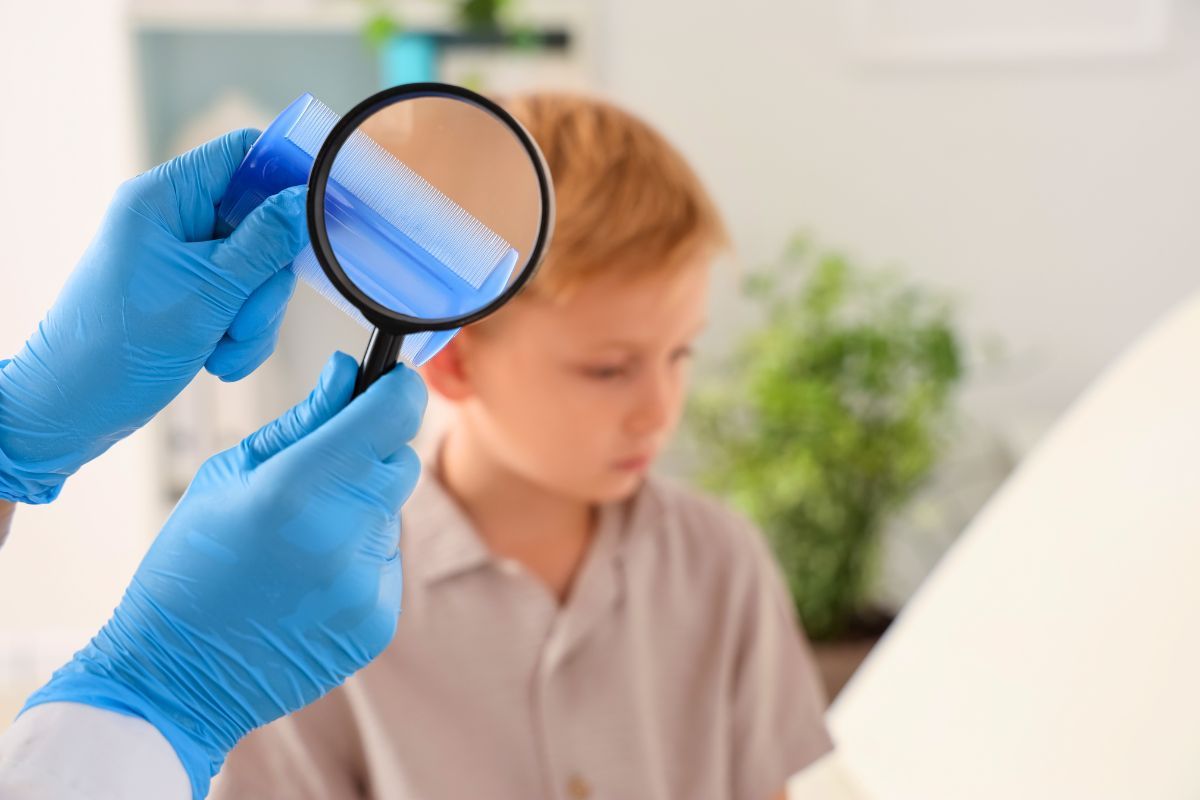
In addition to itching, key signs of pediculosis are visible nits—the lice eggs—which appear close to the hair root and firmly adhere to the hair shaft. Nits are white-gray or yellowish and about 0.8 mm long; unlike dandruff, they do not easily fall from the hair. They are most commonly observed behind the ears, on the occiput, and at the nape. In heavy infestations, careful scalp inspection can reveal live adult lice, which are mobile, translucent, and very small. It’s important to note that lice can lead to secondary bacterial infections, with symptoms such as oozing scabs and swollen lymph nodes around the head and neck. Early recognition of these symptoms greatly increases treatment effectiveness and prevents the parasites from spreading to other family members or peers.
The Most Common Symptoms of Vitamin C Deficiency
Although vitamin C deficiency may at first seem like a minor problem, it is associated with numerous and often nonspecific symptoms that are easily missed or mistaken for other ailments. Among the earliest and most characteristic warning signs are changes to the skin and mucous membranes. The skin becomes dry, rough, and dotted with tiny petechiae; bruises form easily even after minor trauma. Perifollicular petechiae—red spots around hair follicles—are due to weakened, fragile blood vessels vulnerable to damage. Very frequent symptoms include bleeding and swelling of the gums, which can progress to advanced gingivitis, and even tooth loss if the deficiency is long-standing. Adults should look out for slow wound healing and the development of “chicken skin”—follicular hyperkeratosis. Hair loss, brittle nails, or chronic skin irritation are additional signs of this crucial micronutrient deficiency.
Besides skin and mucosal symptoms, vitamin C deficiency manifests through serious systemic effects. Loss of energy, chronic fatigue, weakness, concentration difficulties, and general apathy are symptoms often reported by patients due to disturbance in carnitine synthesis, a substance involved in cellular energy production. Characteristic symptoms are muscle and joint pain, sometimes severe enough to hinder movement or daily activities. People with vitamin C deficiency suffer more frequent respiratory infections—colds, flu, or tonsillitis are more common and severe, and recovery takes longer. In the long term, the deficiency contributes to the development of iron-deficiency anemia, as vitamin C enhances absorption of non-heme iron from the gut. This leads to pale skin, heart palpitations, shortness of breath, and even cardiac arrhythmias. In children, chronic deficiency can hinder growth and disrupt bone mineralization, causing bone pain, swelling, and abnormally shaped limbs. Finally, in extreme cases, persistent deficiency leads to scurvy—a rare but very serious disease with muscle pain, extensive petechiae, bleeding, profound weakness, and even mental symptoms such as depression, irritability, or significant mood disorders. Remember, deficiency symptoms may develop gradually—start as nonspecific signals, making the problem easier to ignore by both patients and medical staff. However, even mild, chronic lacks significantly reduce quality of life and susceptibility to other diseases, so being aware of potential symptoms and reacting quickly is key for maintaining health and well-being.
How to Properly Recognize Lice and Nits on a Child’s Head?
Properly diagnosing pediculosis in a child requires careful observation and patience, because both lice and nits can be hard to spot with the naked eye, especially in early stages of infestation. The most effective diagnostic method is to inspect the child’s hair in good natural light or under a lamp, ideally after combing with a fine-tooth comb. Begin inspection behind the ears, at the nape, and on the temples—lice’s favorite spots to breed. Adult head lice look like small, grayish-brown insects about the size of a sesame seed and may quickly move through the hair. More often though, their eggs—nits—are easier to see. These are white or yellowish and firmly stuck onto the hair near the scalp, usually less than 1 cm from the skin. Unlike dandruff, nits won’t shake or comb off and must be removed manually.
To improve detection of lice and nits, use a special fine comb (so-called nit comb), which allows thorough combing from scalp to ends. After each comb through, inspect the teeth and spaces for moving lice or white, oval nits. If it is difficult to tell if a structure is a nit, look at its location: lice nits are harder to remove than dandruff, do not crumble between your fingers, and are most numerous in warm, moist areas on the child’s scalp. Diagnosis requires caution, because even a small number of lice necessitate treatment and checking other household members or close contacts. Regular head checks allow prompt detection and immediate action.
Health Effects – What Diseases Are Caused by Vitamin C Deficiency?
Lack of vitamin C in the diet brings serious health consequences, leading to both acute and chronic diseases of varying severity. One of the most well-known and historically documented diseases caused by long-term deficiency is scurvy (scorbutus). This condition arises when ascorbic acid levels drop below a critical minimum, impeding proper collagen synthesis—the protein essential for tissue elasticity and integrity. As a result, blood vessels weaken, gums bleed, teeth loosen or fall out, widespread bruising occurs, and muscles and joints ache, alongside persistent wounds. Vitamin C deficiency accelerates tissue degeneration, weakens hair and nails, and promotes chronic skin inflammation. Although scurvy is now rare, it still occurs in people with highly restricted diets, especially underprivileged or poorly nourished groups. Even without full-blown scurvy, deficiency has significant, long-term effects on many organs—especially the cardiovascular system, which suffers increased oxidative stress, free radical buildup, atherosclerosis progression, and vascular endothelium degeneration, heightening the risk of hypertension, coronary artery disease, and stroke. Ascorbic acid also affects lipid metabolism, increasing beneficial HDL and lowering LDL cholesterol, so chronic vitamin C deficiency increases susceptibility to heart and circulatory diseases.
Another area strongly affected by vitamin C deficiency is the immune system. Without adequate vitamin C, the activity of phagocytes and lymphocytes weakens, which limits the body’s ability to fight infections, increases susceptibility to bacterial and viral illnesses, and prolongs recovery. Frequent upper respiratory tract infections, such as colds or bronchitis, may be more severe and lead to complications in deficient individuals. In addition, vitamin C is necessary for proper iron absorption from the gut; its absence promotes iron-deficiency anemia (microcytic anemia), which presents as weakness, apathy, pallor, and shortness of breath. In children, a deficiency may lead to growth disorders, delayed physical development, and bone mineralization issues—raising the risk of fractures, skull bone softening (craniotabes), or delayed skull suture closure. In adults, chronic deficiency heightens the risk of inflammation, accelerates skin and organ aging, and can cause depression, concentration issues, and general life quality deterioration. The mouth is also affected—besides bleeding and swollen gums, cavities develop, and mucosal resistance to bacterial infection drops. Reduced antioxidant activity without vitamin C can also promote cancer, especially when combined with other environmental risks. Often, vitamin C deficiency does not appear in isolation but alongside other nutritional deficits and overall body weakening, which can lead to severe complications requiring long-term, comprehensive treatment.
Effective Treatment Methods for Pediculosis in Children
Treating pediculosis in children requires effective and safe methods to eliminate not only adult lice but also their eggs—nits. The most popular solution is specialized pharmacy products, such as shampoos, lotions, sprays, or foams containing ingredients like dimethicone or permethrin. These work by contacting parasites, leading to their death or suffocation; when used as directed, they’re safe even for young children. It’s crucial to apply the preparation twice with a one-week interval, which allows elimination of lice that hatch after the first treatment. Always read the patient leaflet and avoid using products on irritated or damaged scalp.
Another essential component of effective therapy is mechanical removal of lice and nits with a fine-tooth lice comb. This procedure should be repeated daily for at least 7-10 days after treatment onset to minimize risk of reinfestation. Remember, all household members and those in close contact with the child should be treated, even if no infestation is confirmed, to prevent reinfection. Bedding, towels, hats, headbands, and items that have touched the head should be washed at a minimum of 60°C, and objects that can’t be laundered should be sealed in a plastic bag for at least two weeks. By combining pharmaceutical, mechanical, and hygiene measures in the environment, you can effectively break the lice and nit life cycle and restore the child’s comfort and health.
Causes of Vitamin C Deficiency and Risk Groups
Vitamin C deficiency (hypovitaminosis C) most commonly results from inadequate intake of vitamin C-rich foods, but may also be due to malabsorption or increased bodily demand. The main cause is a poor diet lacking fresh vegetables and fruits—especially citrus, peppers, strawberries, broccoli, or parsley. People eating mostly highly processed foods or those exposed to prolonged heat treatment are especially at risk, since vitamin C is easily destroyed by heat, light, or oxygen. Deficiency may also arise from monotonous elimination diets, often used by people with food allergies, intolerances, or restrictive slimming regimens. Malabsorption syndromes due to digestive diseases, such as inflammatory bowel diseases (Crohn’s disease, ulcerative colitis), celiac disease, or chronic diarrhea are significant risk factors. Increased vitamin C loss can occur in inflammation, infections, chronic oxidative stress, and in smokers—free radicals from cigarette smoke rapidly deplete this antioxidant. Chronic exposure to environmental toxins, chemicals, or pollution also raises vitamin C needs, as the body uses more of it to neutralize reactive species.
Certain groups are particularly at risk of vitamin C deficiency, with higher than average nutritional needs. Smokers are most notably affected—research shows they require up to 35 mg more vitamin C per day due to higher oxidative stress and faster depletion. Elderly people, whose nutrient absorption abilities decrease with age, also tend to have limited, less varied diets. Children, especially those from lower socio-economic backgrounds or with appetite problems, may not receive enough vitamin C, slowing their growth, wound healing, and increasing infection susceptibility. Pregnant and breastfeeding women are another group at elevated risk, because their requirements increase due to the developing fetus and newborn, as well as supporting the mother’s immunity. Diabetics and people with chronic illnesses (such as cancer, chronic kidney failure or gastrointestinal diseases) may require more vitamin C or have limited access from food. Risk also rises with alcohol or substance abuse and in cancer patients undergoing chemotherapy or radiotherapy. Vegetarians and vegans, although their diets are typically rich in plant sources of vitamin C, may develop deficiency due to dietary mistakes or prolonged storage, which reduces nutritional values. People under chronic stress, those exercising intensely, or taking certain drugs—such as salicylates, barbiturates, or oral contraceptives—can also be at higher risk, as these agents can disrupt vitamin metabolism or increase excretion. All these factors mean that vitamin C deficiency prevention should be tailored to the individual’s needs and lifestyle, considering their health threats and nutritional habits.
Prevention – How to Prevent Lice at Home and School?
Pediculosis prevention is based on several key principles that can be implemented at home and in schools to reduce infestation risk. First, teach children not to borrow personal items such as combs, brushes, hats, hair ties, headbands, or towels. Regular scalp checks, especially after children return from camp, trips, or intensive peer contact, allow for early detection of infestation signs before the parasites spread. For children with long hair, keeping it tied up at school or kindergarten helps to prevent “head-to-head” contact—the primary route of lice transmission. Environmental hygiene is also crucial—regularly wash bedding, hats, stuffed toys, and other items children regularly touch in water at least 60°C. Items that are hard to wash should be sealed in airtight bags for several days, preventing parasites cut off from their host from surviving.
In school and kindergarten environments, building awareness about lice, their symptoms, and prevention among children, parents, and staff is vital. Organizing information campaigns, regular head checks, and swift responses when an infestation is detected are key to effective prevention. Teachers and caregivers should encourage children’s personal hygiene and explain the importance of avoiding “head-to-head” contact, especially during common play. Remember, lice infestation is not a result of poor hygiene and can happen to anyone—therefore, psychological support and prompt, discrete intervention is crucial for affected children. Effective communication between parents, teachers, and medical staff helps not only to limit the spread of lice but also to break the taboo and ensure unified prevention efforts throughout the entire school or kindergarten community.
How to Prevent Vitamin C Deficiency? Diet, Supplementation, and Prevention
Vitamin C deficiency is relatively easy to avoid by implementing appropriate preventive steps, primarily a balanced diet and conscious management of risk factors. The most important element is to regularly consume a proper amount of fresh fruits and vegetables—the best and most absorbable sources of vitamin C. Especially rich foods include acerola, rosehip, blackcurrant, kiwi, strawberries, bell peppers, parsley, broccoli, and Brussels sprouts. Moderate but relevant amounts are also found in citrus fruits (lemons, oranges, grapefruit), tomatoes, and potatoes. Remember, vitamin C is very sensitive to heat, oxygen, and light, so best effects are achieved by eating fruits and vegetables raw, or briefly steamed or blanched. Improper storage and prolonged food processing significantly lower ascorbic acid content. People with limited access to fresh produce should choose frozen vegetables and fruits, which are a good alternative, as properly frozen items retain most vitamins, including vitamin C.
For people at higher risk—smokers, the elderly, pregnant and breastfeeding women, diabetics, those with chronic illnesses, or increased needs (athletes, people under stress or on certain medications)—special care for the diet and sometimes supplementation is recommended. Vitamin C supplements come in various forms—tablets, powders, capsules, or effervescent drinks. The dose should be individually chosen, considering age, sex, health, and lifestyle—ideally after consulting a doctor or dietitian. For adults, daily needs are about 75-90 mg, but higher for pregnant or lactating women. Preventing deficiency, however, isn’t just about taking supplements or good diet—it’s just as important to avoid excessive oxidative stress that increases vitamin C use. This means an active lifestyle, quitting smoking (which doubles vitamin C requirements!), limiting alcohol and processed foods, and regular checkups. Education about the role and sources of vitamin C, especially in families with young children, elders, or where access to fresh produce is limited, is essential. If maintaining a healthy diet is problematic, or symptoms of deficiency appear (such as weakness, bleeding gums, slow wound healing), consult a doctor for corrective action. Prevention should be comprehensive—healthy eating, lifestyle, and habits—and will effectively protect against the negative outcomes of lacking this essential vitamin.
Facts and Myths about Pediculosis – The Most Common Misconceptions
Many myths surround pediculosis that hinder effective prevention and treatment. One of the most common misconceptions is that head lice only afflict people who are poorly groomed or from lower socioeconomic backgrounds. In reality, lice aren’t an indicator of poor hygiene—they can infest any head, regardless of cleanliness or status. In fact, lice prefer clean hair, as it’s easier for them to move and attach their eggs (nits). Children who wash their hair regularly can have lice just as often as those who do it less. Another myth is that lice transmit dangerous diseases—while lice can cause irritation or secondary bacterial infections from scratching, head lice do not transmit harmful viruses or bacteria. It’s also commonly but incorrectly believed that lice can fly or jump, which would permit transmission even without direct contact. In truth, lice only crawl, and close “head-to-head” contact or sharing personal items like combs, hats, or towels is needed for transmission.
Many people believe lice can be removed only with strong chemicals, or that home remedies—like vinegar or mayonnaise—are effective treatments. Modern over-the-counter lice preparations, often based on silicones (e.g., dimethicone) or permethrin, are effective and safe, but require mechanical removal of nits with special combs. It’s a myth that one application solves the problem—repeat treatment in line with the lice life cycle is essential. Another common myth is that shaving the head is the only option. Actually, modern systematic treatment allows full recovery without drastic measures. Also, preventive use of anti-lice products or shampoos on uninfested individuals is not recommended—it does not protect from lice and may irritate the scalp. Debunking these myths helps not only reduce stigma for those affected, but also facilitates prevention and the implementation of effective control strategies.
Summary
Head lice in children remain a relevant health and social issue. Quick recognition of symptoms, like persistent itching or visible nits, allows for effective treatment and prevents further spread. Proper home diagnosis and choosing effective treatments are critical for swift elimination. Prevention is equally important—regular scalp checks and educating children on hygiene rules. Dispelling myths, it’s important to remember that lice are not a result of poor hygiene but of rapid transmission. Implementing preventive actions, education, and parental vigilance are the best ways to ensure children’s health.