Whooping cough (pertussis) – symptoms, complications, treatment, and prevention. How to recognize pertussis, avoid complications, and when to vaccinate children and adults?
Table of Contents
- What is Whooping Cough (Pertussis)? Causes and Transmission
- Most Common Symptoms of Whooping Cough – How to Recognize the Disease?
- Complications After Whooping Cough – What to Watch Out For?
- Diagnosing Whooping Cough – Tests and When to See a Doctor
- Treatment of Whooping Cough – Effective Methods and Latest Recommendations
- Prevention and Vaccination Against Whooping Cough – How to Protect Yourself?
What is Whooping Cough (Pertussis)? Causes and Transmission
Whooping cough, also known as pertussis, is a highly contagious respiratory disease caused by Bordetella pertussis bacteria. Although commonly associated with childhood, it is increasingly diagnosed in adolescents and adults, especially those who have not been vaccinated or whose post-vaccination immunity has waned over time. The hallmark symptom of pertussis is prolonged, paroxysmal coughing attacks, which can lead to serious complications, particularly in infants and the elderly. Bordetella pertussis colonizes the mucous membranes of the upper respiratory tract, releasing toxins that damage the ciliated epithelium and disrupt immune responses. Infection most often occurs through airborne droplets—by inhaling microscopic droplets of saliva containing the pathogen, emitted when a sick person or carrier coughs, sneezes, or even speaks. The high infectivity rate of pertussis (contagiousness can exceed 80%) means even brief, direct contact with an infected person indoors may be enough for transmission. The greatest risk of infection falls on close family members, children attending daycare or school, and medical staff in contact with infected patients.
An important epidemiological factor is that pertussis may have mild or atypical symptoms for a long period, often manifesting as a chronic, irritating cough—making it easier to unknowingly spread the infection before it is correctly diagnosed. The incubation period generally lasts 7 to 14 days, but carriers can transmit the bacteria even during the early, non-specific phase—when symptoms resemble a viral upper respiratory infection. Infectivity is highest in the initial disease period, before the development of typical cough paroxysms. It is crucial to note that children under six months, who have not yet completed the basic vaccination schedule, are especially vulnerable to severe pertussis and complications. In adults and older adolescents, symptoms are often atypical: the cough may be dry and long-lasting without obvious attacks, frequently mistaken for chronic bronchitis or asthma. Unfortunately, it is adults and teens who now constitute the main reservoir of infection for infants, unknowingly spreading the bacteria at home and in society. Outbreaks often occur in closed communities, such as hospitals, nurseries, boarding schools, and care homes. Ultimately, the key infection risk factors are both lack of vaccination and the natural decrease in post-vaccination immunity over time. This highlights the importance of maintaining high vaccination rates across the population and administering booster doses to adolescents and adults.
Most Common Symptoms of Whooping Cough – How to Recognize the Disease?
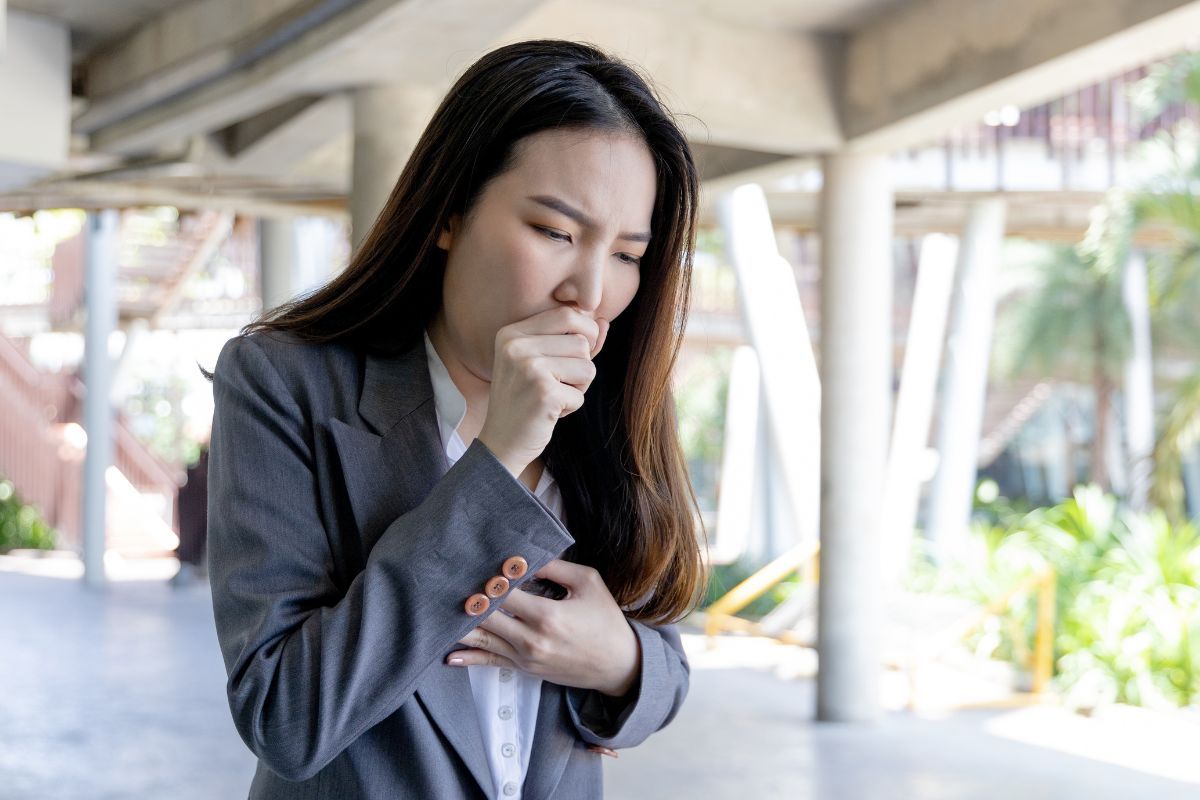
Diagnosing pertussis, especially in its early stages, is challenging due to non-specific symptoms that initially resemble a common cold. Clinically, whooping cough progresses through three main phases: the catarrhal phase, the paroxysmal cough phase, and the recovery (convalescent) phase. The catarrhal phase, lasting 1–2 weeks, presents with mild symptoms such as runny nose, watery eyes, low-grade fever, sore throat, and a dry cough. At this stage, differentiating pertussis from other viral respiratory infections is almost impossible, resulting in most people not seeking medical help or receiving a misdiagnosis and inappropriate treatment. The most distinctive feature of pertussis is its second phase—the paroxysmal cough phase—which emerges about 7–14 days after infection and may last several weeks or more. In this phase, the patient suffers from long-lasting, severe coughing fits—often many sudden, forceful coughs in a row, making it impossible to breathe in, leading to the characteristic “whoop” or inspiratory “wheezing” as they try to catch their breath after an attack. In many children, these episodes may end with vomiting or brief apnea, and the intense coughing can lead to fatigue, exhaustion, small facial hemorrhages, nosebleeds, or even loss of consciousness. It’s important to note that between coughing fits the person may feel relatively well, but the cough usually peaks at night, disturbing sleep and worsening general well-being.
In infants, particularly those under six months, pertussis often has atypical symptoms—the typical coughing spells may not be obvious, but dangerous episodes of apnea, feeding difficulties, cyanosis, or even seizure-like episodes from hypoxia may occur. Older children, teens, and adults may not experience classic paroxysmal cough at all and instead have a prolonged, often dry, chronic cough unresponsive to common antitussives, without fever or clear malaise. These atypical variants reflect partial vaccine-acquired immunity or previous exposure to Bordetella pertussis. In these age groups, diagnosing pertussis is especially tricky, as chronic cough (lasting 6-8 weeks) may be the only symptom without another apparent cause. Adults may also experience abdominal or chest muscle pain, and complications such as hernia or urinary incontinence from intense coughing. Diagnosing whooping cough should therefore consider both classic and atypical symptoms—especially if the cough persists for over two weeks, is not accompanied by fever, and the patient has had possible exposure to a confirmed case or lives in a community with low vaccination coverage. Special attention should be given to infants’ symptoms (apnea, breathing difficulties, lethargy), which require immediate medical consultation, as pertussis in this group is especially severe and carries the highest risk of complications—early intervention can save a child’s life.
Complications After Whooping Cough – What to Watch Out For?
Pertussis is a disease with particularly dangerous complications—most notably in infants, the elderly, and patients with chronic illnesses or weakened immune systems. The disease course often doesn’t end when coughing fits subside. Some effects may linger for weeks or even years. The worst complications arise in infants, who—due to an immature respiratory and immune system—are extremely prone to severe disease and related health consequences. The most frequent complications are pneumonia (from both bacterial and viral coinfections) and neurological issues such as convulsions, encephalopathy, or apnea episodes that may cause brain hypoxia. Acute coughing attacks in infants can lead to respiratory arrest, cyanosis, or—rarely—sudden infant death syndrome. Any sign of respiratory failure in a baby demands immediate medical intervention. In older children and adults, severe coughing can cause injuries such as inguinal hernia, rib fractures, or urinary incontinence—significantly reducing quality of life and prolonging recovery. In those with chronic illnesses, seniors, or pregnant women, pertussis can exacerbate already-existing respiratory and circulatory conditions, posing a major health threat.
It’s worth noting the risks of oxygen deprivation during violent coughing fits in young children or patients with heart and lung diseases, as this can damage the heart muscle or disturb cardiac rhythms. Additionally, bodily weakness during illness allows for easier secondary bacterial and viral infections, especially in the respiratory tract—such as otitis media, sinusitis, or the development of chronic bronchitis. Even after complete bacterial elimination, post-infectious cough may persist for many months, significantly disrupting daily functioning, sleep, and concentration. In adults—especially those at risk—complications may also require hospitalization or prolong work absence. Exacerbation of existing chronic illnesses (COPD, asthma, heart failure) is sometimes observed, necessitating treatment changes. Rare but profoundly serious consequences include neurological disorders—febrile convulsions, psychomotor impairment, or encephalopathy. These dangers are most significant in very young, unvaccinated children. Particularly tragic are cases when brain hypoxia or encephalitis leaves irreversible developmental damage or permanent neurologic dysfunction. For this reason, it is critical to recognize and treat even mild cases of whooping cough as early as possible—prompt antibiotic therapy at the onset can greatly reduce risk of severe complications for both children and adults. Patient education and close monitoring of symptoms are crucial in preventing the deadliest outcomes of this infectious disease.
Diagnosing Whooping Cough – Tests and When to See a Doctor
Recognizing pertussis is often challenging due to variable, non-specific symptoms, especially at the onset or in adults. Diagnosis is primarily based on a detailed medical history and observation of characteristic symptoms—such as paroxysmal, wheezing cough lasting more than two weeks, along with the classic “whooping” inspiration after coughing, and often post-cough vomiting. In infants and young children, symptoms may be atypical, such as apathy, apnea, shortness of breath, or cyanotic episodes. Thus, any persistent cough or sudden health deterioration deserves special attention. Promptly consult a doctor if pertussis is suspected—particularly if there are known cases nearby, chronic cough does not resolve, coughing attacks intensify, or alarming symptoms develop such as vomiting after cough, breathlessness, short apnea spells, blue lips, or marked physical weakness. Rapid medical attention is vital for infants under six months, as pertussis can be life-threatening for them due to an immature immune system and the risk of sudden complications.
The primary tests confirming Bordetella pertussis infection are microbiological examinations—the gold standard is a nasopharyngeal swab, either for bacterial culture or detection of genetic material via PCR testing. The sample should be collected as early as possible, preferably within the first two to three weeks of cough onset, before the bacterial load drops. The culture test is highly specific but takes several days to process, while PCR is very sensitive and returns results sooner. In patients presenting late, when bacterial count is low, serology is also used to measure specific anti-pertussis antibodies in the blood; raised titers may indicate recent or ongoing infection, although results may be affected by prior vaccination or infection. Additional tests, such as blood counts (looking for leukocytosis, especially in the first phase) and chest X-rays to rule out complications like pneumonia, may be ordered. Differential diagnosis is especially important in adults, as chronic cough can have many causes—from asthma, through chronic obstructive pulmonary disease (COPD), to viral infections. Not every case requires laboratory confirmation—the decision rests with the doctor, taking into account patient age, epidemiologic exposure (contact with a pertussis case), clinical severity, and complication risk. Regardless of age or symptoms, suspected pertussis merits immediate medical attention for diagnosis and treatment, which both accelerates recovery and helps prevent transmission to family and vulnerable community members.
Treatment of Whooping Cough – Effective Methods and Latest Recommendations
Treating whooping cough (pertussis) requires an individualized approach depending on patient age, disease severity, and presence of complications. The main goals are to minimize symptoms, prevent transmission of Bordetella pertussis, and avoid complications—especially in infants and high-risk groups. According to current guidelines, the effectiveness of treatment depends largely on introducing appropriate antibiotic therapy as early as possible. The gold-standard drugs are macrolides such as azithromycin, erythromycin, or clarithromycin; these most efficiently eliminate the bacteria if administered within the first two weeks of symptoms. For patients who cannot take macrolides, trimethoprim-sulfamethoxazole is an alternative. While administering antibiotics later does not dramatically affect symptoms, it still reduces infectivity, so treatment is still recommended even for chronic cough patients who may be infectious. Hospitalization is recommended for infants—particularly under six months—because they are at highest risk for severe complications including respiratory failure, seizures, apnea, or pneumonia. In such cases, medical supervision, monitoring of vital signs, and supportive care—such as oxygen therapy or IV feeding if swallowing is compromised—are crucial. Rapid patient isolation is also key to breaking the chain of transmission, especially near young children or immunocompromised people. Modern guidelines stress that all household members and contacts should also receive prophylactic antibiotics, even if they do not (yet) have symptoms.
Because pertussis can cause exhausting coughing attacks lasting weeks, symptomatic care is essential. There is no effective antitussive that can significantly shorten or ease the distinctive pertussis cough; recovery requires patience and support. For children and infants, rest in a quiet, well-humidified, ventilated room, regular hydration, and health monitoring are advised. During episodes of apnea, cyanosis, or vomiting after coughing, seek medical attention immediately—for these may signal increasing complications or hypoxia. For adults and older children, convalescence usually proceeds more smoothly, though the chronic cough can interfere with daily life, sleep, and cause temporary exhaustion. As recommended by the Polish Vaccinology Society and global health agencies, patients with (suspected or confirmed) pertussis should avoid contact with peers, those working with children, or immunocompromised adults for at least five days after starting antibiotics. Maintaining hygiene—frequent handwashing, ventilating rooms, and mask use—helps reduce further environmental spread. In severe cases (pneumonia, encephalopathy, respiratory failure), hospitalization with respiratory support, oxygen, medication for complications, and close patient monitoring is necessary. Updated guidelines also emphasize “prophylactic measures”—including age-appropriate booster vaccinations and education on recognizing early symptoms and initiating treatment before the catarrhal phase ends. Awareness regarding duration of infectivity and proper response after contact with a confirmed case is crucial, especially in group settings like nurseries, schools, and hospital wards. In case of outbreak suspicion, rapid epidemiological responses, coordinated with infectious disease experts and public health offices, are crucial to minimizing disease spread.
Prevention and Vaccination Against Whooping Cough – How to Protect Yourself?
The effective control of whooping cough is rooted in prevention, especially through widespread vaccination. The Polish mandatory immunization program schedules pertussis vaccination beginning in early infancy: the first dose (usually combined DTaP or DTwP, covering diphtheria and tetanus as well) is given at two months, with subsequent boosters at 3–4 and 5–6 months, again at 16–18 months, and at 6 years. Consistent administration of all doses keeps children highly protected during the early years, when the risk of severe disease and complications from Bordetella pertussis is greatest. The pertussis vaccine is effective and safe—its introduction dramatically decreased case numbers and virtually eliminated deaths from pertussis in infants and young children. However, post-vaccination immunity is not lifelong, so boosters are essential. Current guidelines advise teens at age 14 and adults to renew the vaccine every 5–10 years, especially those who are in close contact with small children, pregnant women or those planning pregnancy, health care professionals, and the elderly. The special role of maternal vaccination is highlighted—antibodies passed via the placenta provide newborn protection during the most dangerous months. This practice supports population-level (so-called “cocoon” strategy) protection, curbing pertussis spread.
Besides vaccination, non-pharmaceutical and educational preventive measures are critical. Early diagnosis and isolation of suspected cases is essential, for pertussis is most contagious in the first weeks. Sensitive diagnostic methods and immediate antibiotics for patients and close contacts can slow outbreaks at home, nurseries, or schools. Educating the public about symptoms, vaccination necessity, and compliance with the immunization schedule is key, as adult immunization rates remain insufficient—resulting in clusters of susceptible people and epidemic outbreaks. Additional preventive steps include frequent handwashing, covering the mouth and nose while coughing, and avoiding contact with sick individuals—especially among infants, the elderly, or chronically ill. Ongoing education and awareness are necessary in environments at particular risk—such as child-care centers, hospitals, and senior facilities. Monitoring community immunity and fast response to outbreaks through supplemental vaccination campaigns by public health authorities are also essential. The currently-used acellular vaccines are less reactogenic and thus better tolerated—even by people with chronic illnesses or allergies—while still offering high protection. Prevention and vaccination are thus the foundation for combating pertussis, minimizing complications and reducing transmission risk to the most vulnerable community members.
Summary
Whooping cough, or pertussis, is a serious infectious disease that can lead to dangerous complications, especially in children and at-risk groups. Early recognition of symptoms—such as paroxysmal cough or wheezing inspiration—is key for swift diagnosis and effective treatment, which must be initiated as soon as possible. Proper prevention—including vaccination and actions to limit the spread of Bordetella pertussis—substantially reduces the risk of illness and health complications. The awareness of parents, adults, and caregivers is essential for effectively protecting themselves and their loved ones against pertussis.