Find out how a baking soda mask works for your face! Learn about its properties, proven recipes, effects, indications, and contraindications.
Table of Contents
- Baking soda face mask – how does it work?
- Properties and benefits of baking soda for skin
- Baking soda face mask recipes: proven variants
- How to properly use a baking soda mask on your face?
- Contraindications and possible side effects of using baking soda
- Natural skincare – who is a baking soda mask best for?
Baking soda face mask – how does it work?
The baking soda face mask, although it may seem like a simple DIY solution at first glance, owes its effectiveness to its multi-dimensional effects on facial skin. Baking soda (sodium bicarbonate) has cleansing, exfoliating, and neutralizing properties, making it a valuable addition to daily care of problematic, oily, and congested skin. The primary action mechanism of this mask is removing dead skin cells and deeply cleansing pores. As a gentle abrasive, baking soda effectively facilitates exfoliation, removing impurities, sebum, and minor roughness from the skin’s surface. This allows pores to be unclogged and helps prevent imperfections like blackheads and pimples.
Another important aspect of the baking soda mask is its effect on regulating the skin’s pH. Baking soda has alkalizing properties, which means it can temporarily raise the pH level—naturally slightly acidic. A brief deviation from this baseline inhibits the growth of undesirable bacteria responsible for skin inflammation and reduces the risk of new acne formation. As such, the baking soda mask acts both preventively and soothingly: it supports the skin’s regeneration after imperfections, speeding up the fading of pigmentation and minor post-acne scars.
It’s also worth highlighting its gentle brightening and smoothing effect, thanks to the unique structure of soda particles and their ability to promote microcirculation in the epidermis. Massaging your face with the baking soda mask stimulates blood flow, leading to better oxygenation and nourishment of skin cells. This helps achieve a radiant, healthy complexion, even out skin tone, and eliminate dullness. After using the mask, the skin becomes noticeably smoother, softer, and more receptive to further care steps like moisturizers or serums. Additionally, baking soda shows mild antiseptic properties, which can benefit people dealing with minor skin infections. However, keep in mind that the baking soda mask isn’t suitable for every skin type—because of its strong cleansing and exfoliating effects, it is especially recommended for oily, combination, or acne-prone skin. People with dry or sensitive skin should use caution to avoid irritation or disruption of the natural lipid barrier. In short, the action of a baking soda mask—with mechanical and chemical exfoliation, microbiome balance, and antibacterial properties—makes it an effective tool for clear, smooth, and radiant skin, provided it’s used wisely and frequency is tailored to your facial skin’s individual needs.
Properties and benefits of baking soda for skin
Baking soda, also known as sodium bicarbonate, has been used for years not just in cooking but also for home skincare thanks to its versatile properties. Its unique structure makes it an ideal natural cleanser and exfoliator for the face. With its fine-grained consistency, it acts as a very gentle mechanical scrub—removing dead skin cells, cleaning pores, and preventing clogging. Regular use of a baking soda mask helps to unblock pores, reduce blackheads, and limit the formation of imperfections such as pimples and inflammation. Moreover, baking soda has antibacterial properties, especially important for those struggling with acne. It fights the bacteria responsible for skin changes, speeding up healing and minimizing recurrence.
Its slightly alkaline nature neutralizes excess sebum and restores the skin’s pH balance—often disturbed in oily or combination skin. Maintaining proper pH reduces inflammation, soothes irritation, and provides a protective barrier against harmful external factors.
The benefits of using baking soda on the skin extend beyond purification—skin condition and texture also improve. Baking soda supports microcirculation, which means the skin is better oxygenated, firmer, healthier-looking, and more radiant. The mask instantly smooths the face, refreshes, and delivers a velvety softness to the skin. Additionally, baking soda soothes minor irritations and supports faster recovery of sensitive areas. It’s worth noting that homemade baking soda masks are particularly recommended for acne-prone, oily, and blackhead-prone skin. With proper proportioning and additional ingredients (such as honey, natural yogurt, or aloe), it can also be used for other skin types, including delicate and sensitive skin. The natural character of baking soda makes it safe in appropriate amounts, without burdening or “masking” problems artificially. At the same time, it’s readily available and inexpensive, making it an attractive alternative to costly commercial chemical cosmetics. Besides cleansing, a baking soda mask may help lighten post-acne discoloration, regulate oil production, and maintain skin freshness—resulting in a youthful, healthy appearance.
Baking soda face mask recipes: proven variants
Baking soda masks are increasingly popular due to their effectiveness, accessible ingredients, and quick results—often visible after just one use. The simplest version is the classic baking soda and water mask. Just mix one tablespoon of baking soda with a small amount of lukewarm, boiled water—enough to form a thick paste. Apply to your face, avoiding the eye area. Leave the mask on for 5-10 minutes and rinse gently with lukewarm water. This solution is ideal for quick cleansing and smoothing, especially for oily or combination skin. The honey variant is another popular recipe, appreciated for its soothing and moisturizing properties. Here, mix two teaspoons of baking soda with a tablespoon of natural (preferably runny) honey and a few drops of water. The resulting smooth paste is applied for 10-15 minutes, not only cleansing and exfoliating, but also regenerating the skin, reducing redness, and soothing irritation. The honey-baking soda mask is especially recommended for acne-prone, blemish-prone skin, or those with light post-acne scarring.
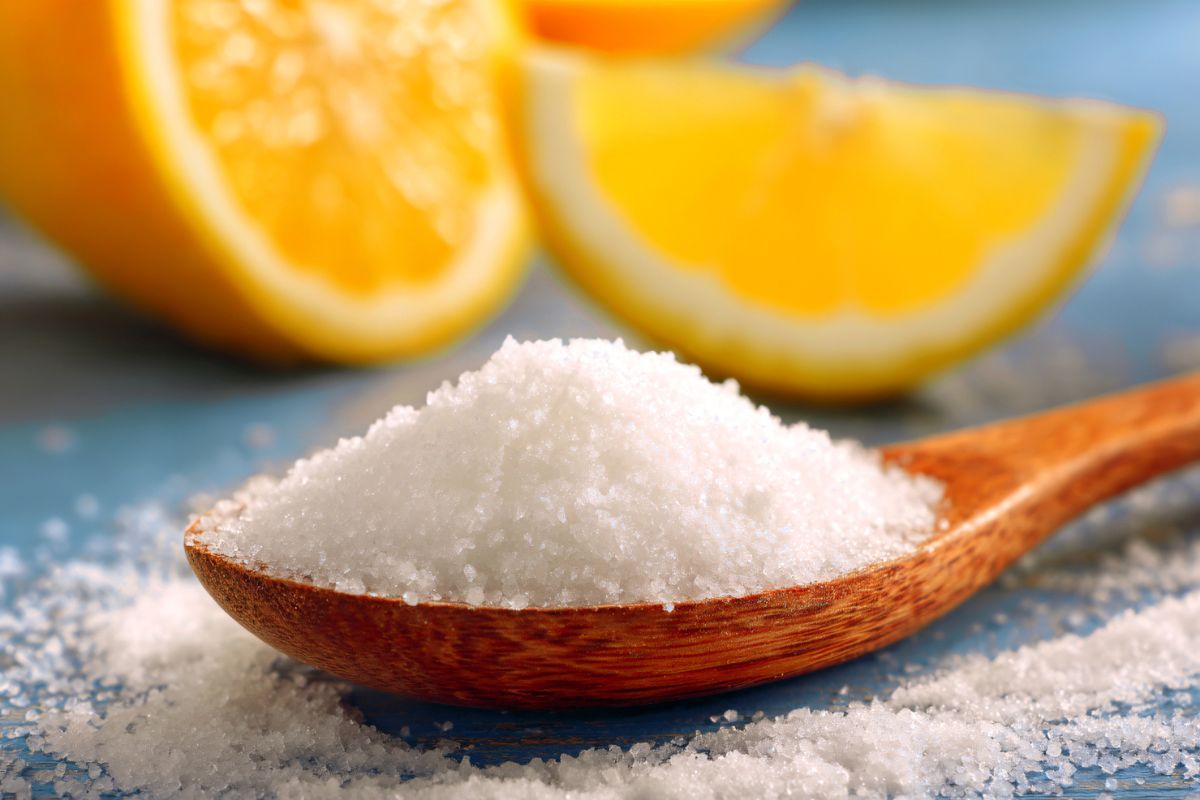
For those who want a more intense moisturizing effect, try the mask with natural yogurt. Mix a teaspoon of baking soda with two teaspoons of thick yogurt and apply to your face for 10-15 minutes. This version not only cleanses pores but also gently brightens and relieves dryness—making it suitable for mixed and slightly dry skin. You can also add a few drops of lemon juice for more pronounced brightening and antibacterial properties. Mix a teaspoon of baking soda with a teaspoon of freshly squeezed lemon juice and a little water to achieve a semi-liquid consistency. Be careful with this version, especially if you have sensitive skin, as citric acid combined with soda can have a strong exfoliating action. An interesting option for those combating discoloration or oily skin is a baking soda and egg white mask. Beat one egg white to a foam, gently mix with a teaspoon of baking soda and apply to the face for 10 minutes—this will tighten pores, lightly lift, and brighten the skin. Another exfoliating-cleansing option is a mask with baking soda and coconut oil. Mix a tablespoon of baking soda with a tablespoon of unrefined coconut oil for a thick paste, massage face for 2-3 minutes, and leave for 5 minutes before rinsing with warm water. This version is for dry and rough skin needing mechanical exfoliation and intense moisturizing and soothing. After each baking soda mask, apply a moisturizer to restore the hydrolipid barrier and prevent dryness. It is good practice to use these masks no more than once a week—and for sensitive skin, less frequently (for example, once every two to three weeks), observing skin reactions closely. Making DIY masks isn’t just a simple and cost-effective way to improve your complexion—it’s also an opportunity to individually tailor the ingredients to your skin’s current needs, leading to better skincare effects without overburdening the skin with chemical substances or preservatives.
How to properly use a baking soda mask on your face?
Using a baking soda face mask requires certain precautions and strict adherence to rules to maximize its cleansing potential and minimize irritation risk. The key preliminary step is preparing the skin well. Carefully clean your face of makeup and any dirt—a mild gel or micellar water works best to avoid extra dryness. After cleansing, you can do a gentle steam compress—hold your face over a bowl of hot water (optionally with herbs like chamomile) for a short time to open up pores and boost the mask’s effects. Next, prepare a fresh batch of baking soda mask per your chosen recipe and maintain proportions—too much soda can irritate your skin. Apply the paste gently with your fingertips, avoiding areas around the eyes and mouth where the skin is very thin and sensitive. Spread the mask evenly in a thin layer without scrubbing to avoid micro-injuries. Keep the mask on for 5-10 minutes depending on skin sensitivity and added ingredients. Don’t exceed the recommended time, even if you don’t feel discomfort—prolonged action can damage the hydrolipid barrier, dry the skin, or cause local irritation.
When time is up, wash the mask off with lukewarm water using circular motions with your fingertips—soda naturally acts as a gentle peel, so use this moment for subtle exfoliation while rinsing. After thoroughly removing the mask, gently dry your face with a soft, clean towel—don’t rub to stretch the skin. Always follow up this care step with a moisturizing or regenerating cream—while baking soda is effective for cleansing, it can slightly dry out your skin. To avoid negative effects, use a soda mask at most once a week, monitoring how your skin reacts. If your skin is dry, sensitive, or its barrier is damaged, use the mask only occasionally and in milder versions, for example, blended with yogurt, oil, or honey. A crucial tip is to do an allergy test before applying baking soda to your face for the first time—apply a small amount to an area behind your ear or on your wrist and wait about 15 minutes. If there’s no allergic reaction, you can safely use it on your face. Remember some universal rules: don’t use the mask right before going out, especially into the sun, as freshly exfoliated skin is more sensitive to UV rays. Avoid combining the mask with other strong exfoliants or irritating products (e.g. retinoids, AHA/BHA acids), to prevent excessive irritation. Regular, correct use of baking soda masks can deliver visible smoothing, brightening, and refreshing effects—but the key is to watch your skin and adjust frequency according to its needs and reactions to enjoy only the benefits of baking soda.
Contraindications and possible side effects of using baking soda
Baking soda, though regarded as one of the most effective home remedies for facial skincare, is not free of contraindications and potential side effects. Mainly, due to its alkaline pH (~8.3), it can be quite strong and disrupt the skin’s natural protective barrier. For people with dry, sensitive, capillary, or atopic skin, using baking soda masks often leads to excessive dryness, burning, redness, and peeling. This is especially true for those with chronic skin diseases like atopic dermatitis, psoriasis, or eczema. Even a single use may aggravate symptoms, cause itching, worsen inflammation, or trigger new lesions. Avoid applying the mask to skin with open wounds, cuts, scratches, sunburn, or after cosmetic procedures that weaken the surface barrier (e.g. after chemical peels, mesotherapy). Baking soda can also cause undesirable allergic reactions—given individual skin sensitivity, always conduct a patch test before first use, e.g. behind your ear or on your wrist. If you notice symptoms such as itching, hives, swelling, or burning, discontinue immediately and wash thoroughly with water. Active herpes, abscesses, and other bacterial or viral skin infections on the face are also a contraindication—as an alkaline agent’s contact with damaged skin may worsen the condition and hamper healing. Special caution applies to pregnant or breastfeeding women, people with high sensitivity to chemicals, or those who previously experienced complications with similar home cosmetic treatments. Regular use of soda masks isn’t recommended for children and teenagers under 15, unless under strict medical supervision.
Baking soda can cause various side effects, often related to improper application, excessive frequency, or unsuitable ingredient combinations. Most commonly reported is skin dryness from a damaged hydrolipid mantle. Those using soda masks too often notice less skin elasticity, tightness, irritation, and roughness. Long-term exposure to alkaline pH disturbs microflora, which may increase infection susceptibility, inflammation, and even exacerbate acne. Another side effect is the so-called rebound effect: initially, skin appears clean and matte, but as glands react to lack of sebum, production increases sharply. Some may experience blanching or unsightly pigmentation if the mask is left on too long or exposed to UV rays right after treatment. Baking soda, combined with other strong ingredients (e.g. fruit acids, essential oils, or lemon), may cause a stronger allergic reaction or even chemical burns—leading to micro-injury, burning, or even blistering and scabbing. That’s why precise proportioning, careful attention to application time, and avoiding self-experimentation without prior consultation is crucial. For people prone to pigmentation and hyperpigmentation, irritating effects combined with improper sun protection may cause persistent discoloration. Over-exfoliation with baking soda also weakens the epidermal barrier, leaving the skin thinner, more vulnerable to external factors, infections, and allergens. To limit possible side effects, use the soda mask no more than once a week, monitor your skin closely, and support recovery with highly moisturizing and soothing cosmetics.
Natural skincare – who is a baking soda mask best for?
The baking soda mask, being a simple and widely available remedy, is especially useful for those seeking natural, economic, yet effective methods of facial care. Its unique properties make it particularly suitable for people with oily and acne-prone skin. These skin types benefit most from baking soda’s cleansing and regulating effects—removing excess sebum, deep-cleaning pores, and exfoliating dead skin cells, which helps unclog pores and limit blackheads and inflammation. Thanks to gentle exfoliation and sebum regulation, a baking soda mask helps reduce shine, improve texture, and minimize visible pores. It’s also a solution for those battling breakouts or periodic acne flare-ups, where regular but moderate use helps speed up healing and reduce recurrence.
This mask is also recommended for people who value minimalism in skincare and purposely choose products with short, natural ingredient lists—no preservatives, artificial fragrances, or dyes. Notably, baking soda’s accessibility and low cost make it attractive for those seeking affordable but effective solutions—whether for teenagers fighting acne or adults with oily or blemished skin. Natural skincare with baking soda may also benefit people allergic to many synthetic cosmetic ingredients or those who simply wish to avoid chemicals in their routine.
This doesn’t mean the soda mask is suitable only for these groups. In fact, it can work for a broad range of users with clear needs or those seeking periodic detoxifying treatments at home. People with active lifestyles, environmental pollution exposure, or oxidative stress may find the mask refreshes and restores a healthy, radiant appearance. It’s also a great alternative for those with normal skin who occasionally have minor issues—just use the mask less often and opt for gentle formulas (blended with yogurt or honey) to avoid drying. The advantage of baking soda is it can be easily combined and modified with other natural ingredients—moisturizing with coconut oil, brightening discoloration with lemon juice, or soothing with honey. Additionally, baking soda masks are suitable for people with excessive keratosis, looking for effective but gentle exfoliation, or wanting to refresh skin after intense makeup use. Its cleansing and antibacterial effects make homemade baking soda mask a popular solution for those who want to avoid strong, sometimes irritating commercial cosmetics. However, people with hypersensitive, atopic, dry, or allergy-prone skin should use the mask cautiously—ideally after a patch test and in combination with soothing ingredients. This approach guarantees natural care but with safety and common sense for your skin.
Summary
The baking soda face mask is a simple, inexpensive, and effective way to cleanse facial skin. Baking soda removes sebum and impurities, helps fight blackheads, and smooths the complexion—especially for oily and blackhead-prone skin. With various recipes—featuring oil, honey, lemon, or milk—you can tailor the mask to your needs. The key is to use it properly and avoid applying to dry, sensitive, or capillary skin to prevent irritation. Regular use can deliver visible results, improving skin’s appearance and condition. Choose conscious, natural skincare and select the option that works best for you.