
Learn how to recognize the symptoms of a heart attack, what tests to perform, and how to provide first aid. Discover effective diagnostic and prevention methods.
Table of Contents
- Heart Attack – What Is It and Why Is It Dangerous?
- Most Common Symptoms of Heart Attack – How to Recognize Them
- Heart Attack Diagnosis: ECG, Blood Tests, and Modern Technologies
- Rapid Heart Attack Tests – What You Should Know
- First Aid in Heart Attack – How to React and What to Do
- Prevention and Risk Factors of Heart Attack
Heart Attack – What Is It and Why Is It Dangerous?
A heart attack, also known as myocardial infarction or heart attack, is a serious medical condition resulting from the sudden lack of blood supply to a part of the heart due to blockage of one of the coronary arteries. The most common cause of this blockage is the rupture of the so-called atherosclerotic plaque (a buildup of cholesterol and other substances), which triggers the formation of a blood clot and prevents oxygen from reaching a fragment of the heart muscle. Oxygen-deprived cells begin to die within minutes, making quick medical intervention critical to saving the patient’s life and limiting permanent heart damage. Heart attacks belong to the category of cardiovascular diseases, which are the leading cause of death globally and pose a serious health threat to society, regardless of age, although the risk increases with age, high blood pressure, diabetes, obesity, smoking, and high cholesterol. The pathophysiology of a heart attack is linked to a nutrient deficiency in the heart, leading to tissue necrosis, arrhythmias, or, in the worst cases, cardiac arrest.
The danger of a heart attack lies not only in its rapid progression but above all in possible complications that may arise either during the attack or throughout the recovery period. The most common and dangerous complications include arrhythmias, cardiogenic shock, heart failure, or rupture of the heart muscle. Many people experience permanent reductions in physical capacity, and some require lifelong medication, cardiac rehabilitation, and strict health monitoring after surviving an attack. The consequences can also be long-term, affecting overall quality of life and significantly increasing the risk of further cardiovascular events. Unfortunately, many people are unaware of the risk, as heart attack symptoms are often atypical and differ depending on age or gender, making timely recognition difficult and causing patients to wait too long before seeking help. Every minute matters – the sooner a heart attack is diagnosed and professional help is provided, the greater the chances of survival and lesser the risk of serious health consequences. Broad social awareness about what a heart attack is, the dangers it presents, and how it occurs is key for prevention and quick response to the first signs of this deadly condition.
Most Common Symptoms of Heart Attack – How to Recognize Them
A heart attack can present itself in many different ways, but there are several symptoms considered classic and characteristic, whose occurrence should immediately raise concern. The most typical symptom is severe, squeezing or crushing chest pain, most often located behind the breastbone. This pain can radiate to the shoulder, left arm, neck, jaw, or even the back. It is described as lasting, sudden, and not relieved by rest or nitroglycerin. Chest pain is often accompanied by shortness of breath or difficulty breathing, which can trigger anxiety or a feeling of impending doom. Heart attacks are commonly associated with cold sweats, feeling faint, heart palpitations, and increasing weakness. Additional frequent symptoms include dizziness, nausea, and in some cases, vomiting. Especially in elderly individuals, women, or people with diabetes, symptoms may be atypical: instead of classic chest pain there may be fatigue, abdominal pain, arrhythmias, or just a slight sense of indigestion. Sometimes, the only sign is a sudden drop in physical endurance, malaise, or an abrupt decrease in blood pressure, resulting in unconsciousness. This is why education on the broad spectrum of symptoms is so important, because quick recognition of even atypical complaints can be life-saving.
It is important to note that heart attack symptoms can have a broad range – from very mild, easily overlooked ones to severe and obvious. In some cases, patients confuse them with fatigue, indigestion, panic attacks, or even a common cold, especially if the pain is not intense or is accompanied by gastrointestinal symptoms. About 30% of heart attacks occur without typical chest pain – these are the so-called “silent” heart attacks, most frequently observed in elderly patients and those with diabetes. In such cases, symptoms are often limited to malaise, drowsiness, breathlessness, or weakness. Regardless of the intensity or type of symptoms, anything suddenly occurring and lasting more than 15–20 minutes should be treated with the utmost seriousness. Also, remember that the character and radiation of the pain are not always obvious – for some, the pain may occur only in the upper abdomen, jaw, or left arm. In case of symptoms suggesting a heart attack, it is crucial to call for medical help as quickly as possible, as each minute of delay increases the risk of irreversible and extensive heart damage, even death. Knowing and recognizing the most common symptoms increases your chances of swift reaction and effective assistance. The ability to interpret heart attack symptoms, especially those that are atypical, should be a priority not only for those at risk but for all adults who care about their own health and the safety of those around them.
Heart Attack Diagnosis: ECG, Blood Tests, and Modern Technologies
Effective and rapid diagnosis of a heart attack is crucial for proper treatment and minimizing heart muscle damage. The primary diagnostic tool is the electrocardiogram (ECG), which evaluates the heart’s electrical activity and detects characteristic changes associated with ischemia or necrosis of the heart muscle. The ECG distinguishes between two main heart attack types – STEMI (ST-segment elevation) and NSTEMI (without ST-segment elevation), which is critical for determining further treatment. In practice, ECG is performed immediately when a patient is admitted to the hospital and repeated to monitor the progression of the heart attack. However, not all cases of heart attack instantly reveal typical ECG changes, especially in patients with previous cardiovascular conditions or with atypical infarct locations. In such cases, laboratory blood tests are especially important and constitute the second pillar of heart attack diagnostics. The most important biochemical markers are cardiac troponins (T and I), which appear in the blood within a few hours of the onset and remain elevated for several days, allowing confirmation of heart muscle necrosis even if the ECG is unclear. Other helpful parameters include creatine kinase isoenzymes (CK-MB), myoglobin, and lactate dehydrogenase (LDH), but troponins remain the most sensitive and specific markers for heart damage. Blood tests also help assess the patient’s general status, potential complications, and risk factors such as lipid metabolism disorders, hyperglycemia, or kidney failure, all of which may affect prognosis.
With the advancement of medical technology, heart attack diagnostics have become even more precise, enabling faster implementation of effective treatments and improving patient outcomes. Besides classical ECG and biochemical markers, modern imaging methods such as echocardiography are increasingly used to show heart wall movement and assess the extent and location of damage. In urgent cases with ambiguous diagnostic images, cardiac computed tomography (CT) or magnetic resonance imaging (MRI) can provide information about myocardial perfusion and detect even small areas of necrosis. An important tool, especially in large cardiology centers, is coronary angiography – an invasive test involving the insertion of a thin catheter into the coronary arteries and administration of contrast agent, allowing for precise visualization of the stenosis or clot causing the heart attack. In recent years, we have also seen the dynamic development of telemedicine, enabling the transmission of ECG readings from ambulances to hospitals and real-time consultations with specialists, significantly reducing the time from symptom onset to intervention. Automated ECG analysis systems and artificial intelligence assist doctors in quickly interpreting results, especially in atypical or diagnostically challenging cases. Point-of-care technologies, allowing for rapid troponin testing at the point of care, bring a new quality to risk assessment and decision-making. The use of both classic methods and modern digital solutions significantly increases the effectiveness of heart attack recognition, shortens time to treatment, and reduces the risk of complications. Well-planned diagnostics, conducted by a medical team, is key for precise determination of the cause, assessment of heart damage, and choice of optimal therapy, translating directly into survival and full recovery.
Rapid Heart Attack Tests – What You Should Know
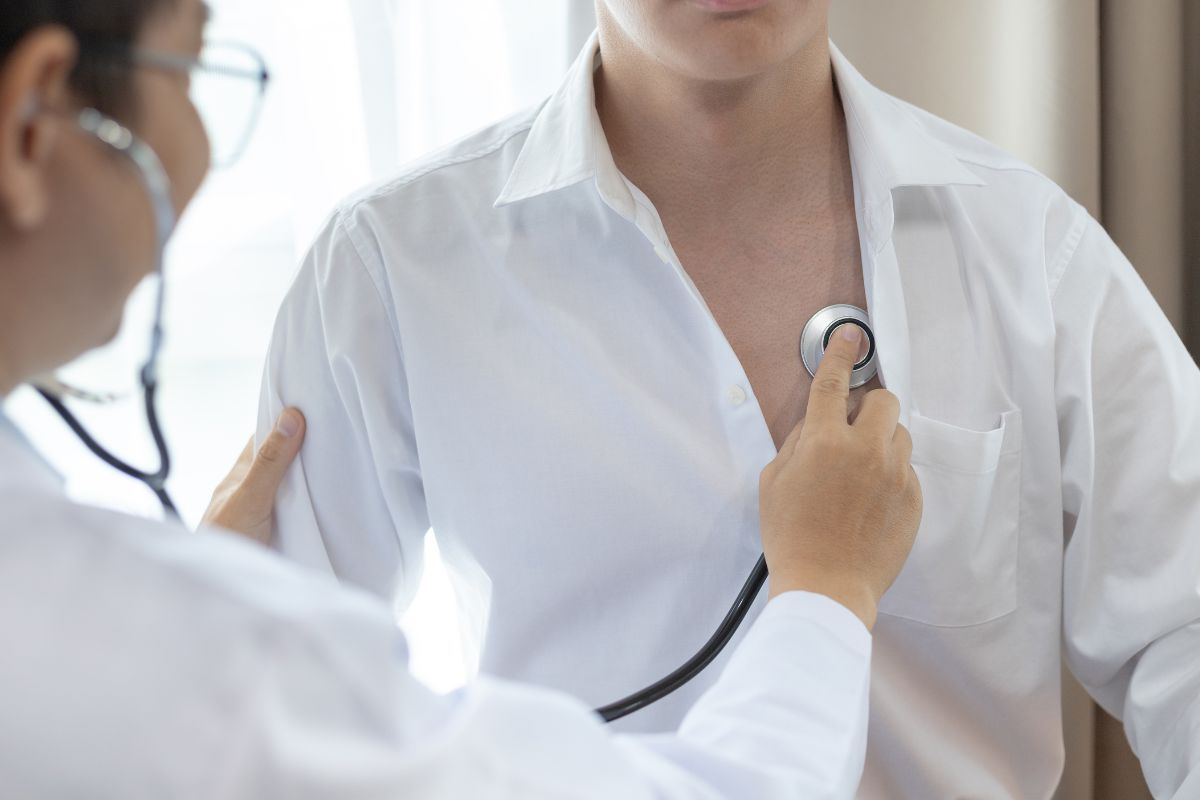
Rapid diagnosis of a heart attack is a crucial element in saving lives and minimizing long-term complications. In suspected heart attack situations, every minute counts, so medicine constantly develops rapid tests that allow instant detection of the problem, even in pre-hospital or emergency room settings. The most important tool remains unquestionably the electrocardiogram (ECG), available in almost every medical facility and emergency vehicle. ECG evaluation within minutes shows heart rhythm and can detect features of a heart attack, such as ST segment elevation (STEMI) or other abnormalities suggesting serious cardiac ischemia. However, this is not the only fast test used clinically – equally significant are biochemical blood tests, with the greatest importance attached to troponin testing. Rapid point-of-care troponin tests have been revolutionary in recent years: they provide reliable information within 10–20 minutes as to whether heart muscle cells have been damaged. Devices for quick troponin measurement are increasingly found in ambulances and emergency departments, speeding up decisions on anticoagulant therapy or referral for coronary angiography. Elevated troponin combined with ECG changes almost immediately confirms a heart attack and classifies its type, as well as rules out other causes of chest pain. There are also rapid tests for other biomarkers, such as CK-MB or myoglobin – but troponin is considered the “gold standard” due to its high sensitivity and specificity for heart muscle ischemia.
It’s worth mentioning that pre-hospital settings are also seeing innovative digital solutions to facilitate communication between rescue teams and the cardiology center. Thanks to telemedicine, ECG records can be sent instantly to a reference center, where a team of specialists decides on further steps – such as immediate transport to a catheterization lab for angioplasty. Rapid biochemical tests increasingly supplement telemedicine solutions, as results with the patient have a significant effect on further diagnosis and treatment plans. In hospitals, confirming a heart attack involves not just ECG and troponin measurement – swift tests may be followed by additional imaging, such as echocardiography or angiography, to localize the cause of ischemia and assess the state of the coronary arteries. Modern diagnostics also use new protocols to stratify patients into risk categories, for example, rapid heart attack rule-out algorithms based on troponin measurements at various time points (“0h/1h/2h”), allowing some patients to be discharged quickly after a negative result. Rapid tests are also invaluable in cases with atypical symptoms or comorbidities such as diabetes or chronic kidney disease, where the classical heart attack presentation may be misinterpreted. The spread and accessibility of rapid tests to both paramedics and emergency staff clearly improve chances for fast threat recognition, reduce time to intervention, and limit irreversible heart muscle damage. Proper use of rapid heart attack tests, supported by professional clinical assessment and modern technology, forms the backbone of contemporary cardiac care and truly offers a chance to save lives in those critical minutes after symptoms appear.
First Aid in Heart Attack – How to React and What to Do
Every minute counts during a heart attack, so immediate and correct first aid is key to the patient’s survival. Knowing what to do in case of a suspected heart attack can save the life not only of a loved one but also of a stranger. Most importantly, stay calm and assess the situation without wasting precious time wavering. If you see symptoms suggestive of a heart attack – sudden, severe chest pain radiating to the arm, shoulder, back, or jaw, shortness of breath, weakness, nausea, anxiety, or cold sweat – you must immediately call emergency services by dialing 112 or 999. Do not delay or wait for the symptoms to pass, as every minute of delay increases the risk of severe complications or death. When talking with the dispatcher, clearly and calmly describe the symptoms, provide the location, and report any important details, such as age, comorbidities, or medications. You should not attempt to transport a suspected heart attack victim to the hospital yourself — professional medical help and the life-saving equipment available in ambulances are indispensable in emergencies.
Until the ambulance arrives, make the patient as comfortable as possible – ideally in a sitting-up position with the back supported and head slightly elevated to reduce strain on the heart and facilitate breathing. The person should rest, not move, and be constantly monitored for changes. Do not administer any medications yourself except those specifically prescribed by a doctor, such as a nitroglycerin tablet prescribed previously for coronary disease (but make sure there are no contraindications, such as very low blood pressure). In most cases, it is advised to give 150–300 mg of chewed aspirin, provided the patient is not allergic or has no contraindications – aspirin inhibits platelet aggregation and may reduce the size of the heart attack even before medical intervention. Keep monitoring consciousness, breathing, and pulse. If the patient loses consciousness and stops breathing, start cardiopulmonary resuscitation (CPR) immediately – 30 chest compressions alternated with 2 rescue breaths, or, if untrained, continuous chest compressions until emergency services arrive or signs of life return. If an automated external defibrillator (AED) is nearby, use it, following the device’s voice instructions. Proper first aid significantly increases the chance of survival and limits the damage to the heart muscle. Do not give fluids, food, or drinks, and avoid anything that might worsen the patient’s condition. Calmness, knowledge, and a quick response are invaluable for a person suspected of having a heart attack, and readiness to act should be part of general health education.
Prevention and Risk Factors of Heart Attack
A heart attack is the result of complex interactions between genetic, environmental, and lifestyle factors. Prevention plays a key role here – both primary (preventing the disease in healthy people) and secondary (preventing further incidents in those who’ve already suffered a heart attack). The main risk factors for developing coronary artery disease include high blood pressure, diabetes, high cholesterol, obesity, smoking, chronic stress, lack of physical activity, and an unhealthy diet. These factors lead to atherosclerosis, the direct cause of heart attacks. Family predisposition also matters, as a family history of cardiovascular disease, especially at a young age (younger than 55 in men, younger than 65 in women), greatly increases risk. Age itself is another key factor – the older a person, the greater the risk. Men are more at risk of early onset of coronary artery disease, but after menopause, women’s risk increases significantly and equals that of men.
Heart attack prevention is built mainly on modifying risk factors and adopting healthy habits. Regularly checking blood pressure, cholesterol, and glucose levels is fundamental – early detection and treatment of hypertension, diabetes, and hypercholesterolemia reduces long-term heart attack risk. Lifestyle changes play a huge role in prevention: quitting smoking (including secondhand smoke) is one of the most effective measures to reduce coronary event risk. Regular physical activity is recommended – at least 150 minutes of moderate effort weekly (for example, brisk walking, cycling, or swimming), as it benefits the cardiovascular system, lowers body weight, and improves lipid and glucose metabolism. The diet should emphasize vegetables, fruits, whole-grain cereals, fish, low-fat dairy, legumes, and healthy plant fats (e.g., olive oil). Limiting salt, processed foods, trans and saturated fats, simple sugars, and red meat is strongly recommended, as this leads to lower blood pressure, a favorable lipid profile, and stable weight. Reducing stress and ensuring good sleep are also invaluable – chronic stress, mental tension, lack of rest, and regular sleep deprivation increase blood pressure, trigger arrhythmias, and can lead to unhealthy behaviors. Regular medical check-ups are advised, especially if there’s a family history of sudden cardiac death or already diagnosed coronary disease. For those who’ve suffered a heart attack, secondary prevention especially includes following the cardiologist’s medication regimen, intensifying healthy lifestyle actions, and rigorously monitoring risk factors. Modern cardiology also offers tools for assessing cardiovascular risk (e.g., SCORE or Framingham scales) that allow doctors to individually tailor strategies for preventing further incidents. A comprehensive approach, combining both population-wide and individual steps, is currently the most effective way to reduce the number of heart attacks in society.
Summary
Heart attack poses a serious health threat, requiring quick recognition and prompt action. Knowing the typical symptoms – such as severe chest pain, shortness of breath, or weakness – is the key to effective assistance. Modern diagnostics, including ECG, blood tests, and artificial intelligence, quickly confirm a heart attack and assess risk. Knowing how to give first aid can save a life. Also remember about prevention and controlling risk factors such as diet, physical activity, and regular check-ups. Conscious actions are the best way to protect your heart!