
Find out what’s pollen-related in March! Check out the most important allergens, allergy symptoms, and effective ways to protect allergy sufferers this spring.
Table of Contents
- Pollination in March – Why Is It a Difficult Month for Allergy Sufferers?
- The Most Common Plants Pollinating in March: Hazelnut, Alder, Poplar, and Birch
- Pollen Allergy Symptoms – How to Recognize Them?
- March Pollen Calendar – When to Expect Stronger Symptoms?
- How to Protect Yourself from Pollen in March? Proven Methods and Prevention
- Treatment and Support for Allergy Sufferers – What to Do During Peak Pollination?
Pollination in March – Why Is It a Difficult Month for Allergy Sufferers?
March is the time when nature comes back to life after the winter slumber, and the first signs of spring are visible not only on trees but also in the airborne pollen. For many allergy sufferers, this is one of the hardest months of the year, because rising temperatures and longer days trigger the intense pollination periods for many plants that can cause allergic reactions. The greatest problem for sensitized individuals during this period are deciduous tree pollens, particularly alder, hazelnut, poplar, and willow. The earliest—hazelnut and alder—may start to pollinate already in February, but it’s in March that their airborne concentrations peak, which means a risk of severe allergic symptoms even for people whose symptoms are typically weaker in other months. These pollens are light and easily dispersed in the air, so even those living far from allergenic trees can experience symptoms.
The unpredictability and volatility of March weather pose a particular challenge. A changing aura—alternating between warm, sunny days and cooler, rainy periods—causes pollen concentrations to fluctuate dramatically. On warm, dry days, pollen levels may surge, leading to the aggravation of symptoms such as sneezing, itchiness of the nose, watery eyes, a stuffy nose, and in individuals with bronchial asthma, also shortness of breath. March is also a time when many people don’t expect to be exposed to high allergen concentrations, leading to decreased vigilance and a higher risk of sudden, unpleasant symptoms. Additionally, after winter, the respiratory system is more sensitive: dry mucous membranes and chronic infections may intensify allergic responses, making symptoms difficult to distinguish from a common cold. March also brings a risk of combined irritants—like the presence of smog, leftover air pollution from heating season, and the first grass and weed pollens, which may already appear in this month. Altogether, this means an allergy sufferer’s body is exposed to more allergens and environmental threats, making March one of the riskiest months for experiencing strong symptoms of aeroallergen allergies.
The Most Common Plants Pollinating in March: Hazelnut, Alder, Poplar, and Birch
March sees the allergy season accelerating—mainly due to several characteristic plants, whose pollens are among the most allergenic at this time of year. Hazelnut, alder, poplar, and birch all begin intensive pollination, and their ubiquitous presence in Poland results in high airborne concentrations of pollen nationwide. Hazelnut is the first, sometimes as early as late February, kicking off the spring pollen wave—but its pollination peaks in March. Hazelnut (Corylus avellana), belonging to the birch family, grows in forests, parks, and gardens. Its pollen, rich in strongly allergenic proteins, spreads far and wide, causing noticeable respiratory allergies, especially on sunny, windy days.
Alder (Alnus glutinosa), also in the birch family, has its pollination peak exactly in March. Common along riverbanks, in moist forests, and by lakes, alder pollen is highly allergenic—even small amounts can trigger strong symptoms such as runny nose, itching and redness of the eyes, and shortness of breath. Importantly, many allergy sufferers sensitive to alder pollen can also cross-react to birch, compounding symptoms during this late winter period. The pollination from these trees complicates daily life, especially when air movement carries allergens tens of kilometers from their source.
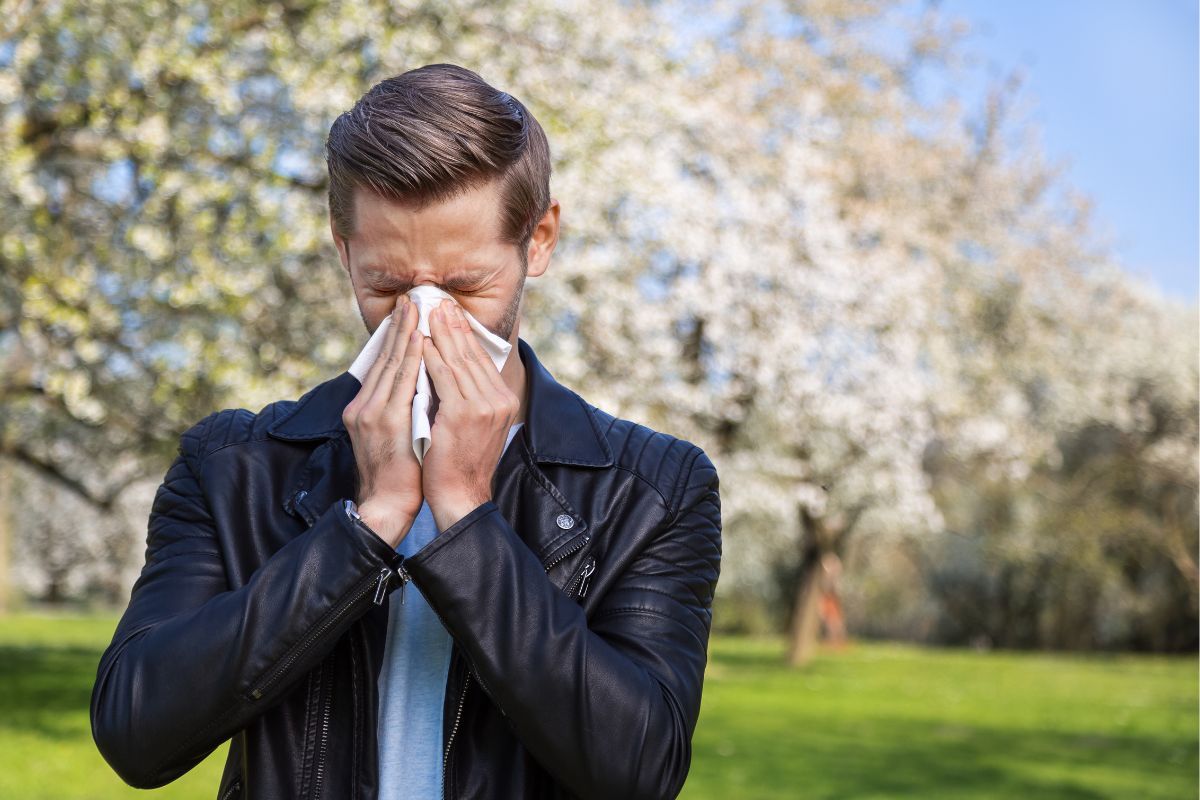
As March progresses, poplar (Populus), a common urban and roadside deciduous tree, joins the allergen ranks. While poplar pollen is less allergenic than hazelnut or alder, its abundance and unique structure can trigger strong reactions in sensitive individuals. Poplar starts to pollinate from late March into April, and its airborne presence is challenging because the tiny pollen grains linger in the air for a long time. An added issue is that poplar pollen often mixes with city dust and fine pollutants, amplifying its negative effect on the respiratory system and increasing symptoms like coughing or asthma attacks. By late March and into early April, birch (Betula), arguably the most significant allergen, appears—birch is a real challenge for allergy sufferers due to its exceptionally strong sensitizing properties. Widely spread in forests and urban areas, birch produces huge amounts of Bet v1 protein, the main cause of pollen allergies in Poland. Birch pollen can persist for many days, with microscopic grains penetrating deep into the respiratory tract, particularly dangerous for people with asthma or chronic respiratory illnesses. Because of significant cross-reactivity with other plant allergens—including alder, hazelnut, apples, and nuts—many people may misinterpret their first symptoms in March, which are, in fact, caused by these trees’ pollen, indicated by sneezing fits, skin itching, watery eyes, or general weakness. The combined and strong action of hazelnut, alder, poplar, and birch pollens makes March one of the most challenging months for allergy sufferers, and proper diagnosis and prevention are crucial for those sensitive to these allergens.
Pollen Allergy Symptoms – How to Recognize Them?
Pollen allergy, also known as hay fever or seasonal allergic rhinitis, shows up as a range of symptoms typically emerging during high pollen periods—such as March. The allergy is the result of the immune system overreacting to proteins present in plant pollen—leading to the release of large amounts of histamine and other inflammatory mediators. The most common and easily recognizable symptoms include persistent runny nose (usually clear and watery) and paroxysmal (sudden, repeated) sneezing, especially after exposure outdoors on dry, windy days. Itchy nose, palate, and throat lead to involuntary scratching and frequent facial rubbing. Other symptoms can include a blocked nose (often confused with viral infections), itching, redness, and watery eyes. Many allergy sufferers report burning, swollen eyelids, and photophobia, which significantly disrupt daily comfort. These symptoms are usually seasonal, closely linked to the presence of airborne allergens—increasing with higher pollen levels and subsiding when conditions change, humidity drops, or rain occurs. In periods of high pollen exposure, symptoms can last for weeks or even months, impeding daily activities and impacting sleep and mental well-being.
A very characteristic feature of pollen allergy is the dominance of upper respiratory and conjunctival symptoms, but systemic manifestations can occur. These may include chronic fatigue, headaches, concentration problems, and irritability, resulting from mucous membrane irritation and poor sleep due to recurring symptoms. In asthmatic patients, plant pollen often exacerbates the disease, leading to shortness of breath, coughing, wheezing, or flare-ups requiring medical intervention. Notably, some symptoms, such as chronic nasal blockage or ongoing watery eyes, can be incorrectly identified as infections or chronic colds for weeks, delaying correct allergy diagnosis. In children, pollen allergies may manifest as sleeping with an open mouth, snoring, more frequent ear infections, and difficulties with school concentration. Attention should also be paid to cross-allergy—where people allergic to a specific tree (like birch) may react to certain fruits or veggies (like apples, celery, carrots) due to similarities between allergenic proteins, causing itching or swelling of the mouth or throat after eating certain foods. That’s why it’s important not to ignore even mild symptoms during pollen season, paying attention to seasonality, accompanying symptoms, and their weather dependence—skills that help quickly recognize pollen allergies and allow timely prevention and treatment.
March Pollen Calendar – When to Expect Stronger Symptoms?
March is a key month in Poland’s pollen calendar, especially for people allergic to tree pollens. The intensity of pollination and plant blooming periods depend on factors like daylight length, average temperature, humidity, and wind—all of which influence the frequency and strength of allergy symptoms. Hazelnut usually starts the season in late February, with concentrations quickly rising and remaining high through the first half of March. For hazelnut-sensitive people, their worst symptoms (runny nose, sneezing, itchy eyes) appear at the beginning of the month. In mid-March, alder pollination peaks—this is the hardest time for people allergic to its pollen. This means many allergy sufferers face increasing symptoms from early March, with the peak typically occurring between March 10th and 20th, when alder and hazelnut pollens overlap and intensify reactions. Middle European climates, like Poland’s, are highly changeable, so atmospheric factors—warmth, dryness, wind—encourage pollen dispersal, meaning allergy sufferers should keep an eye on pollen forecasts and rapid changes in concentrations. In practice, temperature swings, rain, or wind can cause sudden spikes—and sudden drops—granting periods of relief.
In the second half of March, poplar’s pollination intensifies—although less likely to trigger severe reactions than hazelnut or alder pollen, sensitive individuals (especially in cities where poplars are common) may notice increased symptoms. Around March 20–25, the first birch pollen episodes appear, though its peak is in early April—but cross-allergy between alder and birch means those sensitive to both may experience symptoms even earlier. The classic pollen calendar predicts that most allergy sufferers will feel worst during periods when multiple tree species are pollinating at the same time—and sunny, dry days with moderate wind help airborne pollen rise. In urbanized areas, pollen concentrations are further amplified by pollutants and city dust, weakening mucous membranes and triggering more severe symptoms. It is recommended to follow daily pollen forecasts that indicate when to expect increased symptoms— the number of days with high pollen levels in March varies by region, but central and southern Poland typically see the most intense tree pollination in this month. Detailed pollen calendars are published by national allergen monitoring stations; use these tools to plan outdoor activities and adapt your lifestyle to the dynamic pollen situation. This way, allergy sufferers can plan walks, reduce exposure during high pollen times, and use both pharmacological and domestic preventive measures effectively.
How to Protect Yourself from Pollen in March? Proven Methods and Prevention
March is an especially difficult month for allergy sufferers, so proper prevention and daily habits can significantly improve life for those sensitive to tree pollens. The most important step is to repeatedly check up-to-date pollen alerts available on specialist websites and mobile applications. By keeping track, you can plan your outdoor activities to avoid walks or exercise during the highest pollen concentrations. Dry, windy days are the most dangerous — that’s when airborne pollen surges. Remember that highest concentrations are usually observed in the morning and early afternoon, so it’s best for sensitive individuals to go outdoors in the evening when pollen counts are lowest. A good practice is to keep windows closed at home and in your car, especially during windy weather and peak pollen hours. Modern HEPA-filter systems and air purifiers offer additional protection against allergens entering interior spaces—be sure to clean or replace filters regularly for them to stay effective. Hanging laundry outside during pollen season is not recommended—pollen easily adheres to fabric and then is transported indoors. Upon returning home, it’s best to immediately change clothes and wash your hair—pollen sticks to both, continuing to irritate your airways even after you leave high-allergen environments.
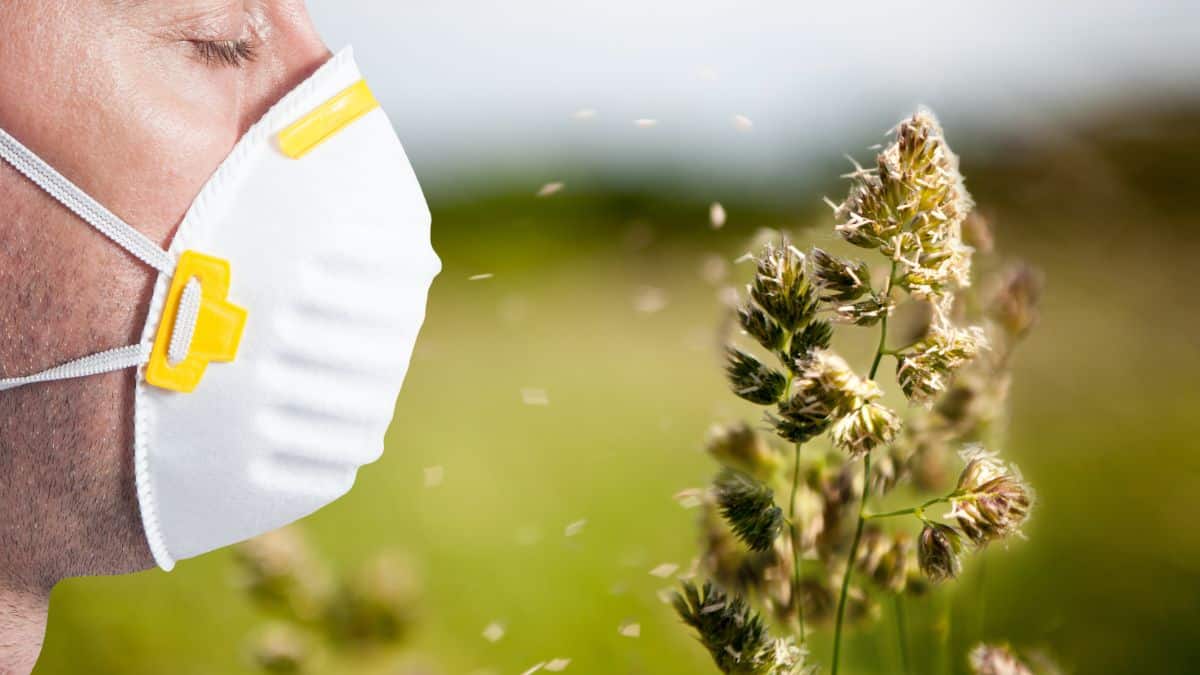
Allergy sufferers should use the right protective accessories and maintain personal hygiene during the pollination period. Sunglasses during outdoor activities help keep pollen out of the eyes, and allergy masks protect nose and throat, especially in cities and heavily polluted areas. In March, choose long-sleeved clothing and lightweight head coverings to limit allergen contact with your skin and hair. Frequent hand washing and avoiding touching your face when outdoors further reduces the risk of transferring pollen to your eyes, nose, and mouth. Those particularly sensitive may consider saline eye drops and nasal sprays, which help rinse allergens from mucous membranes and lessen symptoms. For advanced medical prevention, consult an allergist regularly—doctors may recommend antihistamines, nasal steroids, or, in serious cases, specific immunotherapy (allergy shots). Mind cross-allergies: in March, those sensitive to pollen can also react to certain foods, so it’s important to monitor your body’s reaction to dietary items. In city conditions, pollen binds to smog and other pollutants, growing more irritating—avoid busy routes during walks and frequently clean your home (preferably wet cleaning) to reduce exposure. Adjusting habits for the season, consciously planning activities, and regularly following medical advice makes it possible to effectively minimize pollen contact and protect your health even during the most challenging pollination periods.
Treatment and Support for Allergy Sufferers – What to Do During Peak Pollination?
During the March peak pollination season, when plant allergen concentrations soar, effective treatment and support require a multi-level approach. The core of managing pollen allergies is to start the right pharmacotherapy—planned and started in advance after consulting an allergist. The most common are second-generation antihistamines, which effectively ease itchiness, sneezing, runny nose, and watery eyes, without causing drowsiness or concentration difficulties. For moderate to severe symptoms, nasal glucocorticosteroids are advised—they reduce inflammation of nasal and sinus mucosa. Many allergy sufferers also use antileukotriene preparations, and in some cases, topical cromones are helpful, especially for allergic conjunctivitis. Take medication as advised by your doctor, ideally starting before the expected peak and continuing as long as symptoms persist. The best effects come from individual therapy adjustments and regular health checks, especially in children, pregnant women, and elderly people, who often experience more severe allergic reactions and require extra care with medication choices. For high-risk patients, such as those with allergic asthma, it’s crucial to monitor breathing parameters closely and strictly stick to treatment plans. Do not stop preventive treatment even during temporary improvements—the return of high pollen concentrations can suddenly worsen symptoms.
Modern support for allergy sufferers gives greater importance to specific immunotherapy (allergy shots/desensitization)—the only method proven to permanently change the immune response through months of gradually increased allergen doses, given as injections or sublingual tablets. Immunotherapy can substantially reduce or even eliminate pollen allergy symptoms and decrease asthma risk. Desensitization should be started outside the pollination season, so March is an important time to check therapy results or plan new treatment after the season ends. Besides medication, implement support measures—use HEPA filters at home, air purifiers, and coordinate daily activities with pollen alerts. Take care of mucous membranes: regular nasal irrigation with saline removes pollen and reduces inflammation. Soothing eye drops and nasal gels create a barrier against allergens. Those with severe symptoms may want to use special anti-allergic masks outdoors, especially during windy or hot days. Psychological support, education, and support groups can significantly improve quality of life, helping people cope better with daily challenges and minimize chronic disease stress. Also, stay hydrated and avoid additional irritants such as cigarette smoke or strong chemical odors, which can heighten allergic responses. Regular medical contact, modern diagnostics and treatment methods, and strict compliance with medical recommendations are essential pillars of effective support during peak pollination—allowing you to significantly reduce allergy symptoms and improve your quality of life even in the toughest spring months.
Summary
March is the time of intensive pollination of hazelnut, alder, poplar, and birch—common causes of allergy symptoms. It’s worth following the current pollen calendar and monitoring symptoms such as sneezing, watery eyes, or breathing difficulties. The key to protecting your health in March is proven prevention methods—avoiding outdoor activity during peak pollen hours, thoroughly washing your face and hair, using air purifiers, and regularly taking doctor-recommended medications. Remember, prompt reaction and well-chosen treatment can effectively ease allergy symptoms and help you enjoy the arrival of spring.


