
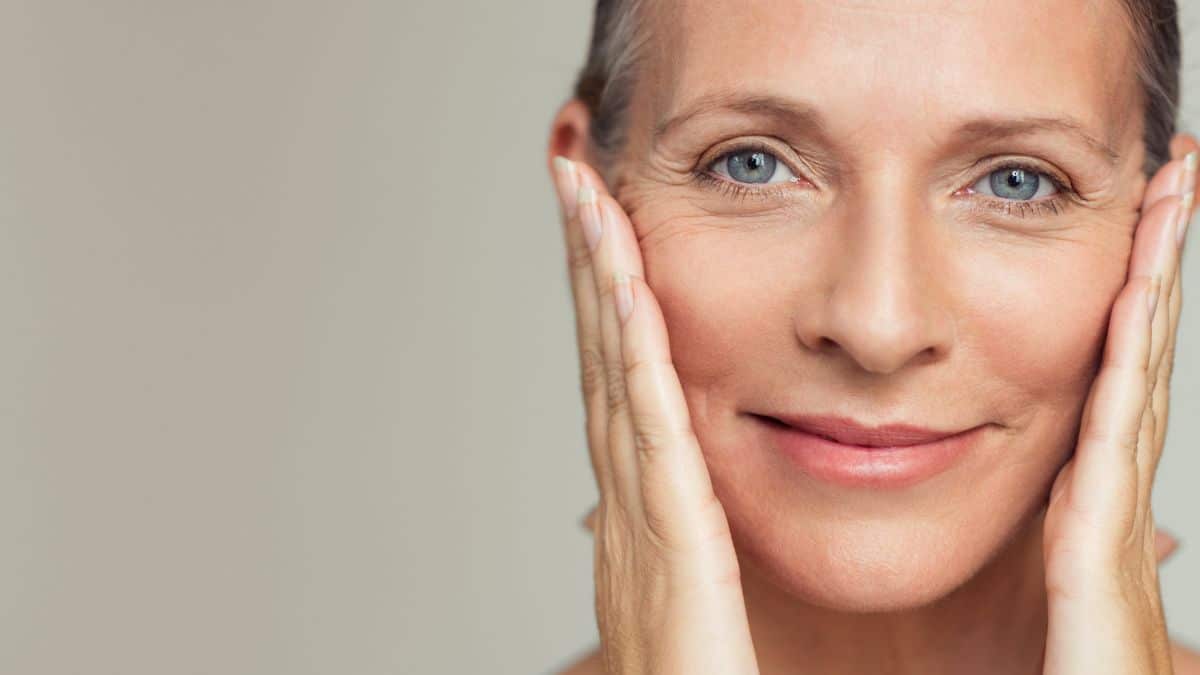
The skin, our largest organ, is not only a protective barrier, but also a mirror of our health and age. The skin changes that occur as we age are a natural process of aging. However, their nature and severity can tell us a lot about our overall health. In this article, we’ll take a closer look at what skin changes are typical for different stages of life and what they can mean.
Skin aging process – mechanisms
Before we move on to specific skin changes, it is worth understanding why our skin ages. This process is complex and depends on many factors, both internal and external.
- Hormonal changes: A decrease in the production of hormones, such as estrogen and testosterone, leads to a loss of skin elasticity and the appearance of wrinkles.
- Decreased production of collagen and elastin: These protein fibers are responsible for skin firmness and elasticity. As we age, their production declines, leading to a loss of skin tone.
- Changes in the epidermis: The thickness of the epidermis decreases, making the skin drier and more sensitive.
- Harmful effects of UV radiation: Prolonged exposure to the sun accelerates the skin’s aging process, causing discoloration, wrinkles and an increased risk of skin cancer.
Skin lesions according to age
- 20-30 years:
- Fine facial wrinkles: They usually appear around the eyes and mouth, as a result of frequent facial expressions.
- Light discoloration: May be the result of sun exposure or hormonal changes.
- 35-45 years:
- Wrinkle deepening: Wrinkles become more visible and become more permanent.
- Loss of firmness: The contours of the face begin to round out, and the skin loses elasticity.
- Dry patches: Dry, scaly patches may appear, especially on the face and body.
- 45-55 years:
- Prominent wrinkles: Wrinkles become deeper and more visible, especially on the face and neck.
- Discoloration: Major discoloration appears, often in the form of pigment spots.
- Loss of skin volume: The face loses volume, and the cheeks may collapse.
- Over 55 years old:
- Deep wrinkles: wrinkles are very deep and fixed.
- Flabby skin: The skin becomes flabby and saggy, especially on the eyelids, neck and décolletage.
- Hyperpigmentation and vascular lesions: Numerous discolorations, red spots and vascular spider veins appear.
What skin changes should concern us?
Although many age-related skin changes are normal, some may be indicative of more serious health problems. Note the following:
- Rapidly growing or shape-changing moles: May be a sign of melanoma.
- Red, itchy patches: May indicate eczema or other skin diseases.
- Wounds that do not heal for a long time: They may be a sign of circulatory disorders or diabetes.
- Changes in nail color or thickness: May indicate health problems, such as nail fungus or thyroid disease.
How do you take care of your skin as you age?
Although the skin aging process cannot be completely stopped, we can slow it down and improve the appearance of the skin through proper care.
- Regular skin care: cleanse, tone and moisturize your skin daily with the right products for your skin type.
- Sun protection: Use creams with a high UV filter, even on cloudy days.
- Healthy diet: eat plenty of vegetables, fruits and antioxidant-rich foods.
- Healthy lifestyle: quit smoking, reduce stress and drink plenty of water.
- Regular dermatological examinations: Regular check-ups with a dermatologist will help detect possible cancerous changes early.
Summary
Skin changes are a natural process of aging. Understanding what changes are typical for each stage of life allows us to take better care of our skin and detect possible health problems early. Remember that a healthy diet, active lifestyle and proper skin care can significantly delay the aging process and improve the appearance of your skin.


