
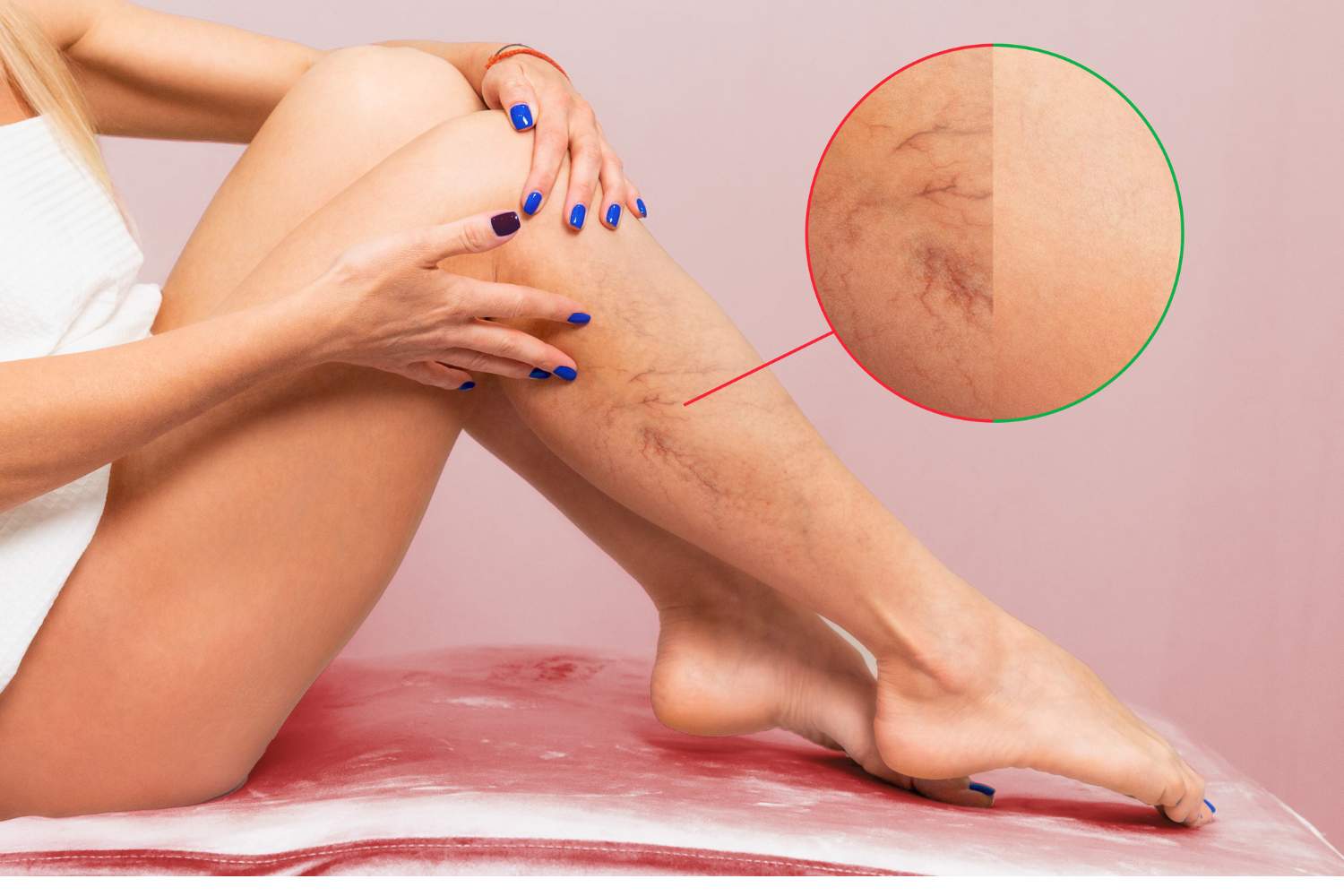
Varicose veins
Varicose veins of the lower limbs are a problem that affects a large part of the population, often being a source of not only aesthetic discomfort, but above all serious health ailments. Despite their prevalence, knowledge about them is still insufficient, and the first symptoms are often underestimated.
Table of contents
What are varicose veins? Causes of varicose veins
In colloquial terms, varicose veins are blue or purple, twisted and convex veins visible under the skin, which most often appear on the legs, especially on the calves and thighs. They can resemble knotted bulges or winding cords that can be felt under the fingers.
From a medical point of view, the definition is more precise. Varicose veins (Latin: varix) are a permanent, pathological widening and elongation of superficial veins, which causes them to acquire a tortuous course. According to the international classification CEAP, which standardizes the assessment of venous diseases, varicose veins (stage C2) are when dilated, inefficient veins have a diameter equal to or greater than 3 mm, measured during an ultrasound examination in a standing position.
Civilization problem: How common are varicose veins in Poland?
Chronic venous insufficiency (CVI), the most common symptom of which are varicose veins, is one of the most common diseases in developed countries. It is estimated that in Poland this problem may affect up to 40-60% of the adult population, which makes it a disease of social importance. Statistics show that ailments related to venous diseases occur in about 42-48% of women and 30-42% of men. The incidence of the disease clearly increases with age, and the first symptoms may appear as early as in people over 30 years of age.
Why are varicose veins not only a cosmetic defect?
This is a key question, the answer to which is the foundation of understanding the whole problem. The common tendency to treat varicose veins only as a beauty flaw is a dangerous myth and the main reason for postponing a visit to the doctor. Such an attitude leads to the development of the disease and the appearance of complications that are dangerous to health and even life.
It should be strongly emphasized: varicose veins are not a disease in itself, but the most visible symptom of chronic venous insufficiency, including varicose veins of the main venous trunks. They are an external manifestation of a deeper problem – the malfunction of the venous system. Ignoring this signal and lack of treatment cause the disease to progress, leading to increased pain, permanent swelling, irreversible skin lesions, hard-to-heal ulcers, and in extreme cases to deep vein thrombosis and pulmonary embolism, which is a life-threatening condition. That is why early diagnosis and taking appropriate action are so extremely important.
How do varicose veins form? Understanding the mechanism of venous insufficiency

In order to fully understand why varicose veins form, it is necessary to know the basics of the venous system in our legs. It is a fascinating system that fights the force of gravity every day.
Venous system of the legs: How does blood return to the heart?
Arterial blood, rich in oxygen, is pumped from the heart to all tissues of the body. After giving up oxygen and nutrients, venous blood must return to the heart. In the case of legs, this is a particularly difficult task, because the blood has to flow “uphill”, against the force of gravity. Three interconnected vein systems play a key role in this process, which is important when considering treatments for varicose veins on the legs. :
- Deep vein system: It is located inside the muscles, which play an important role in the outflow of blood from the superficial veins. It is used to flow about 90% of the blood returning from the legs. It is the main “highway” for venous blood.
- Superficial vein system: Located just under the skin. It is in this system, in veins such as the saphenous and saphenous veins, that varicose veins most often form.
- Perforators: These are short vessels connecting the superficial and deep systems, allowing blood to flow from the superficial to deep veins, which is important in the context of varicose veins.
Valve failures and venous reflux: The heart of the problem
In order for blood to flow efficiently upwards, healthy veins are equipped with special structures – venous valves. They act like a system of one-way valves: they open when blood flows towards the heart, and close immediately to prevent it from backing up under gravity.
The problem arises when these valves are damaged, weakened, or when the walls of the vein stretch excessively. They then become leaky and do not close properly. This leads to a phenomenon called venous reflux – instead of flowing straight to the heart, the blood begins to flow back up and remain in the lower parts of the veins. It is this retrograde blood flow that is at the heart of the problem. The residual blood causes a constant increase in pressure inside the vessel (the so-called causes of varicose veins on the legs). venous hypertension). This excessive pressure presses against the walls of the veins, causing them to progressively stretch, widen and twist – this is how visible varicose veins are formed.
Calf muscle pump – an underrated “second heart”
The heart itself does not have enough force to “suck” blood from distant parts of the body, such as the feet. Nature has equipped us with an ingenious supporting mechanism – the calf muscle pump, often called the “peripheral heart” or “second heart”.
This mechanism is simple and extremely effective. During each step, when we tense the calf muscles (especially the soleus and gastrocnemius muscles), they press on the deep veins between them. This pressure acts like a sponge squeezing – the blood is vigorously pushed upwards, towards the heart. As the muscles relax, the pressure in the veins decreases and the valves below close, preventing blood from returning. This cyclical process is absolutely crucial for proper venous circulation. Understanding the role of the “second heart” allows you to immediately understand why physical inactivity and prolonged sitting or standing are so harmful. When the muscle pump is not working, blood stagnates in the veins, pressure increases, and this is a straight path to the development of venous insufficiency and varicose veins.
Primary vs. secondary varicose veins – what are the differences?
In medicine, there are two basic types of varicose veins, depending on their cause:
- Primary varicose veins: They constitute the vast majority, as much as 95% of all cases. They arise without a previous, identified venous disease, and varicose veins most often form as a result of improper circulation. They are caused by congenital, often genetically determined, weakness of the connective tissue building the walls of the veins and underdevelopment or abnormal structure of the venous valves.
- Secondary varicose veins: They are a consequence of another disease that led to damage or obstruction of the veins. The most common cause is a history of deep vein thrombosis (DVT). A thrombus, even after dissolution, can permanently damage the valves or narrow the lumen of the vein, leading to the so-called post-thrombotic syndrome and the formation of secondary varicose veins. Less common causes are congenital or acquired arteriovenous fistulas and compression syndromes.
This distinction is important from a clinical point of view, as it highlights that the appearance of varicose veins can be a signal of a serious illness in the past, which requires special attention during diagnosis.
Who is at risk? Main Causes and Risk Factors of Varicose Veins
The development of varicose veins is a complex process that is influenced by many factors. Rarely is one cause able to cause disease. Usually, this is the result of the overlapping of several risk factors that mutually intensify each other’s negative effects. Understanding which of them apply to us is the first step to effective prevention.
Genetics – are varicose veins hereditary?
Yes, genetic predisposition is considered the most important and independent risk factor for the development of chronic venous insufficiency. If one of the parents had varicose veins, the risk of their occurrence in the offspring increases significantly – it is estimated at about 60% in daughters and 25% in sons. If both parents struggled with this ailment, the probability can reach up to 90%.
We inherit not the varicose veins themselves, but the tendency to develop them. It may be a genetically determined abnormal structure of collagen and elastin, which are responsible for the strength and elasticity of the vein walls. We can also inherit a smaller number of venous valves or their defective design. Although we have no influence on genes, the awareness of family burden should be a strong motivator to implement early and consistent prevention.
Gender and hormones: Why do women get sick more often?
The statistics are unequivocal – women suffer from varicose veins much more often than men, even 4-5 times. The main cause of this imbalance is the influence of female sex hormones, especially estrogen and progesterone. These hormones have a relaxing effect on smooth muscles, which are located in the walls of the veins. This leads to a decrease in their tension and flexibility, and consequently to their widening.
This risk is particularly high during periods of rapid hormonal fluctuations:
- Pregnancy: It is a real “hormonal storm” combined with mechanical factors. In the first trimester, high levels of progesterone weaken the veins. In the following months, the growing uterus begins to compress large veins in the pelvis and abdominal cavity, which mechanically hinders the outflow of blood from the legs. In addition, the volume of circulating blood in the body of a pregnant woman increases by up to 20%, which puts additional strain on the vessels.
- Hormone Therapies: The use of oral contraception or hormone replacement therapy (HRT) during menopause is also a significant risk factor, as it introduces additional doses of hormones into the body that affect the venous vessels.
- Menopause: A natural decrease in estrogen levels during this period can also contribute to the weakening of the vein structure and loss of their elasticity.
Lifestyle Impact: Work, Weight, and Daily Habits
Although genetics and gender are factors beyond our control, our lifestyle plays a huge role in whether and when varicose veins appear. This is where the greatest preventive potential lies.
- Age: The aging process naturally weakens all tissues, including the walls of the veins, which lose their elasticity. Venous valves also “wear out”, which promotes the development of reflux.
- Working in a sitting or standing position: This is one of the key risk factors of civilization. Long hours spent at a desk or “on your feet” (e.g. in the profession of a hairdresser, salesman, surgeon) lead to the shutdown of the calf muscle pump. Blood, not supported by muscle work, remains in the veins, causing an increase in pressure and stagnation.
- Overweight and obesity: Each extra kilogram is an additional burden for the venous system. Excess body fat, especially in the abdominal area, increases pressure in the abdominal cavity, which directly hinders the return of blood from the legs to the heart. What’s more, adipose tissue is hormonally active and produces estrogens, which further weakens the veins, increasing the risk especially in women.
- Physical inactivity: A sedentary lifestyle is a direct cause of weakness and insufficiency of the calf muscle pump, which is one of the main mechanisms leading to venous stasis.
- Incorrect diet: A diet low in fiber often leads to chronic constipation. Increased pressure during defecation rapidly increases the pressure in the abdominal cavity, which makes it difficult for blood to drain from the legs. Excessive salt consumption, in turn, promotes water retention in the body and the formation of swelling, which puts additional strain on the venous system.
- Other factors: Other, but equally important risk factors include:
- Smoking: The toxins in tobacco smoke damage the endothelium (the inner lining) of blood vessels and increase blood clotting.
- Clothing and footwear: Wearing very tight clothes (e.g. narrow pants) or socks with a tight welt can act as a tourniquet. Very high-heeled shoes immobilize the ankle joint and block the work of the muscle pump.
- High Temperature: Frequent hot baths, sauna or intense sunbathing cause the veins on the legs to dilate, which hinders the outflow of blood and intensifies the symptoms of insufficiency.
Understanding how these factors “overlap” is crucial. A woman (risk 1) with a genetic burden (risk 2), who has a sedentary job (risk 3) and uses hormonal contraception (risk 4), has an incomparably higher risk of developing varicose veins than a person with only one risk factor. This accumulation of threats should prompt particularly careful prevention.
Symptoms of varicose veins – from a feeling of heaviness in the legs to serious skin changes
Chronic venous insufficiency is a progressive disease. Its symptoms develop gradually, often over many years. The key is to learn to recognize the first, subtle signals that our body is sending. Ignoring them allows the disease to move into more advanced and more difficult to treat stages. The progression of the disease is perfectly illustrated by the already mentioned CEAP classification, which ranks the symptoms from the mildest (C0) to the most severe (C6).
The first symptoms of varicose veins: When to start worrying?
Before visible, twisted veins appear on the legs, the disease manifests itself through a number of subjective ailments related to the causes of varicose veins. Importantly, pain and discomfort can precede the appearance of visible varicose veins by up to several years. These early symptoms, often referred to as the C0 or C1 stage on the CEAP scale, are a direct result of rising pressure in the veins and blood stasis.
The most common first symptoms include :
- Feeling of heaviness in the legs: Patients describe it as feeling like the legs are “made of lead,” especially at the end of the day.
- Fatigue and Dispersion: Legs get tired quickly, there is a feeling of tension and pressure in the calves.
- Dull pain in the legs: The pain is diffuse, dull, sometimes throbbing or burning. It is not sharp, but persistent.
- Swelling: Initially, they are small, appearing in the evening, mainly around the ankles. Characteristically, they disappear after a night or after resting with their legs raised.
- Painful muscle cramps: They most often affect the calves and appear at night, abruptly waking up from sleep.
- Itching: Persistent itching, especially around the ankles, can be one of the first symptoms of skin lesions.
- Restless legs syndrome: The compulsion to move the legs at rest to alleviate unpleasant sensations.
All these symptoms have one thing in common: they intensify during the day, during prolonged standing or sitting, as well as in the heat. Resting with your legs above heart level, taking a cool shower or doing physical activity (e.g. walking) brings relief, as all these activities support the outflow of residual blood. Ignoring these “feelings” is a mistake because they are the first clinical evidence that something bad is happening in our veins that can lead to varicose veins on the legs, which worsen at the end of the day.
Spider veins (telangiectasias) and varicose veins – what are the differences?
As the disease progresses, in addition to subjective complaints, changes visible to the naked eye appear. It is important to be able to distinguish between them:
- Spider veins (telangiectasias): These are the smallest changes (C1 CEAP stage). These are permanently dilated capillaries, located just below the surface of the skin. They have a diameter of less than 1 mm and are red, purple or blue. They are arranged in characteristic patterns resembling a spider’s web or fans. They can occur spontaneously (as a cosmetic defect), but very often they are the first visible sign of venous insufficiency.
- Reticular veins: They are slightly larger than spider veins (1-3 mm in diameter), have a bluish color and form a mesh under the skin, often feeding spider veins.
- Varicose veins: These are already advanced changes (C2 CEAP stage). These are widened, elongated and tortuous superficial veins with a diameter of more than 3 mm. They visibly protrude above the surface of the skin, creating palpable, soft thickenings or tangles.
Advanced symptoms and skin lesions in venous insufficiency
Further, untreated progression of the disease leads to the development of serious, often irreversible changes. According to the CEAP classification, these are the next stages of advancement:
- C3: Edema: The swelling, which initially appeared only in the evening, becomes permanent and does not fully disappear even after a night’s rest.
- C4: Skin lesions may be a symptom of reticular varicose veins. They are the result of many years of venous hypertension, chronic inflammation and the seepage of fluids and red blood cells from the vessels into the surrounding tissues. These lesions are most often located on the lower legs, in the so-called “gaiter area”, i.e. above the ankles.
- C4a: Discoloration and eczema: The skin takes on a rusty-brown color. This is the result of the deposition of hemosiderin in tissues – a pigment derived from the breakdown of hemoglobin from extravasated red blood cells. There may also be pain associated with anal varicose veins. Congestive eczema (stasis dermatitis) – itchy, red, scaly and oozing inflammation on the skin.
- C4b: Lipodermatosclerosis and white atrophy: As a result of chronic inflammation and fibrosis, the skin and subcutaneous tissue become hard, compact and painful to the touch. The leg in this area narrows, taking on the characteristic shape of an inverted champagne bottle. White atrophy (atrophie blanche) may also appear – porcelain-white, scarring spots surrounded by a network of dilated capillaries, indicating critical skin ischemia and being the vestibule of the ulcer.
- C5: Healed venous ulcers: A scar from a healed wound is visible on the skin.
- C6: Active venous ulceration: The most severe stage of the disease, in which an open, painful and hard-to-heal wound occurs.
This progression from a feeling of heaviness to an open wound perfectly illustrates why it is so important not to ignore the first, seemingly trivial symptoms.
Diagnosis of venous diseases – what does a visit to a phlebologist look like?
The appearance of any disturbing symptoms, even the earliest ones, such as a feeling of heaviness in the legs or spider veins, is an indication to consult a specialist. A quick and precise diagnosis is the key to implementing effective treatment and stopping the progression of the disease.
Phlebologist, angiologist, vascular surgeon – who to go to?
Patients often wonder which doctor they should turn to. It is worth knowing the differences between the specializations to get to the right place:
- Phlebologist: It is a doctor (usually a surgeon, dermatologist or internist) who has specialized and focuses exclusively on the diagnosis and treatment of venous diseases. It is the best choice for the first visit in case of varicose vein problems.
- Angiologist (vascular disease doctor): It is a specialist with a wider range of competences, dealing with the entire circulatory system – both veins, arteries and lymphatic vessels.
- Vascular surgeon: He is a surgeon specializing in the surgical treatment of vascular diseases, both arteries and veins.
In practice, if varicose veins are suspected, it is best to go to a phlebologist or vascular surgeon who has experience in ultrasound diagnostics. Such a specialist is able to carry out a full diagnosis and propose a treatment plan during one visit.
First visit to the phlebologist: Interview and physical examination
A visit to a phlebologist does not require any special preparation, but it is worth taking with you any previous medical records and a list of medications you are taking. The consultation process is usually standard:
- Detailed medical history: This is the basis for diagnosis. The doctor will ask about:
- Type and severity of the ailment (pain, swelling, cramps, heaviness of the legs).
- The duration of symptoms and the circumstances in which they worsen are crucial in assessing the risk of venous thrombosis in the lower limbs.
- Occurrence of venous diseases in the family.
- Past pregnancies, hormonal therapies.
- Profession and lifestyle.
- Other chronic diseases (e.g. varicose veins of the main venous trunks) can affect the health of the legs. diabetes, hypertension).
- A physical examination should include an assessment of the veins on the legs. The doctor will ask you to expose your legs for a thorough examination and examination. It will assess the appearance of the skin, the presence of spider veins, varicose veins, swelling, discoloration or ulcers. The examination involves viewing and palpation (touching) the limbs, often standing and lying down, to assess changes in vein filling.
Doppler ultrasound of veins – the gold standard in the diagnosis of varicose veins
A key and absolutely essential element of modern diagnostics of venous diseases is Doppler ultrasound. It is a non-invasive, painless and completely safe test that can be repeated many times, even in pregnant women.
This test is more than just a way to confirm the presence of varicose veins. It is a functional map of the venous system, which is the foundation and a kind of “plan” for any modern, targeted treatment. During the examination, the doctor moves the head of the ultrasound machine, covered with a special gel, over the skin of the legs, which is important in the diagnosis of varicose veins of the saphenous vein. On the monitor, he can see the image of blood vessels, and thanks to the Doppler function, he can precisely assess the direction and speed of blood flow.
Doppler ultrasound allows the doctor to exactly:
- Identify which veins and which specific valves are inefficient.
- Measure the diameter of the inefficient vessels.
- Locate and assess the degree of venous reflux (blood backflow).
- Examine the patency of the deep vein system and rule out the presence of thrombi (thrombosis).
- Plan treatment – e.g. determine which section of the vein needs to be closed with a laser or which varicose vein is suitable for sclerotherapy.
The test is most often performed in a standing position, because only then, under the influence of gravity, can valve failure be fully assessed. The entire procedure usually takes 15 to 30 minutes, and the result is available immediately, allowing the patient to immediately discuss the next steps and plan the therapy.
Varicose Veins Treatment – An Overview of Available Methods from Conservative to Surgical
Modern phlebology offers a wide range of varicose vein treatment methods, from preventive and conservative measures to advanced, minimally invasive endovenous techniques and classic surgical operations. The choice of method depends on many factors: the severity of the disease (assessed by Doppler ultrasound), the extent of the lesions, the age and general health of the patient, as well as their expectations. The modern approach to treatment is based on the principle of the “therapeutic ladder” – it starts with the least invasive methods, adequate to the problem, and reaches for more radical methods if necessary.
Conservative treatment: Compression and pharmacotherapy
Conservative treatment is primarily aimed at alleviating symptoms, slowing down the progression of the disease and preventing complications. It is an integral part of therapy at every stage of venous insufficiency.
Compression therapy (compression therapy)
This is the absolute basis and the most effective method of conservative treatment. It involves the use of controlled, external pressure on the limbs with the use of specialized medical devices: knee-high socks, stockings or elastic bandages. A key feature of these products is their ability to reduce the risk of developing varicose veins. graduated pressure – the strongest in the ankle area, which gradually decreases towards the thigh. This pressure distribution supports the natural outflow mechanisms of blood :
- It reduces the diameter of the veins, which makes it possible for the valve leaflets to make contact again, improving their function.
- It supports the action of the calf muscle pump, which is crucial in the prevention of varicose veins.
- It accelerates blood flow in the veins, preventing stasis.
- It reduces swelling and reduces pain and the feeling of heaviness in the legs.
The compression force (the so-called compression class, measured in mmHg) is selected by the doctor based on the severity of the disease. Compression therapy is recommended both in prophylaxis (e.g. during long journeys, in standing work) and in the treatment of advanced varicose veins, swelling, as well as an integral part of the procedure after varicose vein removal procedures.
Medications for varicose veins (pharmacotherapy)
It should be emphasized that pharmacotherapy plays a supportive and symptomatic role – no tablets or ointments are able to remove existing varicose veins. Their purpose is to alleviate ailments and improve the patient’s quality of life.
- Oral preparations (phlebotonics): The best studied and most commonly used group of drugs are preparations containing micronized purified flavonoid fraction (MPFF), which mainly includes diosmin and hesperidin. Their mechanism of action is multidirectional: they increase the tension and elasticity of the vein walls, reduce their permeability, improve lymphatic drainage and have an anti-inflammatory effect. Clinical studies have confirmed their effectiveness in reducing symptoms such as pain, feeling of heaviness, night cramps and swelling, as well as in promoting the healing of venous ulcers.
- Topical preparations (ointments and gels): Over-the-counter ointments, gels and creams usually contain heparin, chestnut, arnica or butcher’s broom seed extracts. They have a mainly superficial effect – they cool, moisturize the skin, and can bring temporary relief from the feeling of heaviness and fatigue in the legs. However, their role in causal treatment is negligible.
Minimally invasive methods – modern and effective varicose vein removal
In the last two decades, a real revolution in the treatment of varicose veins has taken place. The development of endovenous techniques has made it possible for most patients to be treated in an effective, safe and minimally invasive way, in an outpatient setting and without the need for a long recovery.
Sclerotherapy (obliteration)
It is a method of injecting a special chemical preparation, called a sclerosant, directly into the lumen of the changed vessel. This substance causes controlled inflammation of the inner wall of the vein (endothelium), which leads to its fibrosis, atresia and eventual absorption by the body. There are two main forms of sclerotherapy:
- Fluid sclerotherapy: It is mainly used to close the smallest vessels – spider veins and reticular veins.
- Foam sclerotherapy (Tessari method): The sclerosant is foamed with air, which increases its volume and potency, treatment is often used in the case of varicose veins. The foam is more effective in pushing blood out of the vessel and has longer contact with its wall. It is the method of choice for the treatment of larger varicose veins, inefficient perforators or recurrent varicose veins, including laser removal of varicose veins. In the case of deeper veins invisible to the naked eye, the procedure is performed under precise ultrasound control ( echosclerotherapy). Sclerotherapy is also a valuable method supporting the healing of venous ulcers.
Endovenous laser ablation (EVLT/EVLA)
It is considered the “gold standard” in the treatment of insufficiency of the main venous trunks (saphenous and saphenous veins). The procedure involves inserting a thin laser fiber into the inefficient vein, through a small puncture and under constant ultrasound control. Then, during the slow withdrawal of the fiber, laser energy is emitted. The laser light is absorbed by the water in the vessel wall, which causes it to heat rapidly, thermally damage, shrink and eventually close the vein from the inside. The procedure is very effective (effectiveness reaches 97-99%), minimally invasive, performed under local anesthesia (the so-called tumescent anesthesia, which additionally cools and protects the surrounding tissues) and allows for a quick return to normal activity.
Radio frequency ablation (RF, RFA, RFITT)
The method works on a very similar principle to the laser (thermal ablation), but the source of thermal energy that destroys the vein is not laser light, but current at the frequency of radio waves. A special catheter is inserted into the vein, also under ultrasound guidance, the tip of which is heated to the appropriate temperature, causing coagulation and closure of the vessel. The effectiveness of this method is comparable to EVLT, and some studies suggest that it may be associated with slightly less pain after surgery and fewer bruises.
Bonding varicose veins (e.g. VenaSeal, VariClose)
It is one of the latest and least invasive methods of treatment. It belongs to non-thermal techniques, which means that it does not use high temperature. The procedure involves inserting a small amount of certified tissue glue (cyanoacrylate) into the inefficient vein using a special catheter and under ultrasound guidance. This glue immediately polymerizes on contact with blood, permanently gluing the walls of the vein and closing it. The main advantages of this method are its almost complete painlessness, no need to use tumescent anesthesia (only anesthesia at the injection site is required) and, most importantly, no need to wear compression stockings after the procedure. Clinical studies confirm a very high, long-term effectiveness of the method, exceeding 94% 5 years after the procedure.
Miniphlebectomy (vein crocheting)
It is a microsurgical technique that involves the mechanical removal of visible, tortuous varicose vein plexuses. Through small, 2-3 millimeter incisions or punctures of the skin, the doctor pulls out and removes the diseased fragments of veins using special hooks (similar to a crochet hook). The procedure is performed under local anesthesia and gives an excellent, immediate cosmetic effect, leaving virtually invisible scars. Miniphlebectomy is rarely used as a stand-alone method. It is most often an ideal complement to endovenous procedures (EVLT, RF, gluing), which close the main, inefficient venous trunk, while miniphlebectomy allows to remove visible, twisted branches.
Classic varicose vein surgery – when is stripping necessary?
Stripping using the Babcock method is one of the methods of treating varicose veins of the saphenous vein. This is a traditional, surgical method of removing varicose veins, used for over a hundred years in the treatment of varicose veins of the saphenous vein. It involves making two incisions – one in the groin and the other in the ankle or knee area – and then mechanically “pulling out” the entire trunk of the inefficient saphenous vein with a special, flexible probe.
This is the most invasive method, requiring general or spinal anesthesia (“in the spine”) and often a one-day hospital stay. It is associated with a longer recovery period (even 2-4 weeks), greater pain, the formation of hematomas and postoperative scars. In the era of modern minimally invasive techniques, stripping is currently reserved for very advanced cases, with extremely large and tortuous varicose veins, where the use of endovenous methods is technically impossible or could be ineffective.
Comparison of varicose veins treatment methods
The table below clearly summarises the key features of the most commonly used varicose vein treatments, which can help you understand the differences between them and make it easier to talk to your doctor.
| Treatment Method | Summary | Main indications | Anesthesia is often used during laser treatment of varicose veins. | Invasiveness and Scarring | Convalescence | Long-term effectiveness |
| Compression therapy | Wearing products with graduated compression (stockings, knee-high socks). | All stages of CVI, prophylaxis, supportive treatment. | It does not require. | Lack. | Lack. | It alleviates the symptoms, does not remove the cause. |
| Pharmacotherapy | Oral medication (diosmin) or ointment. | Alleviation of symptoms (pain, swelling, heaviness in the legs). | It does not require. | Lack. | Lack. | It alleviates symptoms and does not remove varicose veins. |
| Sclerotherapy | Injection of a chemical agent (liquid or foam) into a vein. | Spider veins, reticular veins, small and medium-sized varicose veins, recurrent varicose veins. | It does not require. | Minimally invasive, puncture marks. | A few days, compression necessary. | Good (approx. 70-80%), may need to be repeated. |
| Laser Ablation (EVLT) | Endovenous closure of the vein with laser energy. | Insufficiency of the main venous trunks (saphenous vein, saphenous vein). | Local (tumescent). | Minimally invasive, 1 puncture, no scarring. | Fast (1-2 days), compression necessary. | Very high (97-99%). |
| Radio Frequency (RF) Ablation | Endovenous closure of the vein with radio waves. | Insufficiency of the main venous trunks. | Local (tumescent). | Minimally invasive, 1 puncture, no scarring. | Fast (1-2 days), compression necessary. | Very high (95-97%). |
| Core bonding (VenaSeal) | Endovenous gluing of the vein with a special medical glue. | Insufficiency of the main venous trunks. | Local (only at the injection site). | Minimally invasive, 1 puncture, no scarring. | Immediate, compression is usually not required. | Very high (over 94% after 5 years). |
| Miniphlebectomy | Mechanical removal of varicose veins through micro-incisions. | Visible, tortuous varicose vein plexuses; as a complement to other methods. | Local. | Minimally invasive, minimal, barely visible scars. | A few days is the time when the first symptoms of varicose veins on the legs may occur. | Wysoka (removes specific varicose veins). |
| Surgical Stripping | Surgical removal (pulling) of the entire venous trunk. | Very advanced, massive varicose veins when other methods fail. | General or “in the spine”. | Invasive, scars in the groin and lower leg. | Long (2-4 weeks). | Good, but a higher risk of relapse than in endovascular methods. |
Untreated varicose veins and their complications – what are the risks of underestimating the problem?
As it has been repeatedly emphasized, untreated chronic venous insufficiency is a progressive disease that leads to the development of dangerous complications. Understanding this cause-and-effect pathway is the strongest argument for not ignoring the first symptoms and starting treatment.
Superficial thrombophlebitis
This is one of the most common complications of varicose veins. Inside a dilated, varicose vein, where blood flows more slowly, a thrombus is formed. This is accompanied by a strong inflammatory reaction of the vein wall and surrounding tissues. This is manifested by the sudden appearance of a painful, hard and reddened thickening along the course of the varicose vein. The skin above it is warm and very sensitive to touch. Although superficial phlebitis itself is rarely an immediate threat, its danger is that the thrombus can “prolong” into the deep vein system, causing a much more dangerous thrombosis.
Deep vein thrombosis (DVT) and pulmonary embolism – a real threat to life
This is the most serious threat associated with advanced venous disease, including varicocele. Chronic blood stasis, endothelial inflammation and the presence of varicose veins are factors that significantly increase the risk of a blood clot in the deep vein system. Deep vein thrombosis (DVT) is a serious disease in itself, manifested by sudden swelling of the entire limb, pain, bruising and increased warmth.
However, the real, deadly danger occurs when a fragment of the resulting thrombus breaks off from the vein wall. Such a fragment, called an embolism, travels with the blood stream through the heart straight to the pulmonary arteries. If the embolism is large enough to block blood flow in the lungs, pulmonary embolism occurs – an immediate life-threatening condition that can lead to sudden death. This cascade of events – from seemingly innocent varicose veins, through superficial phlebitis, to deep vein thrombosis and fatal pulmonary embolism – perfectly shows the serious consequences of underestimating early symptoms.
Venous leg ulcers – hard-to-heal wounds
Venous ulceration is the most severe, end-stage complication of chronic venous insufficiency (CEAP C6 stage). As a result of many years of untreated venous hypertension, the skin and subcutaneous tissue, especially in the medial malleolus area, become chronically hypoxic, malnourished and very susceptible to injury. It becomes thin, tight, shiny and discolored. In such a state, even the slightest injury, scratch or abrasion, which healthy skin would not even “notice”, leads to its interruption and the formation of an open wound.
A venous ulcer is a chronic, often painful, wound with abundant exudate, which does not want to heal for many weeks, months or even years. It is very susceptible to bacterial infections and significantly reduces the patient’s quality of life, sometimes leading to disability. Treatment is a long-term and complex process, requiring both treatment of the wound itself (specialized dressings) and, above all, treatment of the cause, i.e. venous insufficiency (compression therapy, endovenous procedures).
Varicose vein rupture and hemorrhage
The skin over a large, superficial varicose vein is very thin, tight and lacks normal subcutaneous tissue. This makes it extremely sensitive to injury, especially in the case of vulvar varicose veins. A slight impact on a piece of furniture, a scratch, or even too vigorous shaving of the legs can lead to the rupture of the varicose vein wall and the skin above it, which is especially dangerous in the case of varicose veins in the legs.
The hemorrhage from a ruptured varicose vein is usually very violent and profuse. Venous blood, which is under high pressure, can spurt with great force, leading to significant blood loss in a short period of time. It is an emergency condition that requires immediate first aid, which consists of direct, strong pressure on the bleeding site and raising the leg high, above the level of the heart. Each such incident requires urgent medical consultation.
Varicose Veins Prevention – How to Effectively Take Care of Your Legs on a Daily Basis?
Prevention is an absolutely key element in the fight against chronic venous insufficiency. While we can’t change our genes, we can significantly influence lifestyle factors to delay the onset of varicose veins or slow the progression of an existing disease. Effective prevention is not a one-time action, but the sum of daily, conscious choices to prevent varicose veins on the legs. They can be divided into “big changes” (macro-habits) and “small, everyday habits” (micro-habits), which together form a comprehensive strategy to protect the health of our veins.
Physical activity – the best medicine for varicose veins
Regular exercise is the foundation of varicose vein prevention, because it directly activates the calf muscle pump – our “second heart”.
- Recommended sports (macro-habits): The most beneficial are disciplines that engage the leg muscles in a rhythmic and dynamic way to prevent varicose veins and overload. These include:
- Swimming and water gymnastics are effective ways to prevent varicose veins in the lower limbs. The water acts as a natural massage and pressure dressing, relieving the veins.
- Cycling: Rhythmic footwork perfectly stimulates circulation.
- Walking and Nordic walking can be effective methods in preventing varicose veins. The simplest and most accessible form of movement that effectively activates the muscle pump.
- Dance, light gymnastics, yoga: They improve overall fitness and circulation.
- Sports not recommended or requiring caution: Activities that rapidly increase pressure in the abdominal cavity (the so-called abdominal press) should be avoided, which makes it difficult for blood to drain from the legs. These are primarily:
- Weightlifting and intense strength training.
- Sports involving jumps and sudden bursts can increase the risk of varicose veins on the legs. Tennis, volleyball, basketball, squash, intense aerobics.
- Downhill skiing, horse riding: The position in these sports stiffens the muscles of the lower leg, limiting the work of the muscle pump.
- Simple exercises to do at home and at work (micro-habits): Even if we don’t have time for regular workouts, it is crucial to avoid prolonged immobility. It is worth introducing simple exercises into your daily routine that can be done even at your desk:
- In sedentary work: Get up and walk around the office every hour to reduce the risk of developing varicose veins. While sitting, alternate toe and heel climbs, circling your feet in both directions, straighten your legs at the knees.
- In standing work: Shift your weight from leg to foot, climb on your toes, march in place.
- At home: Lying on your back, do a “bike” or “scissors” (vertical and horizontal) – these exercises are excellent for improving venous outflow.
Diet for healthy veins: What to eat and what to avoid?
Diet plays an important role in prevention, mainly by maintaining a healthy body weight, preventing constipation and providing ingredients that strengthen blood vessels.
- What should be included in the diet (macro-habits):
- Fiber: It prevents constipation, which increases the pressure in the veins. A rich source are whole grain products (bread, groats, brown rice), vegetables, fruits, legumes and bran.
- Vitamin C: It is essential for the production of collagen, which builds and strengthens the walls of blood vessels. It can be found in citrus fruits, blackcurrant, rosehip, pepper, broccoli and parsley.
- Flavonoids (rutin, hesperidin, diosmin) are important in the context of the causes and ways to prevent varicose veins. These are natural plant compounds that “seal” capillaries, reduce their fragility and have an anti-inflammatory effect. They are found in buckwheat, citrus fruits (especially in white peel), chokeberry, blueberries, cherries, onions.
- Vitamin E: It has an antioxidant effect and improves circulation. Its sources are vegetable oils, nuts, almonds, pumpkin and sunflower seeds.
- Adequate hydration: Drinking plenty of water (about 2 liters a day) thins the blood, making it easier to flow, and is essential for fiber to work properly.
- What to avoid:
- Excess salt: It causes water retention in the body and the formation of swelling. It is worth replacing salt with herbs.
- Highly processed foods and trans fats: They promote obesity and inflammation in the body. Fast food, salty snacks, sweets and instant meals should be limited.
- Excess alcohol: It dilates blood vessels and weakens their walls.
Golden rules of prevention: Daily habits for healthy legs
Here’s a list of simple, daily habits (micro-habits) that can significantly improve the health of our veins:
- Control Weight: Maintaining a healthy body weight is one of the most important elements of prevention.
- Rest with your legs raised: It is enough to lie down for 15-20 minutes a few times a day with your legs leaning against the wall or placed on pillows, above the level of the heart. This is the easiest way to gravitationally empty the veins of residual blood.
- Avoid high temperatures: Limit hot baths, sauna visits and prolonged sunbathing. The heat dilates the veins and intensifies stasis, which can lead to the development of varicose veins on the legs.
- Use cool showers: Finish each bath by pouring cool water over your legs, directing the stream from your feet upwards. This causes vasoconstriction and improves circulation.
- Choose the right outfit: Avoid tight pants, socks and knee-high socks with a tight welt. Choose comfortable shoes with a stable, low heel (ideally 2-5 cm).
- Do not cross your legs: This position hinders the outflow of venous blood, which can lead to varicose veins on the legs.
- Quit smoking: Smoking has a destructive effect on the entire circulatory system.
- Consider prophylactic compression: If you have a standing, sedentary job or are going on a long journey by plane or car, wear prophylactic knee-high socks or compression stockings. It is a simple and very effective method of preventing stasis and swelling.
Summary
Varicose veins of the lower limbs are much more than an aesthetic problem – they are a signal of chronic venous disease, which, if left untreated, can lead to serious and even life-threatening complications. The key to healthy legs is to understand the causes of varicose veins and be aware of risk factors, especially those that we have real influence on.
Progress in medicine, especially in the field of phlebology, is enormous. Today, patients have at their disposal a wide range of effective, safe and minimally invasive treatment methods that allow for the removal of varicose veins on an outpatient basis and ensure a quick return to full activity. From sclerotherapy, through laser and radio ablation, to innovative vein bonding – modern therapies allow you to choose the optimal solution for each patient.
However, even the most advanced treatment cannot replace the fundamental role of prevention. Regular physical activity, a balanced diet, maintaining a healthy body weight and introducing simple, daily habits are the most effective weapons in the fight against venous insufficiency.
The first symptoms, such as a feeling of heaviness in the legs, swelling or night cramps, should not be ignored. They are an important signal that our venous system needs support. Early consultation with a phlebologist and Doppler ultrasound examination allows for a precise diagnosis and planning the best, individually selected strategy of action – from prevention, through conservative treatment, to surgical intervention. Taking care of your leg health is an investment in comfort and quality of life for many years.


