
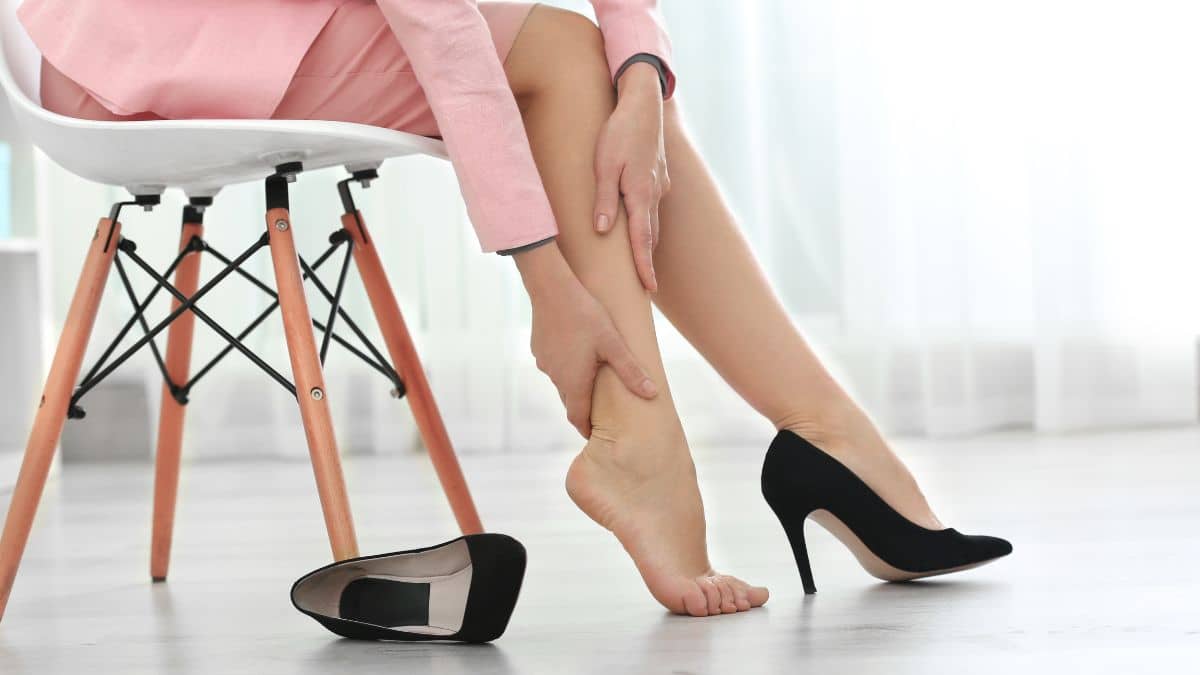
Discover effective home remedies for swollen feet and ankles. Learn how to relieve leg swelling, improve circulation, and maintain foot health.
Table of Contents
- Most Common Causes of Swollen Feet and Ankles
- When Should Leg Swelling Be a Concern?
- Most Effective Home Remedies for Swollen Feet and Ankles
- Diet, Hydration, and the Problem of Leg Swelling
- Effective Products and Natural Compresses for Swelling
- How to Prevent Leg Swelling in Summer and Everyday Life?
Most Common Causes of Swollen Feet and Ankles
Swollen feet and ankles, also known as peripheral edema, are complaints that affect people of all ages, though they are particularly common among the elderly, pregnant women, and those with sedentary lifestyles. Edema appears when excess fluid accumulates in the subcutaneous tissues of the lower legs, resulting in a feeling of heaviness, tight skin, and even pain. The most common cause is improper blood circulation in the lower limbs. A sedentary lifestyle, prolonged standing, or lack of regular exercise can cause blood and lymph to stagnate in the leg veins, increasing the risk of swelling. Additional causes include lymphatic drainage disorders (so-called lymphedema), linked both to genetic predispositions and to prior diseases or leg injuries. People with chronic venous insufficiency commonly experience swelling, which occurs due to so-called venous stasis—when blood returns to the heart more slowly, causing fluids to seep from vessels and build up in tissues. Cardiovascular diseases, especially heart failure, are also frequent causes of swollen feet. A weakened heart pumps blood less effectively, leading to fluid buildup in tissues. Kidney and liver diseases also influence the body’s water and electrolyte balance—organ failure can cause salt and water retention, resulting in visible swelling of the feet and ankles. Importantly, edema may be among the first signs of more serious systemic diseases such as diabetes, thyroid disorders (both hypo- and hyperthyroidism), or rheumatoid arthritis. In women, swelling often appears during pregnancy because of hormonal changes and pressure from the enlarging uterus against pelvic veins, hindering blood flow. Hormonal fluctuations during the menstrual cycle can also intensify water retention, and some medications—such as contraceptives, cardiac drugs (beta-blockers, calcium channel blockers), corticosteroids, and anti-diabetic drugs—may also cause swelling in the feet and ankle area.
Aside from severe illnesses and conditions, swollen feet and ankles can be the result of everyday factors or temporary events. Sitting for long periods during car, bus, or plane journeys hampers proper blood flow and promotes lower limb edema. High temperatures, especially in summer, can cause vessels to dilate and fluid to leak into tissues, causing swelling. A diet high in salt and processed foods promotes water retention, intensifying swelling. Lack of sufficient hydration negatively impacts water and electrolyte balance, leading to fluid retention. Overweight and obesity further burden both the circulatory and lymphatic systems, especially with prolonged standing or walking in uncomfortable, tight shoes—another common cause of edema. Swelling may also appear suddenly due to injuries, dislocations, fractures, sprains, or micro-injuries to muscles and tendons—typically affecting one foot or ankle. Chronic, recurrent leg swelling should always be consulted with a doctor, as it may indicate diseases requiring specialist treatment, and can also be a side effect of certain drugs or postoperative complications. Additionally, those over 60, individuals with hypertension, suffering from varicose veins, diabetes, or individuals who stand for many hours at work are also at risk. Understanding and identifying the cause of swelling is crucial for effective treatment and prevention—sometimes eliminating simple risk factors is enough, while other times comprehensive diagnostics and therapy under specialist care are necessary.
When Should Leg Swelling Be a Concern?
Although occasional swelling of the feet and ankles often stems from harmless reasons like prolonged standing, uncomfortable shoes, or excessive salt intake, there are situations when leg swelling may signal more serious health problems requiring immediate doctor’s consultation. One should especially be alert if swelling appears suddenly and is severe, particularly if it is one-sided—such as only one leg—which can indicate deep vein thrombosis. Accompanying symptoms such as pain, redness, warmth, skin tension, or difficulty moving the foot are warning signs, as are shortness of breath or chest pain, which may suggest thromboembolic complications like pulmonary embolism. A sudden increase in weight along with generalized edema (swelling not only of the legs but also the face, eyelids, hands, or abdominal cavity) and shortness of breath may indicate heart, kidney, or liver failure, all of which, left untreated, may lead to serious complications.
It’s also crucial to pay attention to other concerning symptoms accompanying swelling, such as fever, bruising, skin ulcers, limb discoloration, or persistent wounds, which may point to infections, inflammation, or blood vessel failure. See a doctor immediately if leg swelling is regular, chronic, or steadily worsening—even when painless—as it may indicate chronic venous or lymphatic insufficiency or advanced chronic disease. Worrisome signs also include overall symptoms like weakness, fatigue, jaundice, or dark urine, possibly signaling organ complications. People with diabetes or neuropathies should contact a doctor straight away if swelling appears together with skin changes, blisters, or numbness, owing to the risk of hard-to-treat infections. Pregnant women should remain vigilant—especially if swelling is accompanied by headaches, vision disturbances, hypertension, or proteinuria, as these may be signs of preeclampsia requiring hospitalization. Paying close attention to all unusual or sudden changes, as well as chronic, recurrent swelling is essential to preventing complications; any doubts should prompt urgent medical help and diagnostic testing.
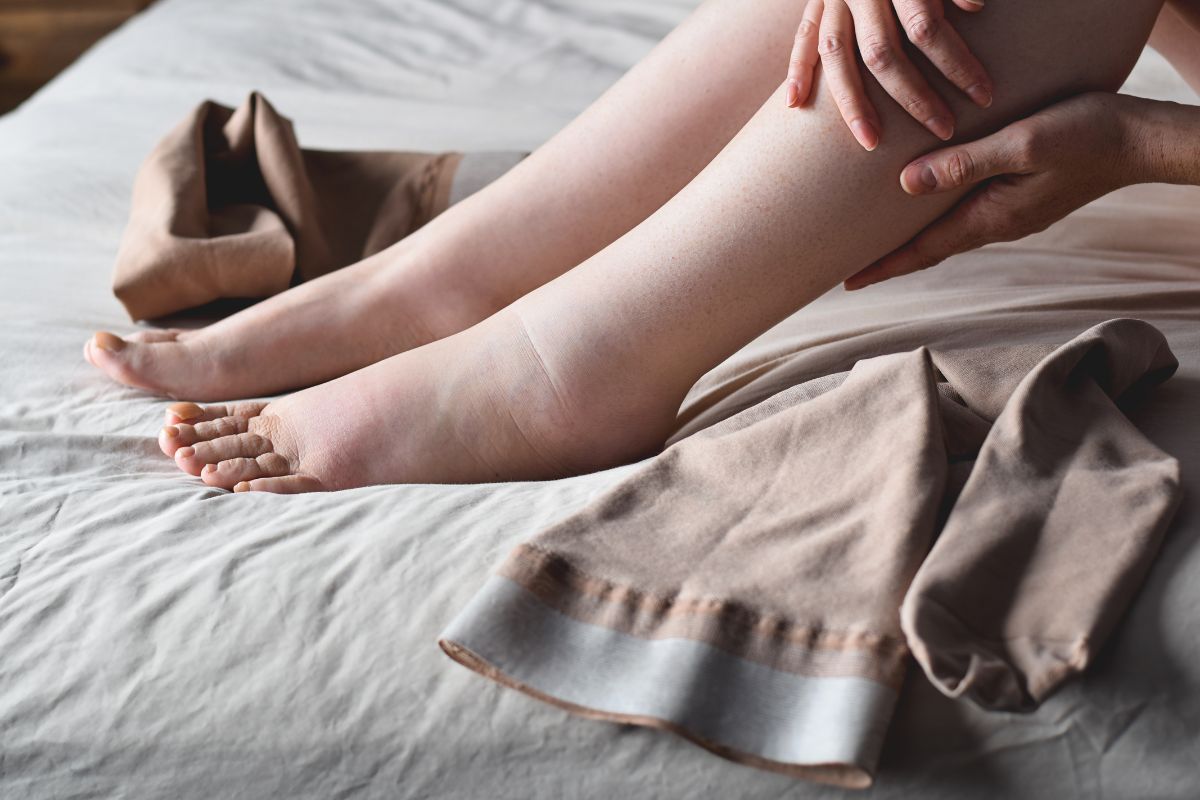
Most Effective Home Remedies for Swollen Feet and Ankles
Effectively managing swollen feet and ankles at home requires using proven natural methods that help reduce edema, improve blood circulation, and ease the feeling of heaviness and discomfort. One of the simplest and most effective techniques is regularly elevating the legs above the level of the heart for at least 15–30 minutes several times a day. This can be done by resting your legs on a pillow, chair, or against a wall. This position facilitates the outflow of blood and lymph from the lower limbs, providing quick relief and reducing swelling. Cold compresses are also extremely helpful—applying an ice pack, a cold cloth, or soaking feet in cold water for a few minutes effectively narrows blood vessels and reduces fluid permeability, thus lessening swelling. Many people also find relief from foot baths or soaks with Epsom salt, table salt, or baking soda. Such home spa treatments relax tired muscles, improve circulation, and speed up fluid drainage from tissues. These baths can be combined with brief, gentle massages of the feet and ankles—massaging swollen areas in circular motions, always towards the heart, stimulates the lymphatic and venous systems. Cooling gels with natural extracts of horse chestnut, arnica, menthol, aloe vera, or seaweed can gently soothe swelling, reduce skin temperature, and provide relief to aching feet.
In daily prevention and management of edema, it is equally important to avoid aggravating factors and develop healthy habits supporting circulation and water-electrolyte balance. Regular physical activity—fast walking, stretching, cycling, swimming, or fitness exercises—is vital for maintaining proper blood and lymph flow. Adequate hydration (1.5–2 liters of pure water daily) prevents fluid retention in tissues. Limiting salt intake, avoiding heavily processed foods, and eating more vegetables, fruits, and potassium-rich products (bananas, tomatoes, spinach, avocado, potatoes) helps reduce sodium retention and swelling. Choosing appropriate, comfortable footwear made of breathable materials and not wearing tight socks, which can obstruct circulation, is also essential. When sitting for prolonged periods, such as at work or while traveling, it’s good to change position at least every hour, do some squats, move your feet, or stretch your calves—these simple exercises activate the muscles and aid fluid drainage. Additionally, herbal and natural diuretic supplements, like nettle or horsetail, can be used—but should be used moderately and consulted with a doctor if you have chronic conditions. All these methods, when used regularly and combined with a healthy lifestyle, help not only reduce symptoms of swollen feet and ankles, but also prevent recurrences, ensuring comfort, lightness in the legs, and proper lower limb condition.
Diet, Hydration, and the Problem of Leg Swelling
Diet and adequate hydration play a fundamental role in preventing and easing swelling of the legs, feet, and ankles. One key factor contributing to swelling is excessive salt intake, which causes water retention in the body. Salt (sodium) in everyday foods leads to fluid build-up in the intercellular spaces, causing excess water to accumulate in the lower body. Remember, excess salt isn’t just from added table salt but is often hidden in processed foods, cold cuts, cheeses, canned goods, and convenience meals—so it’s best to limit these in favor of fresh, unprocessed ingredients. People struggling with leg swelling should read labels and choose products with reduced sodium content. Diet mistakes like consuming too many simple carbs and trans fats also promote weight gain and disrupt water-electrolyte balance, worsening swelling. A leg-friendly diet should be rich in vegetables, fruits, whole grains, and lower-fat protein sources. Vegetables with diuretic properties, such as celery, parsley, cucumber, asparagus, and watermelon, are particularly recommended, as their potassium content helps remove excess fluids from the body and prevent water accumulation in tissues. Both potassium and magnesium are crucial for maintaining water-electrolyte balance; they are found in the aforementioned vegetables as well as in bananas, potatoes, dried apricots, nuts, and beans. It’s also wise to eat foods rich in vitamin C (e.g., citrus fruits, kiwi, bell pepper), which seals blood vessels and reduces their permeability, as well as flavonoids (e.g., blackcurrants, chokeberry, blueberries), which strengthen vein walls and support microcirculation.
Beyond proper diet, systematic hydration is just as important, because lack of fluids encourages the body to retain water as a defense mechanism. A common mistake is limiting fluid intake for fear of worsening edema, when in fact, regularly drinking at least 1.5–2 liters of still mineral water per day promotes flushing the body, removing toxins and excess minerals, and maintaining the right hydration. It’s also essential to limit sugary, carbonated, and alcoholic drinks, which can increase dehydration and negatively affect cardiovascular function. In your daily diet, use natural, unsweetened herbal teas—such as nettle, horsetail, dandelion, or birch leaf—which have diuretic properties to help reduce swelling. Also, include dietary fiber (found in vegetables, fruits, nuts, and whole grains), which improves metabolism, boosts digestive health, and prevents constipation, which often accompanies leg swelling. Eating light, regular meals maintains stable blood sugar levels and helps reduce excess weight, directly easing the lower limbs and lowering the risk of chronic edema. It’s also important to avoid long gaps between meals and give up heavy, fatty, and fried foods that can cause water retention. Looking after your diet and hydration is not only a way to reduce existing swelling, but also an effective prevention against recurring symptoms and supports healthy heart and blood vessel function, which is the foundation of healthy and light legs.
Effective Products and Natural Compresses for Swelling
Home treatment of swollen feet and ankles often relies on effective over-the-counter products and home compresses based on natural ingredients. Among the most popular remedies are gels and ointments containing extracts of horse chestnut, arnica, or witch hazel. These substances are proven to seal and strengthen blood vessel walls, prevent fluid leakage into tissues, and reduce swelling. They are often enriched with menthol or camphor, which cool instantly and bring quick relief, as well as panthenol for its regenerative effect. Preparations containing diosmin and hesperidin are highly recommended as these naturally improve microcirculation and lessen the feeling of heavy legs. Products with vine, butcher’s broom, and ginkgo biloba extracts are also popular—they strengthen vessel walls, soothe inflammation, and support lymphatic drainage. Using these gels or foams—preferably twice daily, morning and evening—helps both reduce swelling and restore comfortable movement. Pharmacies also offer cooling patches that directly minimize inflammation and speed up resolution of edema. For chronic cases, include lotions with urea, allantoin, or glycerin to moisturize dry skin, which is prone to irritation during swelling. Dietary supplements with plant extracts, vitamin C, and rutin may also help, but should only be used after consulting a doctor, especially for chronic illness.
For home compresses, natural ingredients that are easily accessible and safe for everyday use work best. The most effective are cold compresses—soak a towel in cold water, wrap it around your feet and ankles, and rest with your legs elevated for 15–20 minutes. This narrows blood vessels, decreases wall permeability, and relieves heaviness. Ice packs also work well—place ice cubes in a cloth (never directly on the skin) and apply for a few minutes. Herbal baths—for example with sage, chamomile, nettle, or horsetail infusions—can be used as compresses or foot soaks for added relaxation and anti-inflammatory effects. These herbs have mild diuretic properties and boost circulation, lowering the risk of edema returning. At home, wraps with apple cider vinegar are also popular: dilute vinegar in cold water, soak a cloth, and apply to the skin for 10–15 minutes. Vinegar improves skin tone, acts antiseptically, and helps detoxify tissues. Compresses using cucumber slices or grated raw potato are also effective—they cool and ease inflammation thanks to antioxidants and vitamins. You might also try essential oil blends—like lavender, lemon, or tea tree oil in a base oil (such as coconut or almond), gently massaged into feet and ankles for relaxation and swelling reduction. Regular use is key—repeating these treatments several times a week stimulates circulation and improves overall leg condition. Unlike some pharmaceuticals, natural compresses rarely cause side effects, making them safe for people with sensitive skin or allergies to preservatives in ready-made products. Complementing your home pharmacy with such natural compresses and products significantly soothes swelling, reduces discomfort, improves leg mobility and appearance, and supports skin and vessel regeneration.
How to Prevent Leg Swelling in Summer and Everyday Life?
Preventing leg swelling, especially during hot summer days and in daily life, requires a mindful approach to lifestyle, physical activity, and healthy habits. In the summer, when temperatures rise, blood vessels dilate and the body tends to retain more water, causing heaviness and edema even in healthy individuals. To reduce swelling risk, start with regular physical activity—moderate exercise such as walking, jogging, cycling, or swimming engages leg muscles, aids lymph and venous flow to the heart, and improves circulation. Avoid prolonged standing or sitting—take frequent breaks to stretch, change positions, or do simple foot circles or calf tension exercises. When sitting, do not cross your legs, and use footrests or pillows to support your feet. Regularly elevate your legs above heart level for 15–20 minutes a day—ideally while resting or before sleep. In summer, cooling your legs—soaking feet in cool water, wiping with cold compresses, or using cooling gels with ingredients like menthol, mint, or lavender—provides relaxation and improves microcirculation. Especially in warm months, staying well-hydrated is crucial—regular water intake prevents dehydration and stimulates the kidneys, limiting fluid retention. In summer heat, drink slightly more than the standard 1.5–2 liters daily, adjusting for your personal needs and activity level.
Appropriate clothing and footwear are another pillar of prevention—avoid tight trousers, socks, and shoes in summer, as they squeeze the lower limbs and impede free blood flow. Lightweight, breathable, well-fitted shoes with flat or slightly raised soles that don’t cause pressure or rubbing are best. In situations with increased risk of swelling—such as during travel or extended sitting in a car, airplane, or office—medical compression socks or stockings are recommended, as they support venous return, prevent stagnation, and lessen the sensation of tired legs. Dietary adjustments are also important—cutting out or radically reducing table salt and salty snacks is vital, as sodium encourages fluid build-up in tissues. Use herbs and spices in place of salt for flavor and metabolic benefits. Summer is the ideal time for diuretic vegetables and fruits, such as cucumber, watermelon, celery, or strawberries, as well as potassium-rich foods like tomatoes, bananas, and potatoes, which help regulate water-electrolyte balance. Consuming light, regular meals maintains stable blood sugar, supporting proper circulatory function. Avoid overeating, heavy, fatty meals, and alcohol—which increases dehydration. Remember to protect your skin in summer with light cosmetics and UV filters, as irritated, overheated skin is more prone to micro-injuries and irritations. Regular self-massage or simple self-massage techniques, performed from the feet towards the heart, effectively boosts circulation and removes excess tissue fluid faster. Monitoring body weight is especially important—those who are overweight are more prone to swelling, so maintaining a healthy weight not only improves general well-being, but also relieves pressure on the lower limbs. Any unusual swelling, appearing without clear cause, that is one-sided, or intensifies despite home methods should always warrant a doctor’s consultation. Caring for your legs in summer and every day is about synergy—combine a healthy diet, movement, proper hydration, thoughtful choice of wardrobe and skincare, and you can significantly reduce swelling risk and enjoy lightness, even on the hottest days.
Summary
Swollen feet and ankles are a complaint that can interfere with everyday life. Understanding the most common causes, recognizing warning signals, and implementing at-home remedies such as foot baths, cold compresses, reducing salt, and maintaining proper hydration, allow for effective relief and prevention of leg swelling. It’s worthwhile to pay attention to diet, use natural products, and regularly practice preventive measures. Thanks to simple, proven methods, you can take care of your legs’ health and greatly improve your daily comfort.


