Find out which medications St. John’s Wort interacts with, what risks it poses, and when using this herb may be dangerous for your health.
Table of Contents
- What is St. John’s Wort and what are its medicinal properties?
- Key interactions of St. John’s Wort with drugs – list of endangered preparations
- Why you shouldn’t combine St. John’s Wort with contraceptives and antidepressants
- St. John’s Wort and drug effectiveness: risks and consequences
- Which foods and supplements should not be combined with St. John’s Wort?
- Safe use of St. John’s Wort – practical guidelines and consultation with a doctor
What is St. John’s Wort and what are its medicinal properties?
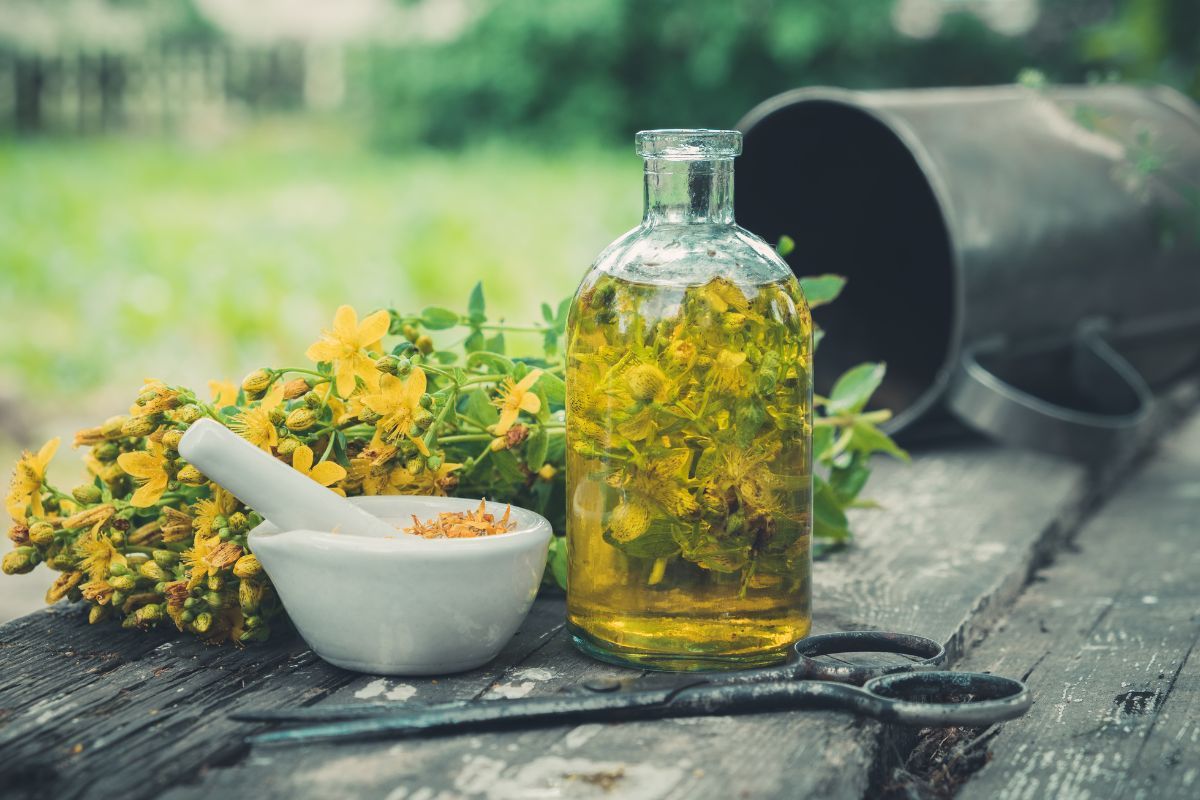
St. John’s Wort (Hypericum perforatum) is a perennial herbaceous plant from the Hypericaceae family, commonly found in Europe, Asia, and North America. In Polish herbal medicine, it has held an important position for centuries, with its characteristic yellow flowers collected in summer and used in various forms—dried for infusions, as extracts, oils, or tinctures. This plant has also gained huge popularity as a dietary supplement and ingredient in herbal medicines, both in traditional therapy and modern phytotherapy. St. John’s Wort contains a wealth of biologically active compounds—the most important include hypericin, pseudohypericin, hyperforin, flavonoids, tannins, xanthones, resins, essential oils, and vitamins, especially vitamin C and provitamin A. Such a broad chemical composition gives the plant wide-ranging properties, and it is regarded as one of the most universal and effective herbs in natural medicine. The most commonly used parts are the flowers and stem tops, which contain the highest concentrations of active substances. Preparations based on St. John’s Wort, extracts, and herbal raw materials can be found in pharmacies, herbal stores, and many over-the-counter pharmaceutical products.
St. John’s Wort is best known for its antidepressant and calming effects—numerous scientific studies show that extracts from this plant can effectively alleviate the symptoms of mild to moderate depression, anxiety states, and low mood. The mechanism of action is based on inhibiting the reuptake of neurotransmitters (such as serotonin, noradrenaline, and dopamine) in the central nervous system, leading to improved mood and increased energy levels. Indications for using St. John’s Wort also include nervous exhaustion, stress-induced insomnia, and general psychophysical weakness. Besides its psychotropic properties, St. John’s Wort also has documented anti-inflammatory, antibacterial, and antiviral effects due to the presence of tannins and phenolic compounds—it is commonly used to support wound healing, alleviate skin lesions, as well as bacterial and fungal infections. St. John’s Wort extracts, especially the oil, are applied externally on burns, abrasions, bruises, and hard-to-heal wounds, speeding up skin regeneration. This plant also has mild choleretic and antispasmodic effects; thus, herbal infusions are recommended for relieving digestive disorders, indigestion, biliary colic, and symptoms of irritable bowel syndrome. Furthermore, some studies point to analgesic, antioxidant, and moderate anticancer potential of compounds in St. John’s Wort, although these require further confirmation. Traditionally, it is also recommended for menopausal symptoms in women, menstrual irregularities, and as support during recovery from infections. The abundance of active substances makes St. John’s Wort a universal plant, but benefiting from its properties requires caution, especially considering its potential interactions with drugs and the risk of side effects.
Key interactions of St. John’s Wort with drugs – list of endangered preparations
Although of natural origin, St. John’s Wort belongs to a group of herbs that significantly affect the metabolism of many medicinal substances, which is why taking it simultaneously with certain pharmaceutical drugs can lead to serious or even dangerous side effects, or loss of therapeutic effect. The main mechanism of these interactions is the induction of cytochrome P450 enzymes, mainly the CYP3A4 isoform, as well as transporter proteins such as P-glycoprotein (P-gp), present in the liver and intestines. Increased activity of these proteins speeds up the breakdown of many drugs, lowering their blood concentration and action effectiveness, sometimes leading to withdrawal symptoms or insufficient protection against severe conditions. Above all, St. John’s Wort interacts with commonly used antidepressants (especially selective serotonin reuptake inhibitors—SSRIs such as sertraline, fluoxetine, paroxetine, citalopram), since the cumulative serotonergic action may lead to serotonin syndrome, which can be life-threatening. It should also not be combined with antiepileptic drugs (carbamazepine, phenytoin, valproic acid), as accelerated breakdown of these substances can lower their concentration and lead to loss of disease control. St. John’s Wort also reduces the effectiveness of oral contraceptives, increasing the risk of unwanted pregnancy due to faster metabolism of oestrogens and progestogens. Similar risks apply to immunosuppressive drugs, especially cyclosporine and tacrolimus, where a drop in their concentration may cause transplant rejection—hence, combining these with St. John’s Wort is highly discouraged. This plant also negatively affects anticoagulant drugs (warfarin, acenocoumarol), leading to changes in coagulation parameters and increasing the risk of thromboembolic complications or bleeding. When used with antiretroviral drugs (protease inhibitors such as indinavir, nelfinavir), it may render HIV therapy ineffective.
Special attention should also be given to drugs used in the treatment of heart and circulatory diseases. St. John’s Wort lowers the level of cardiac glycosides (e.g. digoxin), which may result in a recurrence of heart failure symptoms. It also affects the metabolism of antihypertensive medications (e.g. amlodipine, verapamil), nullifying their effects. Anticancer drugs (e.g. imatinib, irinotecan) can also become less effective due to enzyme induction by St. John’s Wort, and antibiotics (erythromycin, clarithromycin) may see decreased therapeutic concentrations, impacting infection control. There are also significant risks with analgesic and opioid drugs (tramadol, methadone), as significant changes in blood concentrations may occur, reducing pain-relieving effects or causing dangerous withdrawal symptoms. Growing evidence also points to interactions with antimigraine drugs (sumatriptan, rizatriptan) and mood stabilizers (lithium). In summary, the list of drugs at risk of interaction with St. John’s Wort encompasses a broad group, with the most important being: antidepressants (especially SSRI, MAOI, and SNRI), antiepileptics, oral contraceptives, immunosuppressants (cyclosporine, tacrolimus), anticoagulants (especially vitamin K antagonists), antiretrovirals, cancer drugs, drugs used in heart disease, certain antibiotics, analgesics, and drugs for psychiatric or affective disorders. Before starting St. John’s Wort supplementation, always consult your doctor, especially if taking any of the drugs listed, to avoid severe and dangerous drug interactions and complications.
Why you shouldn’t combine St. John’s Wort with contraceptives and antidepressants
St. John’s Wort, although considered a safe herbal therapy ingredient, is among the herbs that cause the most serious drug interactions, especially with oral contraceptives and antidepressants. The main reason for not combining St. John’s Wort with these medications is its impact on hepatic metabolic mechanisms—St. John’s Wort strongly induces cytochrome P450 enzymes, especially CYP3A4 and CYP2C9, as well as P-glycoprotein, which is responsible for transporting many substances across cell membranes. As a result, taking St. John’s Wort with drugs accelerates their breakdown and elimination from the body. For hormonal contraception, this leads to a significant drop in blood estrogen and progestogen concentrations, reducing contraceptive effectiveness and increasing the risk of unintended pregnancy—even with high-dose hormone preparations. Numerous studies and clinical reports have documented cases of unintended pregnancies among women using oral contraceptives and simultaneously supplementing with St. John’s Wort. Additionally, diminished hormone action can cause irregular menstrual cycles, spotting, and other hormonal imbalances. Women using hormonal preparations—be they oral, patches, rings, or implants—are advised to completely avoid St. John’s Wort in any form (teas, capsules, extracts), even in products mixed with other herbs. According to the guidelines of the European Medicines Agency (EMA) and World Health Organization (WHO), St. John’s Wort is one of the main herbs contraindicated during contraceptive therapy.
Similarly grave dangers arise when combining St. John’s Wort with antidepressants, especially selective serotonin reuptake inhibitors (SSRIs, e.g., fluoxetine, sertraline, paroxetine), monoamine oxidase inhibitors (MAOIs), and tricyclic antidepressants (TCAs). Besides metabolic interactions, St. John’s Wort also has synergistic pharmacological actions on serotonin levels in the central nervous system. Using St. John’s Wort with SSRIs significantly increases the risk of serotonin syndrome—a life-threatening condition with symptoms including agitation, insomnia, muscle tremors, confusion, autonomic hyperactivity, increased blood pressure, and in severe cases, seizures and death. Clinical studies have shown that just a few days of simultaneous SSRI and St. John’s Wort therapy can trigger the first symptoms of this dangerous complication. On the other hand, even if serotonin syndrome does not occur, St. John’s Wort-induced cytochromes accelerate the elimination of antidepressants, causing reduced drug concentration in the blood and, hence, a marked decrease in the effectiveness of depression and anxiety treatment. Sometimes, this worsens depressive symptoms, increasing the risk of suicide or other psychological crises. The problem also affects patients taking other neuroactive drugs, including mood stabilizers (e.g., lithium), some antiepileptics, and antipsychotics—such therapy disruptions may have severe health consequences. For the above reasons, experts strongly advise against the simultaneous use of St. John’s Wort preparations—even at standard over-the-counter doses—during antidepressant or contraceptive therapy. Whenever you are considering herbal use during drug therapy, a prior consultation with your doctor is necessary to individually assess risks and avoid dangerous side effects.
St. John’s Wort and drug effectiveness: risks and consequences
St. John’s Wort, though often perceived as a relatively safe herbal remedy, can have a very strong impact on the effectiveness of many drugs prescribed for chronic and acute diseases. The key risk factor is the presence of active compounds such as hypericin, pseudohypericin, and hyperforin, which enable the plant to activate cytochrome P450 enzymes (especially CYP3A4, CYP2C9, CYP1A2) and P-glycoprotein. The consequence is accelerated metabolism and thus faster elimination of many active substances from the body. The greatest threat arising from this property is the significant reduction in therapeutic drug levels in the blood, making them clinically ineffective. This problem is particularly critical for drugs with a narrow therapeutic index, meaning even small fluctuations in blood concentration can eliminate their effect or cause serious complications—examples include cyclosporine (an immunosuppressive drug mainly for transplant recipients), digoxin (a cardiac preparation), warfarin (an anticoagulant for stroke and embolism prevention), and some cancer drugs (e.g., imatinib). Among patients using such therapies, the risk associated with simultaneous St. John’s Wort use is extremely high since even a brief loss of drug efficacy can immediately endanger health or life. People taking antiretroviral treatments (especially HIV protease inhibitors such as indinavir or nelfinavir) must also note that St. John’s Wort significantly decreases these drug levels, risking viral resistance and ineffective AIDS treatment. Disruption of immunosuppressive drug effectiveness, crucial after organ transplantation, may cause organ rejection, posing an immediate threat to life. The risk is not limited to these groups—St. John’s Wort can also weaken many other drugs, including antiepileptics (e.g., carbamazepine), painkillers (e.g., methadone), hormonal drugs (e.g., oral contraceptives), antipsychotics, as well as some antifungals and statins used to lower cholesterol.
The effects of St. John’s Wort-drug interactions are varied and often underestimated by patients and doctors, especially when symptoms develop gradually and are not directly linked to herbal use. Reduced contraceptive efficacy increases the risk of unplanned pregnancy and menstrual irregularities, while loss of anticoagulant effect raises the risk of thromboembolic complications such as heart attack or stroke. For psychotropics and antidepressants, consequences can include depression relapse, serotonin syndrome, or intensified anxiety symptoms. Cancer drug interactions can even lead to cancer recurrence or progression. In clinical practice, cases of transplant rejection linked to St. John’s Wort use have been described, clearly illustrating the scale of the threat. Notably, even small doses of St. John’s Wort taken occasionally in teas or supplements can disrupt drug metabolism for several days, as enzyme induction lasts beyond the period of supplement intake. Furthermore, many interactions do not manifest immediately—they may cause a slow and systematic decrease in therapy effectiveness, noticeable only after several weeks or months, leaving patients unaware of the true reason for their declining health. An added issue is undisclosed use of St. John’s Wort—patients often regard herbs as natural and harmless adjuncts to therapy, not realizing the gravity of possible consequences. The pharmacokinetics of many drugs are highly sensitive to liver enzyme activity, and St. John’s Wort is one of the strongest natural inducers, setting it apart from other herbs and supplements. This increases healthcare professionals’ responsibility—not only in treatment selection but in rigorously questioning patients about all herbal product usage. At the same time, there are reports that some pharmaceutical companies warn about St. John’s Wort interactions in their drug leaflets, although awareness among supplement users is still lacking. The risk of serious clinical consequences means that whenever a patient considers using St. John’s Wort preparations, a consultation with a doctor or pharmacist is necessary, and in case of doubt, self-treatment should be abandoned, especially for medications requiring precise therapeutic control.
Which foods and supplements should not be combined with St. John’s Wort?
St. John’s Wort is an herb with significant potential to affect the metabolism of many substances, so attention should be paid not only to drug interactions but also to certain foods and dietary supplements. Those taking St. John’s Wort should be aware of how some dietary ingredients as well as other herbal and ‘natural’ products may intensify or modify its action, increase side effect risks, or cause unwanted metabolic interactions. One key issue is St. John’s Wort’s photosensitizing effect—consumption of furanocoumarin-rich citrus fruits such as grapefruit, limes, or oranges can intensify skin sensitivity to sunlight, causing burns, discolorations, and allergic reactions. It’s also wise to avoid high amounts of products boosting photosensitization, such as celery, parsley, or parsnip, especially during summer or when exposed to strong sunlight. While using St. John’s Wort, it is advised to limit alcohol intake, as it can enhance side effects like dizziness, drowsiness, or concentration issues, and put additional strain on the liver, which is responsible for the metabolism of both alcohol and St. John’s Wort’s active substances—thereby increasing the risk of organ damage and metabolic disorders. In everyday diets, avoid foods rich in tyramine—such as aged cheeses, smoked meats, soy sauce, or some pickles—because combining these with St. John’s Wort may cause increased blood pressure and headaches, especially in those taking other serotoninergic drugs.
It’s equally important to consider St. John’s Wort’s interactions with various dietary supplements and herbal remedies, as combining them can have unforeseen and dangerous outcomes. Herbs with antidepressant effects, like Rhodiola rosea, saffron, ashwagandha, lemon balm, or valerian, should be used with caution—preferably after consulting a physician. Their combined calming effects and interference with neurotransmitters—particularly serotonin and dopamine—increase the risk of serotonin syndrome, a potentially life-threatening condition manifested by agitation, fever, confusion, or seizures. Supplementation with magnesium, calcium, zinc, or iron is also problematic, as St. John’s Wort may alter mineral absorption and electrolyte balance, particularly in those taking other mineral-altering drugs. St. John’s Wort should not be combined with immune-boosting supplements (e.g., echinacea) or cytokine modulators, since its induction of liver enzymes may amplify or suppress their effects, raising risks of immune suppression or unwanted autoimmune responses. It’s also necessary to exercise caution when using products with large doses of B-vitamins, vitamin D, or retinoids, as St. John’s Wort may speed up their metabolism and cause deficiencies even with a normal diet. People using supplements containing caffeine, guarana, yerba mate, or other stimulants should know St. John’s Wort may enhance nervousness, irritability, or heart arrhythmias, particularly in sensitive individuals or those with cardiovascular conditions. Notably, St. John’s Wort may disrupt gut microbiota balance, so using probiotics, prebiotics, or fiber supplements at the same time should be individually consulted with a dietitian or pharmacist, especially where therapy aims to treat chronic digestive diseases or restore flora post-antibiotics. Due to numerous unpredictable interactions, both diet and supplements should be introduced cautiously when using St. John’s Wort, with any abnormal symptoms immediately reported to a doctor.
Safe use of St. John’s Wort – practical guidelines and consultation with a doctor
St. John’s Wort is considered one of the most commonly used herbs in natural therapy, but its safe use requires awareness and adherence to practical guidelines. The first and most crucial step before starting treatment is a careful review of your health status and the medications, supplements, and herbal products you are currently taking. Patients on drugs with a narrow therapeutic index—such as immunosuppressants (e.g., cyclosporine, tacrolimus), anticoagulants (e.g., warfarin), oral hormonal contraception, anticancer or antiviral drugs—must always consult a doctor before introducing St. John’s Wort, as even small doses may dramatically decrease their efficacy and pose a health risk. Using St. John’s Wort in depression and anxiety therapy also requires caution—combining this herb with antidepressants or other central nervous system drugs can cause severe complications, including serotonin syndrome characterized by confusion, muscle tremors, fever, and altered awareness. In addition, the concurrent use of St. John’s Wort with other calming or serotonin-affecting herbal products (e.g., saffron, ashwagandha, lemon balm) should always be consulted with a doctor or pharmacist. Importantly, the effects of these interactions may continue for weeks after discontinuing St. John’s Wort, as liver enzymes remain activated for that period and may still influence other drugs’ metabolism. Individuals with chronic conditions, pregnant or breastfeeding women, and children should not begin St. John’s Wort therapy without detailed medical consultation and risk assessment. When using herbal therapy, always choose products from verified, certified sources—market-available preparations may vary greatly in active substance content, purity, and composition, and some supplements may be contaminated or mislabelled, increasing the risk of side effects.
Practical rules for safely taking St. John’s Wort include strictly following recommended dosages and treatment durations, as well as monitoring for possible side effects. It’s advised to start supplementation with the lowest possible dose and gradually observe your body’s reaction—any disturbing symptoms, especially skin rashes, photosensitivity, headaches, gastrointestinal disturbances, or sudden changes in mental state, should be reported to your doctor immediately. Special caution is required during sun exposure, as St. John’s Wort increases photosensitivity, which can result in skin burns even after brief UV exposure. While taking St. John’s Wort products, avoid tanning beds, intense sunbathing, and cosmetic products that irritate the skin. Long-term use without medical supervision is not recommended, even if initial symptoms of intolerance do not appear—these may arise later or accumulate with other risk factors. Additionally, patients taking St. John’s Wort should regularly monitor blood pressure, liver function, and general blood work, especially if they are also using other pharmaceutical products. You should maintain regular health checks and notify your doctor of any changes to your wellbeing or the appearance of new symptoms—even seemingly trivial reactions can signal a serious interaction or hypersensitivity. As a preventive measure, keeping a personal log of all medications and supplements allows your doctor quick risk assessment and detailed recommendations. Due to the broad range of possible St. John’s Wort interactions with drugs and environmental factors, using this plant requires full patient engagement and close cooperation with medical staff at each therapy stage. Only such a model allows risks to be minimized, while getting the most benefit from St. John’s Wort as a valuable phytotherapy component.
Summary
Common St. John’s Wort is a herb with numerous health benefits, but its use requires great caution. The active compounds in St. John’s Wort strongly interact with many medications, including contraceptives, antidepressants, antimigraine, anticoagulant, and others, which can reduce their effectiveness or lead to serious side effects. St. John’s Wort should also not be combined with certain foods or supplements. People on long-term medicines should always consult their doctor before starting St. John’s Wort to avoid dangerous drug interactions. Responsible and conscious use of this plant is the key to reaping its benefits without health risks.