
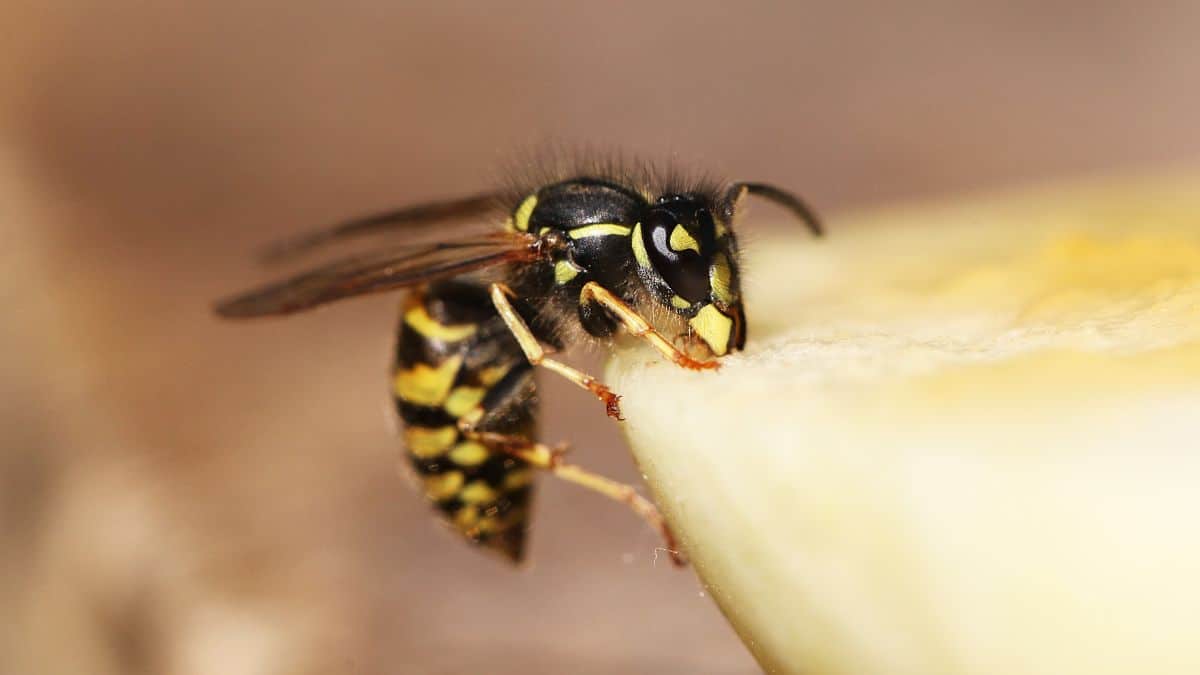
Being stung by a wasp can be a painful and unpleasant experience that, for most people, only ends in temporary discomfort. However, for some people, especially those allergic to wasp venom, it can pose a serious threat to health and even life.
What are the symptoms after a wasp sting?
Immediately after a sting, there is usually severe pain, redness and swelling at the site of the bite. These symptoms are the body’s normal reaction to wasp venom and usually resolve spontaneously within a few hours.
People who are allergic to wasp venom may experience additional, more serious symptoms, such as:
- Allergic reactions: hives, swelling of the face, tongue or throat, breathing problems, shortness of breath, coughing, wheezing, accelerated heart rate, drop in blood pressure.
- Gastrointestinal symptoms: nausea, vomiting, diarrhea, abdominal pain.
- Neurological symptoms: dizziness, fainting, seizures.
In the most severe cases, anaphylactic shock can occur, which is a life-threatening condition and requires immediate medical attention.
When to go to the doctor?
If you have experienced allergic symptoms after a wasp sting, or if you are allergic to wasp venom, contact your doctor or emergency room immediately.
You should also consult your doctor if:
- Swelling and redness persist for more than 48 hours.
- The sting site is hot and painful.
- A fever appeared.
- The sting occurred in the head or neck area.
- You have been stung multiple times.
First aid after a wasp sting
If you have been stung by a wasp, you can take the following actions:
- Remove the stinger: If the stinger remains in the skin, remove it carefully, preferably with tweezers, keeping it as close to the skin as possible.
- Clean the sting site: Wash the sting site with soap and water.
- Cooling: Apply a cold compress to the sting site to reduce swelling and pain.
- Painkillers and antihistamines: For pain and itching, you can take over-the-counter painkillers and antihistamines.
Prevention of wasp stings
To reduce the risk of being stung by a wasp, it’s worth remembering a few simple rules:
- Avoid areas where wasps are abundant: wasp nests, trash cans, fruit trees.
- Wear clothes that cover the body: long pants, long-sleeved shirts.
- Avoid pungent odors: perfumes, cosmetics, sweet drinks.
- Remain calm: violent movements may provoke the wasp to attack.
- Do not kill a wasp unless it poses an immediate threat: doing so may release pheromones that will attract other wasps.
Summary
A wasp sting can have a variety of effects, from mild to very serious. If you are allergic to wasp venom, even one sting can be fatal. That’s why it’s important to know the symptoms of a wasp venom allergy and how to handle a sting.
Remember, if you experience severe allergic symptoms after a wasp sting, call for medical help immediately.


