
Learn about the causes, symptoms, and effective treatments for separation anxiety in children and adults. Learn how to support loved ones in coping with this disorder.
Table of Contents
- What is Separation Anxiety? Definition and Characteristics of the Disorder
- Separation Anxiety in Children – How Does It Manifest and When Should It Raise Concern?
- Separation Anxiety in Adults – Symptoms, Impact on Daily Functioning
- The Most Common Causes of Separation Anxiety
- Diagnosis and Effective Treatment of Separation Anxiety
- How to Support Those with Separation Anxiety? Practical Tips for Parents and Loved Ones
What is Separation Anxiety? Definition and Characteristics of the Disorder
Separation anxiety is one of the most common anxiety disorders affecting both children and—in less talked about cases—adults. It is an intense state of emotional distress that arises in situations of actual or anticipated separation from a loved one, most often a primary attachment figure—typically parents for a child, and for adults, a partner, child, friend, or another significant person. This level of anxiety surpasses developmental norms—in young children, some anxiety during separation from a caregiver is natural and seen as a normal part of emotional growth (especially between 6 months and 3 years). However, in separation anxiety disorder, reactions are unduly intense, chronic, and interfere with functioning in many life domains. A key trait is a persistent, intense, and disproportionate fear of separating from a significant person or a safe place, which is not rooted in a realistic assessment of the situation and cannot be easily soothed by rational explanations or support from others. This disorder is officially classified in international systems such as the DSM-5 and ICD-11, describing it as a syndrome of anxiety and physical symptoms occurring when a person anticipates separation from their main emotional bond. Experts emphasize not only children, but also adolescents and adults may suffer from separation anxiety, though symptoms and consequences may appear in different ways, depending on age and individual life circumstances.
This disorder is characterized by multi-dimensional symptoms and a distinct course. Core features include persistent, unrealistic worries about losing or harm befalling a loved one, fears around illness, accidents, or the death of someone emotionally depended upon, and strong resistance to any form of separation—such as going to daycare or school, sleeping alone, or even going out to social events. Psychological symptoms are often accompanied by somatic reactions—abdominal pain, nausea, headaches, rapid heart rate, excessive sweating, or even panic attacks. Older children and adults might experience concentration difficulties, chronic longing, excessive checking up on a loved one via phone or social media, or recurring nightmares about separation. Separation anxiety significantly differs from simple longing or grief after loss—it is a disorder that disrupts daily life, leading to avoidance of separation-inducing situations, withdrawal from school or work, and declining social relationships. It becomes particularly concerning if symptoms persist for at least four weeks in children, or six months in adults, especially when there is no real external justification. Separation anxiety can exist alone or co-occur with other mental health issues, such as depression or other anxiety disorders, and somatic symptoms. Modern psychology and psychiatry highlight the roles of genetic, environmental, and life experience factors in creating vulnerability to this disorder. A crucial part of diagnosis is to distinguish separation anxiety from normal developmental phases, reactions to traumatic events, or other mental illnesses. Understanding the characteristics of separation anxiety can help with early recognition, allow for appropriate therapeutic intervention, and make it possible to effectively support a person facing this challenge.
Separation Anxiety in Children – How Does It Manifest and When Should It Raise Concern?
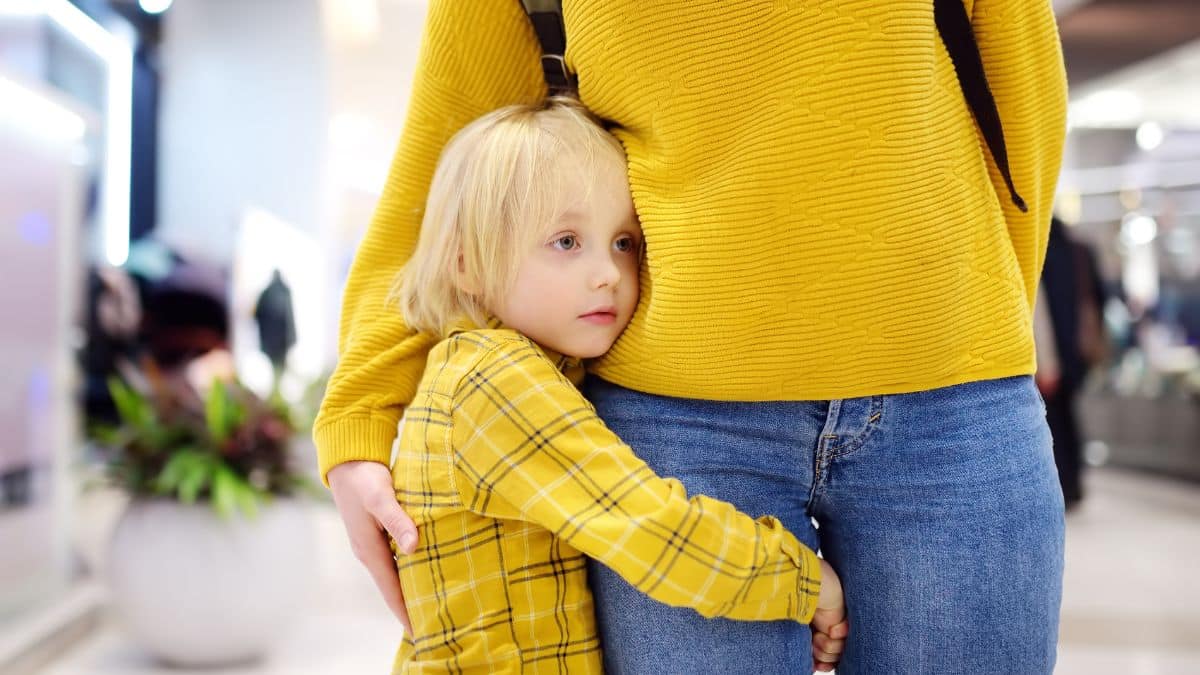
In children, separation anxiety is a natural part of emotional development, especially during infancy and preschool years, as the child learns the world is not limited to just the presence of a parent or caregiver. Feeling uneasy or anxious at being separated, or scared in new environments or with unfamiliar people is normal—yet when separation anxiety exceeds developmental norms, it may develop into a disorder requiring attention and expert support. Typical symptoms include extreme sadness or anxiety when having to part from a parent, refusal to go to daycare or school, persistent claims of longing, and sometimes dramatic reactions such as crying, screaming, clinging tightly to a parent’s arms, or hiding. Children may also report stomachaches, nausea, headaches, or other physical complaints without clear medical cause, intensifying around times of separation. Difficulty falling asleep without a loved one nearby, frequent nocturnal awakenings, or the return of sleep disturbances may also signal a problem. Children might show excessive worry about their parents’ safety, asking, “Will you be okay when I’m gone?”, fear of parents being harmed or dying in an accident, or irrational fear of being kidnapped. Separation anxiety may impact a child’s daily functioning, cause social difficulties, and decrease willingness to participate in extracurricular activities, school trips, or overnight stays away from home.
It’s important to differentiate between typical age-appropriate anxiety and signs pointing to developing separation anxiety disorder. For children under three, mild unease at parental parting is common and usually resolves as the child develops a sense of security and trust in caregivers and environment. Concern should arise if symptoms persist past age five or six, or if symptoms are particularly severe, leading to genuine disruption in daily functioning—e.g., chronic school refusal, ongoing sleep disturbances, or persistent physical complaints related to separations. Alarming cases include long-term refusal to leave home without a parent, avoidance of peer contact, or persistent sadness and anxiety even during brief absences of the caregiver. Parents may notice regression—return to earlier behaviors, increased need for closeness, or even aggression as a reaction to separation. In such cases, a prompt consult with a child psychologist or psychiatrist is advised to assess symptom severity and determine whether separation anxiety disorder is present. Early intervention can prevent more serious emotional and social issues down the road. It’s worth noting that separation anxiety is often triggered by stressful events, such as moving, parents’ divorce, or death of a loved one. Special attention is warranted for symptoms lasting at least four weeks and clearly disrupting functioning at home, school, or among peers—this is a diagnostic criterion used by professionals to recognize separation anxiety disorder.

Separation Anxiety in Adults – Symptoms, Impact on Daily Functioning
Separation anxiety, while usually associated with childhood, can also affect adults, significantly impacting private life, professional work, and relationships. In adults, this disorder primarily involves an excessive, irrational fear of being separated from loved ones, partners, children, or even from home or other symbols of safety. This strong attachment leads to difficulty functioning independently—the person with separation anxiety often feels worry, tension, and unease when not physically close to the significant other. Common symptoms include persistent worries about potential dangers threatening loved ones, fears about accidents, illnesses, or the death of a partner or family member. There is also marked psychological discomfort in situations that require separation, e.g., business trips, delegations, or even short absences of the loved one. Some adults avoid situations likely to lead to separation, and show extreme emotional dependency on their partner—seeking constant support, reassurance of love, or engaging in excessive monitoring. In addition, somatic symptoms can occur—heart palpitations, shortness of breath, headaches, sleep disturbances, or gastrointestinal issues emerging during separations. In daily life, adults with separation anxiety often struggle with making independent decisions, may find it hard to perform job duties—especially those involving travel, shift work, or time away from home.
The impact of separation anxiety on adults’ daily life can be immense and restricting, not only personally, but also socially and professionally. Affected individuals may avoid new activities, forming new relationships, or jobs involving travel or unconventional schedules. Conflicts often arise between the need for closeness and autonomy, leading to relationship issues, jealousy, or excessive control. Persistent anxiety may contribute to other disorders, such as depression, generalized anxiety disorder, or panic attacks. Sometimes, adults respond to separation anxiety by avoiding relationships or emotional commitment, leading to feelings of loneliness and isolation. In extreme cases, psychosomatic problems arise, physical and mental capacity decrease, chronic fatigue, or frequent insomnia, all leading to a lower quality of life. Individuals struggle with ongoing tension, guilt for even brief absences, or a fear of abandonment. Separation anxiety may originate from difficult childhood experiences, chronic stress, loss, or trauma, affecting not just the individual but their entire circle. Family members may feel pressured to meet high demands or offer constant reassurance of their presence and safety. Though often dismissed, this problem requires professional support and can be effectively alleviated with therapy and education about anxiety origins. Realizing these difficulties and a willingness to work on oneself are essential for regaining balance and quality of life, both for oneself and for loved ones.
The Most Common Causes of Separation Anxiety
Separation anxiety, both in children and adults, stems from multiple interrelated factors that intensify each other, making day-to-day functioning challenging. The most important include genetic components, temperamental predispositions, and life experiences—particularly those related to caregiver relationships in early childhood. Research shows that children with parents suffering from anxiety or depression have an increased risk of developing separation anxiety, suggesting genetic influences as well as behavioral modeling. Overprotective or controlling parenting can hinder a child’s ability to develop confidence and independence, making separations a source of disproportionate anxiety. Maintaining a very strong, sometimes symbiotic parent-child bond means leaving the parental “safe base” is perceived as a threat. Lack of adequate emotional support, or conversely, excessive indulgence and meeting every need, may establish maladaptive coping mechanisms with emotions. Furthermore, children who experience sudden losses—such as bereavement, divorce, extended hospitalization, or enforced separation from caregivers—are especially susceptible. Loss of security, sudden environmental changes, or existential fears disrupt a sense of predictability and may solidify anxiety into adulthood.
For adults, the development of separation anxiety may stem from unresolved childhood trauma, attachment disorders, or adverse adult experiences. Adults exposed as children to prolonged parental absences or emotional instability at home more frequently display anxiety-based attachment and show lower self-esteem and higher emotional dependence on partners, friends, or family. Powerful fears after loss—e.g., divorce, death of a partner, sudden end of a relationship, or moving to a new environment without sufficient support—may contribute. Current lifestyle factors, like chronic stress, unstable relationships, or mental exhaustion from excessive duties, can intensify predispositions to this disorder. The presence of other psychological disorders, such as depression, anxiety, or dependent personality disorders, significantly increases vulnerability. Family communication patterns—such as guilt-tripping or threats of abandonment—may reinforce non-adaptive beliefs and increase separation anxiety. Often, negative childhood experiences with upbringing style—especially inconsistent or unpredictable caregiver behavior—play a role. Sociocultural factors, including pressure to stay close to the family or cultural attitudes toward independence, also shape risk. Ultimately, separation anxiety is always the result of an interplay between biological, psychological, and social-environmental factors determining individual susceptibility.
Diagnosis and Effective Treatment of Separation Anxiety
Diagnosing separation anxiety is based on a careful assessment of symptoms, their severity, and their impact on the affected individual’s daily functioning. The process typically begins with a detailed clinical interview, where a psychologist or psychiatrist explores the patient’s life history, relationships, and current psychological and somatic symptoms. Observation of the child or adult’s behavior during separations is crucial, as well as determining whether the anxiety surpasses developmentally or situationally appropriate levels. In children, diagnosis utilizes parent and teacher questionnaires, standardized anxiety scales, and psychological tests to distinguish separation anxiety from other disorders—such as generalized anxiety disorder, dysthymia, or behavioral problems. In adults, it’s key to differentiate separation anxiety from dependent personality disorder or adjustment reactions to stress. Specialists also look for co-occurring mental health issues, like depression, sleep disturbances, or somatization, which may mask or exacerbate anxiety. Diagnosis is aided by interviews with significant others, home observation, and, when necessary, liaising with teachers. Diagnostic decisions rely on international criteria (ICD-10/ICD-11, DSM-5), which stipulate symptom duration and range and exclude other potential causes. Early, accurate diagnosis is vital for selecting the right therapy and preventing long-term emotional and social complications.
Treatment of separation anxiety should be comprehensive, tailored to the patient’s age, symptom severity, and family needs. Psychotherapy is central, with Cognitive Behavioral Therapy (CBT) being most effective in both children and adults. CBT focuses on identifying and modifying distorted beliefs and teaching skills for coping with anxiety—such as exposure to separation situations, relaxation training, autonomy-building exercises, and developing adaptive coping strategies. For younger children, family therapy can be helpful, with therapists working with parents as well as the child, guiding them away from over-control and gradually encouraging independence. For adults, combining CBT with psychoeducation and social support yields positive results, while selected cases benefit from psychodynamic therapy, especially when anxiety stems from unresolved past experiences. In severe cases, where anxiety impairs daily life or is accompanied by other serious disorders, pharmacological support is considered. Anti-anxiety medications (e.g., selective serotonin reuptake inhibitors) are mainly prescribed to adults and older children, always at the psychiatrist’s discretion and after weighing risk and benefit. Psychoeducation for families and caregivers supports understanding the nature of separation anxiety, limiting behaviors that reinforce symptoms, and facilitating gradual separation. Cooperation with schools, daycare, or workplaces is crucial—they should foster emotional security and support gradually overcoming separation barriers. A well-matched therapeutic strategy, consistent approach, and environmental support allow for an effective reduction of anxiety, improved independence, and return to satisfying psycho-social functioning for both children and adults struggling with separation anxiety.
How to Support Those with Separation Anxiety? Practical Tips for Parents and Loved Ones
Supporting people with separation anxiety, regardless of age, requires understanding the nature of the disorder, much empathy, and patience. Open, accepting attitudes are vital—show understanding toward the difficulties experienced by those suffering from separation anxiety and avoid dismissing their emotions. For children, maintaining consistent and predictable goodbye rituals—such as always saying farewell the same way—helps foster a sense of security. Parents should avoid sneaking out or tricking the child during departures, as these approaches may create mistrust and worsen anxiety. Best practices include warning the child about upcoming separations and specifying clear timeframes—”I’ll be back after lunch” helps manage uncertainty and build trust. Everyday communication should use positive reinforcement—praise even small steps toward independence, emphasizing the child’s bravery in coping with separation. Many children benefit from transitional objects, such as a favorite stuffed animal or a parent’s scarf, to bring comfort in stressful moments. Other helpful strategies include addressing difficult emotions together through play, reading books about anxiety, or having conversations about feelings, enabling children to articulate their fears and develop effective coping mechanisms. Cooperation with the child’s school or daycare, and keeping teachers informed, further enhances the child’s sense of safety. It’s important not to shame, criticize, or emotionally neglect children struggling with anxiety—consistent understanding and acceptance are key to positive outcomes.
For adults with separation anxiety, loved ones play a role in restoring autonomy, and building relationships based on trust and transparency. Conversation without judgment, encouraging the open sharing of feelings, is invaluable—honest, empathetic communication reduces shame and isolation often felt with this disorder. Avoid over-controlling behavior and support independent decision-making and taking on challenges. Offer companionship during tough moments, but refrain from rescuing or taking over all responsibilities or decisions. Gradually encourage small steps such as going shopping alone, taking short trips, or social outings—this builds self-competence and steadily reduces anxiety. Supporters should know basic techniques for managing stress, like breathing or relaxation exercises, and encourage their use during anxiety-inducing situations. Patience is required—recovery involves setbacks and progress is gradual. Encourage seeking professional psychiatric or psychotherapeutic help; stress that reaching out is a sign of courage, not weakness. Joint family activities that strengthen emotional bonds—such as trips, shared projects, or sports—offer support and autonomy. Parents and partners of those with separation anxiety may themselves need psychological consultation to better understand coping mechanisms and find effective responses without harming their wellbeing. Tailoring support strategies to the individual, having regular conversations, and caring for your own emotional boundaries all contribute to building a healthy, supportive relationship and making everyday life with separation anxiety more manageable.
Summary
Separation anxiety is a common disorder that affects both children and adults, negatively impacting daily life and emotional functioning. Symptoms include excessive fear of parting from loved ones as well as psychological and physical signs. Accurate diagnosis and effective therapies—from cognitive behavioral therapy to emotional support and gradual acclimatization to separation—are crucial. Understanding causes and offering the right support from family and the community helps alleviate symptoms and restore mental balance in those dealing with separation anxiety.


