
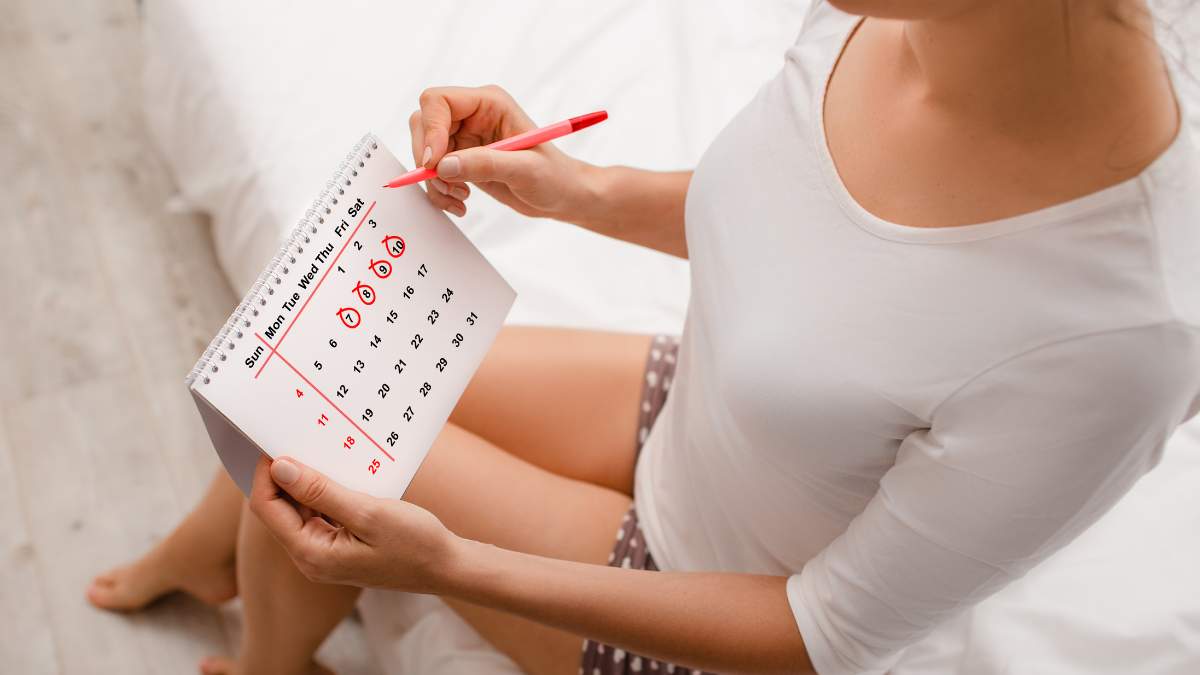
Menstruation, commonly referred to as a period or menstruation, is a natural physiological process that occurs in most women of reproductive age. Although the subject is still taboo for many, it is important to have a sound knowledge of the menstrual cycle. This will not only allow you to better understand your body, but also take care of your health and well-being.
What is menstruation?
Menstruation is the cyclic exfoliation of the endometrium, accompanied by vaginal bleeding. This process is regulated by hormones and usually repeats every 28 days, although the cycle can vary from 21 to 35 days. The first menstrual period (menarche) usually occurs between the ages of 10 and 15, and ceases with menopause, which occurs on average around age 50.
Phases of the menstrual cycle
The menstrual cycle is divided into several phases:
- Follicular phase: It begins on the first day of menstruation. Several Graaf follicles mature in the ovaries, one of which (the dominant one) releases an egg cell. During this time, estrogen levels rise, leading to the reconstruction of the endometrium.
- Ovulation: Around the 14th day of the cycle, ovulation, or the release of a mature egg cell from the ovary, occurs. This is the time when a woman is most fertile.
- Luteal phase: After ovulation, the Graaf follicle transforms into the corpus luteum, which produces progesterone. This hormone prepares the endometrium for the eventual implantation of a fertilized egg.
- Menstruation: If fertilization does not occur, the corpus luteum disappears and progesterone levels drop. This causes the endometrium to flake off and menstrual bleeding.
Symptoms of menstruation
In addition to bleeding, menstruation may be accompanied by various symptoms, such as:
- Abdominal and back pain: Caused by uterine muscle contractions.
- Headaches: Associated with hormonal changes.
- Mood swings: Irritability, tearfulness, fatigue.
- Breast soreness: Caused by an increase in progesterone levels.
- Flatulence: Caused by water retention in the body.
- Changes in appetite: Cravings for sweets or other products.
The severity of symptoms is individual and can vary from cycle to cycle.
How to deal with menstruation symptoms?
There are many ways to relieve menstrual discomfort:
- Warm compresses: Help relax muscles and reduce pain.
- Painkillers: Ibuprofen or paracetamol can relieve pain and cramps.
- Herbs: Chamomile, lemon balm, yarrow have a diastolic and sedative effect.
- Physical activity: Light exercise, such as yoga or walking, can improve circulation and reduce pain.
- Healthy diet: rich in vegetables, fruits and whole-grain products.
- Avoid caffeine and alcohol: They can exacerbate PMS symptoms.
- Relaxation techniques: Meditation, yoga, deep breathing.
Hygiene during menstruation
During menstruation, it is important to take care of intimate hygiene:
- Regular change of sanitary pads or tampons: At least every 4-6 hours.
- Washing the intimate area: Twice a day, using gentle cleansers.
- Avoiding vaginal irrigation: May disrupt the natural bacterial flora.
- Wearing airy underwear: Of natural materials, such as cotton.
When to go to the doctor?
In some cases it is necessary to consult a doctor:
- Very heavy bleeding: Need to change a pad or tampon every hour.
- Painful menstruation: pain that prevents normal functioning.
- Irregular cycles: Absence of menstruation for several months.
- Bleeding between periods: Spotting or bleeding outside the menstrual period.
- Symptoms of infection: Itching, burning, discharge.
Menstruation and contraception
The use of hormonal contraceptive methods can affect menstruation. Birth control pills usually reduce the abundance of bleeding and relieve menstrual pain. IUDs, on the other hand, can prolong the duration of bleeding.
Menstruation and lifestyle
A healthy lifestyle can affect cycle regularity and ease menstrual symptoms:
- Balanced diet: rich in vitamins and minerals.
- Regular physical activity: Improves circulation and reduces stress.
- Avoiding stress: Negatively affects hormonal balance.
- Getting enough sleep: Regenerates the body and reduces fatigue.
Summary
Menstruation is a natural process that accompanies women for most of their lives. Understanding the menstrual cycle and the symptoms associated with it allows you to take better care of your health and well-being. If you have any doubts or worrying symptoms, consult your doctor.


