

Learn effective, natural ways to lower cortisol and reduce stress. Diet, exercise, sleep and herbs – find out how to restore balance.
Table of contents
- What is cortisol? The role of the stress hormone in the body
- Symptoms of excess cortisol and chronic stress
- The effect of diet on cortisol levels – products that help
- Physical activity and relaxation techniques to combat stress
- Sleep and recovery – the key to lowering cortisol levels
- Natural supplements and herbs to support stress reduction
What is cortisol? The role of the stress hormone in the body
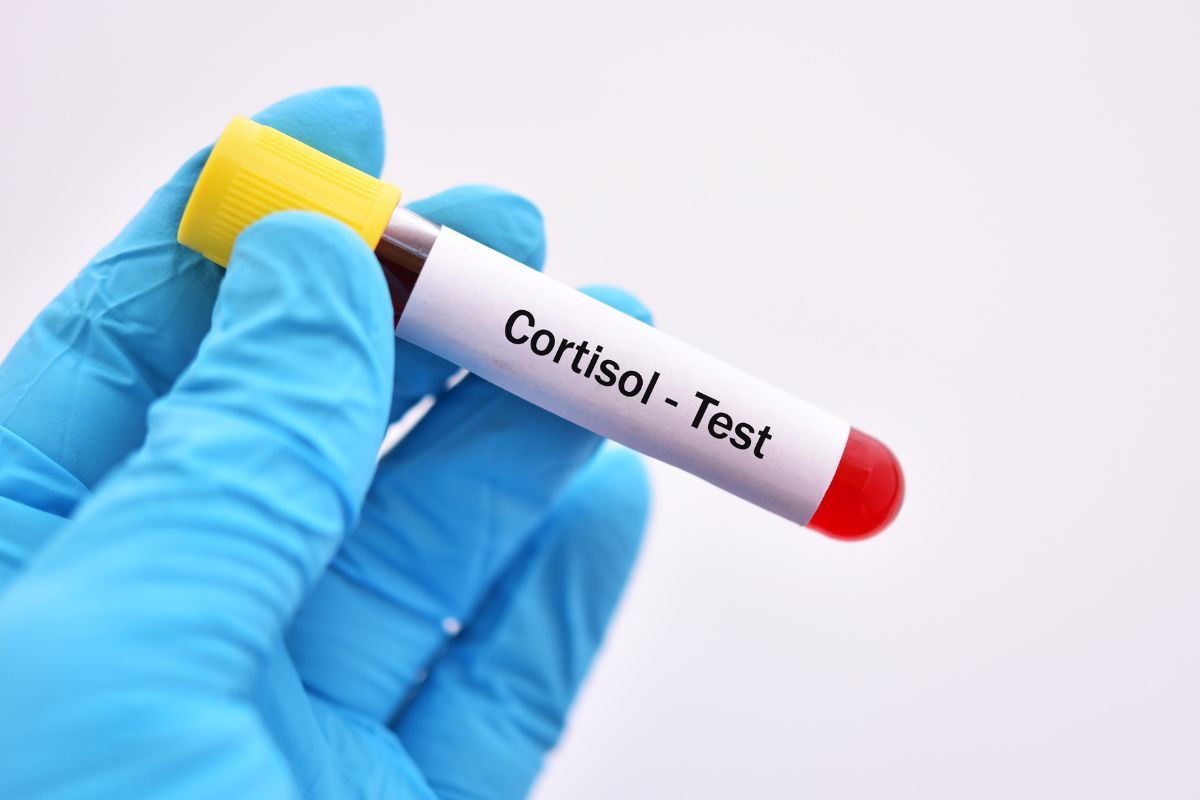
Cortisol is one of the most important hormones in the human body, derived from the glucocorticoid group and produced by the adrenal cortex. Often referred to as the “stress hormone” because its concentration rises sharply in response to stressful situations. However, its role is not limited to the stress response – it is essential for maintaining homeostasis, controlling many metabolic functions and protecting the body from the negative effects of psychophysical overload. In situations of short-term stress, cortisol production is an effective adaptive mechanism – it mobilizes energy through the breakdown of glycogen and fats, increases blood glucose levels, and thus provides the “fuel” necessary to meet the challenge. Cortisol also inhibits processes that are not a priority in the moment, such as digestion or cell division, while enhancing resistance to pain and temporarily increasing concentration. In addition to its “rescue” properties, cortisol also regulates the diurnal cycle (sleep and wakefulness rhythms), influences immune system function, regulates blood pressure, and plays a role in protein, fat and carbohydrate metabolism. Adequate secretion of this hormone is therefore essential for both physical and mental human health.
Although the physiological increase in cortisol levels in chronic or intense stress is a protective response of the body, chronically elevated levels of this hormone are associated with adverse health consequences. Such conditions can lead to a number of disorders, including sleep problems, increased irritability, anxiety disorders or lowered immunity. Long-term persistence of high cortisol levels contributes to the development of conditions such as insulin resistance, type 2 diabetes, endocrine disorders, and accelerated aging. Moreover, excess cortisol can cause fat accumulation in the abdominal area, increasing the risk of cardiovascular disease. The levels of this hormone are affected not only by current stress, but also by inadequate diet, lack of physical activity, chronic lack of sleep, excessive caffeine consumption and even the use of certain medications. It is worth understanding that the correct balance of cortisol is crucial – neither deficiency nor excess is desirable. The body needs an adequate dose of “motivating” stress to function properly and adapt to changing environmental conditions, but chronic stress and long-term overload of the endocrine system can seriously disrupt the functioning of the entire body. That’s why it’s important to identify the symptoms of excess cortisol and take a conscious approach to managing stress on a daily basis, taking care of proper diet, exercise, sleep hygiene and rest, which naturally support the physiological hormonal balance.
Symptoms of excess cortisol and chronic stress
Excess cortisol in the body and chronic stress can lead to a number of disturbing symptoms, both physical and psychological, that can significantly reduce the quality of daily functioning. The first group is made up of emotional and psychological symptoms, which are often downplayed or mistaken for temporary mood deterioration. Chronically high cortisol levels can cause irritability, anxiety, feelings of being driven or having difficulty relaxing, as well as chronic mental fatigue. People experiencing an excess of the stress hormone are more likely to have problems with concentration, memory and decision-making. There is also a tendency to worry excessively and a persistent state of nervous tension. Mood drops and even depressive symptoms and anxiety disorders are also common. The result can be a vicious cycle of stress, in which increasing mental difficulties further crank up cortisol production.
Physical symptoms are also important, and often require a holistic approach and diagnosis. One of the most characteristic symptoms is sleep disorders – insomnia, waking up during the night or feeling unrested after a good night’s sleep. Cortisol under normal conditions peaks in the morning and drops in the evening, preparing the body for recovery. Chronic stress, on the other hand, leads to disruption of this rhythm, which directly affects the quality of sleep and energy levels during the day. Sustained high levels of cortisol can also cause headaches, muscle tension (especially in the neck and back), accelerated heartbeat and gastrointestinal complaints such as abdominal pain, bloating or diarrhea. Symptoms also include sudden changes in body weight – especially a tendency to accumulate fat on the abdomen, as cortisol stimulates fat deposition in this area, while intensifying cravings for sweets and high-calorie snacks. A persistent excess of the stress hormone leads to depletion of the immune system, making the body more susceptible to infection and slowing wound healing. Hormonal disorders, such as irregular menstrual cycles, deterioration of skin health (acne, excessive oiliness), hair loss and libido problems are also not insignificant. Individuals experiencing chronic stress exposure may also see a decrease in motivation to perform, stiffening of joints, chronic physical fatigue and increased susceptibility to more serious chronic diseases, including type 2 diabetes, hypertension or heart disease. The overactive stress mechanism also has a devastating effect on the nervous system – inflammation in the brain is increased, impairing cognitive function and emotional processing. All these symptoms are chronic and do not go away after a short rest, so noticing them should be a signal to look for the cause and implement appropriate measures to reduce cortisol levels and restore balance to the whole body.
The effect of diet on cortisol levels – products that help
Diet plays a fundamental role in regulating cortisol levels, thereby managing stress and maintaining hormonal balance. Contrary to popular belief, mere elimination of unhealthy foods is not enough – it is also necessary to consciously incorporate into the daily menu foods that support natural mechanisms for lowering cortisol. Rapid spikes in blood glucose levels, caused by eating excess simple sugars and highly processed foods, can lead to increased cortisol production. So it’s worth reaching for complex carbohydrates present in groats, whole-grain bread, brown rice or yams, which provide a steady supply of energy and minimize stress reactions. Equally important are foods rich in dietary fiber, which affects
In addition to specific nutrients, diet and meal regularity are not insignificant. Irregular eating, starvation or overly restrictive diets lead to chronic increases in cortisol, signaling the body to store energy and increasing stress reactions. A healthy diet is based on eating 4-5 small, balanced meals a day, rich in protein, natural fats and carbohydrates with a low glycemic index. Protein sources, such as lean meat, eggs, legumes or fermented dairy products (natural yogurt, kefir), not only promote recovery, but also stabilize sugar levels and reduce sudden spikes in stress hormones. It is worth noting the presence of adaptogens, or plants that support the body in adapting to stress, such as ashwagandha (vitania sluggard), rhodiola and holy basil. The presence of polyphenols and flavonoids contained in dark chocolate, green tea, berries, red wine (in moderate amounts) and some vegetables contributes to the reduction of oxidative stress and indirectly supports cortisol reduction. Limiting or eliminating caffeine, especially consumed in the afternoon, sweetened sodas and alcohol is key to maintaining stable hormone levels and sleep quality, which also has a huge impact on cortisol metabolism. Supplementation of certain components can be beneficial for deficiencies, but the best results are achieved with a balanced, varied diet based on natural, unprocessed products. Carefully selected components of a daily menu can not only alleviate the effects of stress, but also promote overall mental and physical health in the long run.
Physical activity and relaxation techniques to combat stress
Regular physical activity is one of the most effective tools in reducing cortisol levels and combating stress. Movement naturally stimulates the production of endorphins, the so-called happiness hormones, which significantly reduce mental tension, improve mood and promote healthy sleep. Physical exertion has a beneficial effect on hormonal balance, regulates the diurnal rhythm and helps deal with symptoms of chronic stress. However, it is worth remembering that moderate intensity is key – too much exertion, especially in inexperienced and overtired people, can have the opposite effect, stimulating overproduction of cortisol instead of suppressing it. The best forms of activity to combat stress are walking outdoors, recreational cycling, swimming, gentle running, low to moderate intensity aerobic training, rollerblading or Nordic walking. For many people, it also becomes important to implement stretching exercises and gentle strength training to improve muscle flexibility and support the nervous system, without overloading the body. Equally effective are forms of movement that combine work on the body and mind, such as Pilates and yoga – these are excellent for those wishing to calm down, reduce tension and learn conscious breathing techniques. Systematicity plays a key role here: even 20-30 minutes of movement a day allows you to better cope with the challenges of everyday life and helps maintain hormonal homeostasis.
In addition to physical activity, relaxation techniques are a very important part of stress and cortisol-lowering therapy – especially these days, when chronic stimulation of the nervous system negatively affects health. Among the proven relaxation methods worth mentioning are Schultz autogenic training, Jacobson progressive muscle relaxation and mindfulness meditation. These techniques, based on conscious breathing, relaxing the body and focusing on the present moment, significantly reduce feelings of stress, improve mood and help relieve anxiety. Practicing yoga nidra or relaxation with relaxation music allows you to better cope with a flurry of thoughts and improves your ability to recover mentally. Special attention should be paid to breathing exercises such as diaphragmatic breathing or the 4-7-8 method – simple techniques that engage the vagus nerve and inhibit the “fight or flight” response, leading to a rapid reduction in cortisol levels. Short meditation sessions or the so-called “body scan” are also a valuable practice, allowing one to become aware of and relax tense muscle parts or reduce somatic feelings of stress. It is worth introducing into the daily schedule breaks of several minutes for conscious relaxation, which can translate into increased resistance to stressors. Regardless of the method chosen, regularity of practice and consistency in implementation make the body learn to respond better to stressful situations, and cortisol levels stabilize within healthy limits. As a result, physical activity and relaxation techniques form a harmonious duo, effectively supporting the body’s natural mechanisms for coping with life’s stresses and restoring internal harmony.
Sleep and recovery – the key to lowering cortisol levels
Good, quality sleep is one of the most important factors regulating cortisol levels and a key ingredient in the effective fight against stress. During sleep, the body carries out a number of regenerative processes: it rebuilds damaged cells, regulates hormone secretion, strengthens the immune system and supports the ability to cope with daily challenges. Chronic sleep deprivation or poor sleep quality is one of the most common triggers for elevated cortisol levels. Sleep that is too short, intermittent or shallow disrupts the body’s natural diurnal rhythm, leads to dysregulation of the HPA axis (hypothalamic-pituitary-adrenal axis), and as a result causes a permanent increase in stress hormone levels, reduces resistance to stressors, worsens concentration, increases susceptibility to infections and significantly reduces the efficiency of metabolic processes. Scientific research confirms that people who sleep less than 6 hours a night have significantly higher concentrations of cortisol in the morning and evening and experience more severe symptoms of chronic tension. It is worth noting that the entire sleep cycle – not only its length, but also its regularity and the deep sleep (NREM) and REM sleep phases – play a significant role in maintaining hormonal balance. Disturbed sleep rhythms, irregular falling asleep and waking up, exposure to blue light from screens before bed, noise, emotional stress or eating heavy meals too late make it significantly more difficult to achieve full recovery and maintain optimal cortisol levels.
Effective recovery and sleep hygiene includes several key strategies to naturally reduce stress hormone levels. First and foremost, ensure consistent bedtime and wake-up times – regularity synchronizes the internal biological clock, reducing disruption of the hormonal axis. A minimum of 7-8 hours of uninterrupted sleep in comfortable conditions is recommended: a darkened, quiet and well-ventilated room with an optimal temperature (about 18-20°C). Reducing exposure to blue light a minimum of 1-2 hours before bedtime (by refraining from using smartphones, computers and television) helps increase the secretion of melatonin, which has an antagonistic effect against cortisol and promotes physiological recovery. Calming rituals in the evening are also very helpful: reading a book, brief relaxation, aromatherapy, a warm bath or breathing exercises, which reduce nervous tension and calm the nervous system. It’s also worth paying attention to the evening diet – easily digestible, wholesome dinners rich in protein, magnesium and B vitamins support nocturnal synthesis of neurotransmitters responsible for good mood and sleep quality. It may also be important to limit caffeine and alcohol intake at least a few hours before bedtime, as they stimulate cortisol and block the natural phases of rest. Mindfulness and meditation practices used in the evening, which reduce racing thoughts and slow down the heart and breathing, are also effective supports for achieving deep recovery. A preliminary analysis of one’s own sleep habits (e.g., using a sleep diary) and the elimination of environmental and psychological factors that interfere with nightly rest can also be extremely effective. Implementing even a few recommendations can not only regenerate the nervous system and lower cortisol levels, but also improve overall stress resistance, mood, cognitive abilities and health outlook for many years to come.
Natural supplements and herbs to support stress reduction
With modern lifestyles full of pressure and protracted stress, more and more people are turning to natural supplements and herbs that show scientifically proven anti-stress effects and help lower cortisol levels. Among the most well-known are adaptogens – a group of plants that help the body adapt to difficult conditions, improve mental and physical performance, and above all regulate the body’s response to stress. Among adaptogens, ashwagandha (Withania somnifera), known for its beneficial effects on hormonal balance, immunity and sleep quality, deserves special attention. Numerous studies confirm that the use of ashwagandha extract can reduce cortisol levels by up to a dozen percent, thereby improving resistance to stress and alleviating its mental and physical effects. Another popular adaptogen is rhodiola rosea, which aids concentration, eliminates fatigue and increases mental productivity-its action is based on increasing the body’s resistance to stressful situations by modulating the hypothalamic-pituitary-adrenal axis, which translates into more balanced cortisol secretion and better mood.
Other natural herbs and supplements worthy of note for their anti-stress and hormonal balance-supporting properties include a herbal base that has been used for centuries in folk medicine: lemon balm, valerian, passionflower and lavender. Lemon balm has a relaxing effect on the nervous system, helping you fall asleep and relieving mental tension, and its extracts have a mild sedative effect without causing addiction. Ginseng is an herb particularly recommended for stress-induced sleep problems; it naturally reduces the excitability of the nervous system, promoting restful sleep and recovery. Passiflora, or passionflower, thanks to the presence of flavonoids and alkaloids, has a calming effect, positively influencing mechanisms that inhibit excessive production of stress hormones. Lavender, on the other hand, used in the form of infusions, inhalation oils or supplements, has a relaxing effect, improves mood and can help reduce subjective feelings of tension and anxiety. Also among the group of natural supplements worthy of consideration are magnesium, B vitamins and vitamin C-components whose deficiency increases susceptibility to oxidative stress and adrenal dysfunction. Magnesium plays a key role in regulating energy metabolism and nervous system function, and numerous studies show that its supplementation markedly reduces feelings of chronic stress. B vitamins, especially vitamin B6, B9 (folic acid) and B12, are involved in the synthesis of neurotransmitters and support proper brain function. Vitamin C, on the other hand, is known for its properties of strengthening the immune system and reducing the effects of stress on the body, including by inhibiting excessive cortisol production. Formulations combining extracts from several herbs and adaptogens in a single supplement are also becoming increasingly popular, allowing for synergistic anti-stress effects and easier implementation of herbal support into the daily routine. It is worth remembering that the effectiveness of natural supplements and herbs depends on individual biology, product quality and regularity of use. It is a good idea to consult a doctor before starting a treatment, especially if you are taking other medications or suffer from chronic diseases. This approach makes it possible to safely and effectively reduce stress and support the body in returning to hormonal and psychophysical balance.
Summary
Lowering cortisol levels and effectively combating stress are the results of a synergy of proper diet, regular physical activity, relaxation techniques and restorative sleep. Introducing just a few of the methods described will help you regain inner peace, a better sense of well-being and the health of your entire body. It is also worth considering the use of natural supplements and herbs, always ensuring regularity and consistency. By taking a holistic approach, you will not only lower your stress hormone, but also gain more energy and resilience for daily challenges.


