
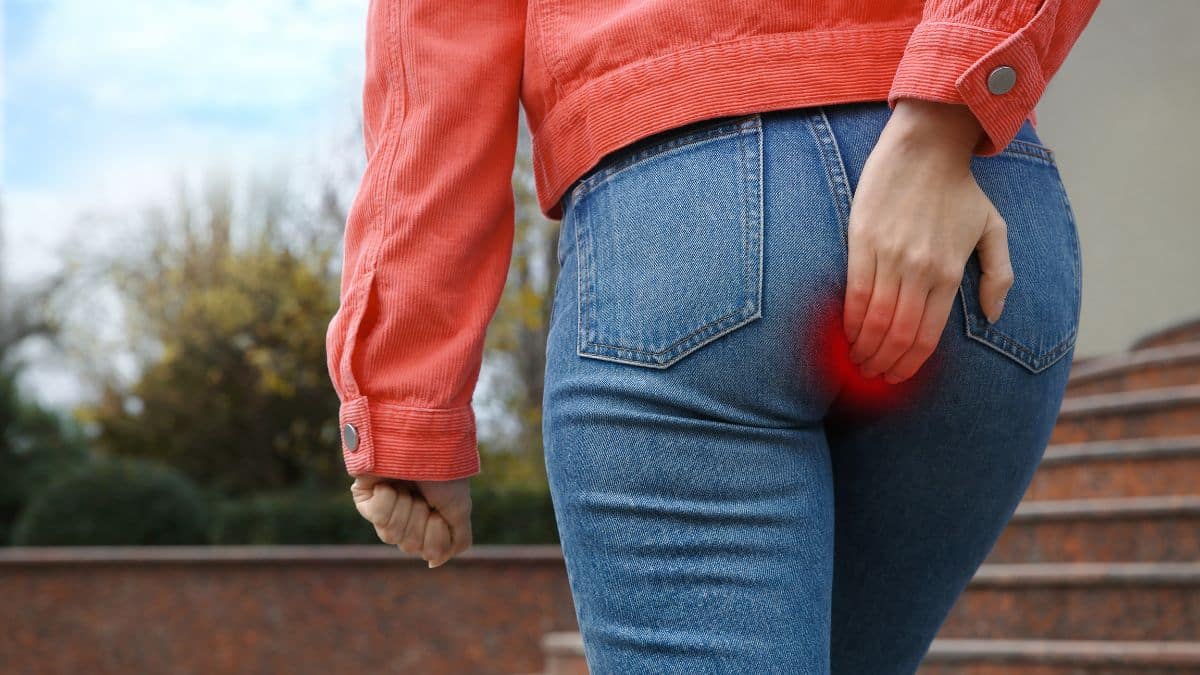
Hemorrhoids, although they sound threatening, are one of the most common health problems affecting both men and women. We are often ashamed to talk about them, which leads to downplaying the problem and delaying treatment. The purpose of this article is to introduce you to the subject of hemorrhoids, explaining their causes, symptoms and available treatments. Remember that you are not alone with this problem and there are many effective ways to get rid of hemorrhoid complaints.
What are hemorrhoids?
Hemorrhoids, also known as anal varices, are dilated veins in the anal area. They are a natural part of the human anatomy and serve an important function, helping to maintain normal sphincter function. The problem arises when these veins become enlarged and inflamed, causing pain, itching and bleeding.
Types of hemorrhoids
There are two main types of hemorrhoids:
- Internal hemorrhoids: They are located inside the rectum and are usually not visible to the naked eye. They often manifest as painless bleeding during bowel movements.
- External hemorrhoids: They occur under the skin around the anus and are visible as painful nodules. They are often accompanied by itching and burning.
Causes of hemorrhoids
The causes of hemorrhoids are many, and among the most common are:
- Constipation: Prolonged pushing during defecation increases pressure in the blood vessels of the rectum, leading to their dilatation.
- Pregnancy: Pregnancy increases abdominal pressure, which can lead to hemorrhoids.
- Obesity: Excess weight increases pressure in the blood vessels, which promotes the development of hemorrhoids.
- Sedentary lifestyle: prolonged sitting impedes blood circulation in the anal area.
- Lifting weights: Heavy physical work can increase blood vessel pressure.
- A diet low in fiber: A deficiency of fiber in the diet leads to constipation, which in turn promotes hemorrhoids.
- Stress: Stress can affect the functioning of the digestive system and contribute to constipation.
Symptoms of hemorrhoids
Symptoms of hemorrhoids can vary and depend on their type and severity. The most common symptoms are:
- Rectal bleeding: Fresh blood on toilet paper after a bowel movement.
- Pain: Particularly severe with external hemorrhoids and during bowel movements.
- Itching and burning: A feeling of discomfort in the anal area.
- Tender nodules: In the case of external hemorrhoids.
- A feeling of incomplete bowel movement.
Diagnosis
Diagnosis of hemorrhoids usually does not require complicated tests. Your doctor will perform a physical examination to confirm the diagnosis. In some cases, additional tests such as anoscopy or colonoscopy may be necessary to rule out other diseases.
Treatment of hemorrhoids
- Dietary changes: Introducing more fiber into the diet, drinking plenty of water, avoiding spicy and hot foods.
- Hygiene of the anal area: Regular washing with warm water, gentle drying.
- Use of medications: Ointments, suppositories and tablets containing anti-inflammatory and analgesic substances.
- Changing habits: having regular bowel movements, avoiding prolonged sitting, doing moderate physical activity.
Treatment of hemorrhoids depends on the stage of the disease and the severity of symptoms. In the early stages of the disease, conservative treatment can be used, which consists of:
For more advanced hemorrhoids, surgical treatment may be necessary, which includes:
- Sclerotherapy: the injection of a sclerotic agent into varicose veins, which leads to their shrinking.
- Ligation with rubber bands: Placing rubber bands on the base of hemorrhoids, which leads to cutting them off from the blood supply and causing them to die.
- Hemorrhoidectomy: A surgical procedure to pull up and immobilize hemorrhoids.
Preventing hemorrhoids
To prevent hemorrhoids or reduce the risk of recurrence, it is worthwhile:
- Lead a healthy lifestyle: exercise regularly, avoid obesity, and maintain a healthy diet.
- Avoid constipation: Drink lots of water, eat plenty of fiber, and have regular bowel movements.
- Do not avoid pushing on the stool.
- Take care of the hygiene of the anal area.
Summary
Hemorrhoids are a common health problem that need not be a source of embarrassment. With proper diagnosis and treatment, you can effectively get rid of the discomfort of hemorrhoids. Remember that prevention is the best way to avoid this condition. If you have any doubts about your health, consult your doctor.
Note:
The above article is for informational purposes and is not a substitute for visiting a doctor. If you experience any symptoms indicative of hemorrhoidal disease, contact a specialist.


