
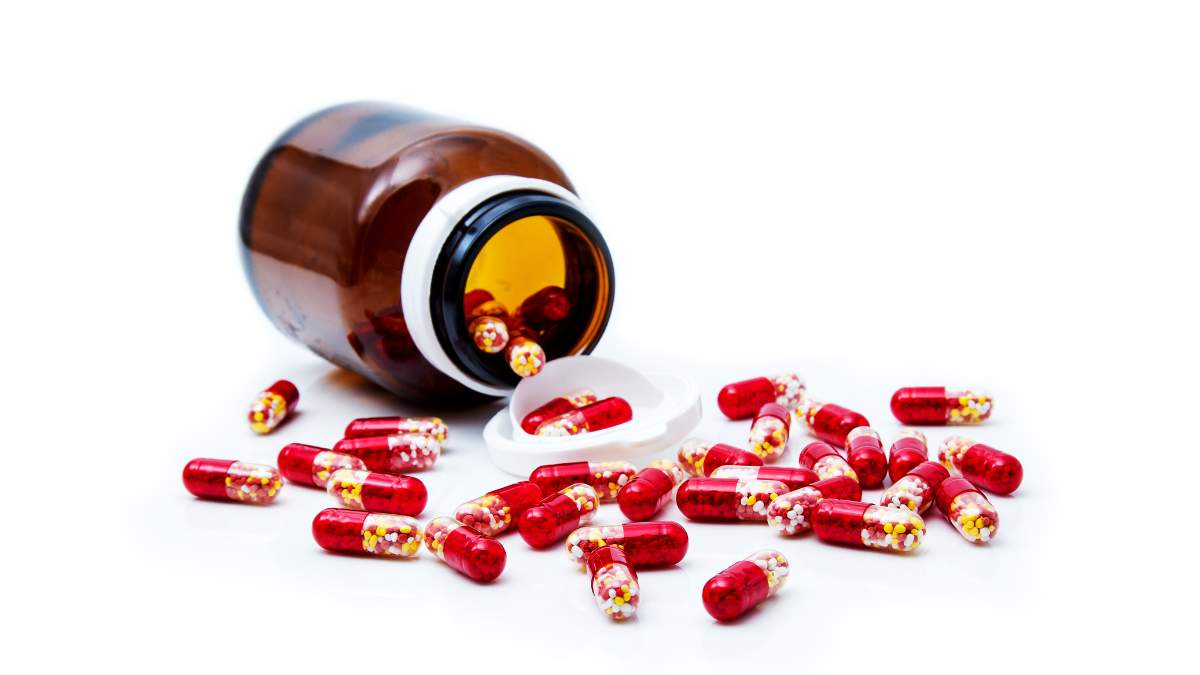
Over-the-counter medications are too easily accessible to children. Learn about the risks, consequences, and how to effectively keep your little ones safe.
Table of Contents
- OTC Medicines – What Are They and Why Is Their Accessibility Increasing?
- NIK Raises the Alarm: Dangers Associated with Children’s Access to Medications
- Over-the-counter Medicines in Shops and Online – Lack of Control
- Poisoning Statistics Among Children – The Scale of the Problem
- How to Limit Children’s Access to Medicines? Expert Recommendations
- Safe Storage and Parent Education – Key Steps
OTC Medicines – What Are They and Why Is Their Accessibility Increasing?
OTC drugs (over-the-counter), are medicinal preparations that can be purchased in pharmacies or often even outside of them without the need for a doctor’s consultation or a prescription. This group includes popular painkillers, antipyretics, preparations for colds, allergy medications, dietary supplements, as well as products used for treating symptoms of infections or digestive problems. The idea behind introducing OTC drugs to the market stemmed from the need for quicker and easier access to preparations considered relatively safe for short-term use, and which patients can use themselves for mild ailments. The process of classifying medicines as OTC is regulated by law, and decisions are made by appropriate state bodies and health institutions that assess the potential risk, side effects, and risk of addiction or overdose of a given product. In practice, however, many people do not realize that over-the-counter drugs can pose real dangers, especially when used improperly or excessively.
In recent years, we have observed a steady increase in the availability of OTC medicines, as a result of both the development of the pharmaceutical market and changing consumer behaviors. Firstly, more and more products are found not only in pharmacies, but also supermarkets, petrol stations, newsagents, and online stores, greatly facilitating their purchase, including by minors. The rise of e-commerce and shipping services means practically anyone, regardless of age, can order any OTC product without leaving home or being subject to pharmacist control. Secondly, society is increasingly looking for fast and easily accessible remedies for various everyday ailments, trusting advertisements, online reviews, and the belief that such medicines are harmless. The dynamic growth of pharmaceutical marketing means that over-the-counter drugs are promoted as a solution to “everything” – from headaches to colds and even stress. Furthermore, time pressure, hectic lifestyles, and limited access to medical care – especially during the COVID-19 pandemic – have further forced a rise in self-medication and stockpiling of OTC drugs. We must also remember the liberalization of regulations and policies of manufacturers and distributors, who eagerly expand the list of items sold outside of pharmacies. All this makes it increasingly difficult to control who is reaching for which product, in what amount, and for what reason. While such simplification in purchasing procedures was supposed to benefit adult consumers, it is now increasingly exposing children to unconscious and potentially dangerous contact with medicines.
NIK Raises the Alarm: Dangers Associated with Children’s Access to Medications
The Supreme Audit Office (NIK) has been systematically sounding the alarm for several years about the uncontrolled access of children and adolescents to over-the-counter (OTC) drugs, emphasizing that the scale of the threat is severely underestimated. According to NIK reports, increasingly easy access to drugs online and in non-pharmaceutical outlets, such as grocery stores, kiosks, or petrol stations, is resulting in a rise in cases of inappropriate use of these preparations by young people. Children, not always aware of the potential side effects, more frequently reach for painkillers, antipyretics, or even sedatives, believing in their so-called “harmlessness,” as advertised. NIK points out that the problem is aggravated by adults inadequately securing medicines – both at home and in public places. Statistics show that year after year, the number of poisoning and overdose cases involving OTC medications among minors is rising. These often concern popular substances such as paracetamol, ibuprofen, antihistamines, and cough syrups, overdosing on which can lead to severe and even life-threatening complications, including liver damage, kidney failure, heart rhythm disorders, or neurological problems. Apart from accidental ingestion, there is also a rise in intentional medicine-taking among teenagers – as a form of experimentation or coping with emotional issues. NIK highlights that downplaying these threats leads to dire social and health consequences: long-term complications, hospitalizations, or dependencies are becoming routine in toxicology departments across Poland. Despite numerous information campaigns, the system of warnings and education about the dangers of medications still proves insufficient.
An important aspect highlighted by NIK is the lack of effective legal and organizational mechanisms enabling the control of OTC drug sales to minors. In many Western countries, systems have already been implemented to limit the purchase of specific groups of substances by children and adolescents, for example by requiring ID checks or quantity limits per transaction. Unfortunately, Poland lacks cohesive solutions of this nature—neither pharmaceutical law nor any other regulations require non-pharmacy vendors to verify customer age. Meanwhile, studies cited by NIK show that up to 40% of children aged 12-17 have independently accessed OTC drugs, a percentage even higher in large cities. As a result, self-medication without adult or specialist consultation is becoming increasingly common, along with an intensification of the so-called “pharming parties,” where teenagers experiment by mixing different pharmaceuticals to achieve intoxication or mood enhancement. An additional issue is the ease with which children can find dosing or usage information online, and the lack of adequate safeguards in e-pharmacies or online stores allows them to purchase products on their own, with no oversight. NIK calls on lawmakers and public health authorities to swiftly implement systemic solutions – concerning sales regulation and mandatory pharmaceutical education in schools and at home, to counteract the growing tide of problems connected with uncontrolled access to medications by young people.
Over-the-counter Medicines in Shops and Online – Lack of Control
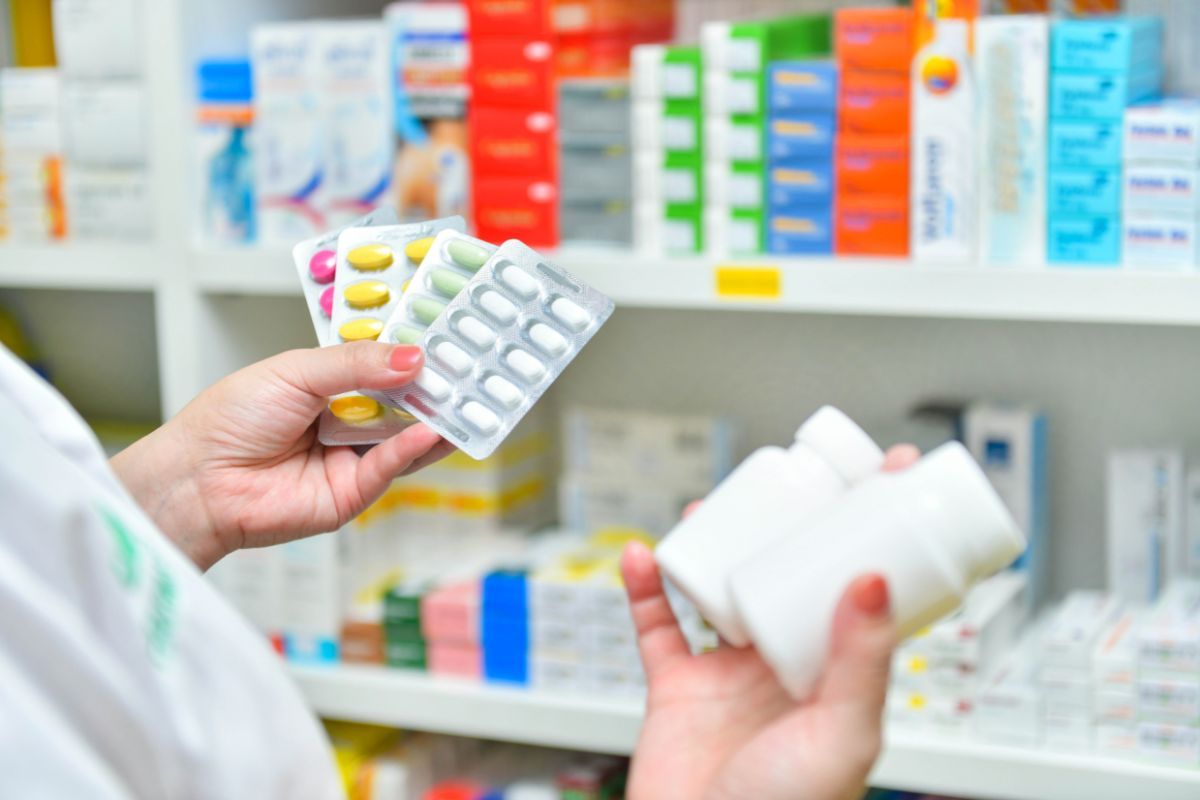
One of the biggest challenges associated with OTC drugs availability in Poland is their broad distribution outside of controlled sales points like pharmacies. In recent years, we have observed a dynamic increase in OTC sales in locations such as supermarkets, drugstores, newsstands, and even petrol stations. These changes are directly related to regulatory liberalization and the development of the pharmaceutical market. As a result, over-the-counter drugs enter circulation in places with no proper pharmaceutical oversight or mechanisms for age verification. Store clerks usually lack medical knowledge to give advice, and transactions are handled like purchases of any other goods. Children and teenagers can easily grab these medicines off the shelves, with no questions about age or purchase reason. In many stores and sales points, such medicines are placed by the cashier or at a child’s eye level, further increasing the risk of spontaneous purchase or accidental ingestion by the youngest. The lack of strict regulations on the storage and distribution of medicines in stores brings serious consequences – children have much easier access to painkillers, antipyretics, even sedatives, which can lead to overdoses, poisoning, or the development of harmful habits.
Even more concerning in terms of control is the sale of OTC drugs online. Internet pharmacies, stores, and classified ad platforms have become another channel used by both adults and minors. Verification mechanisms for a purchaser’s age are often nonexistent, and the ordered drugs can be picked up from parcel lockers, which further increases the anonymity and freedom of illegal teen purchases. E-commerce platforms promote OTC drugs through aggressive advertising campaigns, touting quick and easy solutions to “any ailment,” strengthening parents’ sense of security around these products. The lack of oversight in online sales translates into difficulty enforcing laws and monitoring the single or repeat purchase of large quantities of tablets by youths—often for intentional ingestion. Reports show teenagers can independently order medications online, hiding transactions from parents or guardians. The problem is worsened by the fact that reviews, blogs, and online forums promoting OTC drugs are easily accessible even to young children, who often are unaware of the real side effects and dangers of irresponsible intake, especially when combined with other substances. As a result, the OTC drug market in Poland operates with virtually no real control over who buys and uses these products and in what quantities, exposing children to irreversible health consequences and leading to numerous cases of poisoning, overdoses, and harmful pharmacological interactions.
Poisoning Statistics Among Children – The Scale of the Problem
The scale of poisonings involving over-the-counter (OTC) medications among children in Poland is causing growing alarm among doctors and health safety authorities. Data collected by the National Institute of Public Health, the Toxicology Information Centre, and the Chief Sanitary Inspectorate demonstrate a systematic rise in medicinal poisoning cases among the youngest patients. According to the latest reports from the Chief Sanitary Inspectorate, children’s hospitals annually report several thousand cases of OTC drug poisoning; a significant portion includes preschool and school-age children – most often between ages 6 and 14. In 2022, over 5,000 cases of drug-related poisoning in this age group were reported, nearly 60% of which were related to OTC medications. The most dangerous substances are paracetamol, ibuprofen, antihistamines, sleeping agents, and cough syrups, which, although common in home medicine cabinets, can cause severe health effects when ingested by children in doses exceeding therapeutic levels. Data from the Polish Society of Toxicology show that even 40% of all child hospitalizations due to pharmaceutical poisoning result from the accidental ingestion of medicines, while the rest are from intentional use—increasingly observed among teenagers. Many parents are unaware that even small amounts of certain medicines, seemingly safe for adults, can cause severe complications for a child, such as liver failure, neurological disorders, or life-threatening situations.
This problem is not limited to Poland – similar trends can be observed in other European and world countries. A report from the European Medicines Agency (EMA) indicates that, across the European Union, as much as 20% of reported poisoning cases among children and adolescents are connected to OTC medications, making them the second leading cause of poisoning after household chemical agents. However, Poland stands out with a relatively high rate of child hospitalizations due to OTC drug poisoning, which experts link not only to the broad accessibility of these preparations but also to low public awareness and a lack of effective education about safe pharmacotherapy in children. Every year, there are numerous interventions by emergency services related to “medicine experimentation” among young people—a trend particularly worrying due to its health risks and the potential development of severe psychiatric problems in the future. The statistics confirm that both young children who accidentally ingest medications and teenagers who do so intentionally are especially exposed to negative health consequences, indicating an urgent need to increase oversight and take preventive action.
How to Limit Children’s Access to Medicines? Expert Recommendations
Public health specialists and pharmaceutical experts emphasize that reducing children’s access to OTC drugs requires comprehensive, multi-level actions at both the legislative level and in everyday home practices. According to the Polish Pediatric Society and the National Institute of Public Health, the most essential need is to change regulations that currently allow for the free sale of OTC drugs not only in pharmacies but also in places where the staff lacks pharmaceutical expertise. Experts propose that OTC medicines should be sold exclusively in pharmacies and pharmaceutical points where strict sales control applies, customer age verification is required, and information about possible side effects is provided. Important also is tightening online sales regulations and introducing obligatory age-verification with secure electronic solutions, such as e-ID systems and dedicated apps. Another effective way may be to introduce quantitative transaction limits – e.g. prohibiting the sale of more than a selected number of packages of a given drug per transaction. Experts point out that parent and guardian education should become a priority – not only regarding proper medicine storage out of children’s reach but also making them aware of the real risks posed by irresponsible medicine storage. The use of secure, lockable containers is recommended; medicines should be kept in places both inaccessible and out of sight of children, and regular checks of home medicine cabinets should be performed to eliminate expired or unused drugs, which also can pose a threat.
The Role of Prevention, Education, and Inter-institutional Cooperation
The second pillar of preventive actions should be broad-based education aimed at all social groups influencing children’s safety: parents, teachers, healthcare workers, and sellers. Experts recommend regular information campaigns and educational workshops conducted in schools and health centers, designed not just to shape responsible attitudes toward medications, but also to teach how to recognize signs of drug poisoning in children. Cooperation among the Ministry of Health, Ministry of Education, pharmaceutical authorities, and NGOs is necessary to develop and implement programs reducing the risk of drug misuse and uncontrolled access among the youngest. Pharmacist training in responsible sales, identifying potential abuses, and safe procedures for serving underage customers can also bring positive results. Experts also note the need for digital platforms monitoring OTC drug sales, enabling rapid detection of worrying trends and prompt administrative intervention. Free multimedia guides, helplines, and mobile apps about safe pharmacotherapy for children and adolescents should be available to families and schools. In the long run, it’s also important to create effective standards for cooperation between the health service, social services, education, and the justice system when cases of improper or abusive drug use among children are discovered. Only by acting simultaneously on legislative, educational, and practical levels can we effectively limit this dangerous phenomenon and ensure greater safety for the next generations in their daily contact with over-the-counter medicines.
Safe Storage and Parent Education – Key Steps
Safe storage of over-the-counter medications and parent education are the foundation of effective protection of children from accidental or intentional access to pharmaceuticals. The key is fostering proper habits at the purchase and storage stages at home. Medicines should be stored in places invisible and inaccessible to children, preferably in lockable cabinets or containers that cannot be easily opened by the youngest. Storing drugs in places accessible to children, such as bathroom cupboards, kitchen drawers, or on countertops and bedside tables, is not allowed. Special caution should be given to products attractive to children—colorful tablets, fruit-flavored syrups, or effervescent tablets can be mistaken for sweets. Medicines should also be stored in their original packaging, with a leaflet and description, to avoid mistakes and facilitate first aid if necessary. It is equally important to check expiration dates—expired drugs should be promptly returned to the pharmacy or collection point to prevent accidental ingestion. In families where children are more independent, parents should regularly check the contents of the home medicine box and inform caregivers (such as grandparents or babysitters) about safety rules. Additionally, buying excessive amounts of drugs or keeping unnecessary medicines at home should be avoided—the fewer drugs, the lower the risk of uncontrolled access.
Alongside physical safeguards, the crucial aspect of prevention is educating parents and all adults involved in caring for children and teenagers. Modern research has repeatedly shown that a lack of knowledge about possible side effects and rational drug use correlates with a low awareness of risk. Parents should understand that even the most common OTC drugs, such as paracetamol or ibuprofen, can lead to serious health problems at inappropriate doses, including liver and kidney damage, body poisoning, allergic reactions, or neurological disorders. Official educational materials provided by the Ministry of Health, National Institute of Public Health, and pharmacies conducting awareness campaigns should be used. Consulting a pharmacist is a valuable initiative—they can provide crucial information on correct dosing, safe storage, and potential interactions between medications. It’s also important to have open conversations with children about medicine and to explain why they should not use pharmaceuticals on their own; any form of rewarding a child with medicines or portraying them as appealing rewards is unacceptable. In today’s world, where children and teenagers have easy access to online information, parents should actively accompany their children in learning—browsing educational materials together, attending workshops or webinars, and keeping up with social campaigns can effectively increase awareness about OTC drug risks. Regular education should also involve teachers, caregivers, and the entire social environment—spreading knowledge about basic pharmaceutical safety rules should be a common goal for the whole community. Only then will it be possible to create a safe environment in which the youngest are effectively protected from the risk of accidental or intentional ingestion of OTC drugs.
Summary
The accessibility of over-the-counter (OTC) medicines in Poland remains high, which poses serious risks to children’s safety. NIK and the Ministry of Health point to gaps in the supervision of drug sales, both in stores and online. Poisoning statistics among the youngest are alarming, and experts stress the need to restrict physical access to drugs through lockable cabinets or high shelves. Parental and caregiver education, as well as the implementation of stricter regulations, is crucial. Preventing tragedy requires a collective effort and responsibility—on the part of shops, pharmacies, and families alike.


