
Sleep together or separately? Discover the latest studies, the pros and cons of sleeping as a couple or individually, and how your choice affects health and relationship dynamics.
Table of Contents
- Sleep together or separately? – What scientific studies say
- The impact of sleeping together and separately on sleep quality
- Closeness in relationships – Does sleeping apart affect your bond?
- Sleeping together and its impact on mental and physical health
- Advantages and disadvantages of sleeping together or apart – What to consider?
- How to make a decision – Practical tips for couples
Sleep together or separately? – What scientific studies say
The decision to sleep together or separately is rooted not just in personal preference, but also in cultural, evolutionary, and social backgrounds. In recent years, researchers across various countries have conducted numerous studies shedding light on how this choice affects sleep quality, health, and relationship dynamics. Research published in “Sleep Medicine Reviews,” “Journal of Sleep Research,” and “Chronobiology International” has examined both couples sleeping together and those choosing separate beds or bedrooms. The results show that sleeping together is often linked with a greater sense of emotional closeness and security – hormones such as oxytocin, released during close physical contact, can increase psychological well-being and reduce stress levels. Moreover, couples who sleep together often report higher relationship satisfaction and a better sex life. However, these same studies emphasize that a partner’s presence in bed may lead to sleep disturbances—different bedtime habits, nocturnal movements, mismatched sleep cycles, and snoring can cause awakenings and sleep fragmentation, decreasing overall quality. This is especially problematic with lifestyle differences, shift work, or in the case of specific sleep disorders such as insomnia or restless legs syndrome. Study authors point out that even minor disturbances can result in daytime fatigue, low mood, and reduced concentration, which, in the long run, can harm both physical health and relationships.
On the other hand, studies on couples who choose separate beds or bedrooms indicate that this choice allows many people to experience deeper, uninterrupted sleep, boosting energy levels and overall satisfaction with rest. Experts emphasize that separate sleeping helps people with different sleep needs and temperaments to better look after their individual health, thereby influencing the functioning of their relationships. Some studies also note the growing number of Western couples practicing so-called “sleep divorce”—the decision for separate bedrooms is made by both younger and older couples, not only for health reasons but also to enhance sleep comfort. Interestingly, researchers have found that in many cases, emotional closeness and communication do not deteriorate—on the contrary, a mutual decision and open discussions about needs can foster greater understanding and mutual respect. It’s also important to recognize that the choice between sleeping together or apart is influenced by many individual factors: age, stress level, presence of children in the home, housing circumstances, or specific preferences regarding comfort, temperature, or noise. That’s why more sleep specialists and psychologists encourage treating the topic of sleep as a dynamic process, tailored to the current needs of both partners and flexible to changing life circumstances. Awareness of scientific research allows for more conscious decision-making and open discussions about one’s preferences without taboo or guilt, which itself can be an important step toward a healthier relationship and better sleep quality.
The impact of sleeping together and separately on sleep quality
Sleep quality is a key factor for proper body functioning, mental health, and general well-being. Sleeping together or separately can affect it in various ways, depending on personal preference, lifestyle, and partner temperament. Studies indicate that couples who opt to sleep together often enjoy a greater sense of security, which translates into faster falling asleep and reduced stress before bedtime. Physical closeness promotes the production of hormones such as oxytocin and serotonin, which have soothing effects on the nervous system and promote recovery. Bedtime rituals like talking, cuddling, or watching a movie together not only help build your relationship but also calm the mind and body, setting the stage for restful sleep. However, not every couple benefits equally—people sensitive to noise, movement, or light often complain about disrupted sleep due to their partner’s snoring, tossing, or different preferences for bedroom temperature and lighting. A study published in “Sleep and Biological Rhythms” reveals that up to 30% of people claim that their partner negatively affects their sleep quality, leading not only to frequent awakenings but also chronic fatigue, irritability, or lower immunity. In such cases, a joint decision to sleep in separate beds or even rooms often brings notable improvement, allowing both partners to regain deep, uninterrupted sleep and full energy throughout the day.
Alternatively, sleeping separately can be an effective way to optimize sleep conditions, especially when lifestyle differences or sleep habits disrupt nighttime rest. For shifts workers, those with specific temperature preferences, or those easily disturbed by noise or movement, separate beds can be invaluable. The absence of disturbances allows for faster entry into deep sleep phase, which is crucial for recovery, memory consolidation, and emotional balance. Experts note that uninterrupted REM and NREM cycles are fundamental for waking up well-rested and in good spirits; for this reason, people choosing “sleep divorce” often report clear improvement in sleep quality and daily functioning. However, sleeping apart may not be suitable for everyone—some may experience feelings of loneliness or emotional insecurity, especially if the arrangement was not discussed or mutually agreed upon. Psychological factors like the need for closeness or individual stress resilience play a role. So, both sleeping together and apart affect sleep quality in multifaceted ways—the balance of benefits and difficulties relies on mutual understanding, relationship communication, and flexibility in adapting to changing circumstances. The latest findings indicate that the best solutions for sleep quality are those respecting autonomy, honesty about individual needs, and a readiness to temporarily alter nighttime routines if needed.
Closeness in relationships – Does sleeping apart affect your bond?
One of the most common concerns about sleeping separately is the fear of growing apart and losing emotional closeness. Society often believes that sharing a bed equates to a strong bond, and choosing to sleep apart may signal crisis or partner isolation. However, the latest research and observations from couples therapists show that relationship quality is not determined solely by where you sleep but by caring for communication, intimacy, and fulfilling each other’s emotional needs. Open conversations, planning time together, and nurturing closeness in other aspects of daily life help maintain a deep connection even when couples choose separate bedrooms. Intentionality is crucial—if the decision to sleep apart is driven by a desire for better sleep comfort or mental health, and not as an escape from the partner, it does not have to weaken the bond or lead to feelings of abandonment. On the contrary, for many, improved sleep quality results in a better mood during the day, greater patience, and openness in the relationship, which supports deepening the partnership. It’s also vital to recognize that diversity in intimacy preferences shouldn’t be a reason to worry. Some couples, even when sleeping in different rooms, maintain a healthy and satisfying sex life and strong relationship—their together time in bed becomes a more awaited and celebrated moment, featuring a sense of intimate surprise and mystery.
Cultural and evolutionary factors are also important: in many cultures, sleeping together was the norm for practical reasons such as warmth or limited space, while separate beds or bedrooms were a privilege of the wealthy. Only in the twenty-first century do we see a conscious shift, motivated by the need for individual comfort, which can evoke anxiety and guilt, especially in those attached to traditional relationship models. Psychologists and sexologists emphasize that sleeping apart is not stigmatizing for the relationship as long as both parties agree and clearly communicate their needs. Studies show that couples who talk about their sleep expectations and don’t see separate beds as rejection are more likely to experience satisfying closeness in other relationship dimensions, like shared activities, daily affection, or bedtime rituals. Flexibility matters—some people need moments of solitude to recharge emotionally, which in the long run supports a better-functioning relationship. Ultimately, sleeping separately can be a sign of relationship maturity and mutual respect for individual needs, not a sign of an impending crisis or emotional detachment. Thus, it’s worth seeing this choice as a neutral element of partnership that—when managed and discussed properly—can even strengthen closeness by giving each person a sense of autonomy and safety.
Sleeping together and its impact on mental and physical health
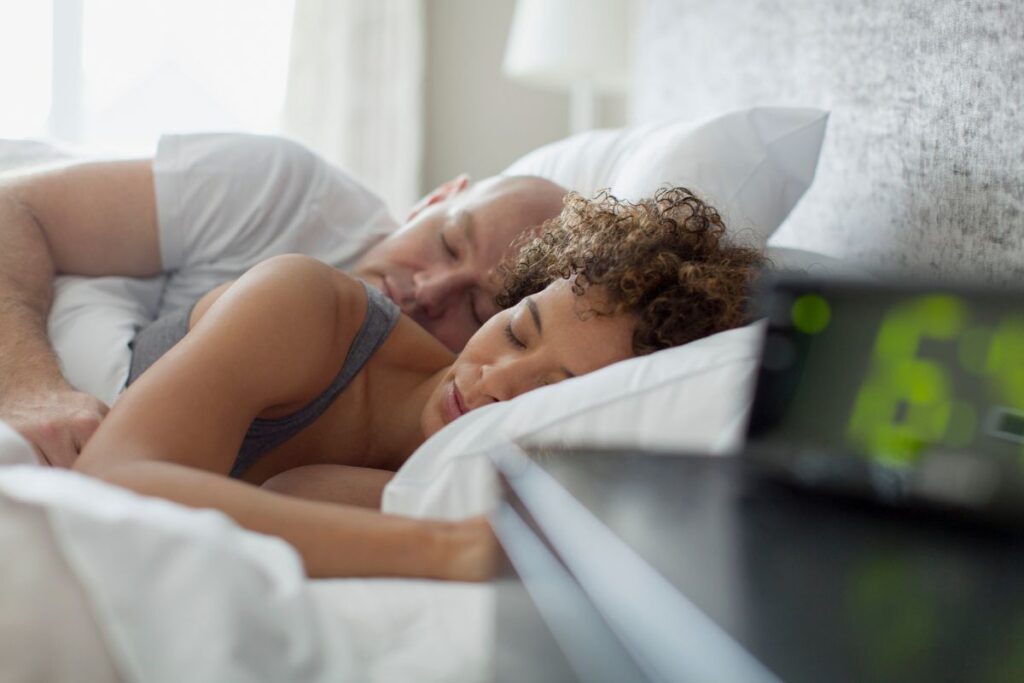
Sleeping together has long been considered a crucial element in building emotional bonds and psychological well-being in relationships, but its physical and mental health effects have many nuances. One of the main mental health benefits of sleeping together is the increased production of hormones like oxytocin, often called the “love hormone.” Oxytocin released during physical contact, hugging, or just lying close improves mood, reduces stress and anxiety, and reinforces the sense of connection between partners. Regular touch, closeness, and subtle nighttime cues contribute to a sense of security and emotional stability. Research by the University of Hertfordshire found that 94% of couples who sleep in direct physical contact describe their relationship as happy, compared to 68% of couples sleeping more than 70 cm apart. Beyond mental aspects, sharing a bed brings health benefits—regular serotonin release during sleep can lessen vulnerability to depression and may reduce the risk of nervous system problems. However, comfort in sleeping together is closely linked to individual predispositions—some people may struggle to fall asleep in their partner’s presence, leading to sleep disorders. Interrupted sleep due to partner movements, snoring, or different temperature and duration preferences can, over time, cause fatigue, elevated cortisol, and other stress hormones, negatively affecting physical health, cardiovascular system, metabolism, and immunity.
Physiological aspects of couple’s sleep can have both good and bad health effects. Among the positive aspects of sleeping together is natural synchronization of circadian rhythms and quality-of-rest improvements due to harmonized daily schedules. It’s easier for couples to fall asleep at the same time, which helps maintain regularity and deep sleep stages needed for cell and muscle regeneration. Physical closeness helps stabilize breathing and heart rate, while exchanging body heat during sex or sleep can maintain optimal body temperature. Still, sleeping together is not always advantageous—research on couples’ sleep shows that even small differences (e.g., in mattress type, comforter, light, or noise levels) may cause chronic sleep deficiency. Healthwise, this matters since lack of sleep increases the risk of modern diseases such as obesity, type 2 diabetes, high blood pressure, or anxiety disorders. On the other hand, for those chronically stressed or traumatized, their partner’s proximity can reduce PTSD symptoms and ease psychosomatic tension. Co-sleeping also allows for earlier detection of health issues—snoring, breathing interruptions, or sleep apnea may be noticed sooner, allowing for faster intervention. The impact of sleeping together on mental and physical health is not clear-cut and depends on many factors, such as compatibility of sleep habits, health status, and ability to communicate needs. The overall results depend on balancing biological needs with emotional needs—being close to a loved one during sleep.
Advantages and disadvantages of sleeping together or apart – What to consider?
When considering whether to sleep together or apart, it’s worth examining the pros and cons of both solutions. One of the biggest advantages of sleeping together is deepening the emotional bond, built not just through daily conversations and experiences but also through nightly physical contact. Sharing a restful space allows for spontaneous expressions of affection, increases opportunities for closeness, and promotes the release of happiness hormones (oxytocin and serotonin) which lower stress and enhance psychological and physical well-being. Falling asleep together, cuddling before bed, or simply feeling a partner’s physical presence creates a sense of security—which for many is invaluable, especially during stressful periods. In addition to emotional benefits, sleeping together can help regulate circadian rhythms, as partners subconsciously adapt their habits—often benefitting people with sleep problems. Sleeping together is also understood as a way to strengthen relationship unity and sexual satisfaction, as physical closeness increases chances for intimacy both physically and emotionally. For many couples, shared bed is a relationship symbol and a daily reassurance in a busy, changing world.
However, what’s an asset for one couple can be a drawback for another. Co-sleeping often results in sleep disruption, especially when partners have different routines—one may require silence and darkness, while the other prefers sleeping with the TV or a night lamp. Differences in daily rhythm, loud snoring, insomnia, tossing and turning, or a need for frequent bathroom breaks can negatively affect both partners’ comfort, sleep quality, and duration. Over time, poor sleep can lead to chronic fatigue, irritability, and even relationship deterioration due to building frustration. Sleeping together can also be problematic when increased health awareness is needed—such as allergies, infections, or health problems that directly affect sleep needs and recovery. Conversely, sleeping apart allows each person to optimize sleep: controlling bedroom temperature, choosing mattresses, lighting, or eliminating noise. This provides full recovery and improved sleep quality, especially if one partner deals with health issues or a demanding lifestyle. Separate sleeping can also be a way to maintain autonomy and personal space without guilt—such a choice offers freedom and avoids conflict from irreconcilable differences. However, for many, separate sleeping raises fears of emotional distance, less intimacy, or relationship weakening. In extreme cases, it can bring loneliness, misunderstandings, and reduced relationship satisfaction, especially without open discussion and mutual agreement. Ultimately, decisions on sleeping arrangements require careful consideration of individual sleep needs and open partner communication—the key is to set rules that balance physical, mental, and emotional well-being for both sides.
How to make a decision – Practical tips for couples
Deciding whether to sleep together or apart isn’t just a practical matter – it’s a complex process that involves the emotional, health, and communication side of a relationship. Before choosing, couples should honestly assess their individual needs, expectations, and possible compromises. It’s crucial to start a conversation with mutual respect and openness to different perspectives. A good practice is to have an honest dialogue about sleep quality, any issues with rest, and the personal conditions that help you relax. Both partners should define their feelings about sharing a bed and express any concerns about changing habits. Keeping a sleep diary for a few weeks and noting which factors impact your mood—noise, differences in bedtime, room temperature, or stress—may help. Analyzing these observations provides a basis for conversation and finding compromises. It’s also wise to set clear rules and boundaries: does separate sleeping mean every night, or just those when one partner sleeps poorly or is tired? It can be helpful to “test” both scenarios together and separately for a while—to see how the arrangement influences your satisfaction, physical condition, and relationship atmosphere.
Active listening and asking questions are equally important for understanding your partner’s perspective. Before making a final decision, consider: individual sleep habits, work intensity, stress level in daily life, and prior experience sleeping together or apart. Many couples benefit from support from a specialist—a psychologist or relationship therapist—especially if conflicting expectations cause tension or worry. An expert can objectively support the communication process and help develop beneficial solutions for both partners. Remember, the decision about sleeping together or apart is not permanent and can change as the relationship or life situation evolves, such as pregnancy, raising children, illness, or new work obligations. Any change in sleep style should be seen as a flexible experiment, not a verdict. Regular feedback and readiness to adjust arrangements help build trust and security in the relationship. When sleeping separately is chosen for comfort or health reasons, it’s vital to maintain other forms of closeness—such as having breakfast together, evening conversations, or cuddling rituals. This way, couples can preserve emotional connection even if they sleep separately. Practical aspects—room setup, bedroom equipment, schedule planning—should also be thoughtfully prepared so everyone feels comfortable and enjoys quality rest without guilt or pressure. Ultimately, the success of any chosen approach depends on mutual understanding, maturity, and openness to change—so see the sleep style decision as part of building satisfaction and well-being in the relationship.
Summary
Deciding whether to sleep together or apart should be tailored to the individual needs and lifestyle of both partners. Both options have advantages: sleeping together can boost closeness, while sleeping separately can improve sleep quality. Open communication and seeking compromise—such as two mattresses or separate duvets for better sleep comfort—are key. Studies show that there’s no universal right answer; most important is to take care of your health, well-being, and relationship satisfaction together. Reflect on your needs and make the best choice for you!