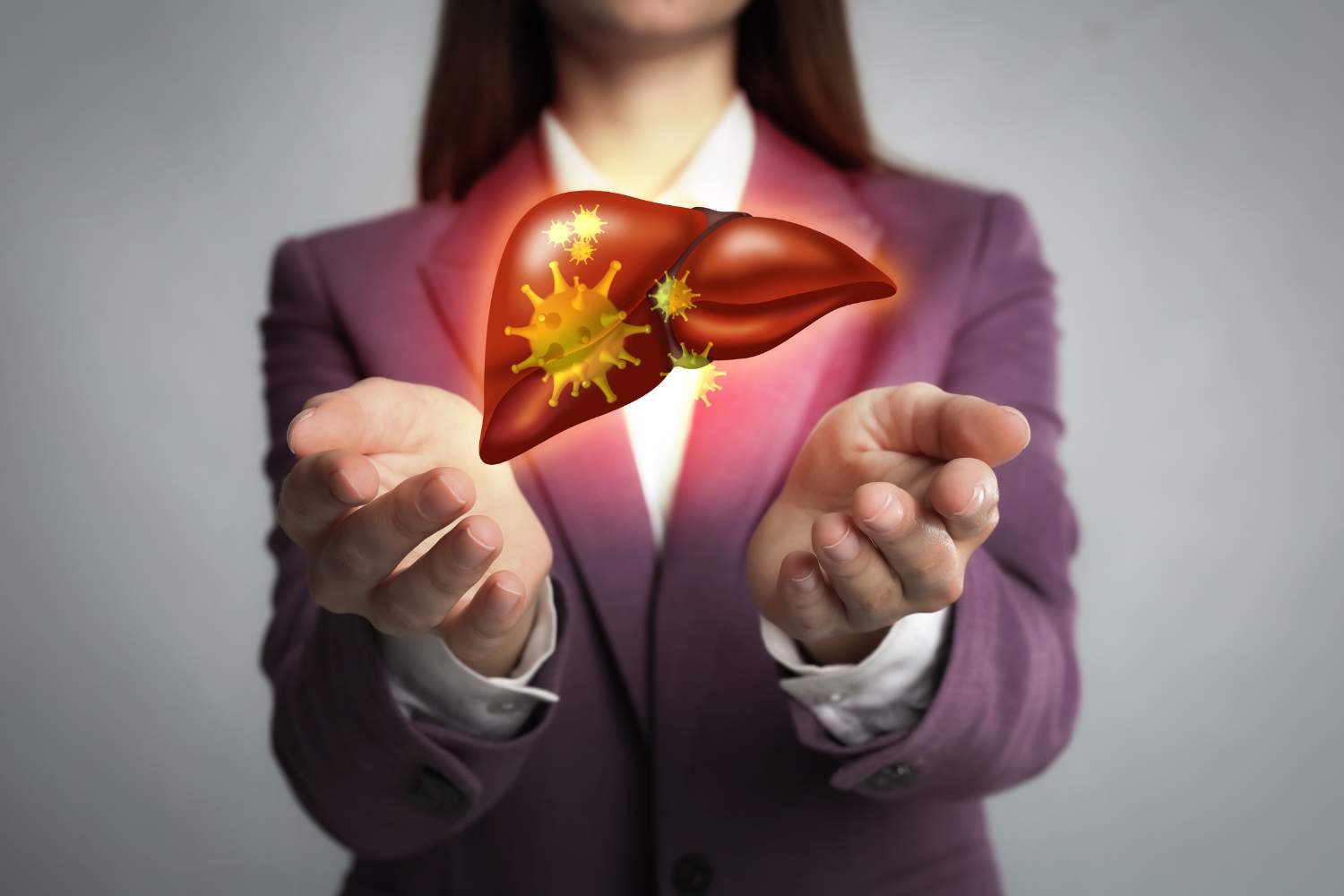
Discover the symptoms of liver diseases, learn about their types, diagnostics, modern treatment methods, and effective prevention strategies.
Table of Contents
- The most common symptoms of liver disease – what to look out for?
- Types of liver diseases: from fatty liver to cirrhosis
- Diagnostics of liver diseases – key tests and detection methods
- Prevention of liver diseases – healthy diet, lifestyle, and vaccinations
- Modern treatment methods for liver disorders
- How to effectively take care of your liver every day?
The most common symptoms of liver disease – what to look out for?
The liver is an extremely important organ, performing key metabolic, detoxification, and storage functions. Early recognition of its disease symptoms is crucial for effective treatment and the prevention of serious complications. Unfortunately, many liver diseases develop stealthily at an early stage, often without any characteristic warning signals for a long period. As liver cell damage progresses, however, symptoms emerge that should not be ignored. One of the most common yet non-specific symptoms of liver disease is chronic fatigue, a feeling of weakness, and decreased physical capacity. Individuals with liver insufficiency may complain about a lack of energy, difficulties with concentration, or apathy, even when leading a healthy lifestyle. These are often accompanied by mild gastrointestinal complaints: a feeling of heaviness and pressure under the right rib arch (location of the liver), nausea, bloating, belching, and sometimes slight abdominal pain. Another group of symptoms includes changes in the skin and mucous membranes. Jaundice, that is, yellow discoloration of the skin and sclerae, is one of the most characteristic signs of advanced liver disease, though it usually appears only after significant damage to the organ. Earlier, one may notice skin discoloration, itching, the appearance of red spider veins (telangiectasia) most frequently on the chest and hands, or palmar erythema – a reddening of the skin on the palm around the thumb mound and fingers. Some patients also experience slow wound healing, a tendency to bruise, petechiae, and increased bleeding, such as from the nose or gums. These are symptoms of disturbed synthesis of clotting factors by the liver and may indicate its failure. Over time, swelling may develop (especially in the legs and feet), ascites (fluid accumulation in the abdomen), abdominal enlargement, and significant weight loss despite fluid retention. Importantly, patients with chronic liver disease often struggle with hormonal imbalances, manifesting as gynecomastia (breast enlargement in men), decreased libido, irregular menstruation, or hair loss. A typical problem is also loss of appetite, an aversion to certain foods (mainly fats), a bitter taste in the mouth, and even fever without clear cause. Alarming symptoms may also include darkened urine and pale, or even tarry, stools, which are related to disturbed bile secretion and difficulty eliminating biliary pigments from the body.
It should be emphasized that these symptoms are diverse, may occur singly or in combination, and their intensity depends both on the type and stage of the disease and the patient’s individual predispositions. In the initial phase of chronic hepatitis, fatty liver, or cirrhosis, symptoms develop very subtly. People at higher risk — those taking hepatotoxic drugs, abusing alcohol, suffering from diabetes, obesity, autoimmune diseases, or having a history of viral infections (e.g., HBV, HCV) — should pay special attention even to subtle, non-obvious changes in their wellbeing. General symptoms often include easy fatigue after exertion, excessive sweating, as well as recurrent sleep disturbances and depressive conditions. Patients with chronic liver failure may also develop hepatic encephalopathy, characterized by cognitive decline, hand tremor, altered consciousness, or even coma, requiring immediate medical attention. The occurrence of these symptoms should signal the need for diagnostic tests, as only their quick identification allows for appropriate treatment and halting further progression of liver damage. Daily self-monitoring of skin, mucous membranes, body weight, and general well-being is recommended, treating any suspicious changes not as temporary nuisances but as potential signs of more serious health issues. In clinical practice, the simultaneous occurrence of jaundice, skin itching, dark urine, and pale stools is particularly alarming. This set of symptoms requires urgent consultation with a doctor, preferably a hepatologist, who will direct further diagnostics and treatment.
Types of liver diseases: from fatty liver to cirrhosis
Liver diseases cover a broad spectrum of conditions, which can be reversible or lead to permanent, irreversible structural and functional changes in the organ. The most commonly diagnosed liver diseases include fatty liver (both non-alcoholic and alcoholic), viral hepatitis (types A, B, C, D, and E), autoimmune liver diseases, and advanced forms of insufficiency such as cirrhosis. The liver is especially vulnerable to degenerative changes due to chronic exposure to toxins, drugs, alcohol, and viruses, so regular check-ups and early detection of irregularities are crucial for its health. The most common chronic liver disease is fatty liver, characterized by the accumulation of fat in liver cells. Non-alcoholic fatty liver disease (NAFLD) occurs mainly in overweight people, people with type 2 diabetes, or lipid disorders and is a major civilization problem. Alcoholic fatty liver develops due to chronic alcohol abuse and may progress to inflammation and then fibrosis. If this process is not arrested, it may develop into non-alcoholic or alcoholic hepatitis, which, if untreated, leads to progressive organ destruction. In some patients, the disease progresses to cirrhosis — permanent scarring of liver tissue that irreversibly impairs the metabolic, detoxification, and synthetic functions of the liver.
Viral hepatitis forms another major group of liver conditions. Hepatitis A (HAV) usually has a mild course and resolves on its own, while types B and C frequently become chronic and can cause progressive liver damage as well as increase the risk of malignancy in this organ, especially hepatocellular carcinoma. Chronic hepatitis C may remain asymptomatic for years, with the first symptoms appearing only at an advanced stage. Autoimmune liver diseases also occur, such as autoimmune hepatitis (AIH), primary biliary cholangitis (PBC), and primary sclerosing cholangitis (PSC), in which immune mechanisms lead to the destruction of one’s own tissues. These disorders often coexist with other autoimmune conditions. Additionally, there are metabolic and genetic liver diseases, such as Wilson’s disease or hemochromatosis, which cause the accumulation of toxic substances (copper, iron) in the liver. Liver cirrhosis is the common end stage for many chronic liver conditions and is characterized by progressive remodeling of the liver architecture, formation of regenerative nodules, and loss of normal tissue. This causes severe metabolic disturbances, impaired production of clotting factors, impaired detoxification, and growing symptoms of organ failure, such as jaundice, hepatic encephalopathy, ascites, or an increased tendency to gastrointestinal bleeding. The damaged liver ceases to be an effective filter for the body, potentially leading to toxin poisoning and dysfunction of other organs. Most chronic liver diseases are initially asymptomatic, so regular laboratory and imaging diagnostics and maintaining liver health are key in preventing serious complications, including organ failure and the development of hepatocellular carcinoma.

Diagnostics of liver diseases – key tests and detection methods
Early and effective detection of liver diseases is crucial for prevention and further treatment. Therefore, liver disease diagnostics are based on a wide range of laboratory, imaging, and invasive tests, which allow the assessment of the organ’s structure, function, and degree of damage. The first step is usually a detailed medical interview and assessment of risk factors such as alcohol consumption, use of hepatotoxic drugs, coexisting metabolic diseases, or a family history of chronic diseases. Physical examination may reveal liver enlargement, jaundice, skin changes, or ascites, but since many diseases often have sparse symptoms, further diagnostic tests are essential. Basic laboratory tests include so-called liver function tests – assessing liver enzyme (ALT, AST) levels, total and indirect bilirubin, and enzymes such as ALP (alkaline phosphatase) and GGTP (gamma-glutamyl transpeptidase). Disturbed parameters may indicate liver cell damage or cholestasis (impaired bile flow). Additionally, tests evaluating the liver’s synthetic function – such as albumin level, prothrombin time (coagulation index), and blood ammonia concentration – are performed. Blood morphology, lipid profile, glucose level, and serological tests for hepatotropic viruses (HBV, HCV, HAV, HEV) are often ordered as well.
To visualize possible structural changes in the liver, imaging techniques are used to assess the organ and detect abnormalities such as fatty infiltration, fibrosis, focal lesions, or enlargement. The basic and most commonly used examination is abdominal ultrasonography (USG), allowing non-invasive assessment of size, structure, echogenicity, and presence of focal lesions. Elastography is increasingly used – a specialized USG method assessing the degree of fibrosis and liver elasticity, which is extremely helpful in chronic disease monitoring. When tumors, inflammatory processes, or extensive damage are suspected, MRI or CT scans may be necessary as they provide more detailed information about the hepatic parenchyma and adjacent structures. CT with contrast also allows precise localization and characterization of focal lesions. In selected cases, a doctor may recommend a liver biopsy – collecting a small tissue sample for histopathological analysis. Biopsy is increasingly being replaced by non-invasive fibrosis assessment methods but remains the gold standard in cirrhosis, chronic hepatitis, and unclear cases. For some patients, genetic and immunological tests are necessary, especially when autoimmune or hereditary metabolic syndromes (e.g., hemochromatosis or Wilson’s disease) are suspected. Modern diagnostic algorithms increasingly integrate results from multiple laboratory and imaging tests, enabling the early detection of even subtle signs of liver damage and the implementation of proper therapeutic regimes. Special attention is paid to screening in risk groups (obesity, diabetes, alcohol abuse, chronic HBV/HCV infections), where regular monitoring of liver enzymes, performing USG, and checking viral markers contribute to detecting disorders at an early stage, often before severe complications develop. Comprehensive and systematic diagnostics enhances the effectiveness of treatment and helps to prevent chronic liver damage.
Prevention of liver diseases – healthy diet, lifestyle, and vaccinations
Effective prevention of liver diseases is based on several fundamental pillars: a healthy, balanced diet, an appropriate lifestyle, and protection against the main risk factors, including viral infections. Daily attention to proper nutrition is of key importance. A liver friendly diet should be high in dietary fiber, vitamins (especially vitamins C and E), and minerals such as selenium and zinc, which support natural detoxifying processes. It’s advisable to regularly eat fresh vegetables, fruits, whole grains, lean proteins (poultry, fish, legumes), and healthy fats mainly of plant origin, such as olive oil or rapeseed oil. Particular attention should be paid to the reduction of saturated animal fats, simple sugars, and processed foods, which burden the liver and encourage fat accumulation in its cells. Proper hydration and limiting or completely eliminating alcohol — a substance with a particularly destructive impact on liver cells, raising the risk of cirrhosis and cancer — are also important. Excessive use of medications without doctor supervision, especially popular painkillers and anti-inflammatories, should be avoided since overdoses can lead to liver damage.
Alongside a balanced diet, an active lifestyle that incorporates regular physical activity and weight control is also vital for prevention. Numerous scientific studies show that even moderate exercise (e.g., brisk walking, cycling, swimming) improves metabolism and supports burning of hepatic fat, reducing the risk of non-alcoholic fatty liver disease. Weight reduction and obesity treatment are significant not just for liver health but for the whole metabolic system. Equally vital is controlling coexisting diseases such as type 2 diabetes, hypertension, or lipid disorders, which increase the risk of liver damage. Prevention also involves reducing exposure to environmental toxins and chemicals — use caution when working with solvents, pesticides, and other chemicals, and adhere to safety principles to avoid accidental poisoning. A very important role in preventing infectious liver diseases is played by vaccinations, especially against hepatitis A and B. In Poland, hepatitis B vaccinations are mandatory for newborns, but adults who were not vaccinated or are at risk should undergo immunization as soon as possible. Unfortunately, there are currently no effective vaccines for types C or E, so protection from contact with potentially infected blood or contaminated food when traveling to countries with low sanitary standards is crucial. Increasing awareness of personal hygiene, safe sex, and prudent use of medical and cosmetic services is also vital. A comprehensive approach to prevention, combining a healthy diet, physical activity, and vaccinations, can significantly reduce the risk of most liver diseases and maintain this key organ in good condition throughout life.
Modern treatment methods for liver disorders
Modern hepatology is developing dynamically, responding to rising challenges posed by liver diseases of various origins and degrees of progression. The complexity of these conditions makes treatment highly individualized and based on current guidelines, incorporating pharmacology, targeted therapies, technological advances, and patient support throughout every stage of the disease. For chronic viral hepatitis B and C, a breakthrough emerged in the form of direct-acting antivirals (DAAs), which enable almost complete cure of HCV infection in over 95% of treated patients and effective suppression of HBV replication, thus slowing liver destruction. Thanks to DAA therapy, chronic hepatitis treatments have become shorter, well tolerated, and highly effective, dramatically changing prognosis even for those with advanced fibrosis. Autoimmune liver diseases, such as autoimmune hepatitis, primary biliary cholangitis, or primary sclerosing cholangitis, require modern immunosuppressants, monoclonal antibodies, and immunomodulatory drugs. Increasingly, targeted biological therapies precisely block specific elements of the inflammatory pathway, improving disease control while minimizing side effects.
In recent years, advances in personalized medicine and diagnostic methods have enabled better patient qualification for therapies, and real-time monitoring of treatment effectiveness allows for rapid response to changes in health. In treating non-alcoholic and alcoholic fatty liver disease, innovative agents affecting lipid metabolism, hepatocyte regeneration, and therapies targeting inflammation and insulin resistance are increasingly used. Programs of comprehensive care, including dietary support, treatment of coexisting diabetes or hypertension, and extensive psychological support frameworks, play a significant role. In cases of progressive cirrhotic failure, modern treatment focuses on drug therapy supporting liver function, prevention and management of complications (such as ascites or hepatic encephalopathy), and selection for liver transplantation. A liver transplant remains the gold standard in situations of extreme organ damage, and the use of living donor transplants, split-liver transplantation, and implanted artificial livers as a bridge to proper transplantation is becoming more common. Medical technology today also makes it possible to employ non-invasive fibrosis monitoring strategies such as elastography and biochemical tests, ensuring precise timing for intensive treatment or transplant referral. New therapeutic directions include gene therapy, cell therapies, and experimental approaches based on modifying the gut microbiome, shown to influence liver health and disease progression. Liver cancer treatment has been revolutionized by immunotherapy (including checkpoint inhibitors), the advancement of molecularly targeted therapies, and chemotherapy delivered directly to tumor-feeding vessels — all of which increase success rates while minimizing side effects. There is a strong focus on early qualification for advanced interventions, multidisciplinary treatment teams, and systematic monitoring of results, with continuous updates to algorithms in line with the latest scientific and medical achievements.
How to effectively take care of your liver every day?
Day-to-day care for liver health is an investment in the long-term functioning of the entire body — this organ is responsible for key metabolic, detoxification, and synthetic processes. The basis of effective prevention is a well-balanced diet rich in vegetables, fruits, whole grains, and high-quality protein sources such as marine fish, lean meats, and legumes. Limiting red meat, animal fats, and processed foods is beneficial, as excess saturated fats and simple sugars burden the liver and promote fatty liver development. Adequate dietary fiber intake regulates digestion and supports the elimination of toxic substances. Eating several smaller meals instead of large portions also eases the liver’s workload, allowing it to function more evenly. Proper hydration, preferably with water, herbal teas, or natural vegetable juices, supports the removal of metabolic byproducts and prevents toxin build-up. Special attention is needed in those with metabolic syndrome, insulin resistance, or diabetes — these conditions are closely linked to liver health, so regular checks of blood sugar and lipids are essential, and a low-glycemic, anti-inflammatory diet is recommended. Eliminating or drastically reducing alcohol use is crucial, as even occasional drinking can damage hepatocytes and cause chronic inflammation, especially if medications are also in use. All medications — both prescription and over-the-counter — should be used responsibly, only under a doctor’s guidance and when truly necessary, since many pharmaceutical substances have hepatotoxic potential, particularly in combinations.
Effective liver protection also means a lifestyle that includes regular physical activity. Moderate exercise, such as brisk walking, cycling, swimming, or resistance training, not only enhances tissue sensitivity to insulin but also supports the burning of visceral fat, limiting the risk of non-alcoholic fatty liver disease. At least 150 minutes of activity per week, suited to age and health status, are recommended. Maintaining healthy body weight is highly important — overweight and obesity are the main risk factors for liver diseases. Regular check-ups, especially liver function tests (ALT, AST, ALP, GGTP, bilirubin), imaging studies (abdominal USG), and markers of viral hepatitis, allow for early detection of even asymptomatic changes. People in risk groups (with diabetes, hypertension, obesity, or exposed to liver-straining drugs) should have frequent medical consultations and monitor liver parameters regularly. Vaccinations against hepatitis A and B, which effectively protect against viruses causing chronic liver damage, are also invaluable. In daily practice, avoiding environmental toxins, chemicals, mold, maintaining hand hygiene, and being cautious during medical procedures that might carry infection risk are recommended. An additional aspect of prevention is managing stress — chronic tension fosters metabolic disturbances and indirectly affects liver condition. It’s advisable to practice regular rest, sleep hygiene, and relaxation techniques. Natural supplements supporting liver health, such as milk thistle, artichoke, turmeric, or soy phospholipids, are gaining popularity, but their use should always be consulted with a doctor, especially in those with coexisting diseases. Following these principles not only reduces the risk of serious liver conditions but also improves overall health, well-being, and daily energy levels.
Summary
Liver diseases can often develop asymptomatically for a long time, which is why it is important to know the first warning signs — such as right upper quadrant pain, fatigue, or skin changes. A broad range of conditions includes fatty liver, viral hepatitis, and cirrhosis, and these are diagnosed thanks to modern laboratory and imaging methods. Prevention relies on a healthy lifestyle, proper diet, and vaccinations. Treatment strategies increasingly employ the latest therapies and a personalized approach. By taking daily care of the liver, we can effectively prevent the progression of severe disorders and ensure better overall wellbeing.